
18th Century Mahogany Seating
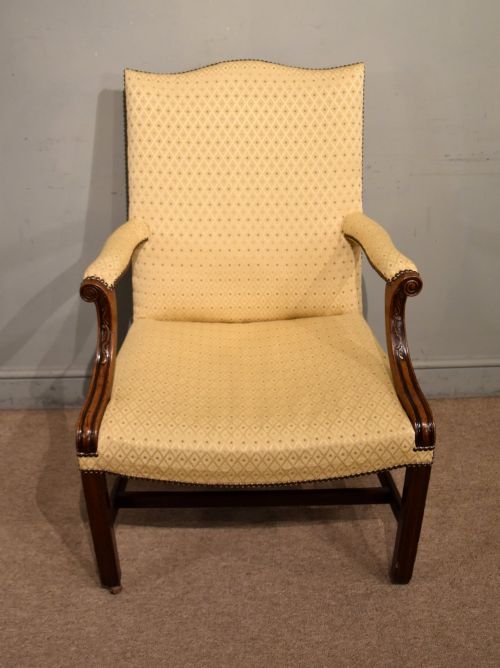
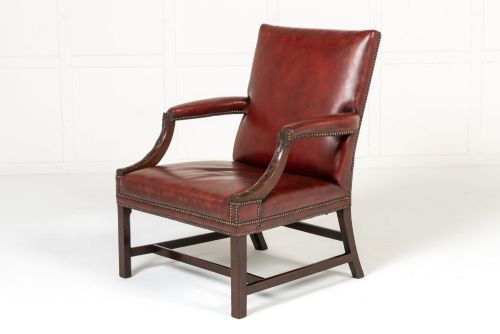
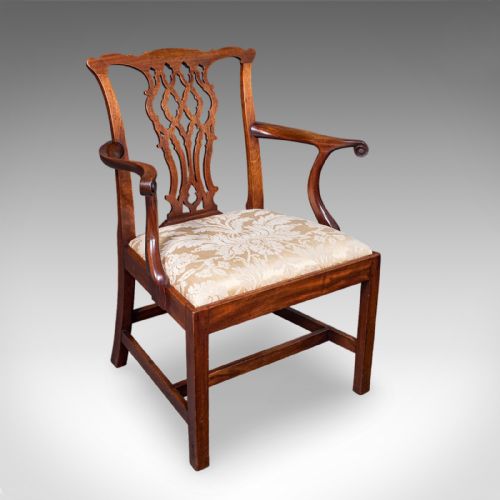
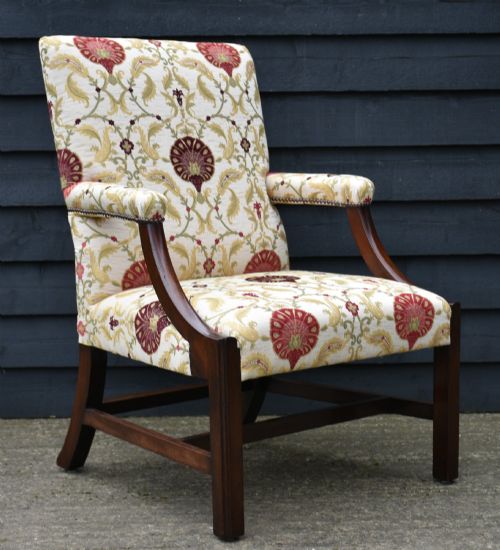
These eighteenth century mahogany seating pieces offer sturdy frames and rich timber tones that bring traditional character to any room.
Understanding 18th century mahogany seating
When buyers search for 18th century mahogany seating, they encounter sturdy timber frames built for daily use in formal rooms. These items date from the Georgian and George III eras, reflecting the cabinetmaking standards of the time.
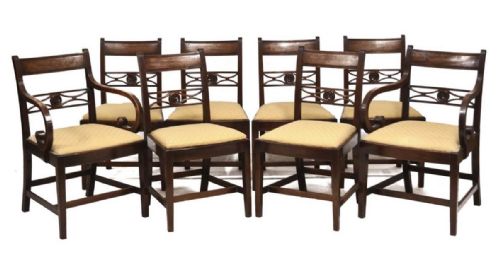
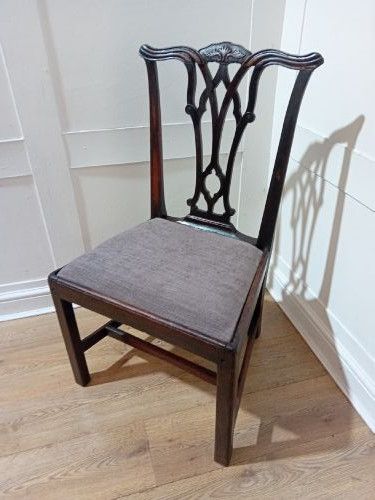
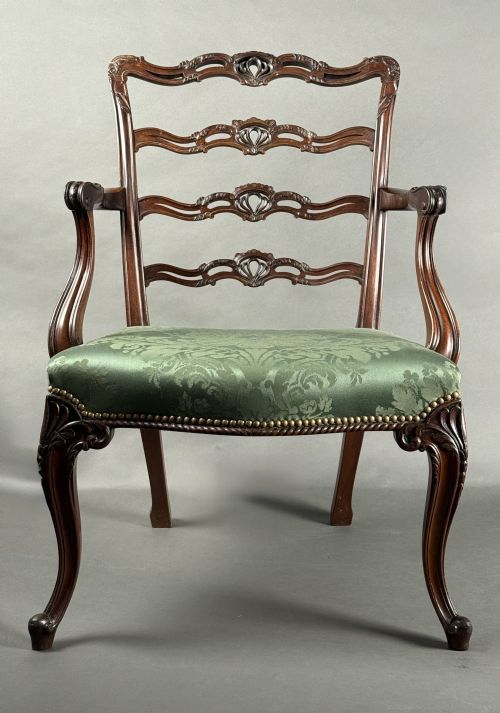
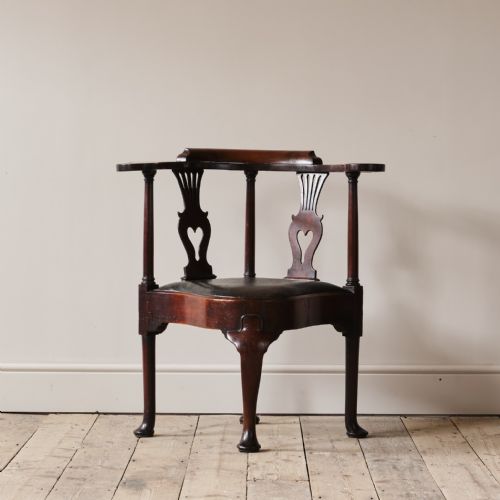
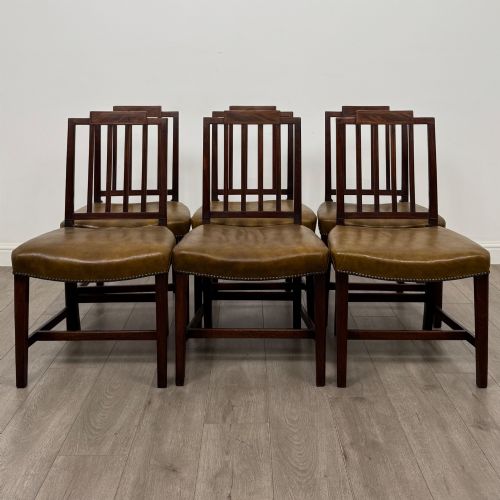
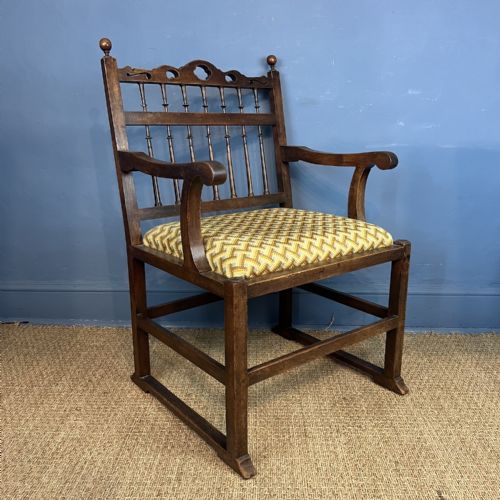
The selections available here include armchairs, side chairs, and ladderback chairs. Individual pieces appear alongside pairs and larger matching sets of dining chairs.
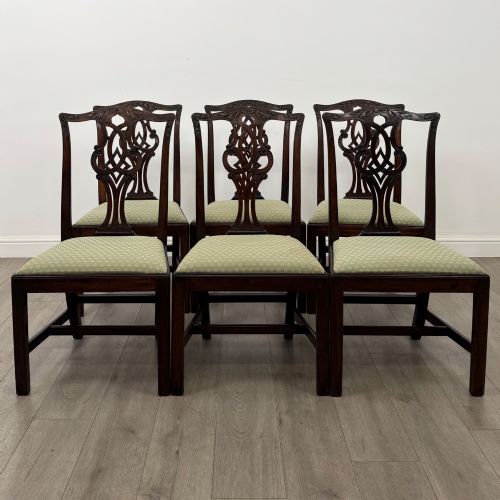
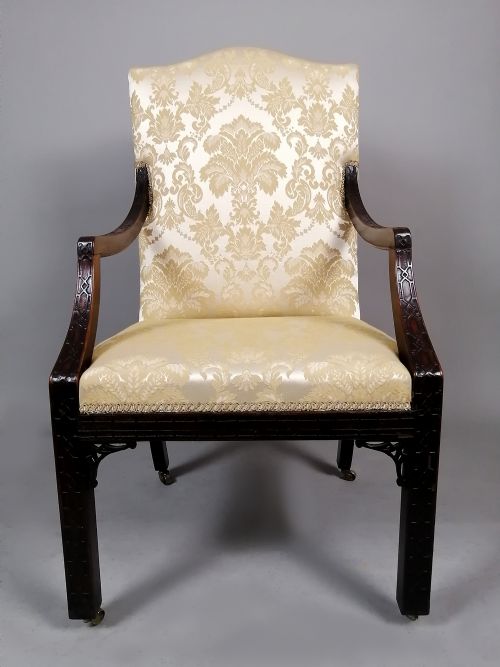
Origins span regional workshops, including Scottish pieces alongside English examples. Certain items showcase distinct stylistic influences such as Gothic Chippendale and Hepplewhite designs.
Materials and construction
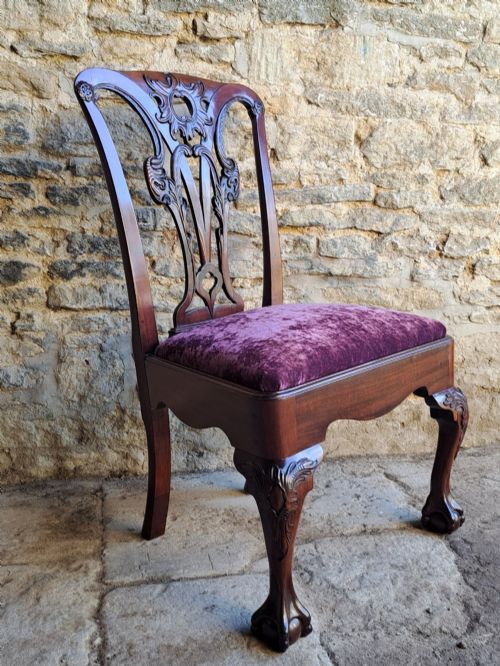
Makers utilised solid mahogany for the structural frames, valued for its rich grain and durability. This dense timber allowed carvers to execute crisp details along the splats and rails.
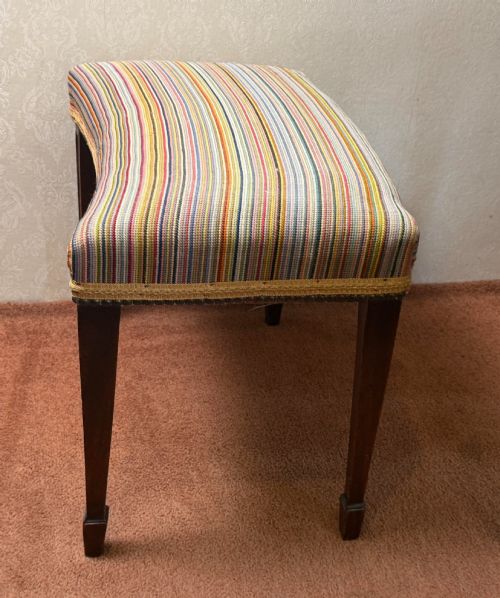
Seating components often incorporate secondary materials such as brass fittings. Upholstered elements feature traditional coverings including leather, tapestry fabric, and various woven textiles.
Retail Price Guide 2026
Typical UK retail prices for 18th century mahogany seating, calculated from the Sellingantiques database of over a million retail prices indexed since 2003. This retail price guide relies exclusively on Sellingantiques data; no external sources or auction records are used, so the figures do not describe the wider market.
Assessing quality
Quality in these wooden seats rests on the crispness of the carving and the integrity of the joinery. Superior examples display fluent lines in elements like ladderbacks and arm terminals without clumsy repairs.
The choice of upholstery materials and the fidelity of stylistic details, such as Gothic Chippendale fretwork or Hepplewhite shield backs, distinguish standard utility items from more ambitious workshop productions.
The 18th Century Mahogany Seating Glossary
- Mahogany
- A durable tropical hardwood imported for high-end cabinetmaking. Its deep reddish-brown tone darkens gracefully over the centuries.
- Side chair
- An upholstered or wooden chair without arms, designed primarily for dining tables. These pieces fit neatly against walls when not in use.
- Ladderback
- A chair back featuring horizontal wooden rails resembling the rungs of a ladder. This regional style was popular in domestic dining arrangements.
- Splat
- The vertical wooden strip down the middle of a chair back. Carvers often pierced or shaped this element to define the decorative style.
Frequently Asked Questions
How do I care for antique mahogany frames?
Keep wooden surfaces away from direct sunlight and heat sources to prevent the timber from drying out. Dust regularly with a soft dry cloth and apply a quality wax polish sparingly.
Avoid using modern liquid silicone sprays or harsh chemical cleaners. Proper humidity control in the room preserves both the polish and the underlying timber joints.
Are these chairs suitable for daily dining use?
These historical chairs were built for functional domestic service and remain structurally robust. Regular use is appropriate provided guests sit with care and avoid rocking on the back legs.
It helps to check that the frame joints remain tight before placing them into heavy rotation. Adding discreet modern felt pads protects both the timber feet and your floor.
What defines a George III chair style?
George III pieces reflect the neoclassical and rococo revivals popular during that monarch's reign. Cabinetmakers favored balanced proportions and refined carved ornamentation over heavy bulk.
Look for sophisticated details such as fluted legs, pierced splats, and shaped crest rails. These design markers help separate them from earlier, simpler forms.
How do I identify a Hepplewhite armchair?
Hepplewhite designs are characterised by lighter proportions and graceful curved lines. The shield-shaped back is a primary diagnostic feature of this specific stylistic tradition.
Legs are frequently tapered and squared, sometimes finishing in spade feet. Carved wheat ears or urn motifs often appear on the central back splat.