

Chippendale Desk Chair
A chippendale desk chair combines eighteenth-century architectural presence with robust seating for a library or study.
Chippendale Desk Chair
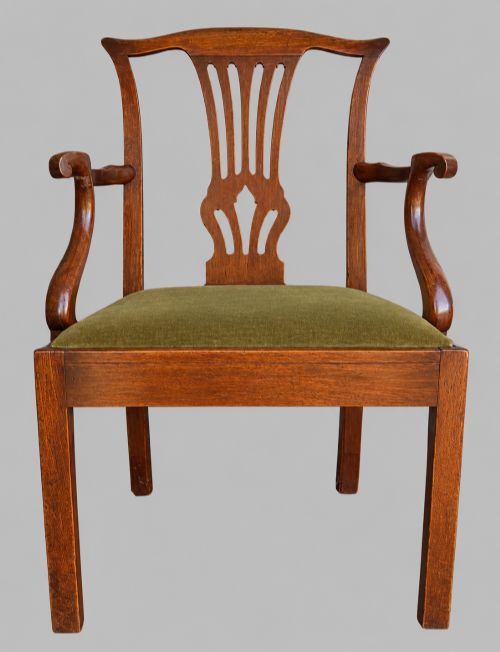
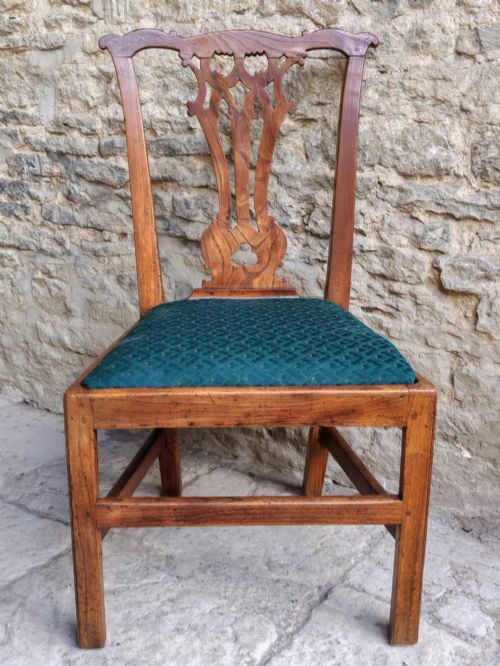
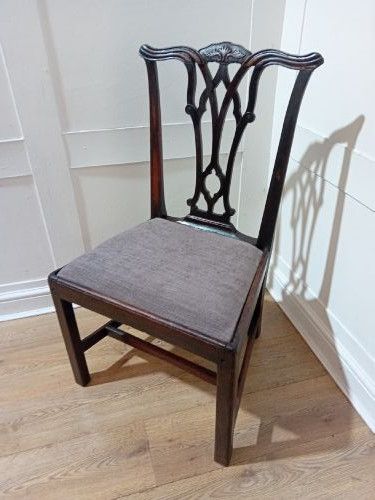
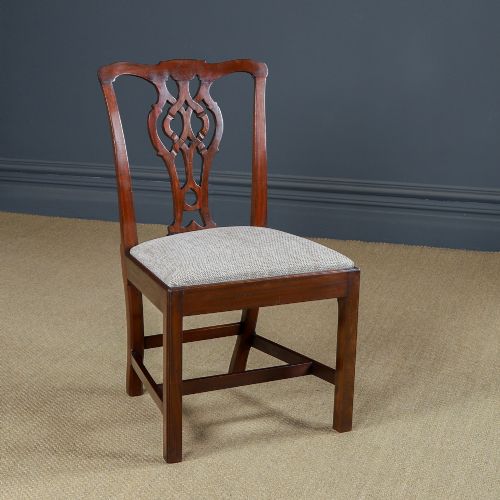
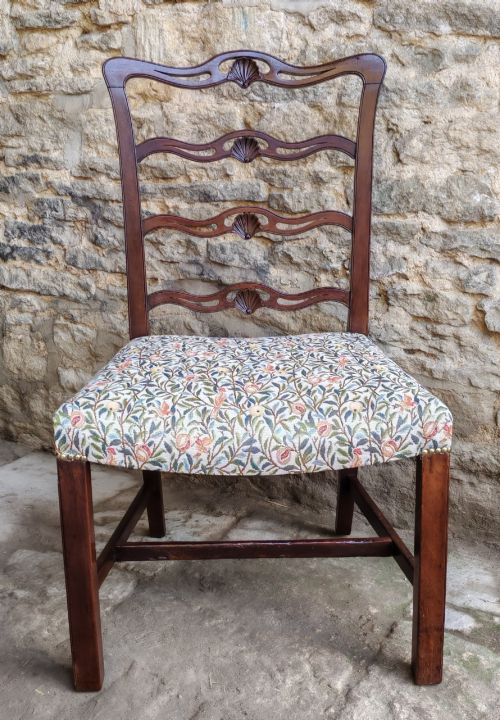
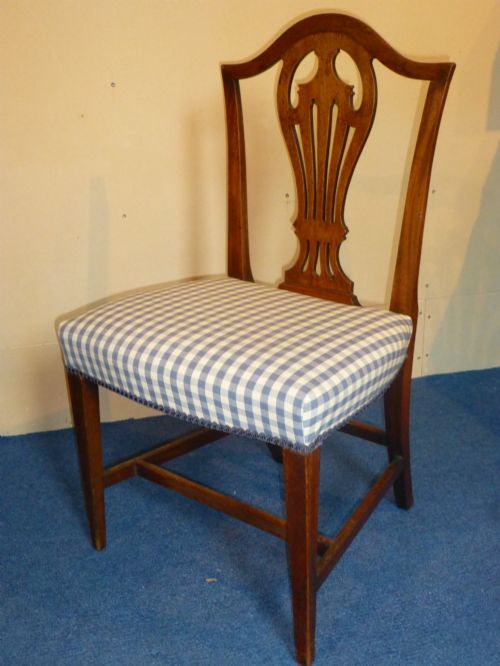
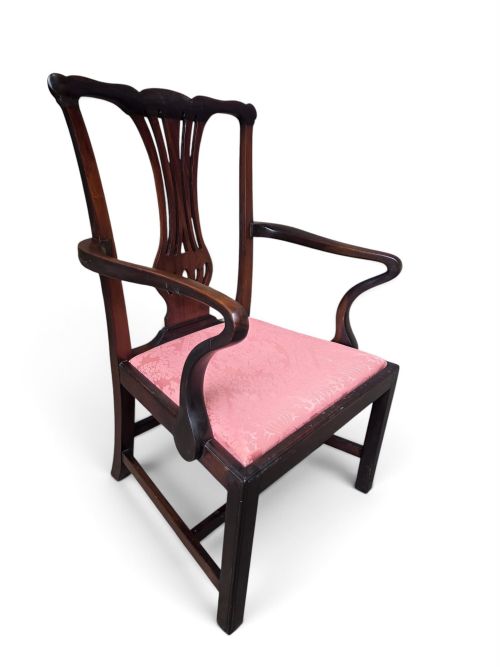
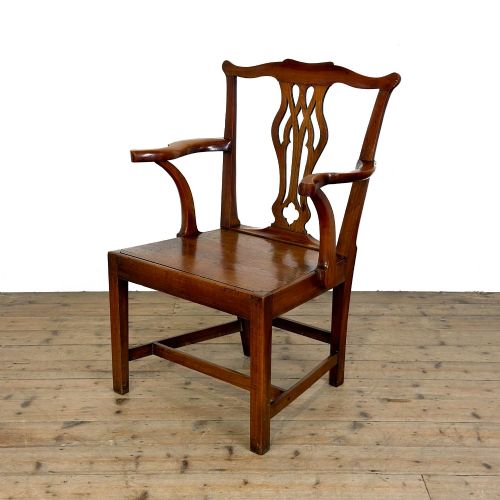
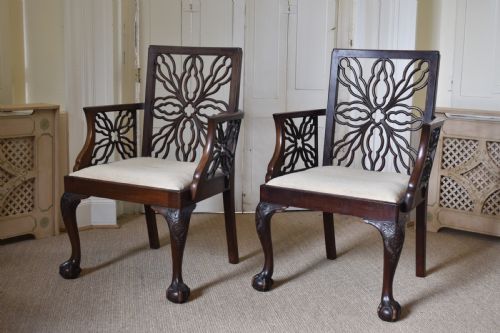
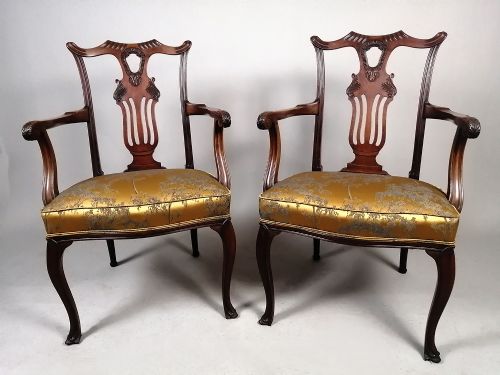
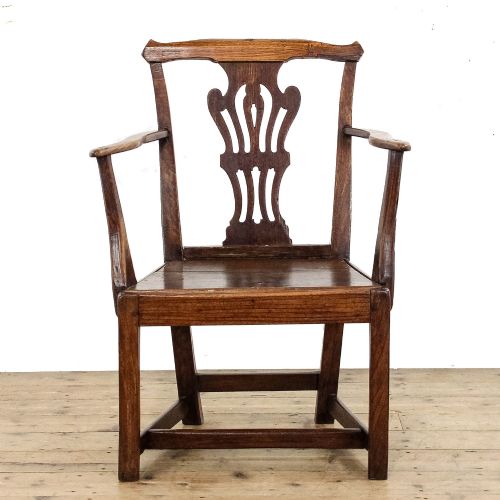
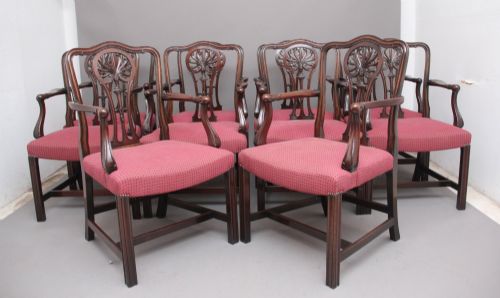
A chippendale desk chair draws upon the design vocabulary established in eighteenth-century pattern books, featuring distinctively carved splats and solid timber frames. The selection spans genuine Georgian period examples alongside later Chippendale Revival interpretations from the Victorian and Edwardian eras.
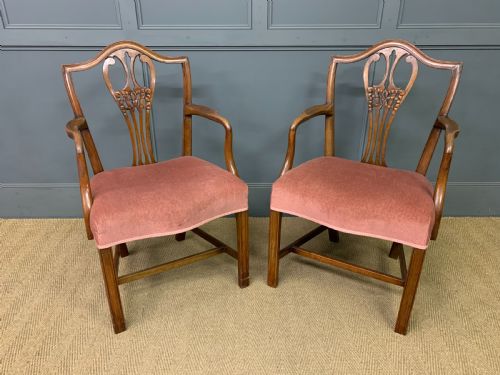
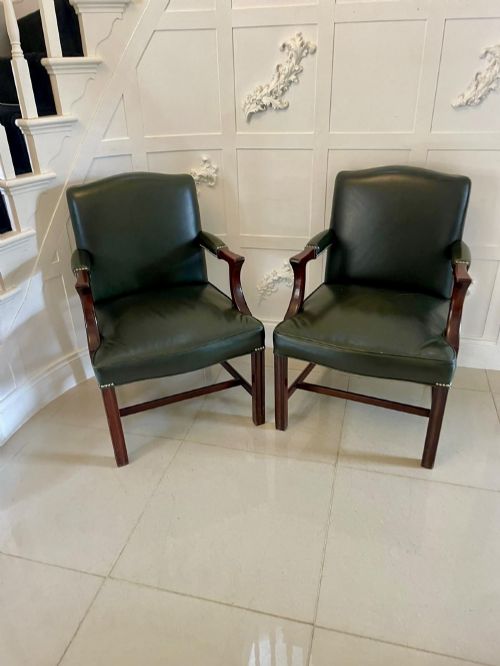
Most pieces seen here function as elbow chairs, armchairs, or dedicated library seats intended for use at a writing table. These forms frequently merge dining chair proportions with the wider arms and supportive backs required for prolonged periods at a desk.
How they were made
Makers relied primarily on dense, durable timbers such as mahogany, walnut, and occasional fruitwood or elm to achieve crisp fretwork and structural stability. Joinery utilised traditional mortise and tenon methods, often reinforced with corner blocks to withstand daily weight and movement.
Upholstery techniques varied from drop-in seats covered in leather, fabric, or velvet to elaborate hand-dyed hide secured with brass tacks. Carving was executed by hand, rendering openwork splats, blind fretwork, and intricate ribbon or ladder-back motifs directly into the solid wood.
Chippendale Desk Chair Retail Price Guide 2026
Typical asking prices for chippendale desk chair among the pieces listed under this phrase on Sellingantiques today, from the lower quarter to the upper quarter. They describe what is for sale here now, not the wider market.
The listings feature mahogany as the predominant timber, alongside walnut, oak, leather, and velvet upholstery.
What varies in quality
The degree of hand-carving refinement separates standard workshop production from exceptional master-carved seating. Crisp edges along the interlaced splats and deeply undercut mouldings indicate superior craftsmanship.
Timber selection and grain continuity also define the upper tier of pieces. Dense, well-figured mahogany with intact original framing commands greater appreciation than plain secondary woods bearing later repairs.
Alfred Allen of Birmingham·Gill and Reigate·Gillows
The Chippendale Desk Chair Glossary
- Splat
- The vertical wooden strip down the centre of a chair back. In these designs, it is frequently pierced and carved into intricate ribbon or interlaced patterns.
- Gainsborough chair
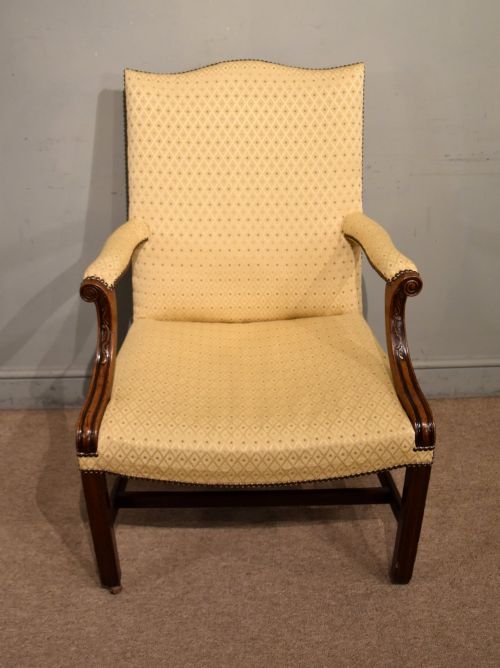
- A wide, upholstered armchair with open padded arms and mahogany legs, designed during the mid-eighteenth century for writing or reading.
- Blind fretwork
- Low-relief geometric carving applied to the surface of straight chair legs or rails to imitate Chinese lattice designs without piercing the wood.
- Carver
- A traditional term for an armchair, often utilised at the head of a dining table or alongside a partner's desk.
- Elbow chair
- An alternative historical descriptor for an armchair, referencing the prominent arm supports framing the seat.
Chippendale Desk Chair: Frequently Asked Questions
How do I distinguish eighteenth-century pieces from later revivals?
Original period chairs display tool marks, timber shrinkage, and structural wear consistent with age. Chippendale Revival pieces from the Victorian and Edwardian periods often show machine-finished uniformity and different secondary woods.
Examining the underside and joinery reveals the construction methods characteristic of each specific era.
What is a Chinese Chippendale chair?
This style draws on Asian design motifs popularised in the eighteenth century, incorporating geometric fretwork and straight, square legs.
Such chairs bring an architectural and decorative quality to a study while retaining traditional seating comfort.
Can I use a dining chair as a desk chair?
Armless side chairs and carvers frequently double as occasional seating for writing tables. Historical listings often group these categories together due to their shared dimensions and framing.
Checking the seat height ensures proper clearance beneath a modern desk surface.