

18th Century Carver
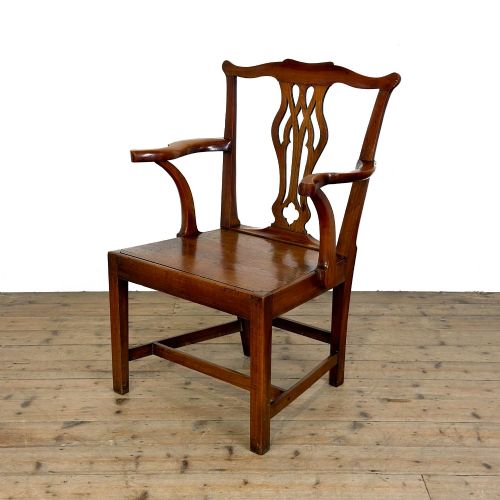
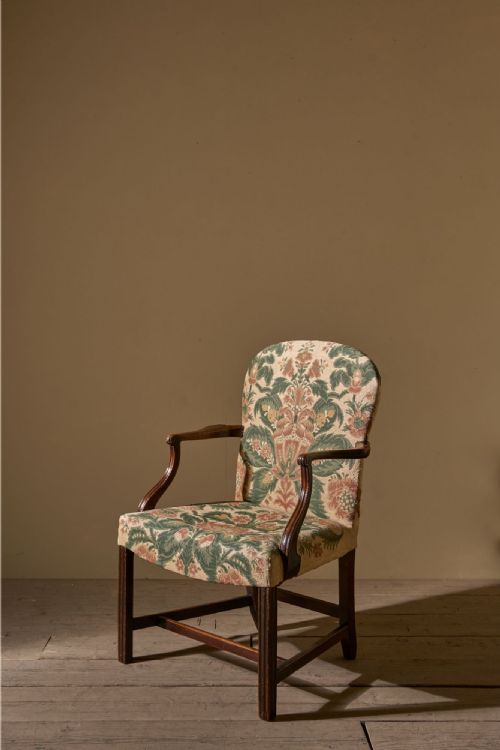
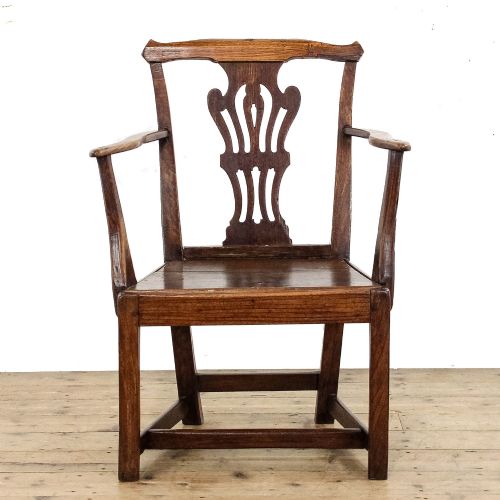
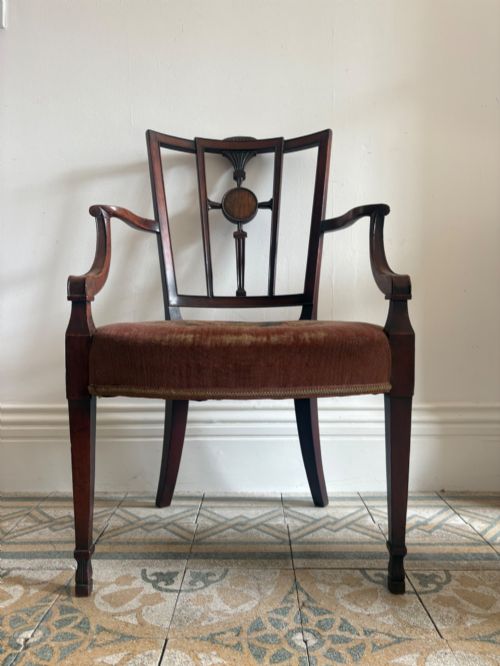
An 18th century carver is an open-armed seating piece offering high status at the dining table, combining sturdy construction with refined period style.
Identifying an 18th century carver
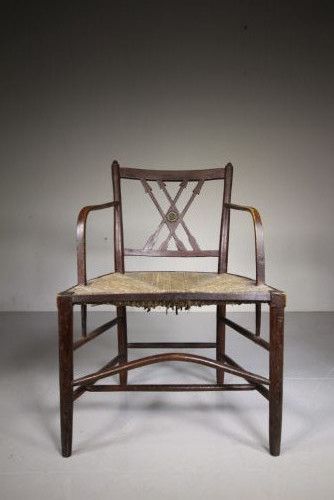
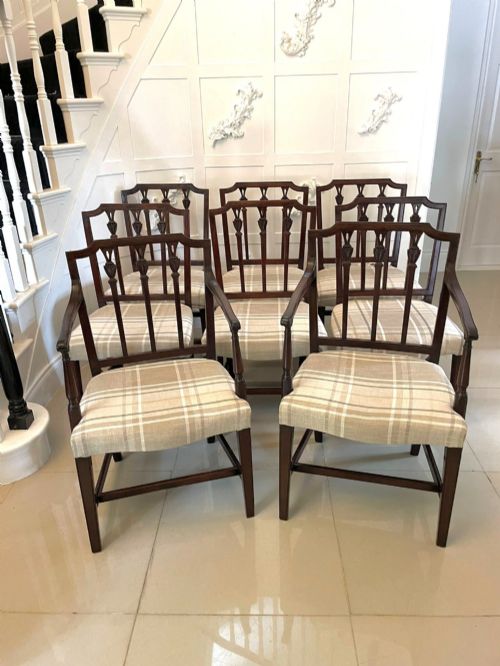
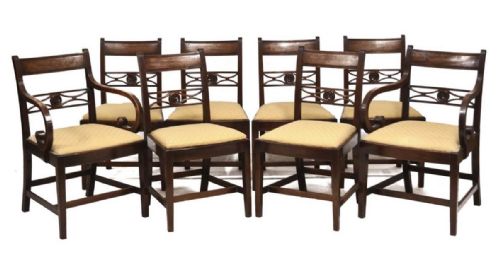
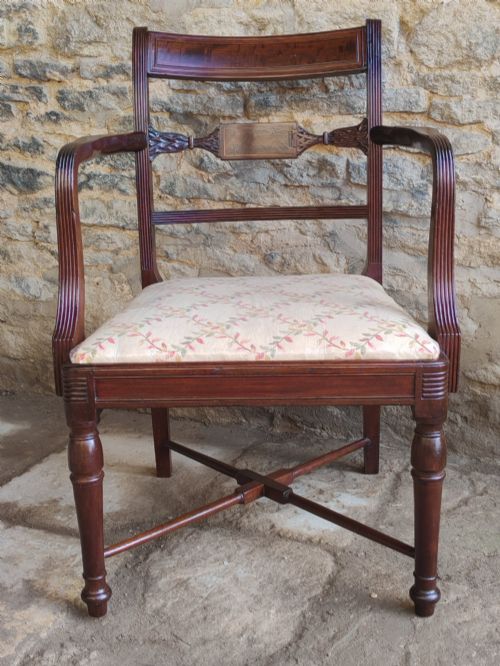
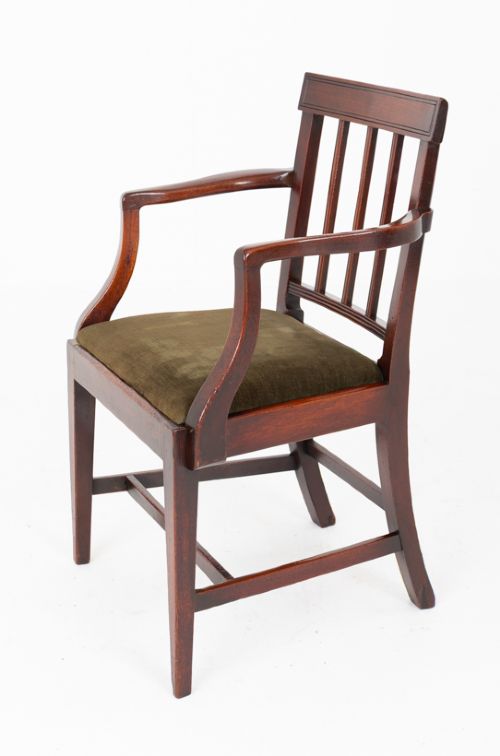
An 18th century carver serves primarily as an armchair used at the head of a dining table or as a desk chair, distinguished by its prominent armrests designed to accommodate formal clothing. These chairs appear across the Georgian period, with numerous examples dating around seventeen ninety, and some extending into eighteen hundred.
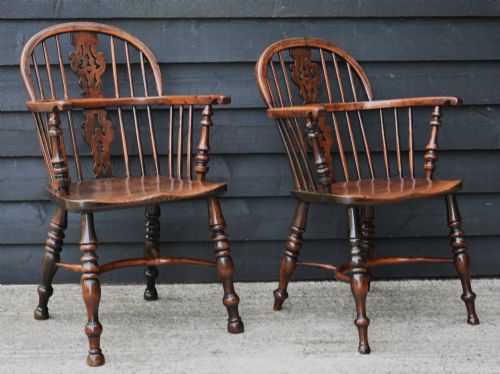
The materials utilised in these armchairs include mahogany, walnut, fruitwood inlay, ash, and elm. Pieces frequently take the form of dining chairs and armchairs, including Dutch marquetry elbow chairs and Irish mahogany armchairs.
Makers and styles represented in the evidence include Hepplewhite, Chippendale, Dutch Baroque, Cromwellian style, and Gillows. Regional variations range from English and Irish workshops to Dutch centres of production.
Materials and construction methods
Cabinetmakers constructed these frames using dense timbers like mahogany, walnut, ash, and elm, often embellishing surfaces with fruitwood inlay or painted and parcel gilt finishes. Joinery relied on traditional mortise and tenon joints to support the weight and stress placed upon the open arms.
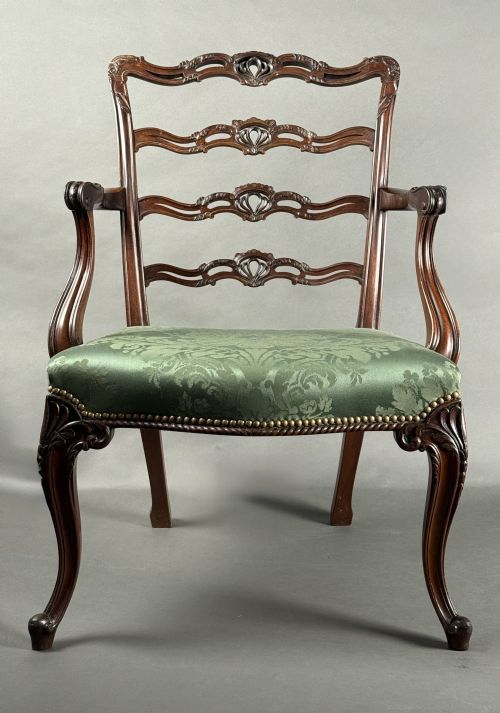
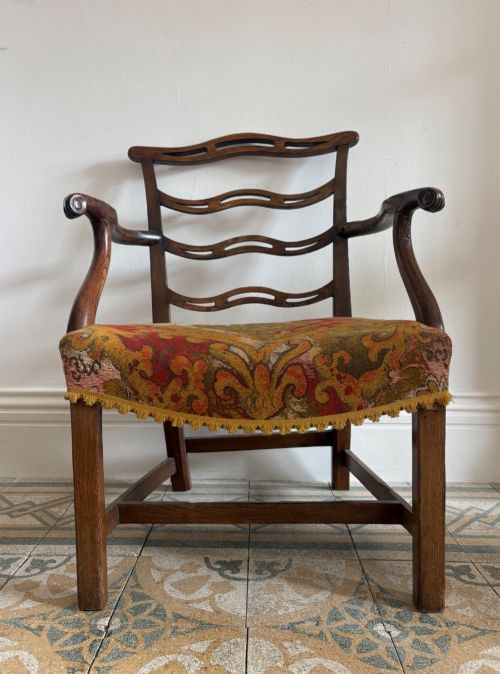
Seating portions were upholstered using fabric, velvet, leather, or tapestry, fastened directly to the wooden frames to provide comfort during long dining sessions. Carved details such as ribbon backs, ladder backs, and barley twist turnings required precise hand chiselling and turning techniques.
Retail Price Guide 2026
Typical UK retail prices for 18th century carver, calculated from the Sellingantiques database of over a million retail prices indexed since 2003. This retail price guide relies exclusively on Sellingantiques data; no external sources or auction records are used, so the figures do not describe the wider market.
The listings demonstrate a strong presence of mahogany frames, alongside walnut, fruitwood inlay, ash, and elm across the eighteenth century.
Distinctions in craftsmanship
The sophistication of the carved ornament dictates the distinction between standard seating and pieces of exceptional character. Crisp execution in ribbon backs, marquetry inlay, and parcel gilt highlights separates ordinary joinery from superior workshop output.
Selection of timber grain and the survival of original upholstery materials, such as period tapestry or leather, influence the integrity of the piece. Chairs retaining their original structural density without extensive timber replacement command greater appreciation.
Gillows
The 18th Century Carver Glossary
- Carver
- An armchair designed with open sides to accommodate voluminous period attire, typically placed at the head of a dining table. These pieces match standard dining chairs in height and decorative scheme while providing armrests.
- Hepplewhite
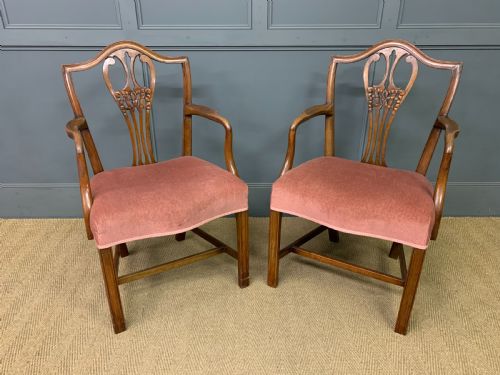
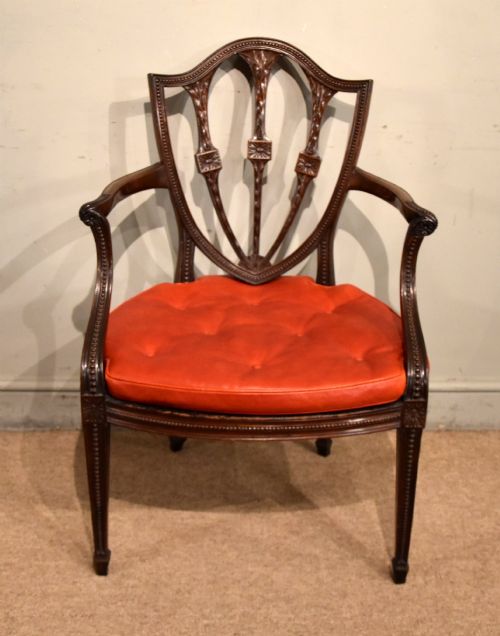
- A late eighteenth century design style associated with slender proportions, shield backs, and tapered legs. This style derives from the pattern books published by George Hepplewhite.
- Marquetry
- The art of forming decorative patterns on wooden surfaces by inserting veneers of different woods, fruitwoods, or other materials. Dutch workshops frequently employed this technique on elbow chairs.
- Parcel Gilt
- A surface decoration technique where specific carved details are selectively covered in gold leaf while the underlying paint or wood grain remains visible. Gillows utilised this method on painted armchairs.
- Ribbon Back
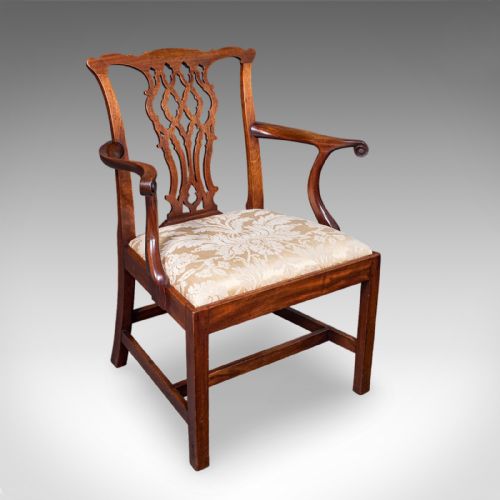
- A Chippendale chair back design featuring carved wooden splats intertwined to resemble billowing ribbons. This intricate fretwork demands high skill from the woodcarver.
Frequently Asked Questions
Where were carvers used?
These armchairs primarily served within formal dining rooms, positioned at either end of a large dining table to seat the head of the household or honoured guests. Their sturdy frames also suited them for use in studies and libraries as desk chairs.
Because of their substantial construction in materials like mahogany and oak, they functioned as principal seats of status within domestic interiors.
How do I live with one?
Living with an antique carver involves placing it away from direct heat sources and strong sunlight to protect the timber and any fabric or leather upholstery. Regular dusting with a dry cloth helps preserve the polish on woods like mahogany and walnut.
Their robust frames allow them to function as occasional seating in living spaces or as functional desk chairs, provided they are treated with care commensurate with their age.
How do I tell styles apart?
Styles are identified through distinct decorative motifs and structural forms, such as the slender proportions and shield backs typical of Hepplewhite designs. Chippendale pieces often exhibit intricate ribbon backs or substantial cabriole legs.
Regional and continental origins also shape the appearance, with Dutch Baroque examples featuring marquetry inlay and Cromwellian pieces displaying barley twist turnings.