


Mahogany Armchairs
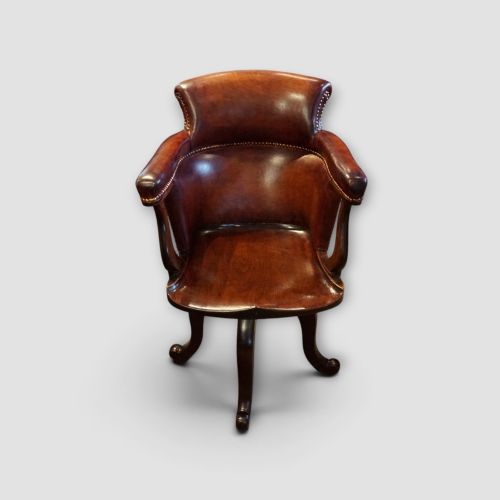
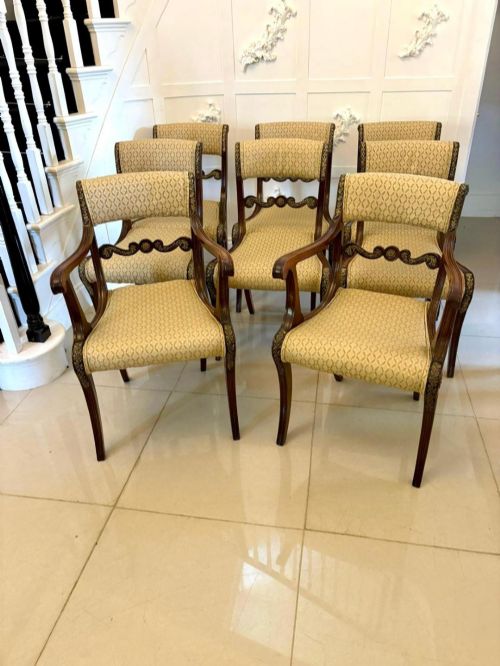
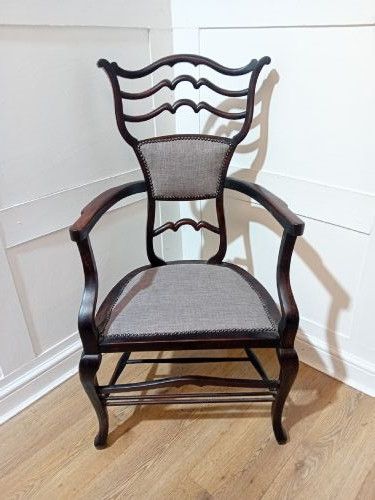
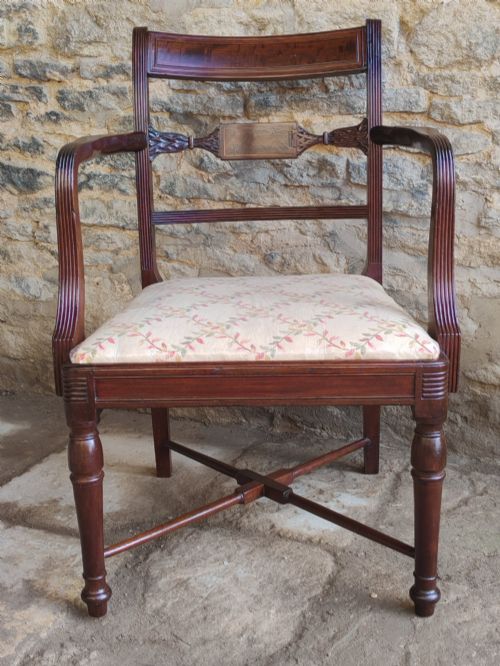
Mahogany armchairs offer robust timber frames and rich grain patterns that anchor a room with enduring presence.
Understanding mahogany armchairs
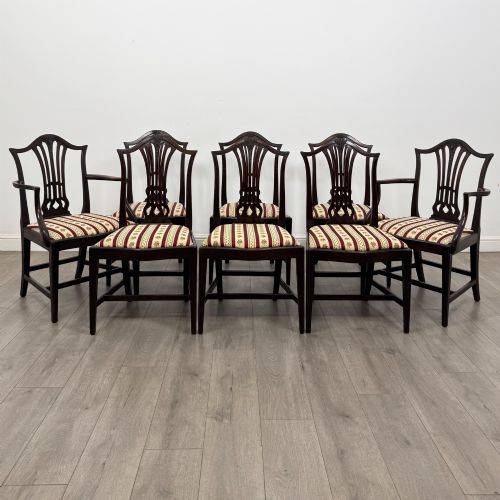
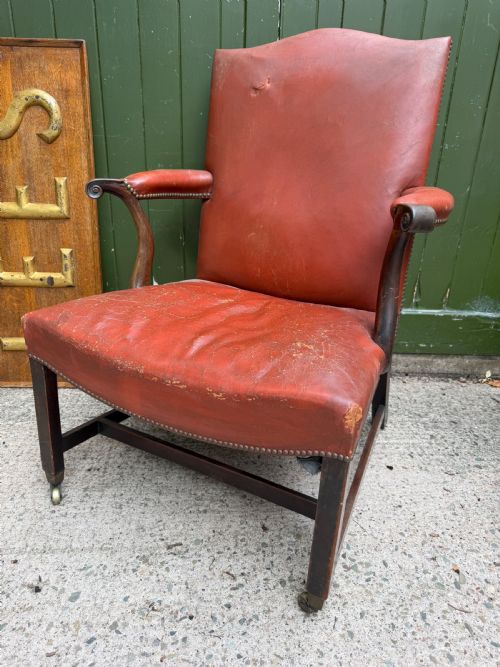
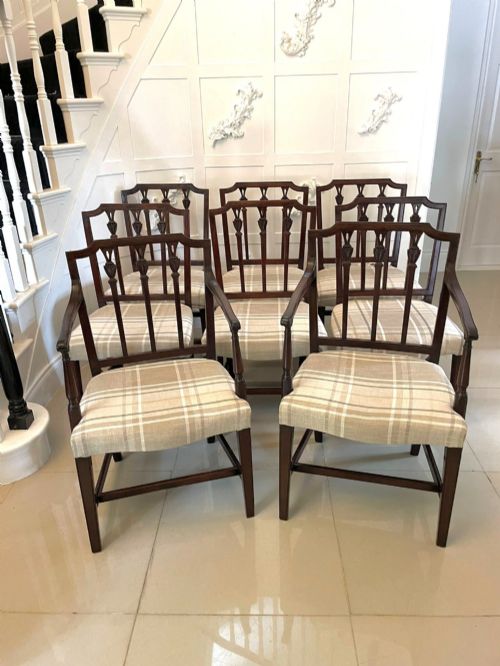
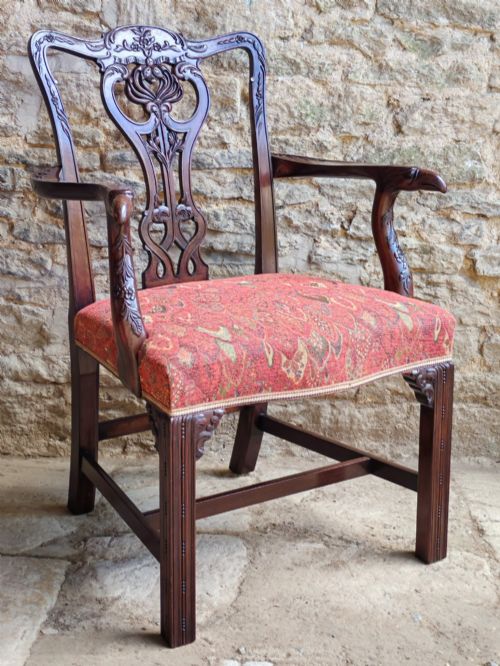
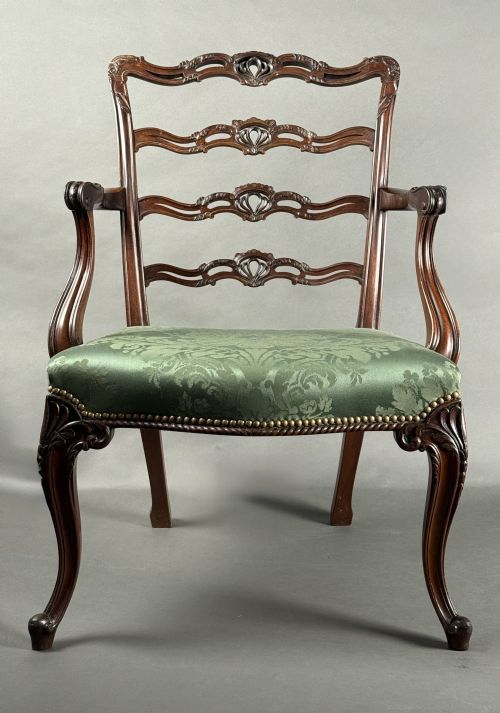
Mahogany armchairs are substantial seating pieces built primarily from tropical hardwood, encompassing everything from formal Georgian dining carvers to relaxed Edwardian salon chairs. When exploring mahogany armchairs, buyers frequently encounter matched pairs originating from the eighteenth, nineteenth, and early twentieth centuries.
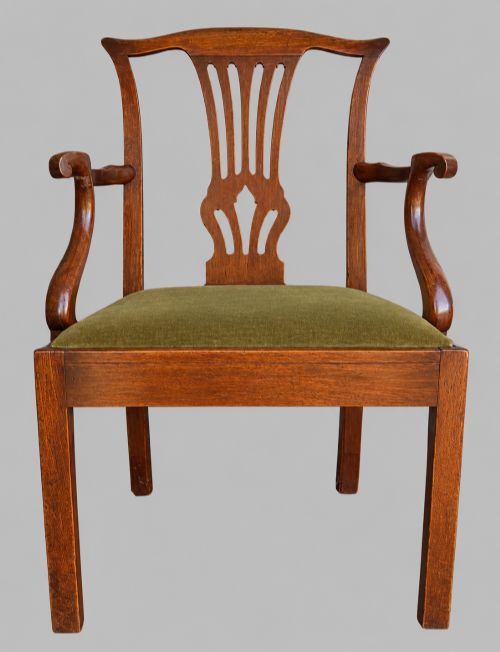
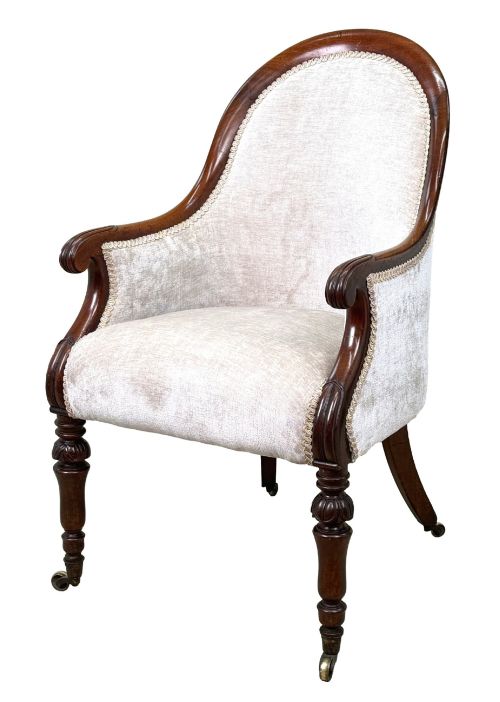
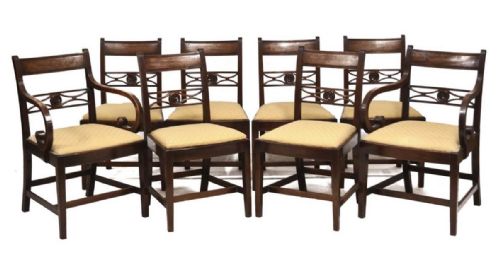
The selection ranges across distinct historical idioms, including George III Chippendale designs, Regency bar-back elbow chairs, and delicate Art Nouveau tub forms. These pieces function as reading seats, library chairs, and occasional salon furnishings within traditional and eclectic interiors.
Materials and construction
Cabinetmakers constructed the primary frames using solid mahogany, frequently incorporating secondary woods for internal bracing and structural support. Upholstery methods relied on traditional webbing, horsehair stuffing, and heavy textiles secured with iron tacks.
Surface decoration involved hand-carved details, brass inlay, satinwood stringing, and marquetry panels integrated directly into the timber frame. Professional workshops utilised traditional mortise and tenon joinery to ensure long-term stability across heavy arm supports and raked back legs.
Retail Price Guide 2026
Typical UK retail prices for mahogany armchairs, calculated from the Sellingantiques database of over a million retail prices indexed since 2003. This retail price guide relies exclusively on Sellingantiques data; no external sources or auction records are used, so the figures do not describe the wider market.
Several armchairs arrive with cane seating intact, surviving decades of quiet reading rooms.
Judging the standard of execution
Quality rests upon the crispness of hand-carving and the density of the mahogany timber selected for the show wood. Superior examples display tight, stable joints and deeply figured grain patterns that have matured with a rich, unblemished patina.
The integrity of the structural frame and the fidelity of historical revival styles separate ordinary production from exemplary craftsmanship. Original upholstery foundations and intact brass or marquetry enrichments elevate the standing of any individual piece.
The Mahogany Armchairs Glossary
- Carver chair
- An armchair designed with open sides, historically placed at the head of a dining table or utilised as an occasional seat.
- Bergère
- An enclosed upholstered armchair featuring exposed wooden framing and tight cane or woven panelwork along the sides and back.
- Marquetry
- Decorative veneer work arranged in pictorial or geometric patterns using various contrasting timbers.
- Bar-back
- A chair design featuring a horizontal curved top rail resembling the shape of a wooden yoke or bar.
Frequently Asked Questions
How do I identify a Georgian mahogany armchair?
Georgian examples typically display dense, dark mahogany timber with restrained hand-carved ornamentation, such as interlaced splats or shaped arm terminals. The proportions prioritize structural strength and formal dignity.
Inspect the undersides and joinery for signs of period hand-tooling, square pegging, and traditional finish accumulation that point away from later reproduction work.
Where should I place a mahogany armchair?
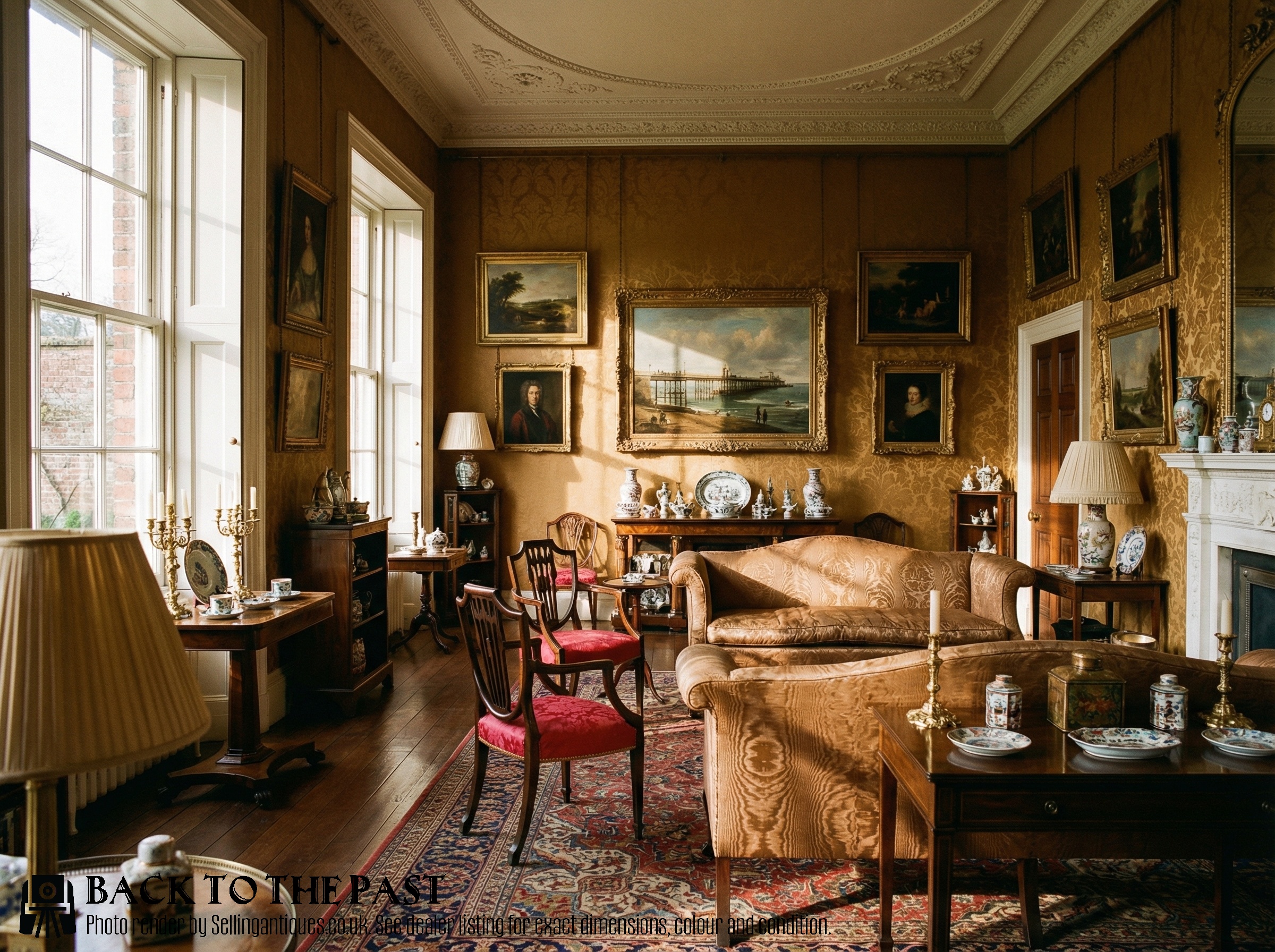
These chairs suit studies, libraries, and drawing rooms where their dark timber tones contrast against lighter walls or patterned carpets. Pair them beside reading tables or fireplaces.
Keep them away from direct heat sources and strong sunlight to prevent the timber from drying out and the upholstery fabrics from fading.
Can I use these chairs for everyday dining?
Carver chairs and open armchairs from the eighteenth and nineteenth centuries function well in dining settings if the seat height matches modern tables. Ensure the structural joints remain tight before daily use.
Consider protective loose covers or professional reupholstery using durable historical textiles if the chairs will experience heavy household traffic.
What is the difference between Edwardian and Georgian pieces?
Edwardian mahogany armchairs, dating around nineteen hundred, often revive earlier styles but incorporate lighter frames, marquetry inlay, and satinwood highlights. Georgian originals carry heavier proportions and authentic period wear.
Examine the secondary woods, internal fixings, and overall patina to distinguish between an original eighteenth-century frame and a later Edwardian interpretation.