
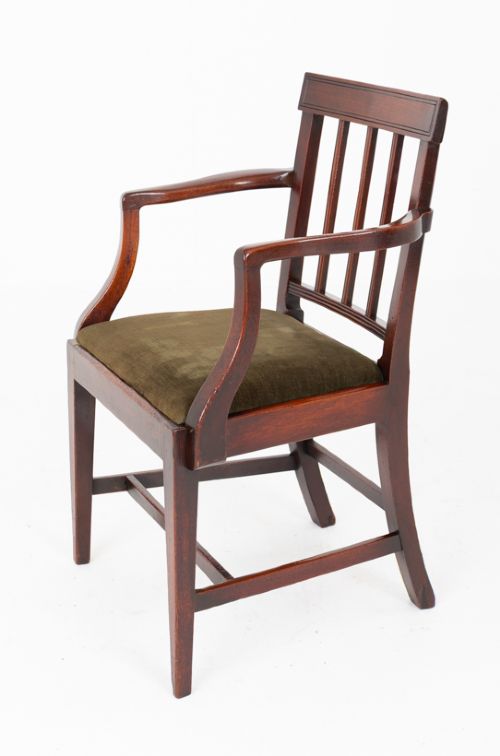
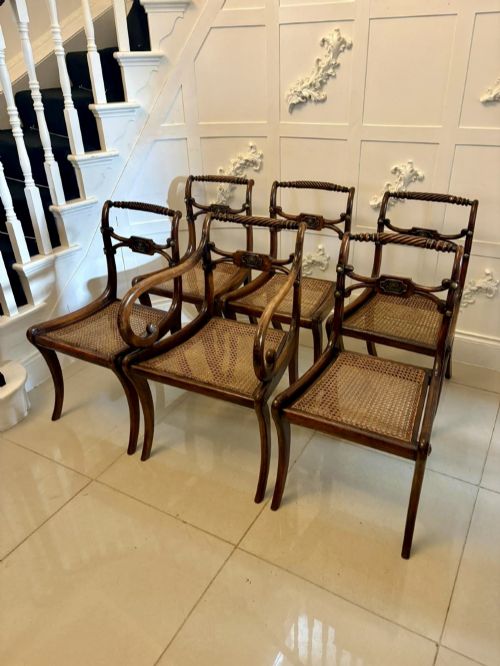
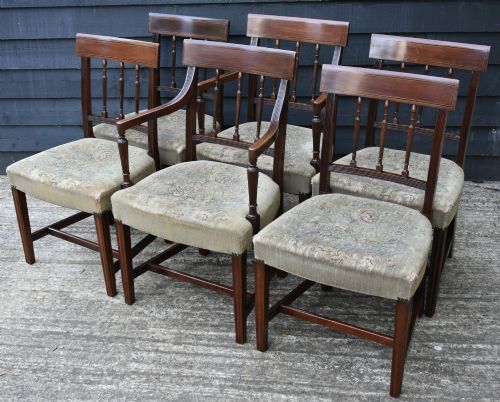
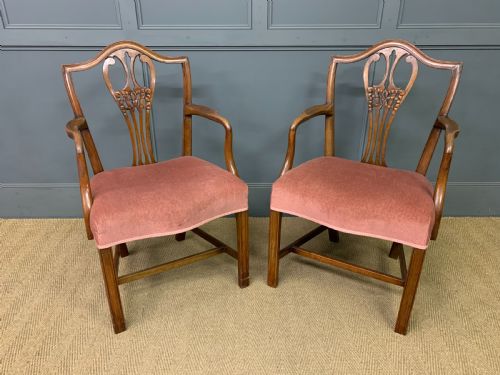
Georgian Mahogany Carvers
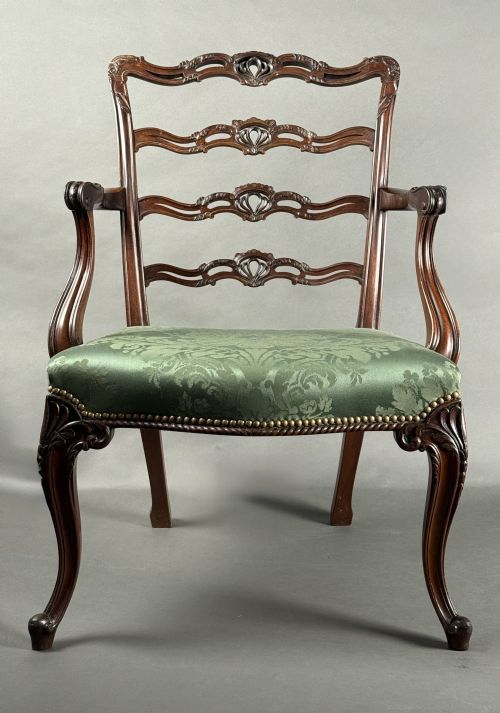
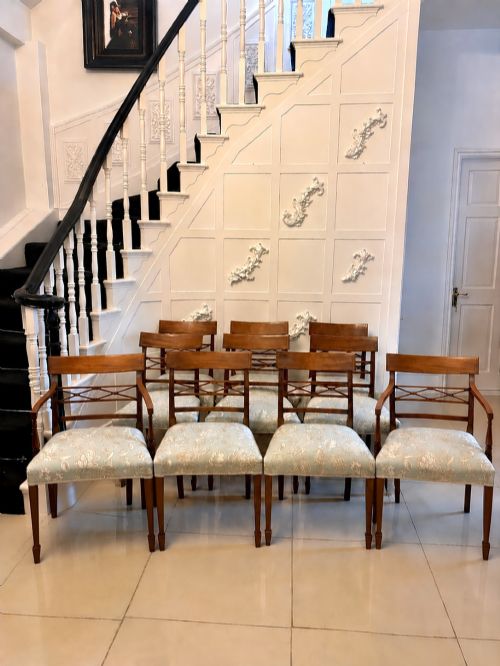
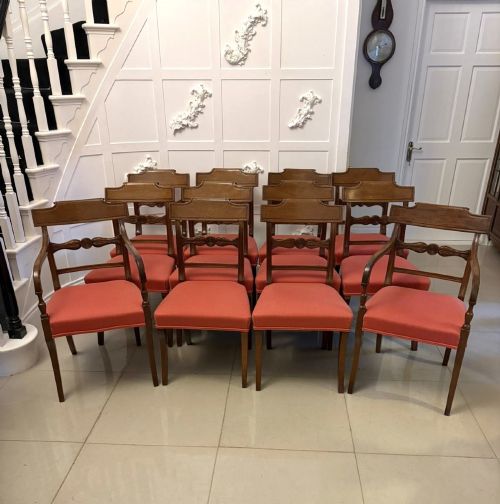
Georgian mahogany carvers bring substantial presence to a dining table through robust timber and generous arm supports.
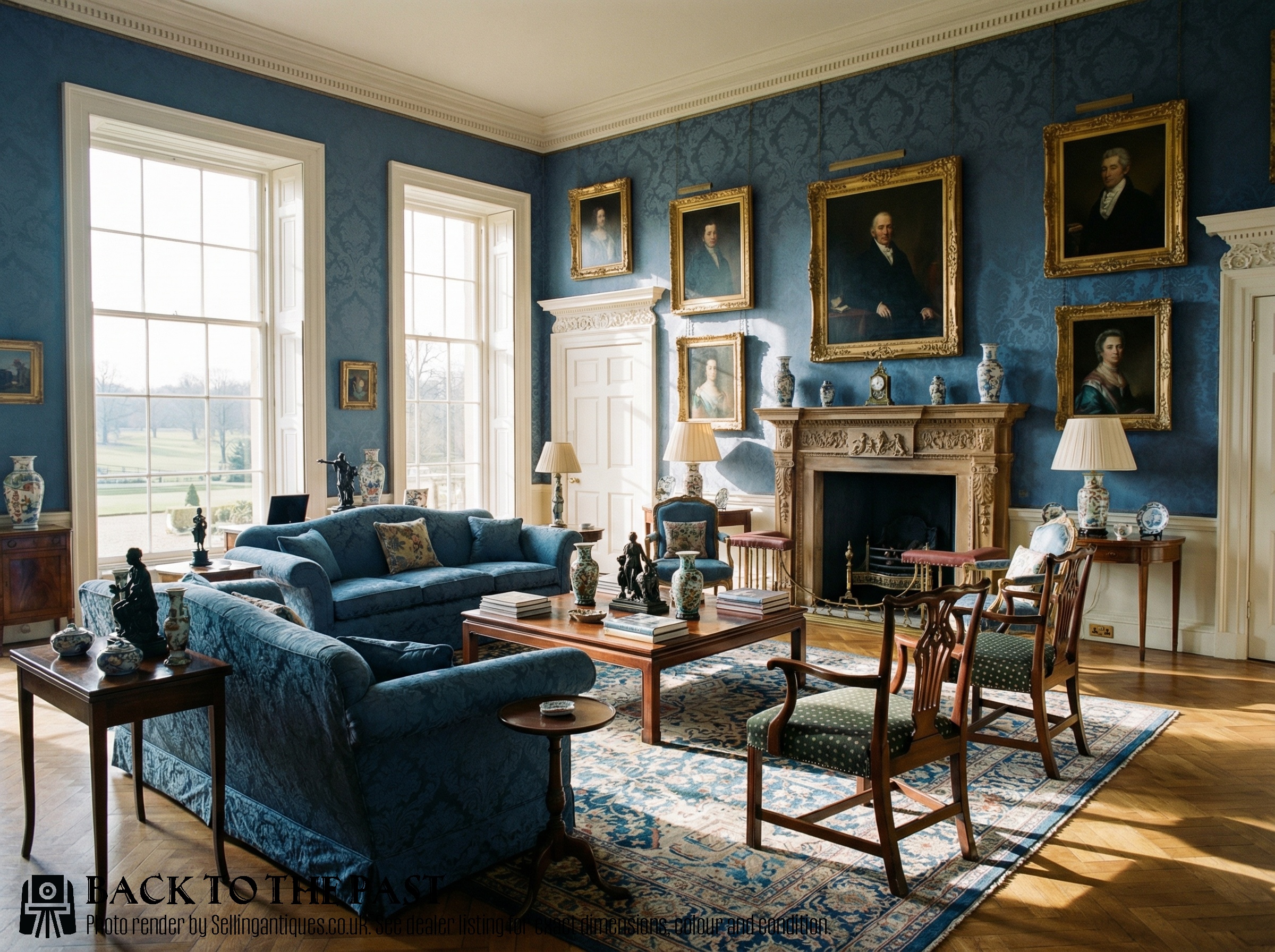
Georgian mahogany carvers
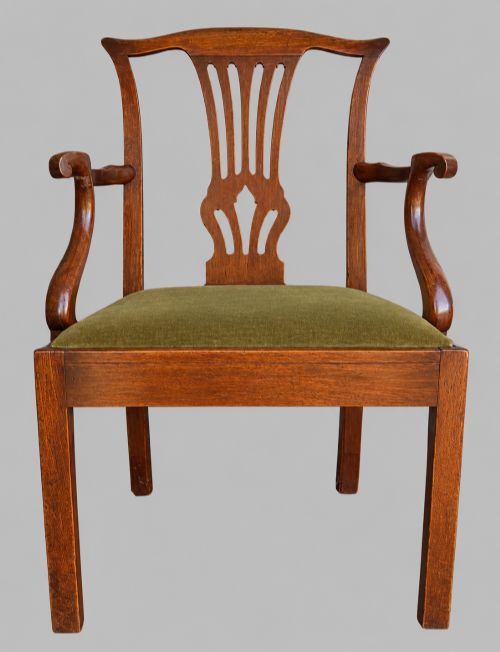
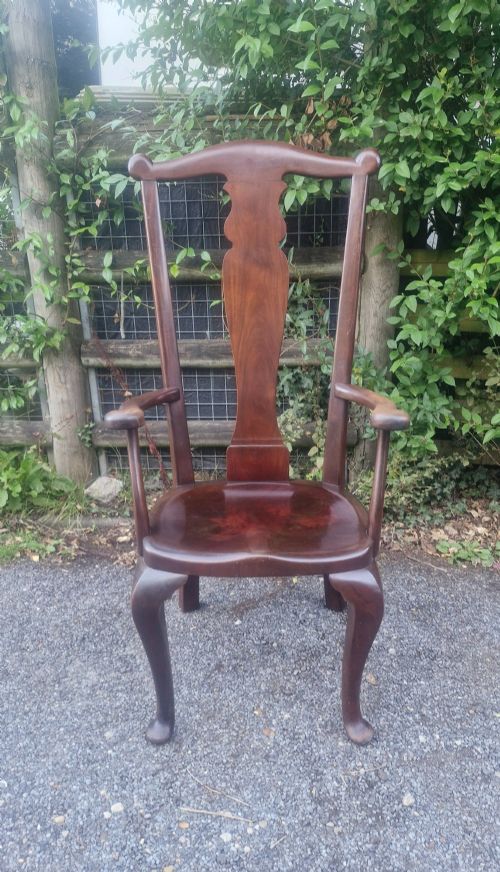
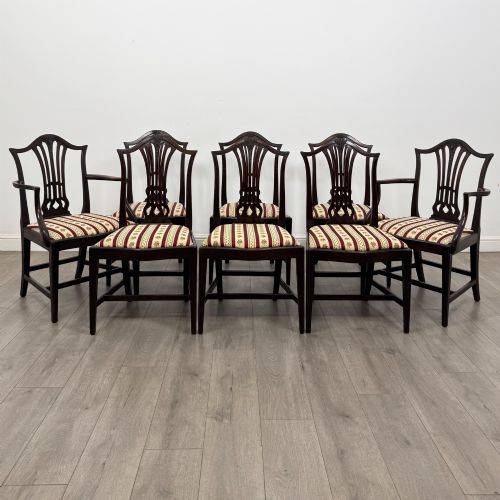
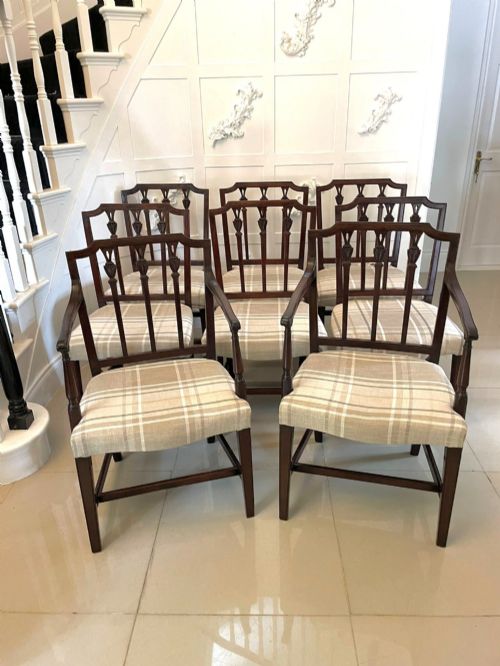
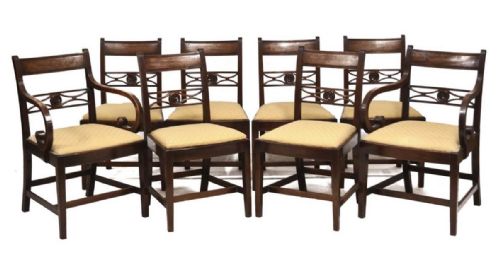
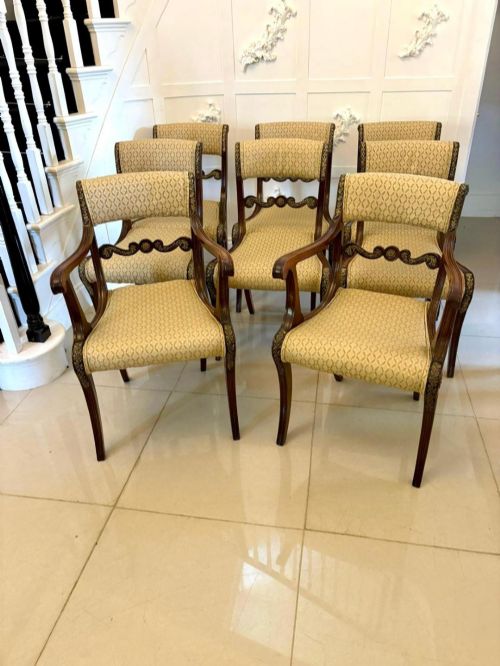
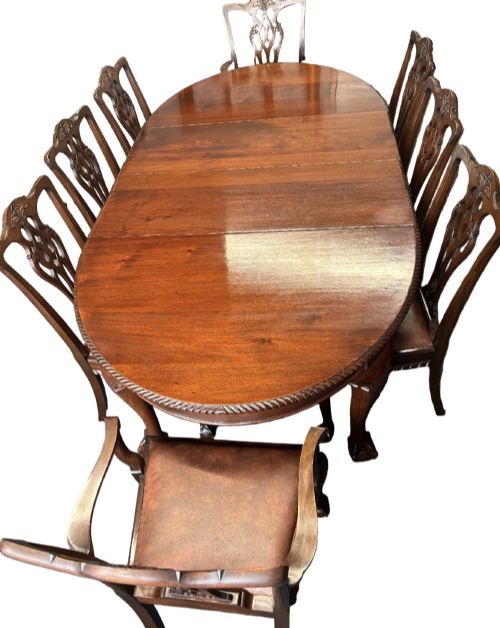
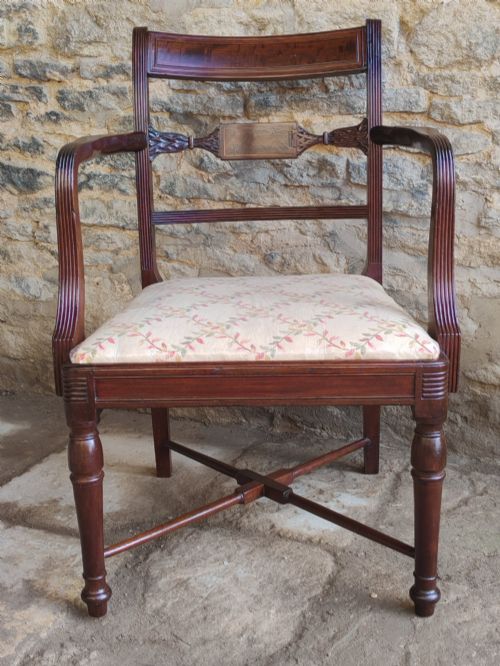
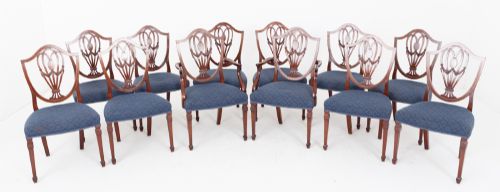
These Georgian mahogany carvers are substantial seating options designed to sit at the head and foot of a dining table, featuring supportive armrests that distinguish them from standard dining chairs. The selection spans the eighteenth century into the nineteenth century, encompassing Georgian, George III, and Regency periods alongside later revival interpretations.
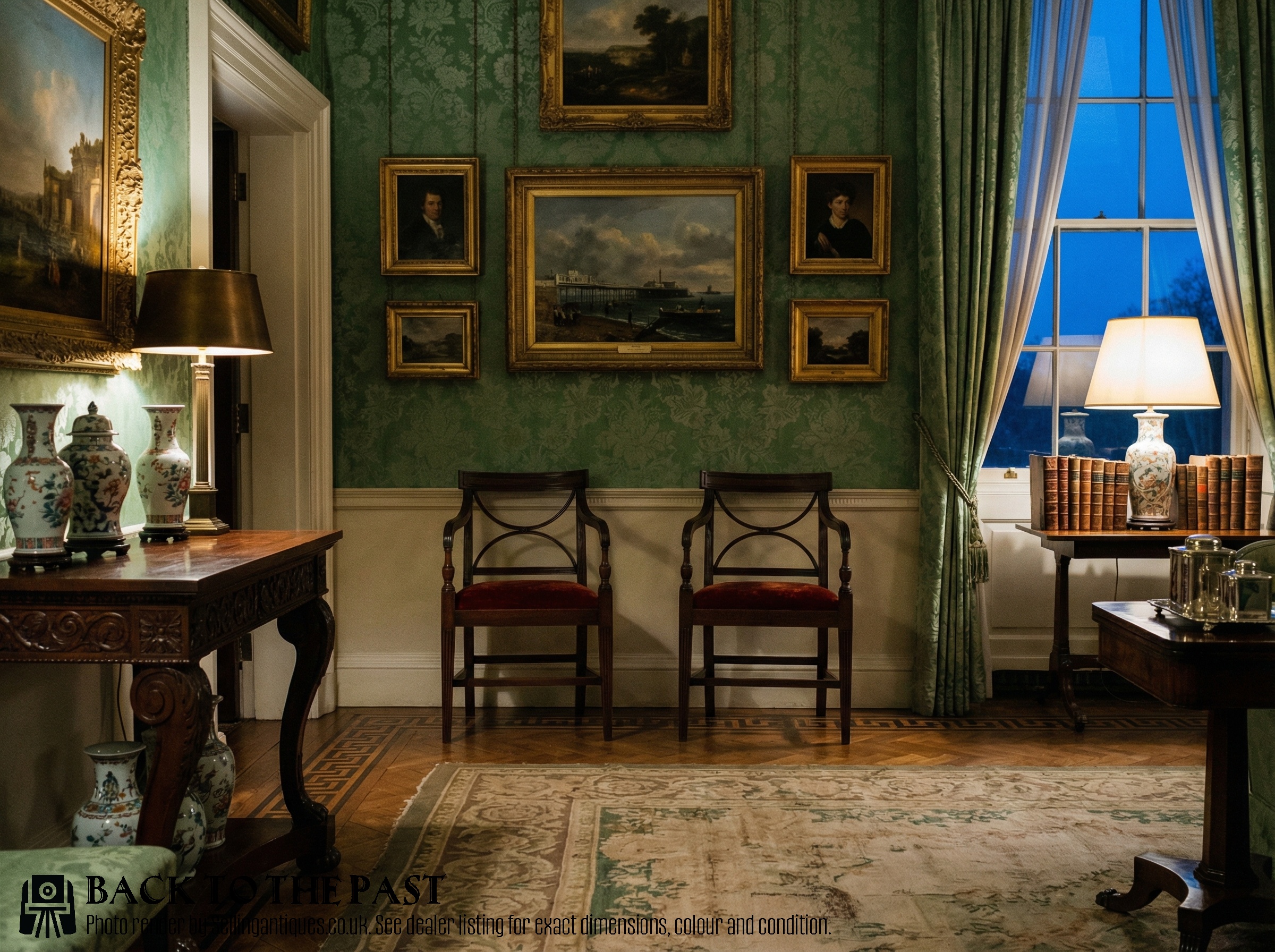
Materials and construction
Makers relied primarily on dense mahogany, turning and carving the timber to achieve structural integrity and intricate decorative motifs. Joints were typically joined using traditional woodworking techniques to ensure longevity under daily domestic use.
Upholstery elements incorporate fabric, leather, and velvet, occasionally secured with metal or brass fixings. The integration of these tactile surfaces softened the rigid architectural lines of the wooden frames.
Retail Price Guide 2026
Typical UK retail prices for georgian mahogany carvers, calculated from the Sellingantiques database of over a million retail prices indexed since 2003. This retail price guide relies exclusively on Sellingantiques data; no external sources or auction records are used, so the figures do not describe the wider market.
Armrests were thoughtfully curved so gentlemen could sit comfortably without knocking their elbows.
Assessing quality and execution
Quality rests in the crispness of the carved details and the depth of the mahogany timber grain. Superior examples exhibit fluid lines and harmonious proportions that show complete confidence from the maker.
The integrity of the original joints and the preservation of surface patination dictate the standing of a piece. Later revivals show differing interpretations of earlier styles, where the handling of the wood reveals the period of manufacture.
Waring & Gillow
The Georgian Mahogany Carvers Glossary
- Carver
- An armchair designed specifically for the head of a dining table, featuring integrated armrests. These chairs match or complement the smaller side chairs in a dining set.
- Elbow chair
- An alternative term for an armchair, referencing the supportive rests for the arms. This phrasing appears frequently in nineteenth-century records.
- Bar-back
- A chair design featuring a horizontal wooden slat across the upper backrest, often curved for comfort. This form is particularly associated with the Regency period.
- Splat
- The vertical wooden central strip down the back of a chair. Chippendale style versions frequently showcase pierced and intricately carved openwork designs.
Frequently Asked Questions
How do I date these chairs?
Dating relies on examining the timber, structural joinery, and stylistic details such as splat shapes and leg configurations. Periods range from the eighteenth century through the nineteenth century.
Comparative analysis with documented pieces helps narrow down the decade of production.
Were these used daily?
These chairs were built as functional dining furniture for domestic interiors. Their sturdy mahogany construction ensured they could withstand regular use.
Over generations, the timber develops a natural patination from handling and care.
How do I care for mahogany?
Mahogany benefits from stable room temperatures away from direct heat sources and sunlight. Gentle dusting preserves the polished finish of the timber.
Periodic application of suitable wax helps maintain the moisture and lustre of the wood.