
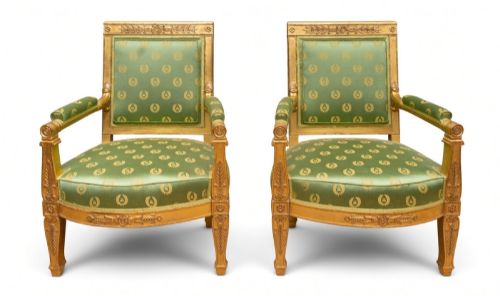
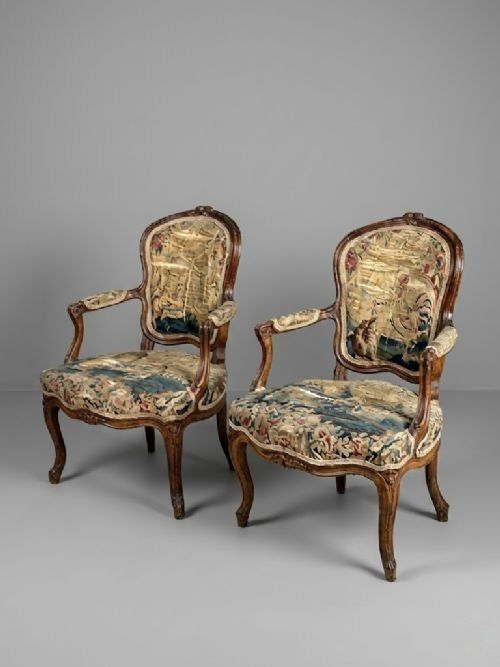
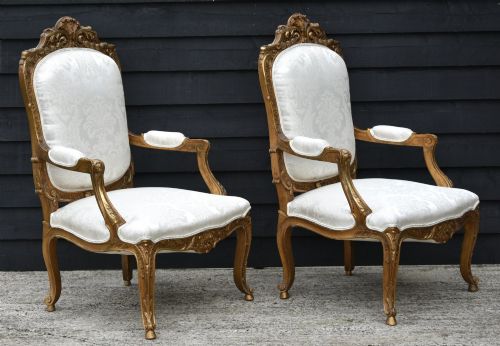
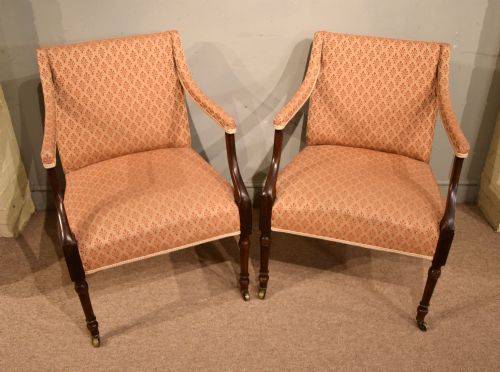
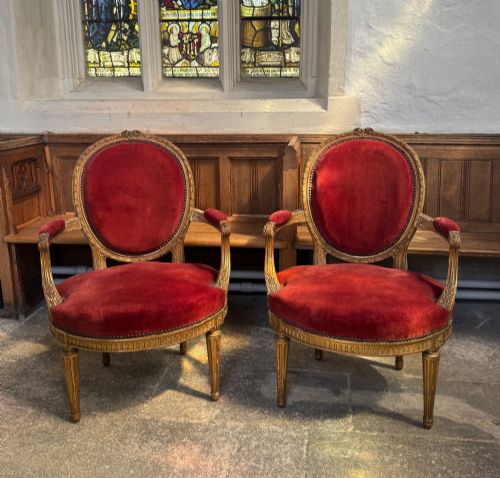
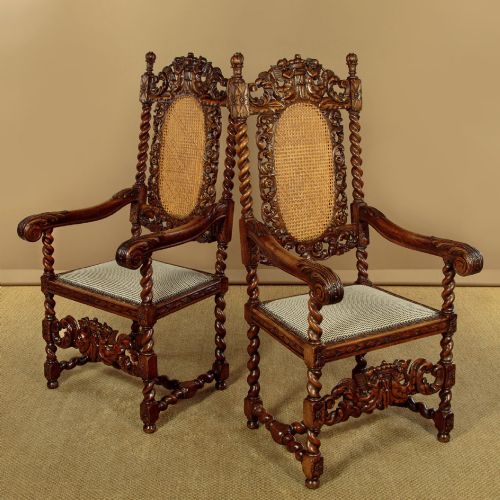
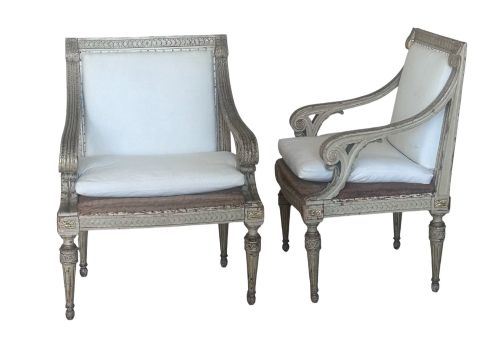
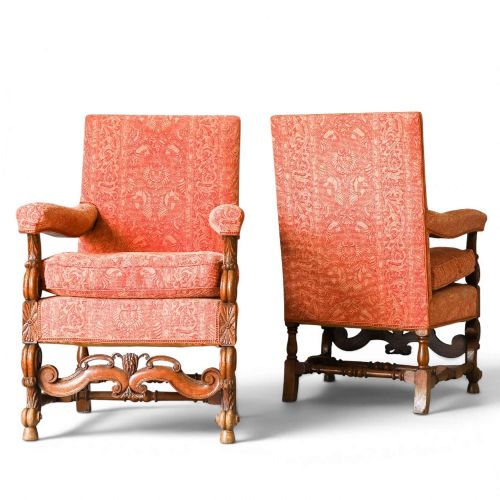
Pair Open Armchairs
Pair open armchairs bring symmetry and balance to a room, offering matched seating with exposed wooden frames and supportive arms.
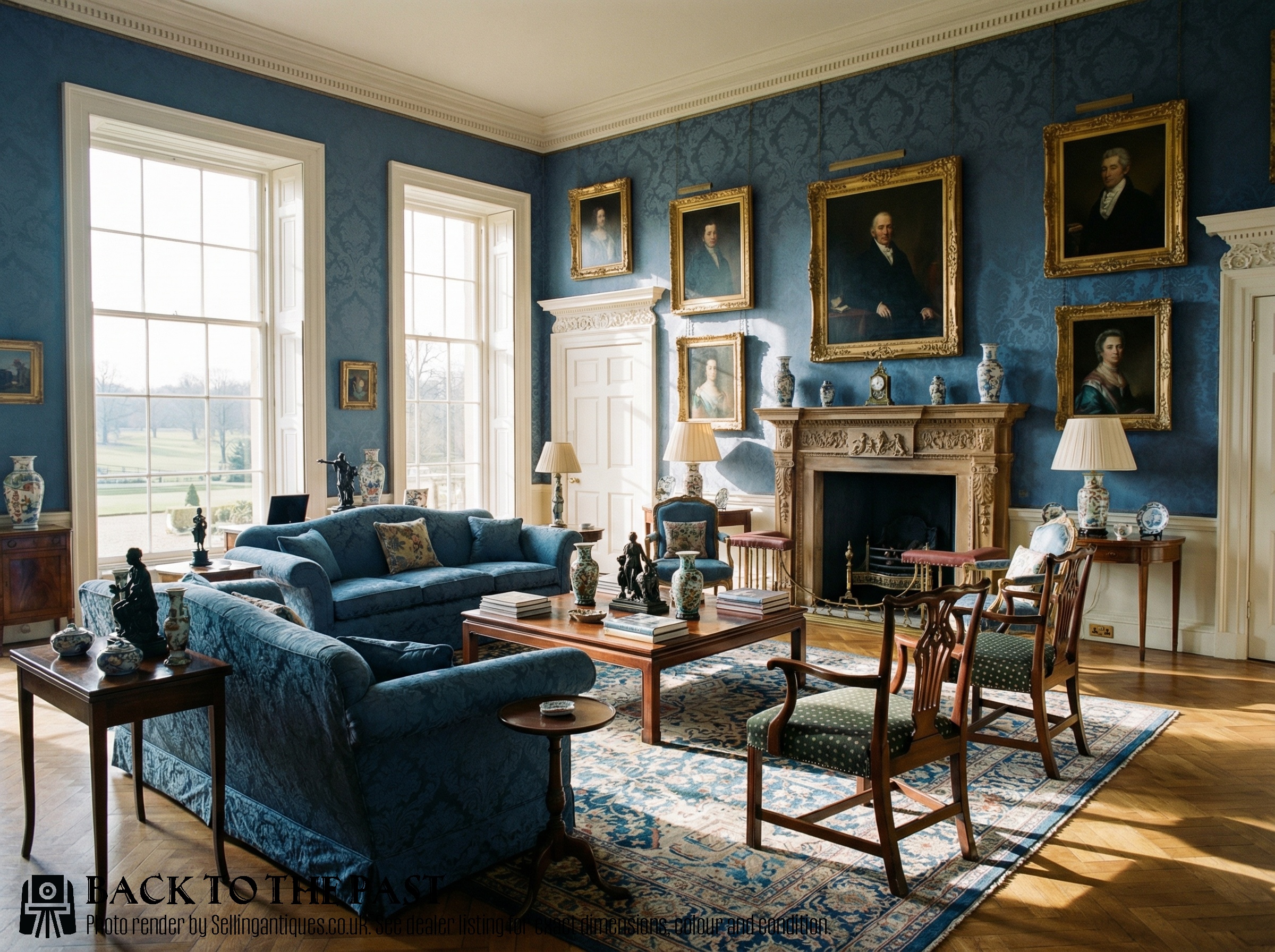
Pair open armchairs
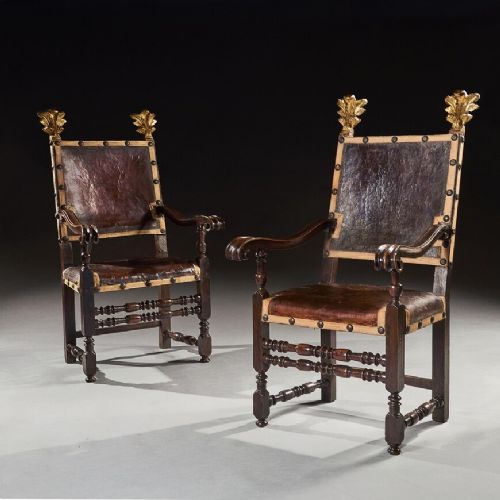
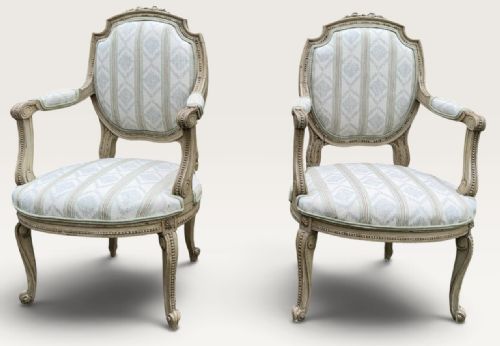
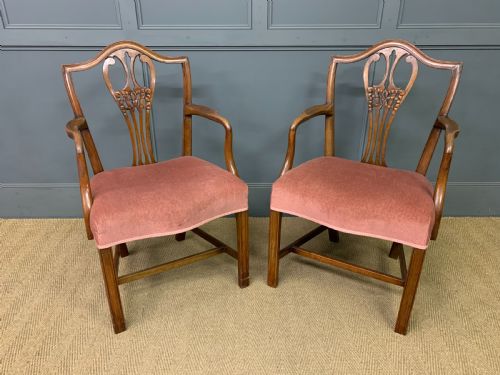
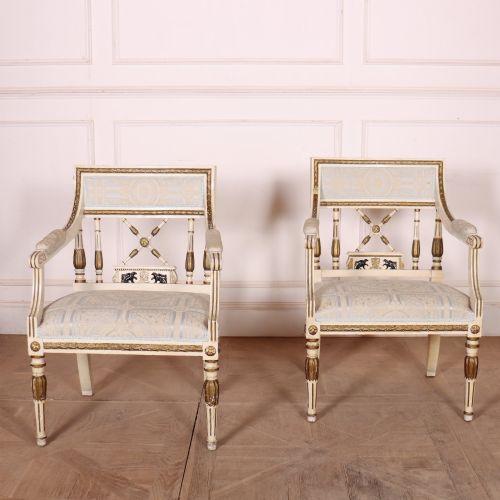
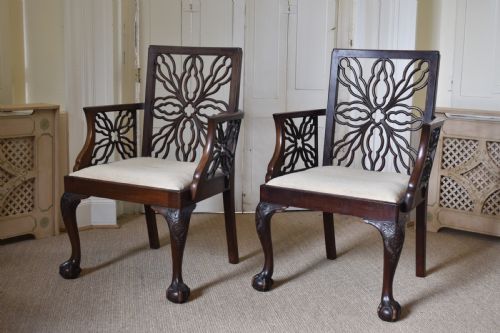
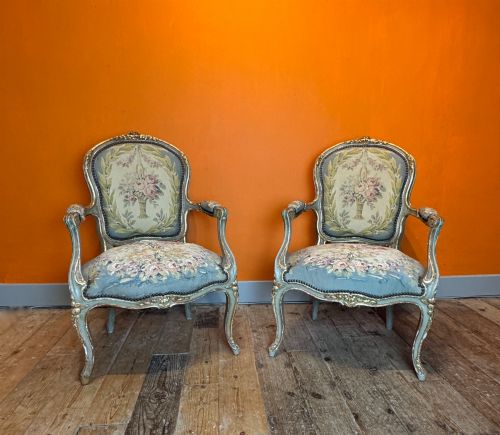
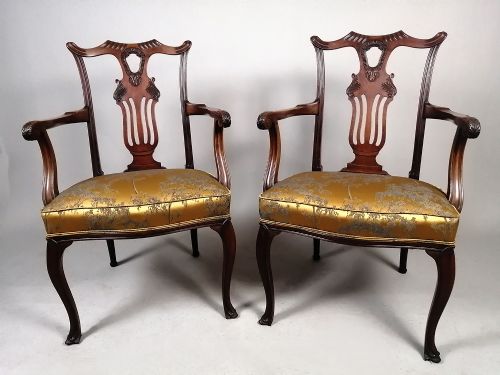
Pair open armchairs unite two matching seats designed with supportive armrests and open sides, offering a balanced seating arrangement for a drawing room or study. When searching for pair open armchairs, buyers encounter diverse forms ranging from formal George III mahogany designs to relaxed French country fruitwood models and interwar British oak pieces.
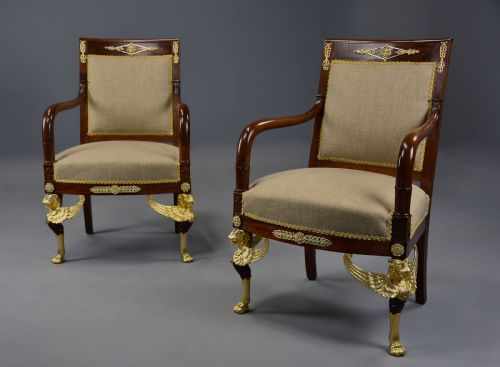
The selection encompasses numerous periods and styles, including nineteenth century Victorian walnut frames, Georgian country models, and twentieth century Swedish Empire interpretations. Buyers frequently meet mahogany and walnut constructions alongside painted wood, giltwood, and occasional chairs featuring upholstered fabric or leather pads.
Construction and Materials
Frames rely on sturdy timbers such as mahogany, oak, walnut, birch, elm, and fruitwood, shaped by cabinetmakers using traditional joinery techniques. Selected pieces feature applied giltwood or painted finishes over the wooden carcass.
Upholstery methods involve webbing, springs, and stuffing covered in various textiles, ranging from simple woven fabric to fully buttoned leather and plush velvet. Certain examples incorporate structural metal components alongside timber framing.
Retail Price Guide 2026
Typical UK retail prices for pair open armchairs, calculated from the Sellingantiques database of over a million retail prices indexed since 2003. This retail price guide relies exclusively on Sellingantiques data; no external sources or auction records are used, so the figures do not describe the wider market.
Certain antique pairs still bear discreet nineteenth-century upholsterer stamps hidden beneath the linen webbing.
Judging Quality
The distinction between standard and superior examples lies in the crispness of the timber carving and the architectural proportion of the frame. Master cabinetmakers achieved harmonious curves in the arm supports and leg structures that lesser workshops failed to balance.
Surface finish and material selection dictate the upper tier of the range, where dense, well-figured mahogany or original giltwood retain a deep patina. The integrity of the underlying joinery and the sympathetic execution of historical restorations define the lasting merit of each seat.
Howard and Sons·Holland and Sons·Heals·Gordon Russell
The Pair Open Armchairs Glossary
- Carver
- An armchair, often dining height, featuring open wooden arms designed to match a set of side chairs.
- Giltwood
- Timber coated with fine gold leaf applied over a prepared gesso ground, common on decorative neoclassical frames.
- Gainsborough armchair
- A wide, upholstered low-slung seat with padded arms and exposed mahogany legs, popular during the eighteenth century.
- Cockpen
- A lattice-backed chair style inspired by Chinese export designs, featuring open wooden framework.
- Lowback
- An armchair profile with a reduced backrest height, common in early walnut seating.
Frequently Asked Questions
How do I style pair open armchairs?
Place them symmetrically flanking a fireplace or beneath a large mirror to create a formal focal point in a reception room. Alternatively, position them opposite a sofa to establish a balanced conversation area.
Ensure adequate space around the open arms so the timber framing remains visible and uncrowded by surrounding furniture. Pairing them with a central low table ties the two seats together visually.
Where were pair open armchairs used?
These seats traditionally occupied principal reception rooms, drawing rooms, and libraries in substantial houses and country residences. They provided comfortable yet formal seating for reading or social gathering.
Dining rooms also accommodated them at the heads of tables, where carvers offered added comfort during lengthy meals.
How do I identify a Georgian pair?
Examine the timber for dense, rich mahogany with a dark, natural patina developed over centuries of handling. Look for classical proportions, restrained carving such as wheatears or fluting, and sturdy cabriole or straight legs.
Construction details like hand-cut tenon joints and heavy secondary timbers inside the seat frame further indicate eighteenth-century origin.
Are matched pairs common?
Many surviving sets began as larger suites of furniture or dining sets that were subsequently separated into pairs over time. True pairs made concurrently share identical dimensions, timber grain patterns, and workshop tool marks.
Slight variations in wear or minor dimensional differences usually indicate a marriage of two similar individual chairs gathered together later.