

Floral Upholstered Armchairs
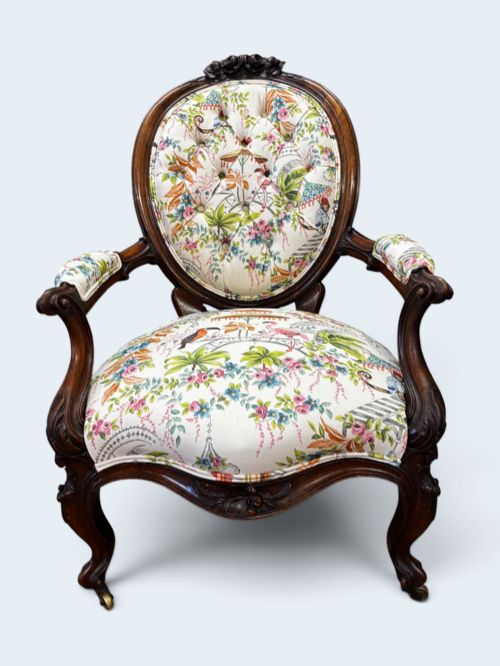
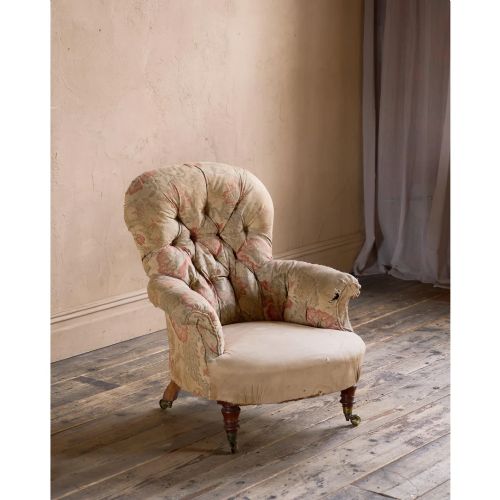
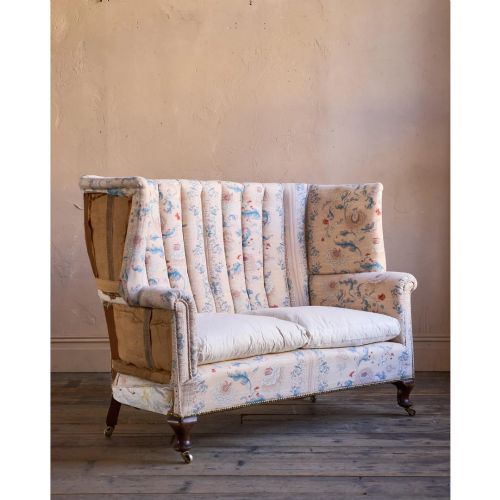
Floral upholstered armchairs combine traditional woodwork with patterned fabric, offering a comfortable seat for any room.
What floral upholstered armchairs are
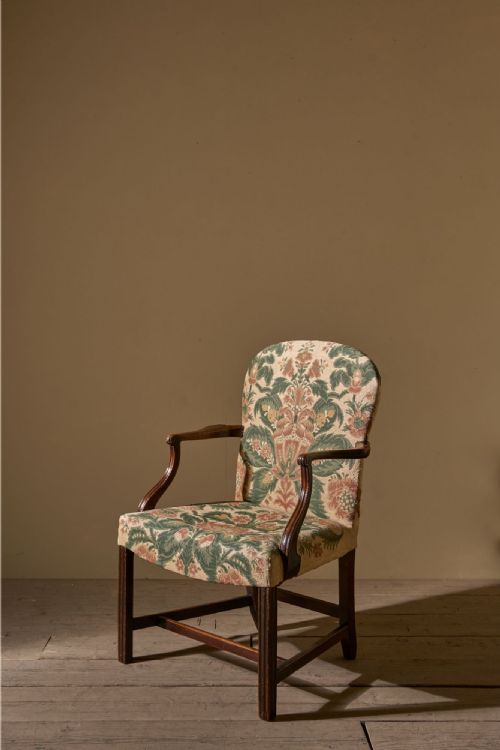
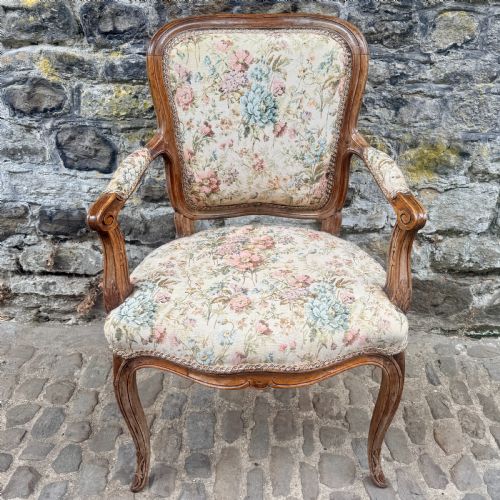
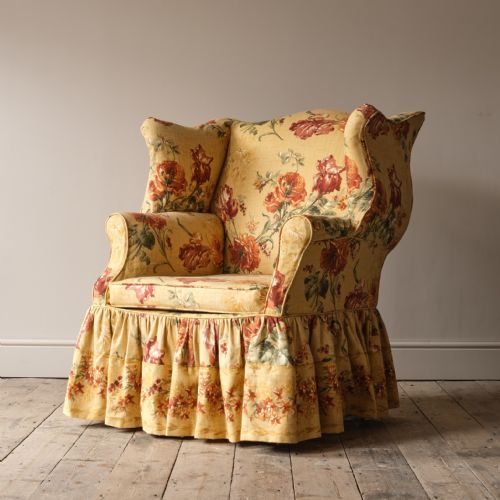
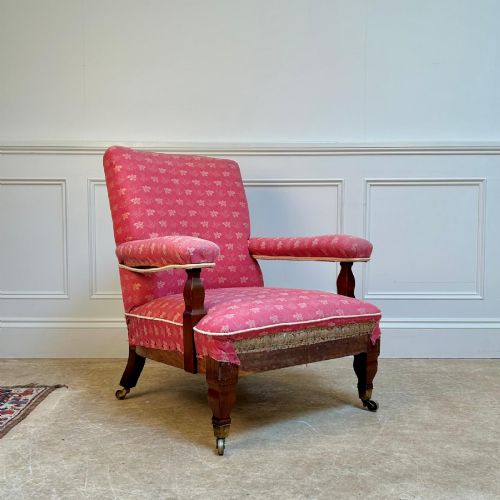
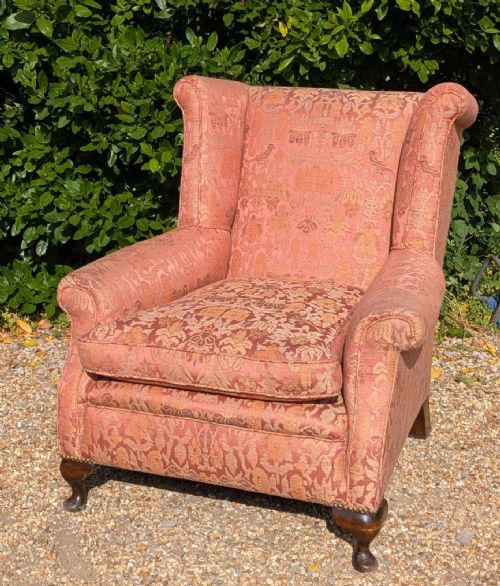
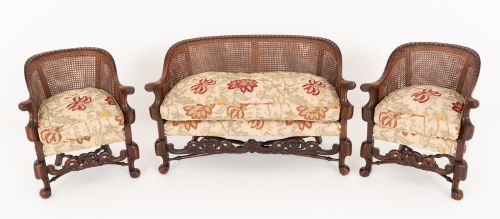
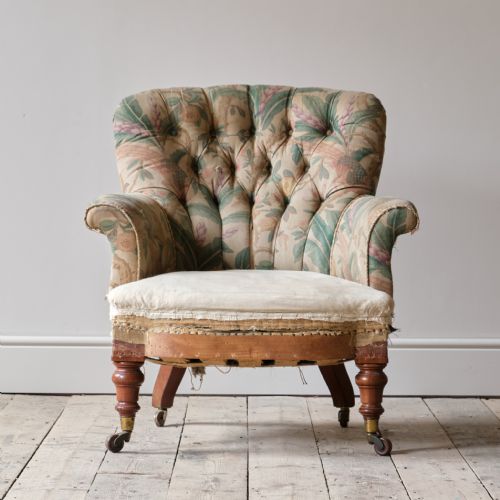
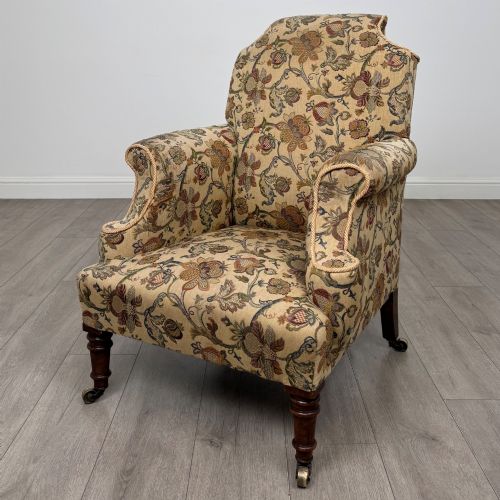
Floral upholstered armchairs encompass seating pieces dressed in patterned textile covers, spanning periods from the nineteenth century to the interwar years. These items frequently appear as pairs or larger sets, providing matched seating options for traditional interiors.
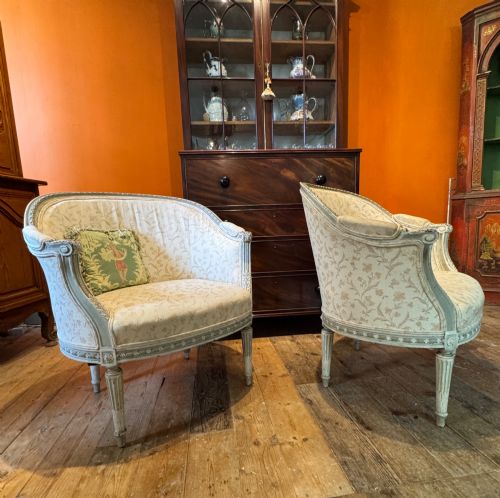
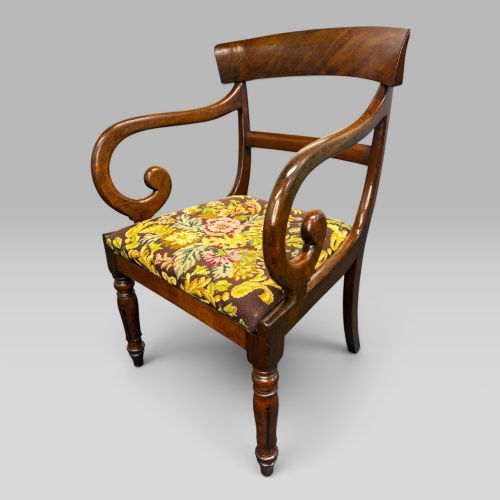
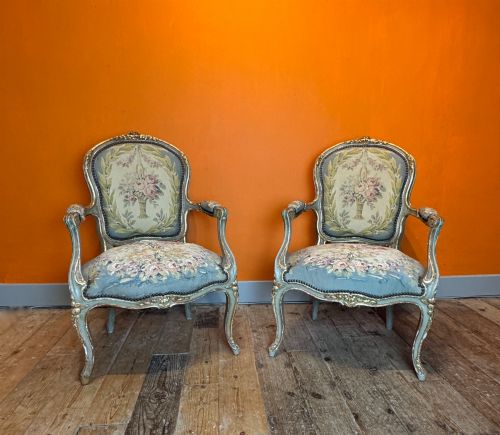
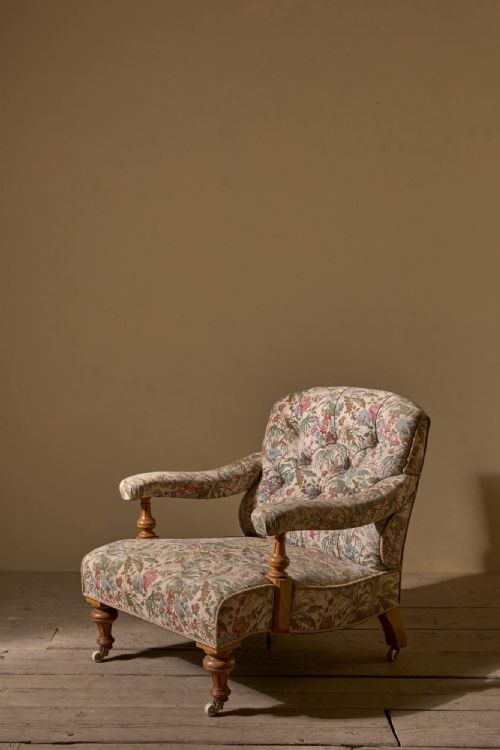
The selection includes oak frames from the nineteen-thirties and Edwardian era, alongside Victorian examples featuring crewelwork embroidery. Buyers also encounter painted French provincial pieces and nineteenth-century inlaid mahogany designs.
Makers from the nineteenth century onward utilised sturdy hardwoods like oak and mahogany to support padded seating. These armchairs bridge decorative textile arts and functional furniture history.
How they were made
Craftsmen shaped frames from oak, mahogany, and painted hardwood, occasionally employing inlay or ebonised decoration to enhance the exposed wooden structures. These solid frames provide the structural skeleton required to support interior padding and exterior textile covers.
Upholstery involves applying padded materials beneath decorative top layers, which include cotton, linen blend, wool embroidery, and crewelwork. Skilled needlework and textile placement define the decorative face of these armchairs.
Retail Price Guide 2026
Typical UK retail prices for floral upholstered armchairs, calculated from the Sellingantiques database of over a million retail prices indexed since 2003. This retail price guide relies exclusively on Sellingantiques data; no external sources or auction records are used, so the figures do not describe the wider market.
Materials recorded across the inventory include oak, mahogany, painted hardwood, cotton upholstery, linen blend, and wool embroidery.
What varies in quality
Quality differences emerge in the execution of the woodwork, ranging from simple painted hardwood to finely inlaid mahogany or robust carved oak frames. The complexity of the frame construction and the condition of the exposed timber set individual examples apart.
The sophistication of the textile covering dictates the visual merit of each piece, distinguishing simple cotton or linen upholstery from intricate wool embroidery and crewelwork. Hand-stitched needlework demonstrates a higher level of artisan investment.
The Floral Upholstered Armchairs Glossary
- Crewelwork
- Embroidery executed with wool yarn on a fine linen or cotton twill ground. This technique creates textured floral and foliate motifs seen on period upholstery.
- Ebonised
- Wood treated with a dark stain or finish to imitate ebony. This dark surface finish provides a striking contrast against lighter decorative elements.
- Inlaid
- Woodwork decorated by embedding contrasting strips of timber into the primary surface. This technique creates geometric or floral patterns within mahogany frames.
- Occasional armchair
- A light, movable seating piece designed for specific moments rather than heavy daily lounging. These chairs often feature compact proportions suitable for secondary rooms.
Frequently Asked Questions
What periods do these armchairs come from?
The selection spans from the nineteenth century through the Edwardian era and into the interwar period of the nineteen-thirties. Pieces reflect the prevailing tastes of their respective decades.
Buyers will find Victorian, Edwardian, and earlier nineteenth-century examples alongside later twentieth-century iterations.
What woods are used in the frames?
Makers utilised traditional hardwoods including oak and mahogany for structural durability and decorative potential. Some pieces also feature painted hardwood surfaces.
Selection depends on the specific stylistic tradition, from inlaid mahogany to robust oak framing.
Are these chairs sold individually?
Many examples appear as pairs, offering matched seating for a room or fireplace setting. Larger groups, such as sets of four elbow chairs, also feature in the selection.
Single occasional chairs occasionally appear alongside these paired configurations.
What kinds of fabric cover the seats?
Textiles range from standard cotton and linen blends to elaborate wool embroidery and crewelwork. These fabrics display the floral patterns characteristic of the style.
Needlework details distinguish more decorative examples from simpler upholstered finishes.