
High Back Wing Chair
A high back wing chair offers substantial draft-excluding upholstery and deep seat comfort, making it a fireside anchor for traditional rooms.
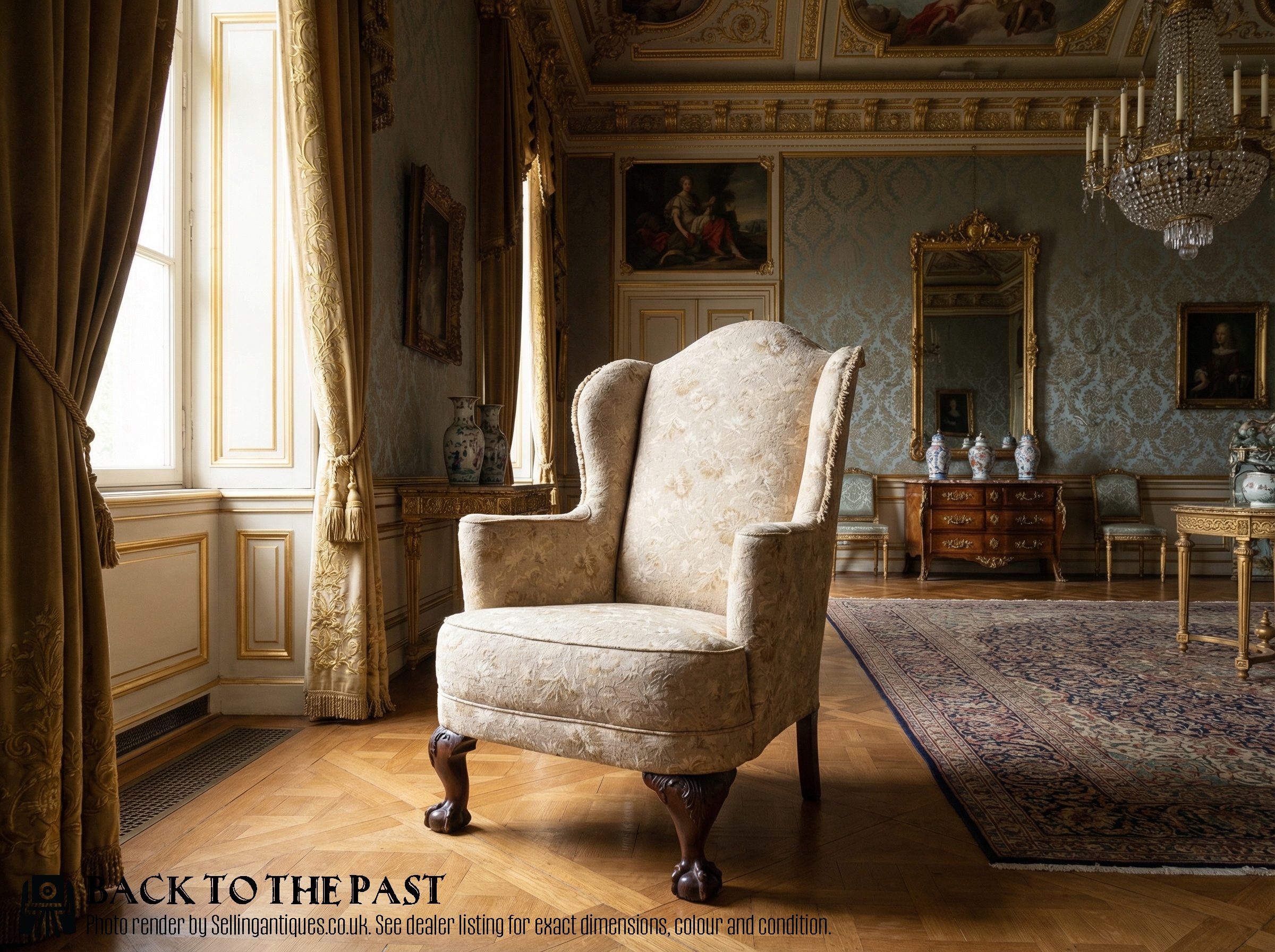
High Back Wing Chair
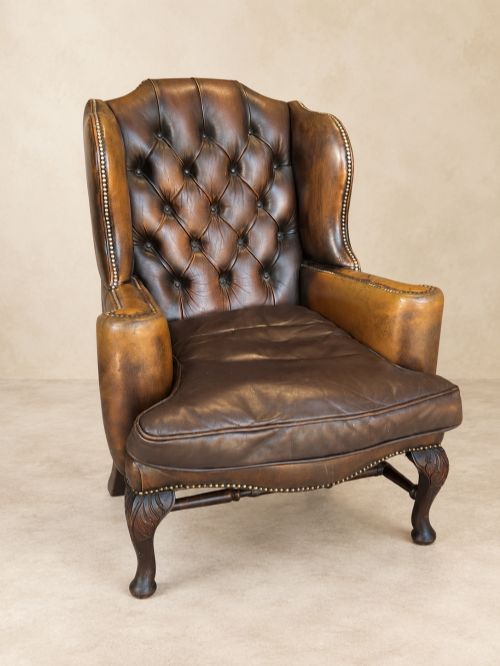
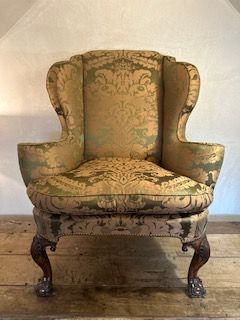
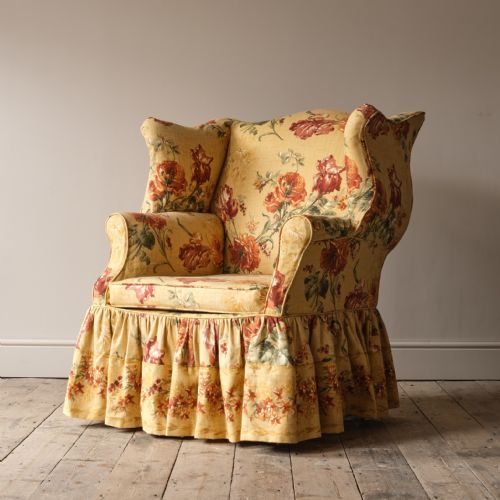
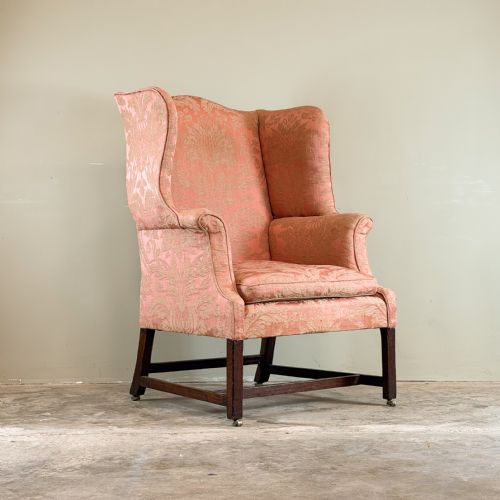
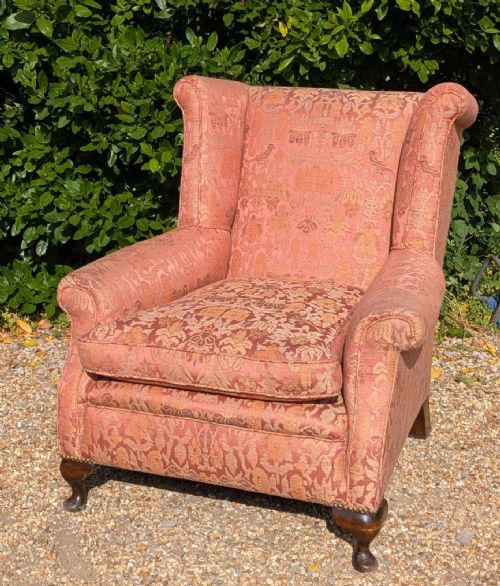
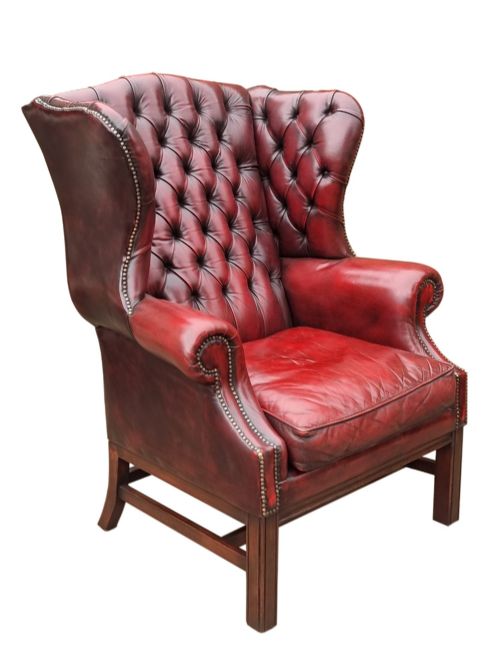
A high back wing chair is an upholstered fireside seat designed with sheltering side panels on the upper back to trap heat and block drafts. When you search for this phrase, you find armchairs originating from the eighteenth century onward, alongside revival pieces from later eras.
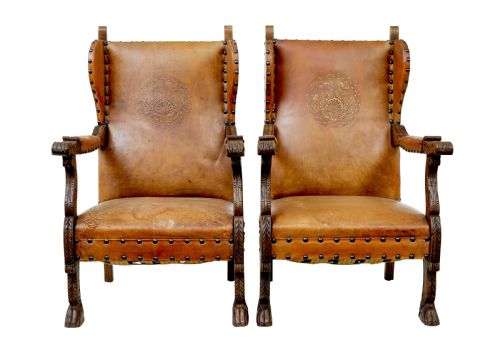
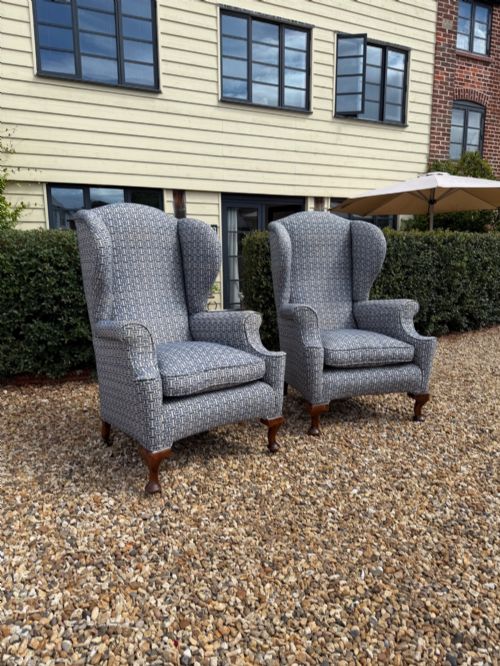
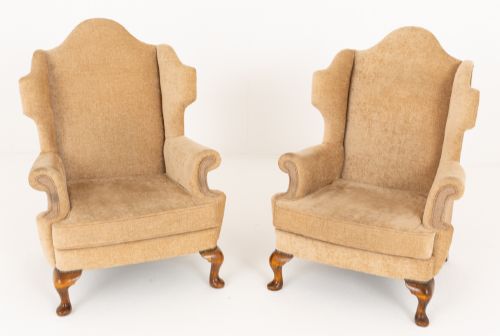
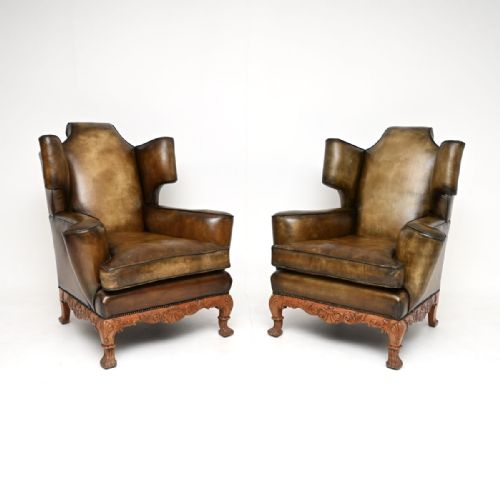
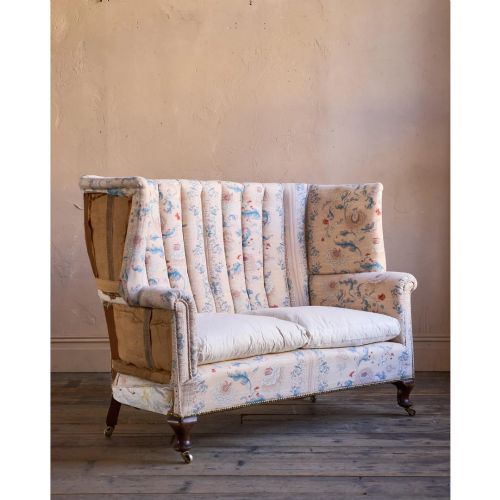
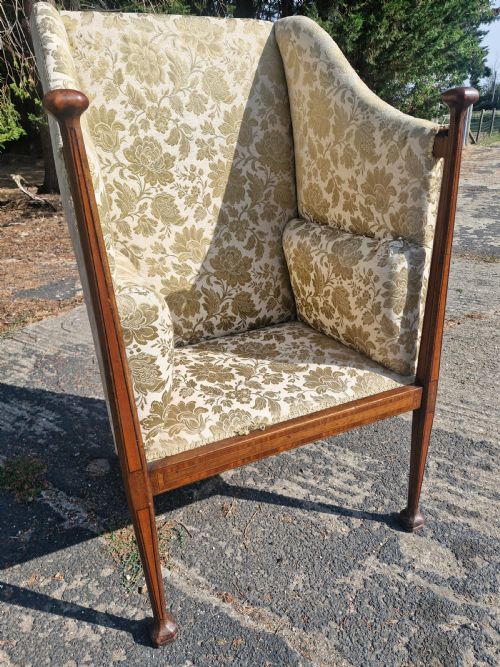
The selections available here span Georgian originals through to Edwardian and later twentieth-century iterations, including both mahogany and walnut frames alongside oak interpretations. Alongside standard armchairs, you encounter occasional pairs, generous proportions, and barrel-backed variants.
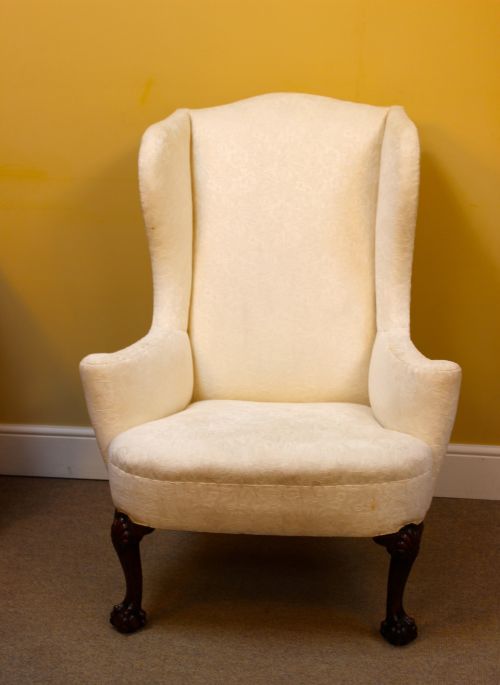
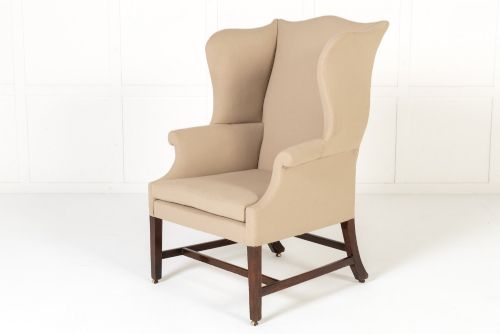
Most examples you meet on this page date from the nineteenth century or reflect Georgian styles produced in subsequent decades. They appear in diverse coverings ranging from traditional leather and wool plaid to calico ready for bespoke re-upholstery.
How they were made
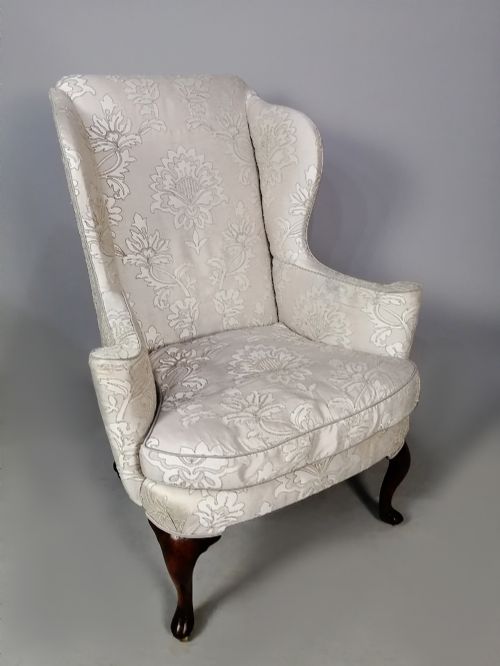
Makers constructed the structural frames of a high back wing chair using sturdy timbers such as mahogany, walnut, oak, and general wood or timber. These frames were frequently supported by brass details and shaped on legs ranging from cabriole forms to straight supports.
Upholstery techniques relied on deep stuffing materials and supportive fillings, occasionally including feather-filled cushions. The exterior finishes utilised tactile textiles like velvet, chenille twill, leather, and patterned plaid fabric.
High Back Wing Chair Retail Price Guide 2026
Typical asking prices for high back wing chair among the pieces listed under this phrase on Sellingantiques today, from the lower quarter to the upper quarter. They describe what is for sale here now, not the wider market.
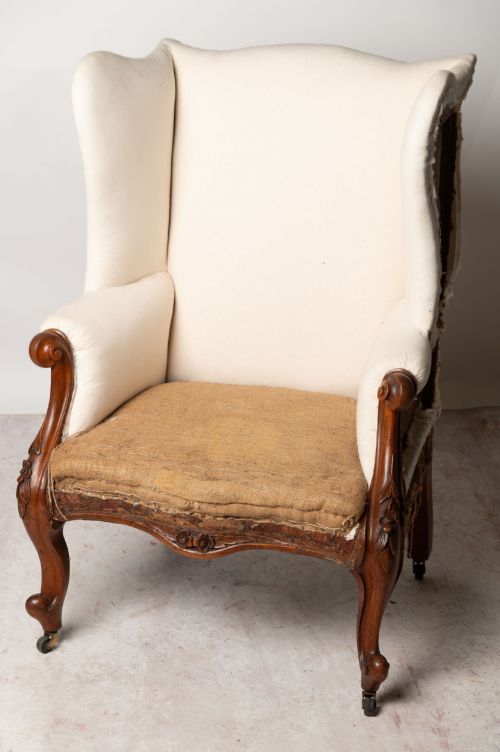
Several armchairs arrive completely unclad in plain calico, quietly waiting for someone to give them a personality.
What varies in quality
The distinction between ordinary and superior examples lies in the integrity of the timber frame and the balance of the proportions. Original eighteenth-century or specific period pieces display refined joinery and carved details on the legs, whereas later revival versions vary in their adherence to classical lines.
The handling of the wings and the rake of the back dictate the visual presence of the chair. High-grade pieces maintain crisp lines in the upholstery profile and utilise enduring materials like full-grain leather or dense woven textiles.
Howard And Sons·Whytock And Reid
The High Back Wing Chair Glossary
- Cabriole leg
- A furniture leg that curves outward at the knee and tapers inward to an ankle, frequently seen on Georgian and revival seating. This form echoes animal limbs and appeared widely on eighteenth-century furniture.
- Barrel back
- An armchair design where the tall back curves continuously around into enclosed arms, creating a protective enclosure. This form provides exceptional warmth and privacy.
- Fireside chair
- A seating form historically placed near a hearth to utilise the protective wing panels against drafts. These chairs prioritize height and enclosed upholstery.
- Re-upholstery
- The process of stripping an antique chair down to its webbing and frame to apply new stuffing and fabric. Many period pieces are sold in this state to allow bespoke interior matching.
High Back Wing Chair: Frequently Asked Questions
What is a high back wing chair?
A high back wing chair is an upholstered armchair featuring projecting side panels designed to trap heat and block room draughts around the head and shoulders.
Originally developed for fireside use in large historic rooms, these seats combine deep padding with a tall supportive backrest.
How old are these chairs usually?
The examples on this page range from authentic eighteenth-century Georgian pieces to nineteenth-century interpretations and early twentieth-century revival designs.
Stylistic markers such as leg shape, timber choice, and frame construction help distinguish original period pieces from later country house reproductions.
Why do some chairs need re-upholstery?
Older frames occasionally retain worn historic coverings or lack modern interior padding, leading dealers to offer them ready for fresh fabric.
This allows a buyer to select bespoke textiles, ranging from traditional leather to patterned wool, that suit their specific interior scheme.
What woods were used for the frames?
Cabinetmakers primarily built the structural framework using dense hardwoods like mahogany, walnut, and oak.
These durable timbers supported the heavy tension of the upholstered wings and the downward pressure of deep seat stuffing.