
Antique Style Wing Chair
When choosing an antique style wing chair, you select a piece defined by protective side panels and deep upholstery, developed to shield sitters from draughts.
Antique Style Wing Chair
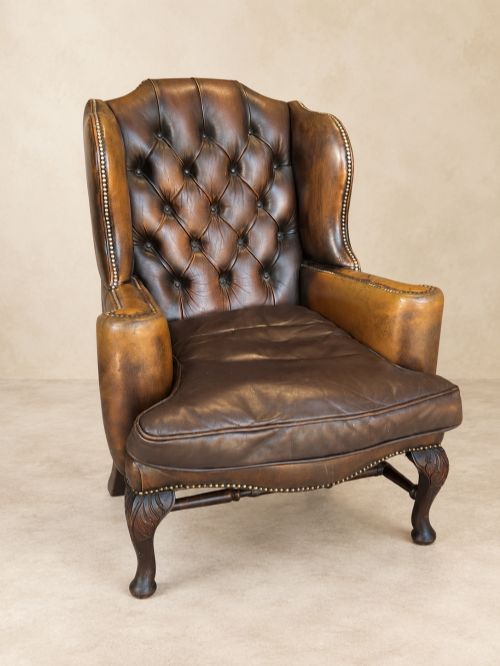
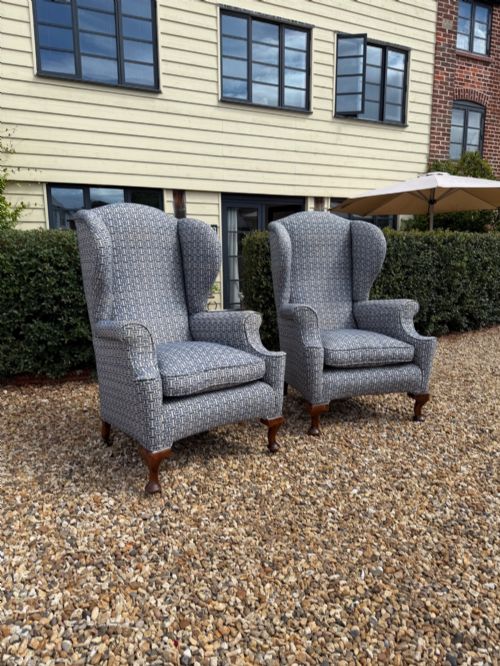
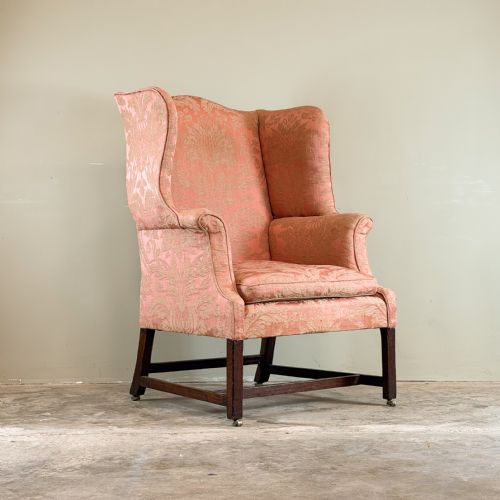
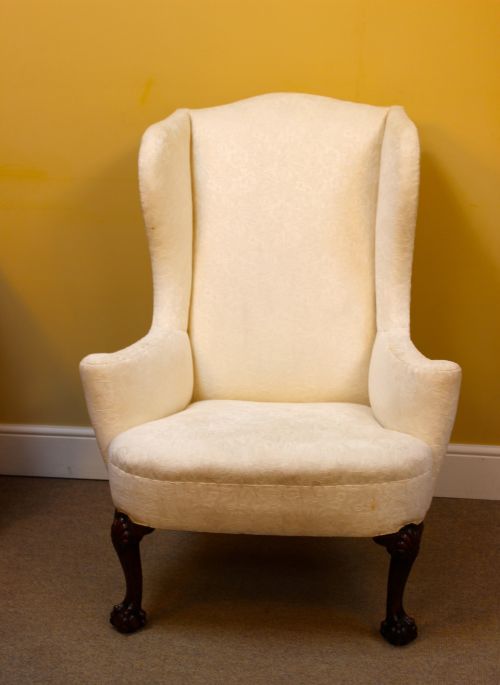
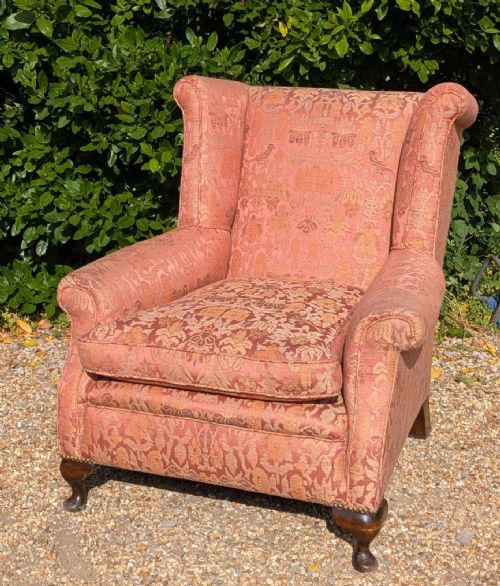
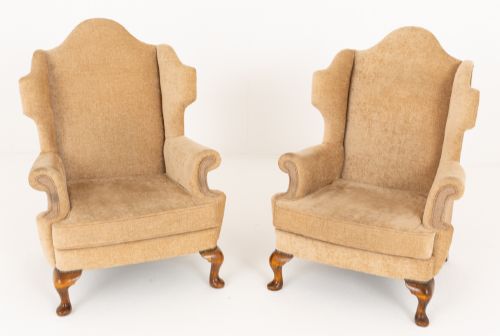
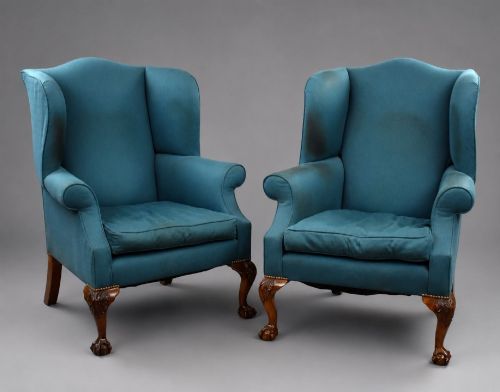
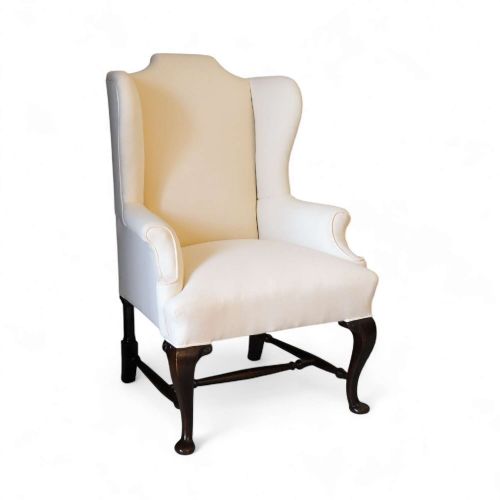
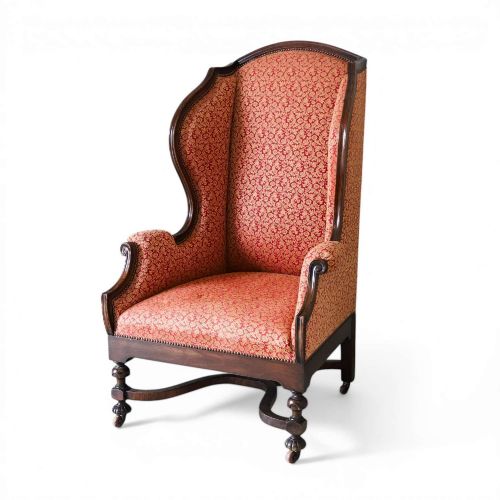
An antique style wing chair comprises upholstered seating featuring prominent side panels attached to the arms, designed to retain heat from a hearth. The pieces found here span from authentic eighteenth-century examples to later revivals produced across the nineteenth and twentieth centuries.
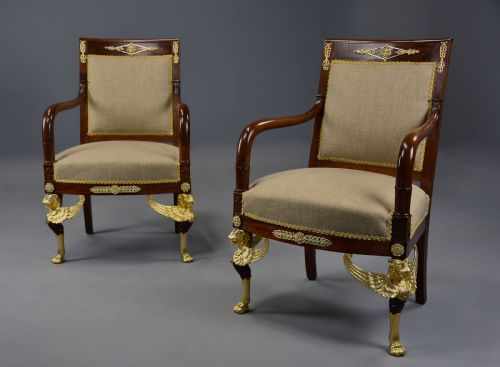
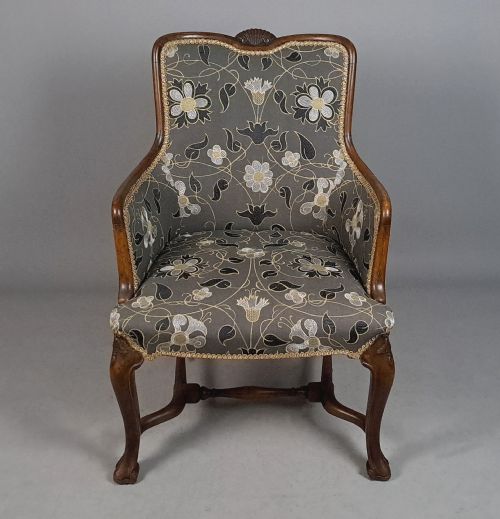
Makers frequently drew inspiration from earlier periods, producing George III, Queen Anne, and Chippendale interpretations alongside French Empire and Louis styles. The inventory contains armchairs and settees featuring wooden frames concealed beneath fabric, velvet, leather, or calico upholstery.
Materials and construction
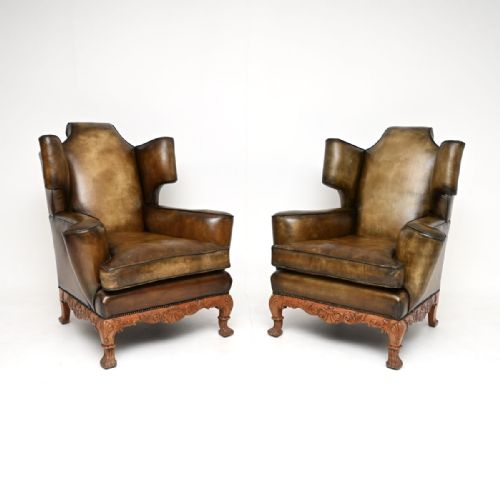
Upholstery methods utilise textile, leather, faux leather, vegan leather, and velvet, sometimes filled with feathers or supplied in a calico stage awaiting final covering. Internal construction involves traditional webbing and stuffing techniques typical of period seating workshops.
Several nursery armchairs appear in the records, proving that even toddlers required proper draught-proof seating in past centuries.
Distinguishing quality across examples
Superior execution shows in the fluidity of carved mahogany or walnut frames and the integrity of the underlying timber structure. Chairs with documented provenance or attribution to known makers command greater attention from collectors.
The choice of covering material and the precision of the upholstery work greatly influence the overall presentation. Hand-stitched leather and deep feather filling represent higher levels of craftsmanship compared to standard commercial alternatives.
Thomas Hope·Sopwith
The Antique Style Wing Chair Glossary
- Wingback
- An armchair featuring protective lateral flaps flanking the upper back. These panels were originally designed to block cold air currents in large rooms.
- Cabriole leg
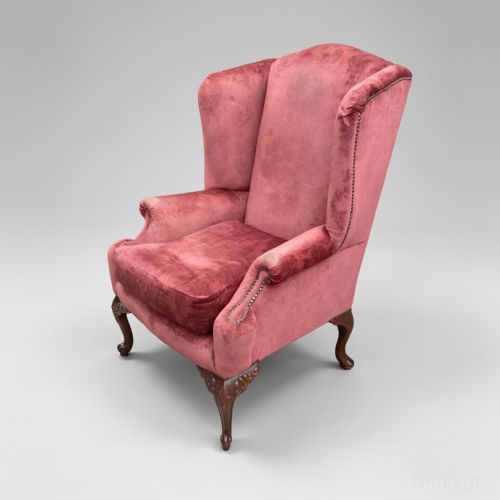
- A furniture leg that curves outward at the knee and tapers inward toward the foot. This form frequently terminates in pad or claw-and-ball feet on period seating.
- Calico stage
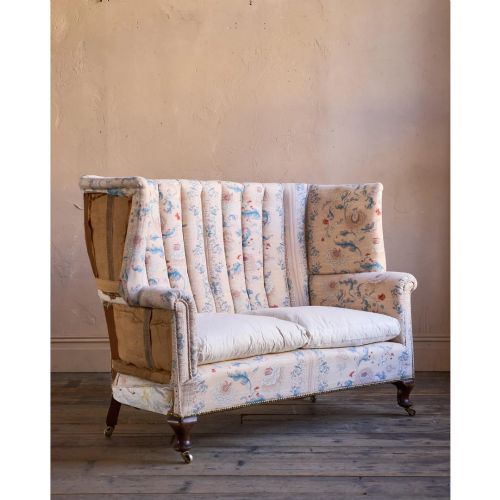
- An unfinished upholstery state where plain cotton fabric covers the internal stuffing before final decorative material is applied. This allows buyers to customise the exterior finish.
- Monopodia
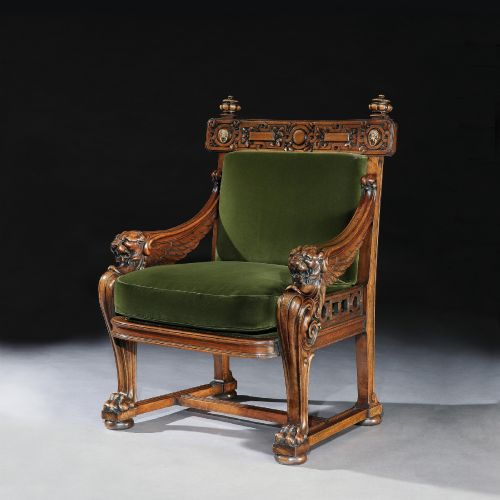
- Carved animal foot or lion leg supports decorating the base of an armchair. This classical motif appears on nineteenth-century pieces inspired by Thomas Hope designs.
- Bergère
- An enclosed upholstered armchair with wooden framing visible around the sides and back. This French form often incorporates cane panels or padded upholstery.
Antique Style Wing Chair: Frequently Asked Questions
What is an antique style wing chair?
An antique style wing chair is a high-backed seat featuring protective panels designed to keep sitters warm near fireplaces. They appear in original eighteenth-century forms as well as nineteenth and twentieth-century revival editions.
Craftsmen built these using mahogany, walnut, and beech frames, covering them in leather, velvet, or textile. They serve as functional living room seating with distinct historical silhouettes.
How do I date an antique style wing chair?
Dating relies on examining the timber species, leg profiles, and construction methods used within the frame. Eighteenth-century pieces display different proportions and carving styles compared to Edwardian or 1920s revivals.
Revival pieces often imitate George III or Queen Anne aesthetics while retaining the hardware and secondary woods of their actual manufacturing era. Comparing upholstery tacks and webbing offers further clues to age.
Are these chairs comfortable for daily use?
Most antique style wing chairs offer deep seating and supportive backs intended for prolonged relaxation. Many examples feature feather filling or sprung bases designed for domestic comfort.
Leather and upholstered versions adapt easily to modern living rooms and studies. Some vintage editions in calico allow owners to update the fabric to suit personal interiors.
What styles are available?
The selection includes Georgian, Queen Anne, Chippendale, and William and Mary revival designs. French influence appears through Empire, Louis XV, and Louis XVI giltwood armchairs.
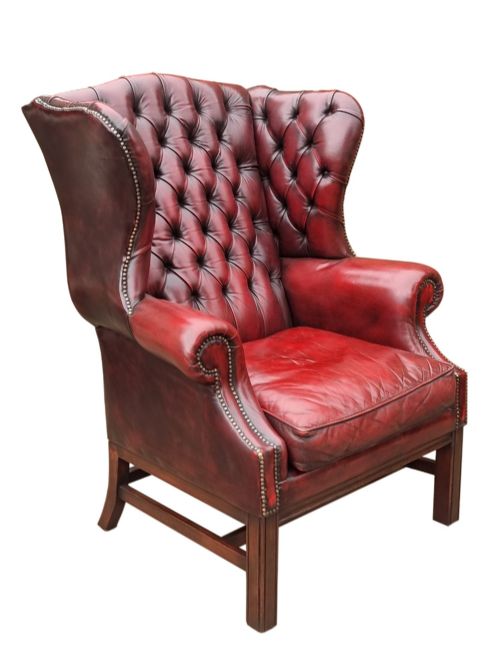
Frames range from plain walnut timbers to elaborately carved mahogany and painted finishes. Upholstery choices span traditional brown leather, red leather, velvet, and patterned textiles.