
Traditional Easy Chair
A traditional easy chair offers deep comfort and solid construction, spanning periods from the eighteenth century to the twentieth century.
Traditional Easy Chair
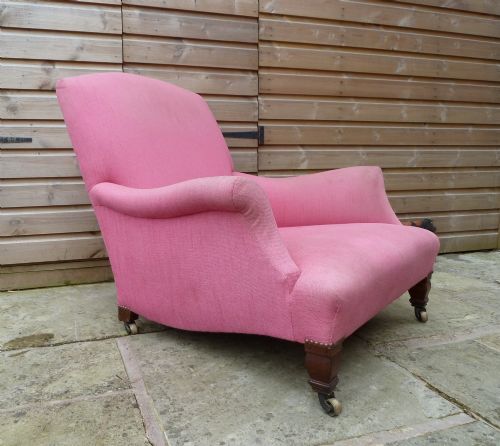
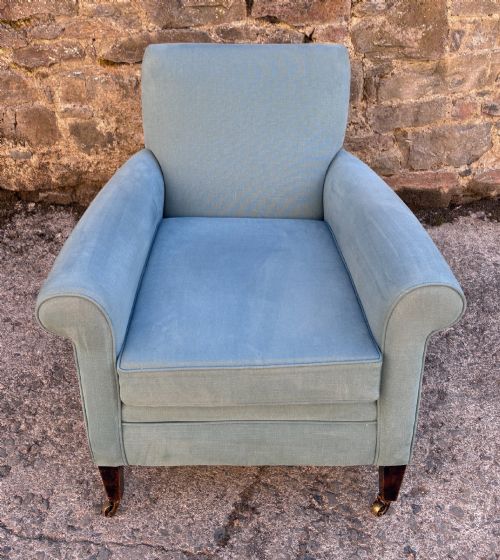
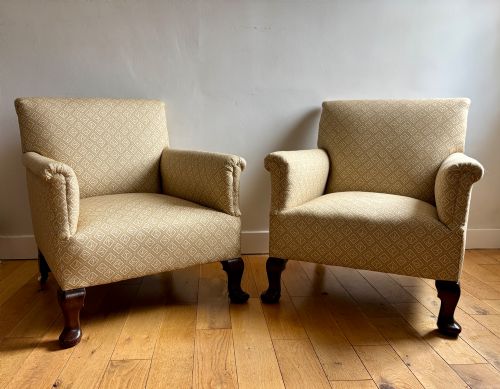
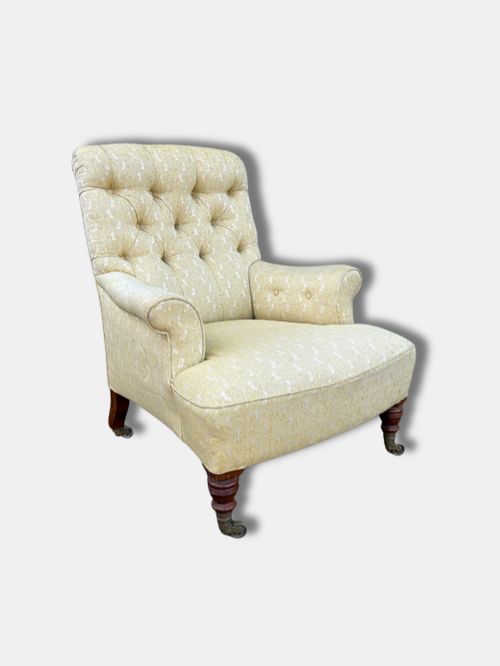
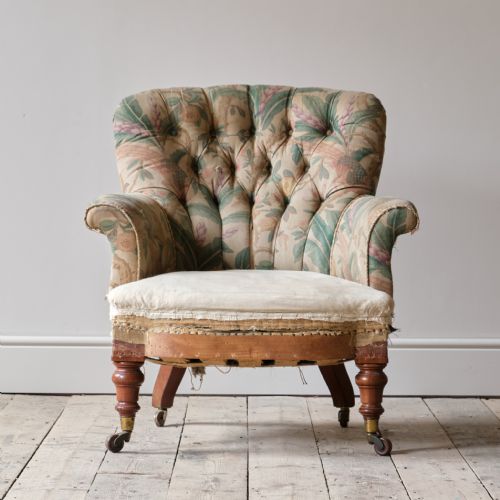
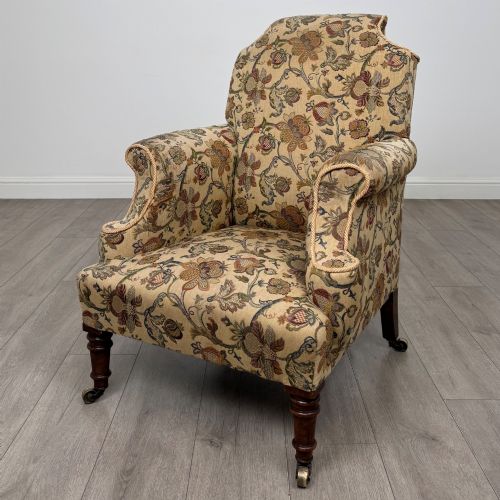
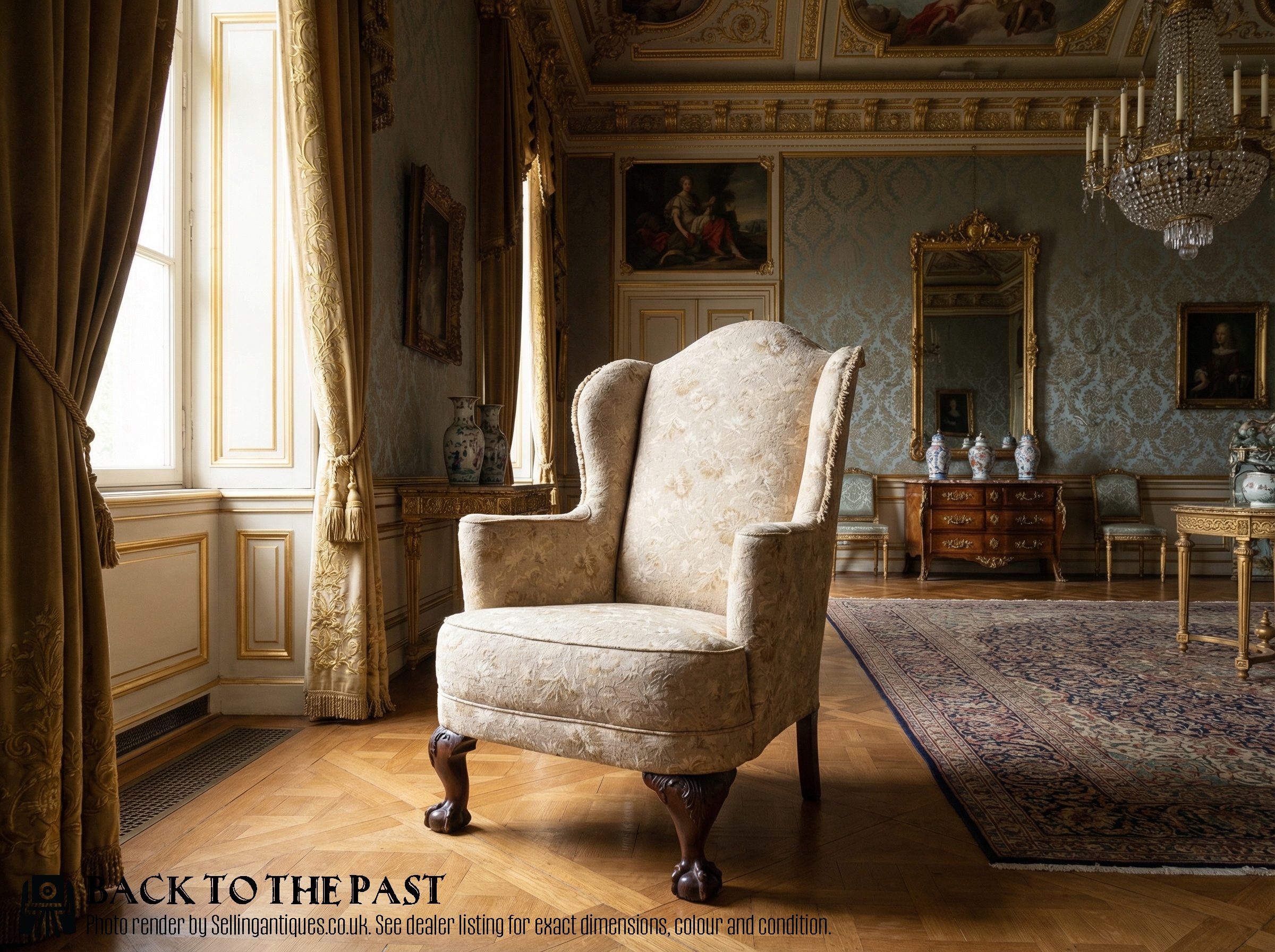
A traditional easy chair is a seat designed for domestic comfort, taking forms such as armchairs, slipper chairs, and wingback chairs. Buyers seeking a traditional easy chair encounter pieces dating from the eighteenth century, the nineteenth century, and early decades of the twentieth century. These include Victorian, Edwardian, Georgian, and revival styles reflecting diverse British and French design influences.
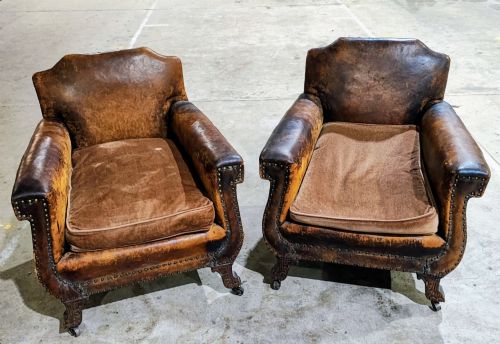
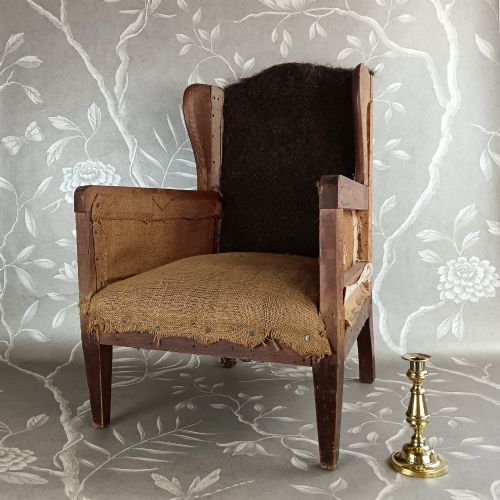
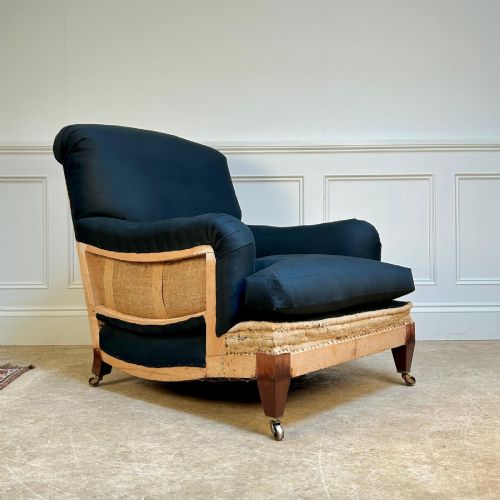
The selection ranges from diminutive child chairs and small leather bothy chairs to large-scale wing chairs and deep-seated club chairs. Many examples feature exposed wooden frames in mahogany, walnut, or oak, while others arrive upholstered in calico, hessian, leather, or velvet.
Materials and construction
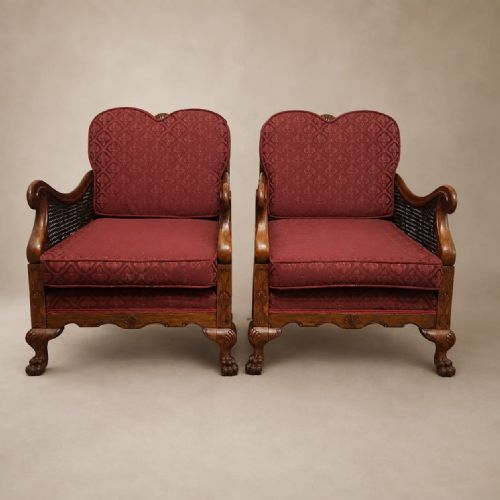
Makers constructed the frames of a traditional easy chair using hardwoods like mahogany, walnut, oak, and other timbers, often framing structural support with cane in bergere models. Brass fittings appear on castors and detailing, grounding the substantial wooden structures.
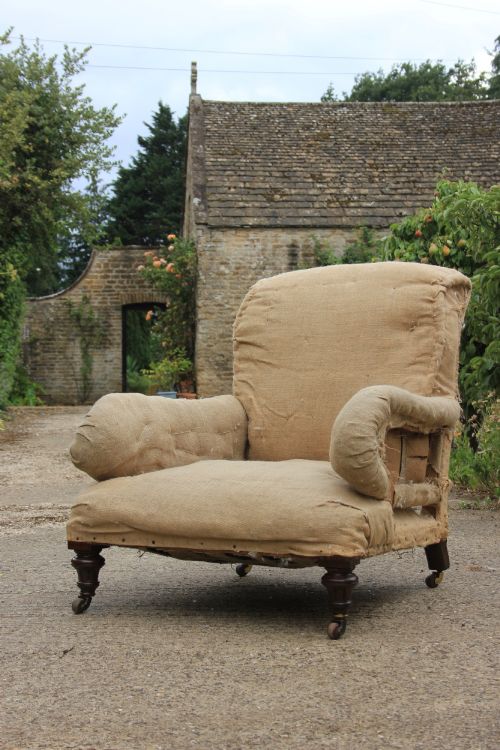
Internal stuffing and exterior coverings utilise traditional textiles including velvet, leather, calico, and hessian. Frames range from carved eighteenth-century mahogany and walnut to nineteenth-century upholstered forms and twentieth-century revived designs.
Traditional Easy Chair Retail Price Guide 2026
Typical asking prices for traditional easy chair among the pieces listed under this phrase on Sellingantiques today, from the lower quarter to the upper quarter. They describe what is for sale here now, not the wider market.
Assessing quality and character
Quality in a traditional easy chair rests in the integrity of the wooden frame, the proportion of the wings or arms, and the refinement of the carved or turned details. Maker attribution, such as work originating from established firms, separates standard domestic seating from exceptional workshop production.
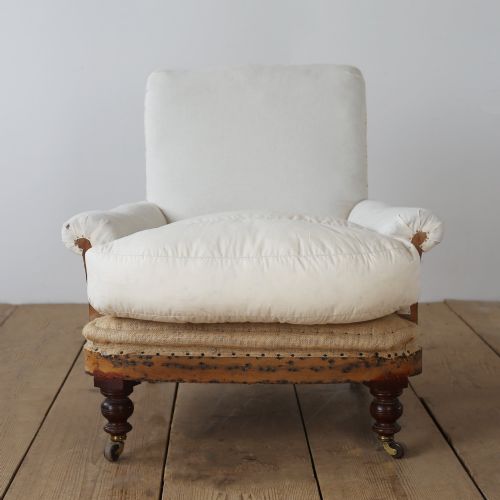
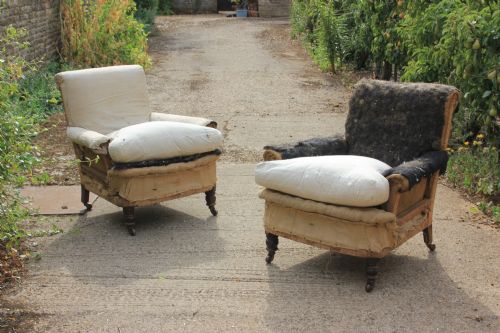
The choice of covering material and the preservation of original framing elements, from walnut frames to split cane panels, influence the overall character of the piece. Upholstery condition varies, with many pieces retaining calico foundations ready for final covering.
Howard and Sons·Whytock and Reid·Gillows·Hampton and Sons
The Traditional Easy Chair Glossary
- Wingback armchair
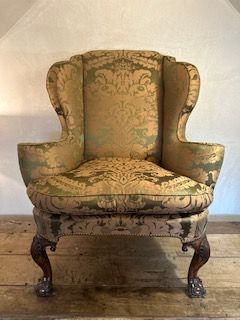
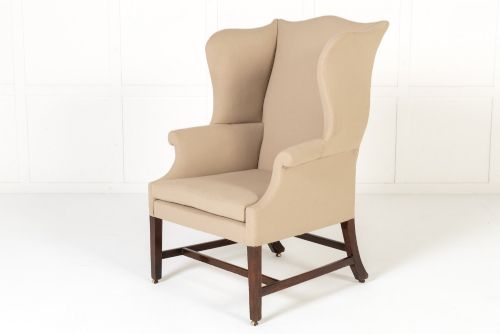
- An upholstered seat featuring protective side panels attached to the arms to deflect drafts. These chairs date across Georgian, Victorian, and later periods.
- Bergere
- An enclosed armchair with a wooden frame and cane work panels on the back and sides. Walnut frames frequently house this technique.
- Calico
- A plain-woven unbleached textile frequently used as an initial upholstery layer on frames. Many listings note seating newly recovered in this material.
- Hessian
- A coarse woven fabric utilised for internal webbing and foundation support within traditional seat construction.
- Club chair
- A deep-seated upholstered armchair traditionally covered in leather. Edwardian and later examples provide robust lounging proportions.
Traditional Easy Chair: Frequently Asked Questions
What periods do these chairs cover?
The selection includes pieces from the eighteenth century, the nineteenth century, and the early twentieth century. Styles span Georgian, Victorian, Edwardian, and various revival periods.
Buyers find everything from early walnut wing armchairs to later club chairs and bergere easy chairs. Each era brings distinct proportions and framing methods to the selection.
Are these chairs sold with upholstery?
Upholstery states vary widely across the available seating. Some examples retain period leather, velvet, or fabric coverings, while others arrive newly upholstered in calico.
Pieces finished in calico allow buyers to apply their own decorative top fabric. Traditional materials like hessian and webbing form the internal structure beneath these outer layers.
How do I identify a wingback chair?
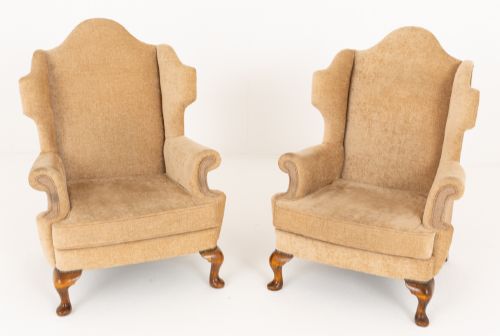
Wingback chairs feature characteristic side panels flanking the upper backrest. These upholstered wings originally protected sitters from draughts in older homes.
Examples range from eighteenth-century mahogany models to twentieth-century pairs. They appear in various timber frames including walnut and oak.
What wood types are used?
Frames employ hardwoods such as mahogany, walnut, and oak. Some designs incorporate exposed wooden arms and legs supporting upholstered bodies.
Cane panels also appear on specific models like walnut bergere chairs. Brass details such as castors occasionally complete the framework.