

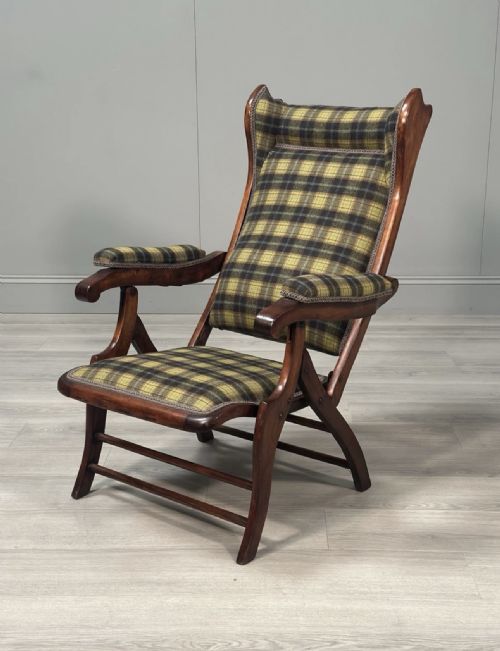
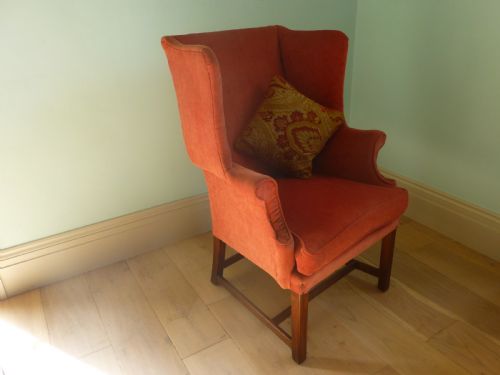


Antique Highback Armchair
An antique highback armchair provides commanding presence and proper support, anchoring a room with centuries of seating heritage.
Antique Highback Armchair
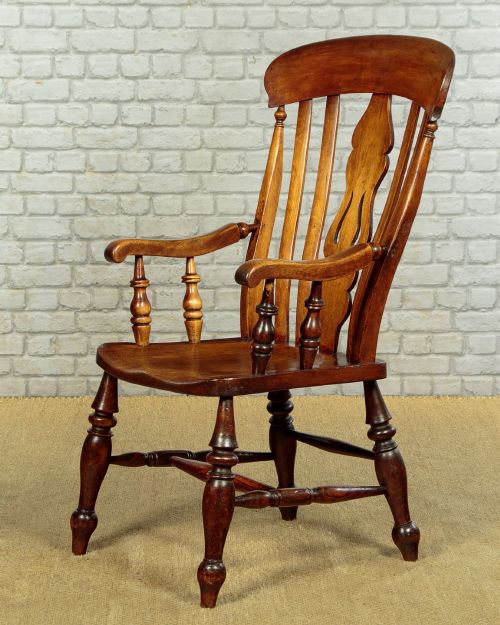
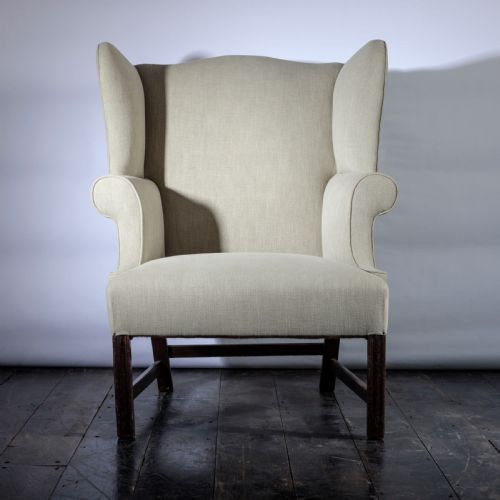
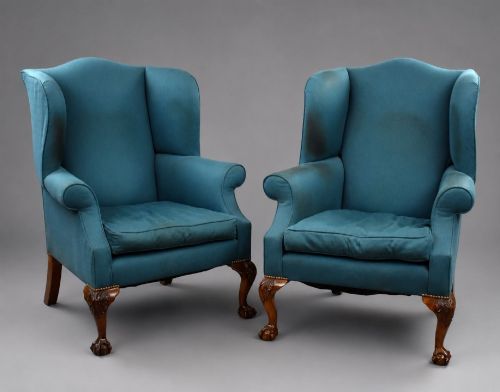
When you search for an antique highback armchair, you encounter seating designed to keep draughts away from the head and shoulders, featuring tall backs spanning periods from the 18th century onwards. The most frequent examples met on this page include Georgian and Victorian wing chairs, alongside vernacular oak, elm, and yew Windsor forms.
The materials span sturdy timbers such as mahogany, oak, yew, and walnut, paired with upholstered finishes in leather, velvet, calico, and chenille twill. Variations range from formal upholstered throne and porter chairs to regional country styles like the Scottish crofter chair.
Earlier pieces from the 18th century display restrained proportions in mahogany or oak, whereas later Victorian and Edwardian examples lean into revivalist tastes including Gothic, Jacobean, and William and Mary styles. A buyer selects these items for both functional fireside comfort and strong architectural silhouette.
Construction and materials
Cabinet makers built the wooden frameworks of these chairs using solid hardwoods such as mahogany, oak, and walnut, frequently employing pegged joints and turned supports. Yew and elm appeared regularly in regional Windsor and highback kitchen armchairs.
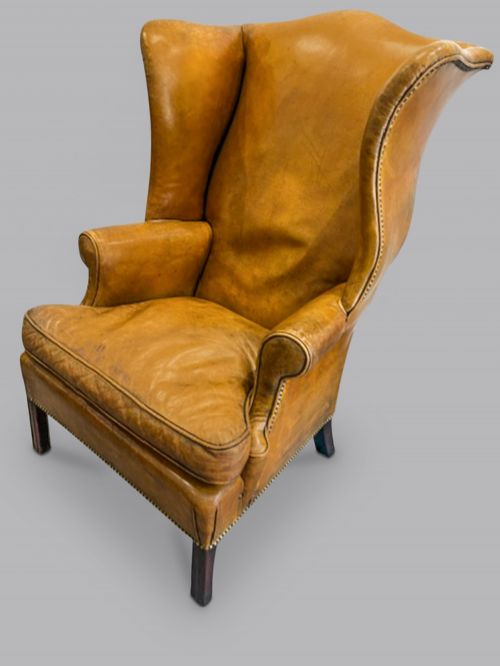
Upholstered versions relied on traditional stuffing methods contained beneath coverings of leather, velvet, calico, and printed fabrics, secured with brass detailing where appropriate. Caned panels also appeared in highback variations, woven tightly into wooden frames.
Antique Highback Armchair Retail Price Guide 2026
Typical asking prices for highback armchair among the pieces listed under this phrase on Sellingantiques today, from the lower quarter to the upper quarter. They describe what is for sale here now, not the wider market.
Upholstered examples utilise materials ranging from traditional horsehair stuffing beneath velvet and leather to calico and chenille twill.
Distinguishing quality in construction
Quality rests in the integrity of the wooden frame and the retention of original proportions, distinguishing untouched examples from heavily altered pieces. Timber selection matters greatly, with dense grain and rich patination marking superior cabinet work.
Upholstered forms rely on the precision of the underlying structure and the fidelity of any revival styling, whether executed in solid mahogany or regional oak. Subtle details in the turning of wooden stretchers and the shaping of wing panels separate standard workshop output from finer craftsmanship.
Liberty Morris & Co·Gillow
The Antique Highback Armchair Glossary
- Wing chair
- An upholstered armchair with side panels designed to shield the occupant from draughts. These high backs became popular during the Georgian period.
- Windsor chair
- A wooden chair constructed with dowels into a solid wooden seat, often featuring a high bentwood back. Yew and elm are typical timbers.
- Porter's chair
- A fully enclosed highback armchair originally used in draughty halls to keep attendants warm. Leather upholstery is common in these forms.
- Carver armchair
- A sturdy wooden armchair, often placed at the head of a dining table or used as a fireside seat.
- Giltwood
- Timber treated with gold leaf or gold paint, seen on decorative 19th-century frames. It provides a bright metallic finish.
Antique Highback Armchair: Frequently Asked Questions
How do I identify a Georgian highback armchair?
Georgian highback armchairs typically feature mahogany frames, conservative proportions, and subtle cabriole or straight legs. Their wing panels are shaped with restrained curves.
Later Victorian versions tend to be larger, softer, and more heavily padded, utilising walnut or mahogany with varied textile coverings.
What is a porter's armchair used for?
Porter's armchairs were originally placed in the drafty entrance halls of large houses where doorkeepers sat to monitor visitors. The high enclosed hood trapped body heat and blocked cold air.
Today, they function as striking statement pieces in domestic hallways or studies, offering a private seating alcove.
Are highback Windsor chairs comfortable?
Highback Windsor chairs offer firm wooden support shaped to the contours of the back. Their tall spindles and solid contoured seats encourage upright posture.
Adding a loose squab cushion to the seat provides extra softness while maintaining the traditional aesthetic of the wooden frame.
How do I care for antique leather upholstery?
Antique leather requires gentle cleaning with a damp cloth and regular treatment with suitable leather balms to prevent drying and cracking. Avoid placing leather chairs in direct sunlight or near strong heat sources.
Preserving the natural surface patina maintains the historical character of the piece over time.