



Walnut Wingback Armchair
A walnut wingback armchair offers deep-seated comfort and timeless upholstered support, drawn from centuries of fine British and European furniture design.
Understanding the walnut wingback armchair
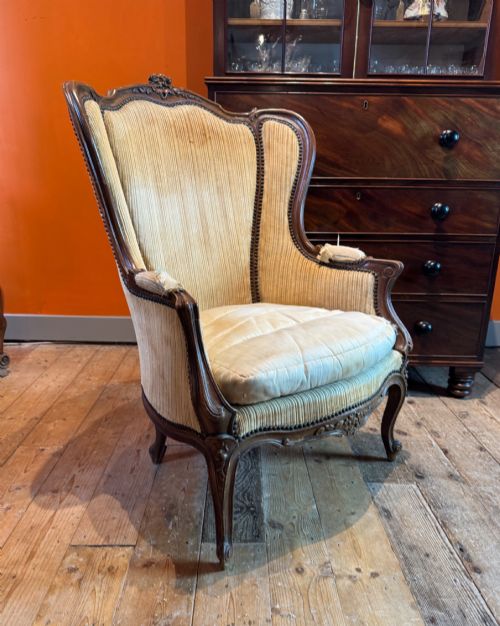
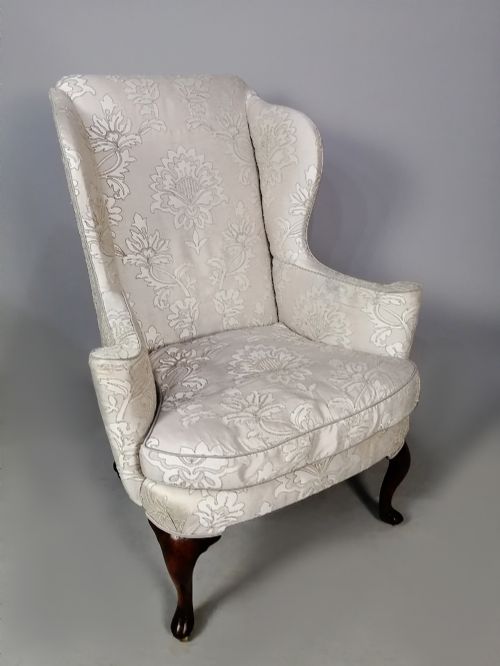
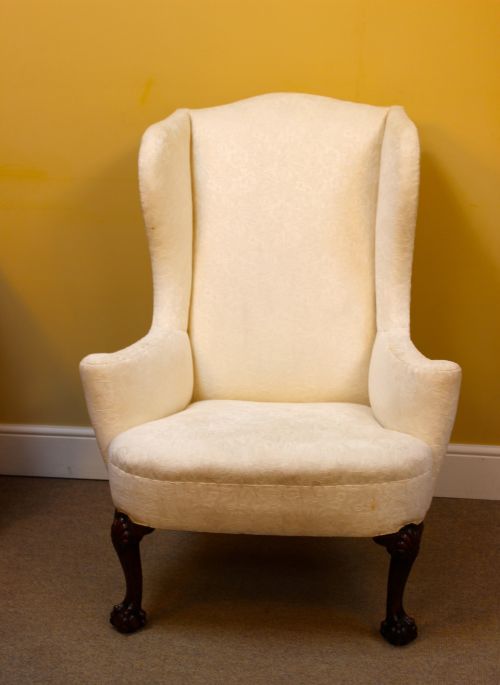
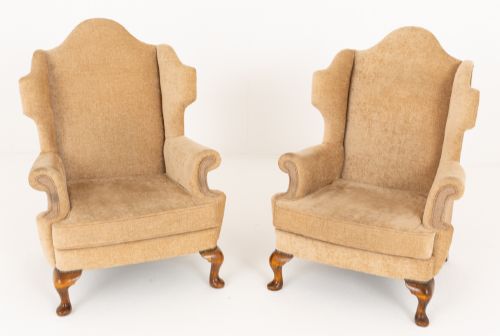
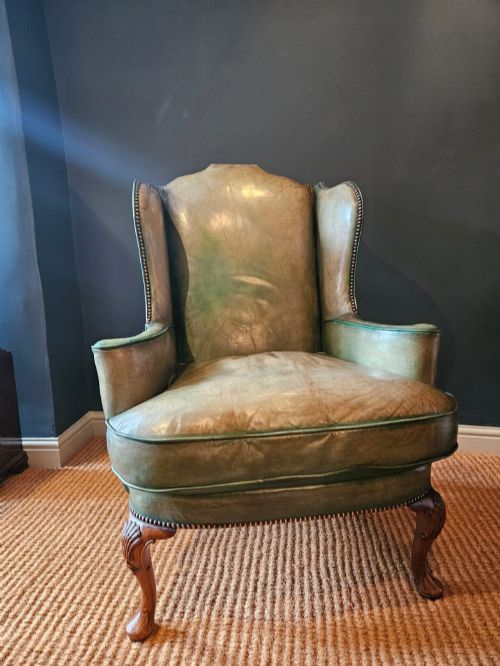
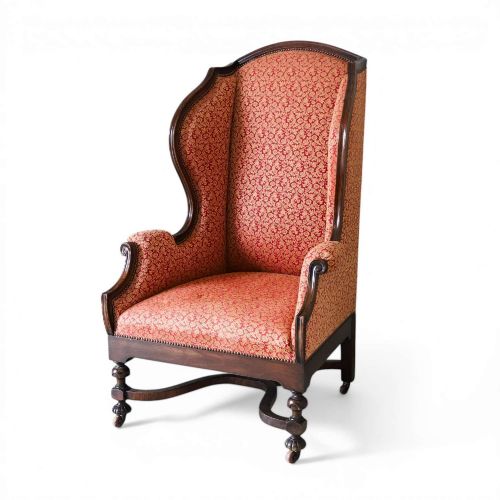
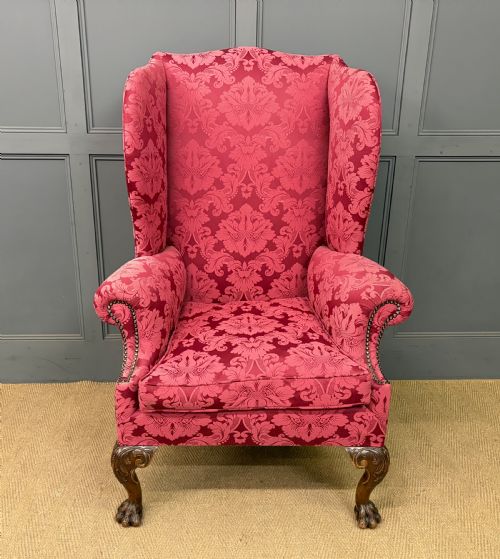
A walnut wingback armchair is a substantial fireside seat defined by its protective side panels and exposed wooden framing. When you search for a walnut wingback armchair, you encounter formal early examples alongside comfortable Victorian and Edwardian interpretations.
The selections span the eighteenth century up to the Edwardian era, featuring English, French, and revival designs. Most pieces on this page originate from the nineteenth and early twentieth centuries, capturing the enduring appeal of the high-backed upholstered form.
Construction and materials
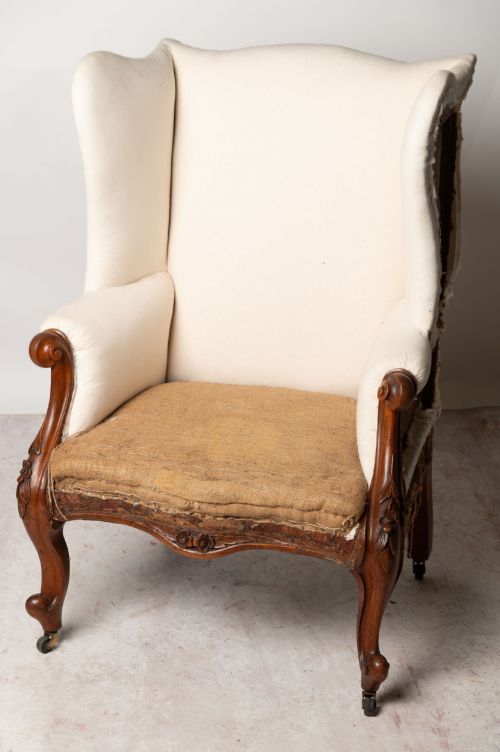
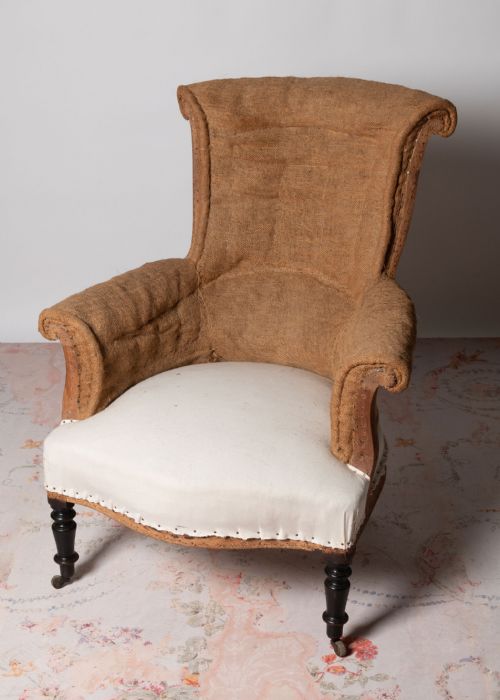
Makers built these frames primarily from solid walnut, occasionally utilising mahogany or oak for structural supports. Traditional upholstery techniques involved stuffing calico, hessian, and textiles over internal springing or webbed foundations.
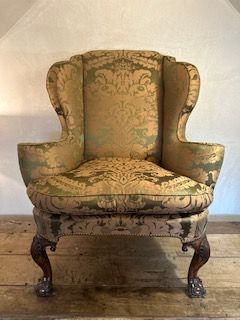
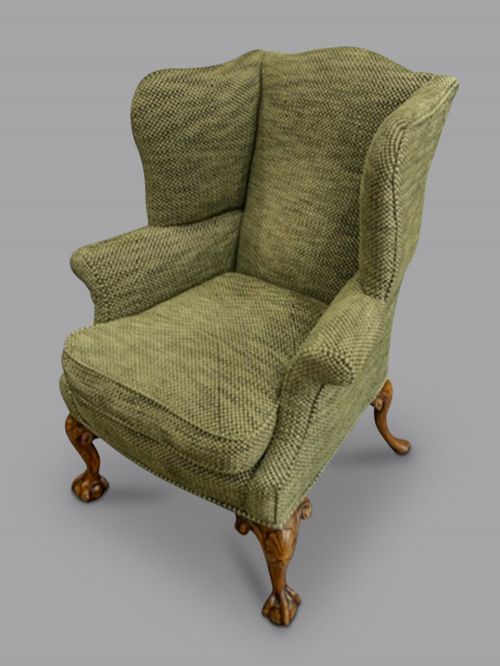
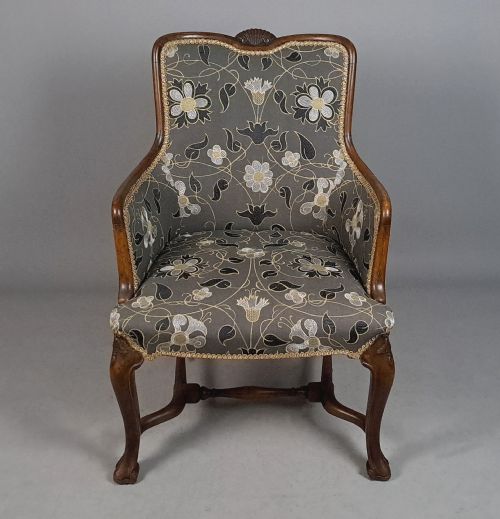
Finishing details frequently incorporate decorative brass tacks and richly patterned fabrics such as damask. Exposed wooden elements display hand-carved details on the cabriole legs, arms, and stretchers.
Retail Price Guide 2026
Typical UK retail prices for walnut wingback armchair, calculated from the Sellingantiques database of over a million retail prices indexed since 2003. This retail price guide relies exclusively on Sellingantiques data; no external sources or auction records are used, so the figures do not describe the wider market.
Listings feature walnut timber combined with traditional textiles, calico, hessian, mahogany, oak, and brass.
Distinctions in quality
Quality rests in the crispness of the walnut carving, the integrity of the frame construction, and the historical accuracy of the upholstery. Early eighteenth-century specimens demonstrate superior timber selection and fluid cabriole proportions compared to later revival pieces.
The refinement of the wing sweep and the proportion of the backrest dictate the visual balance of the silhouette. Retaining original show-wood surfaces and period textiles elevates the standing of an armchair above those with routine modern re-coverings.
The Walnut Wingback Armchair Glossary
- Wingback
- An upholstered fireside chair featuring protective side panels designed to shield the occupant from drafts. These wings also served to trap heat from an open hearth.
- Cabriole leg
- A furniture leg that curves outward in a convex arc and tapers inward in a concave arc, terminating in a pad or claw foot. This form became popular during the early eighteenth century.
- Damask
- A reversible figured fabric woven on a jacquard loom, frequently utilised for formal upholstery. It provides a subtle sheen and textured pattern.
- Hessian
- A coarse woven fabric, typically made from jute fibres, used historically as an internal foundation layer for stuffing and webbing. It provides durable support beneath top textiles.
- Stretchers
- Horizontal wooden rods connecting the legs of a chair to provide structural stability. They are characteristic of earlier seating before freestanding leg designs became standard.
Frequently Asked Questions
What periods do these armchairs come from?
The listings span from the early eighteenth century through the Victorian and Edwardian eras, encompassing both original period pieces and later revival interpretations.
Most available examples date from the nineteenth and early twentieth centuries, reflecting the enduring popularity of the classic wingback silhouette.
How were these chairs used historically?
These armchairs were placed near fireplaces in grand rooms to protect occupants from cold drafts and trap heat around the upper body.
The high back and enclosed sides also offered privacy and a comfortable posture for reading or resting.
Are the fabrics original?
Many chairs have been recently reupholstered in materials such as damask, calico, or hessian to ensure structural soundness and usability in modern homes.
Some pieces retain older textiles, but complete re-covering is common practice to preserve the internal stuffing and frame.
How do I identify a revival piece?
Revival armchairs from the late nineteenth or early Edwardian periods often copy earlier styles like Queen Anne or George II designs.
Close inspection of the timber patina, joinery techniques, and internal webbing helps distinguish eighteenth-century originals from later nineteenth-century homages.