

English Armchair
An english armchair brings centuries of craftsmanship into a room, offering enduring comfort and distinct regional character.
English Armchair
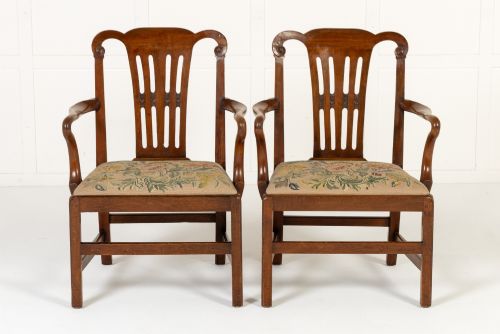
When you search for an english armchair, you encounter a diverse selection ranging from formal mahogany library seats to rustic Windsor forms. The selection includes vernacular timber seating alongside upholstered parlour and drawing room chairs spanning multiple centuries.
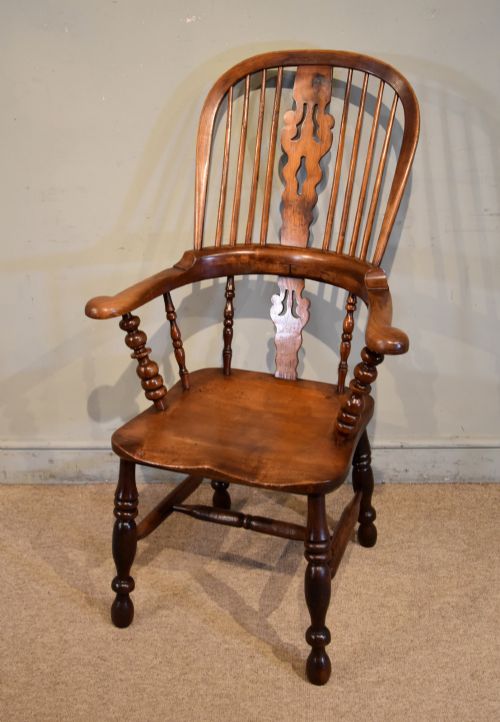
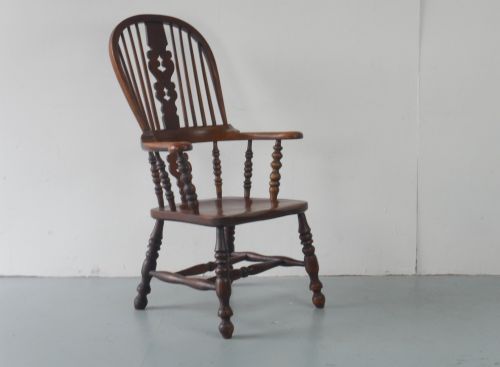
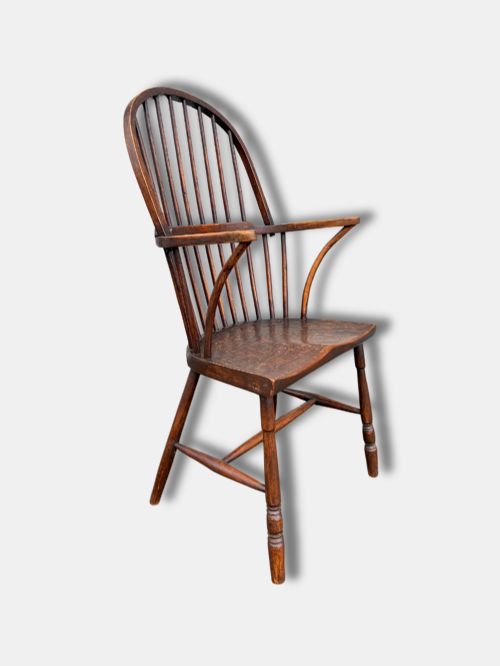
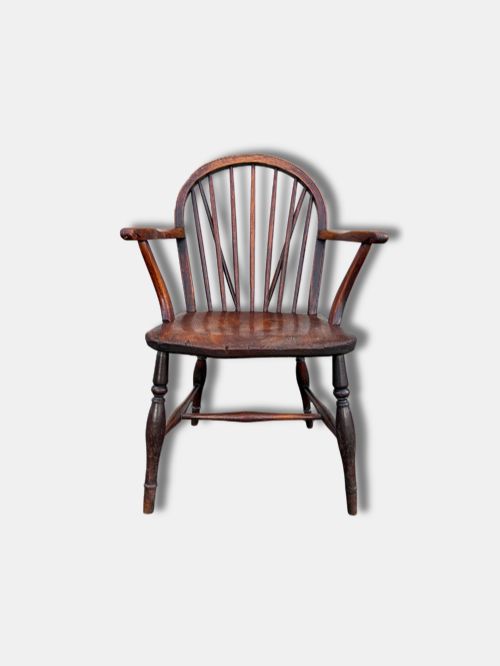
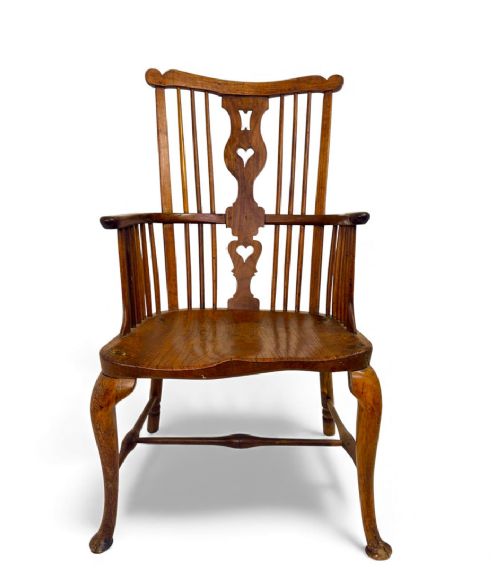
You are most likely to meet 19th-century Windsor chairs built from mixed native timbers such as yew, elm, beech, and ash. These regional seating options reflect traditional rural craftsmanship found across the Thames Valley and surrounding countryside.
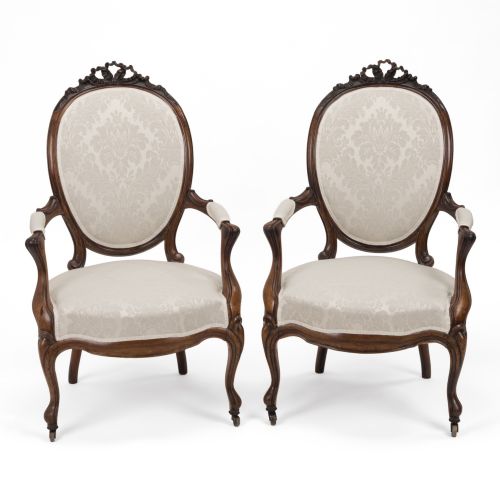
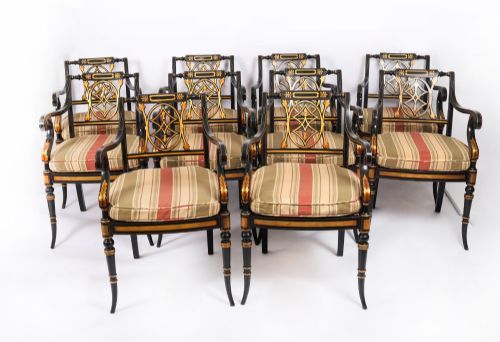
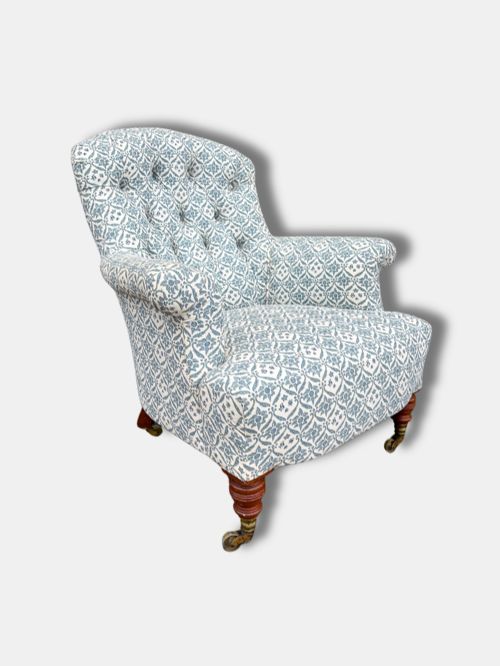
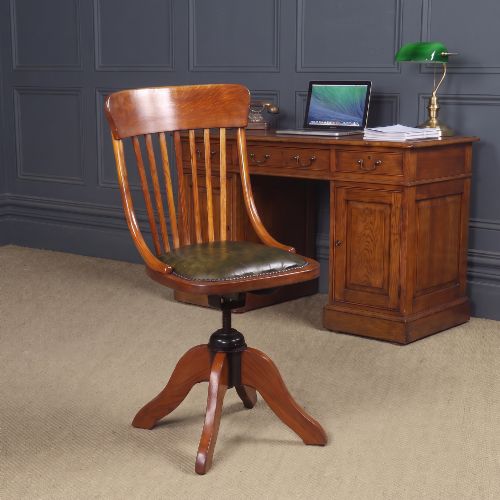
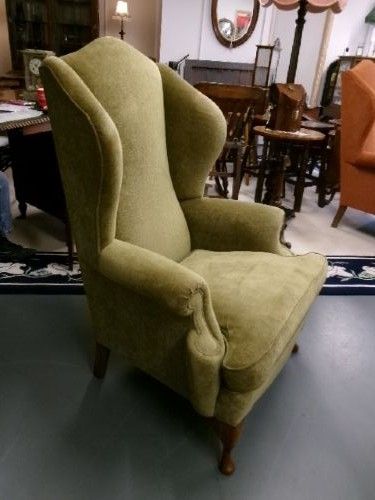
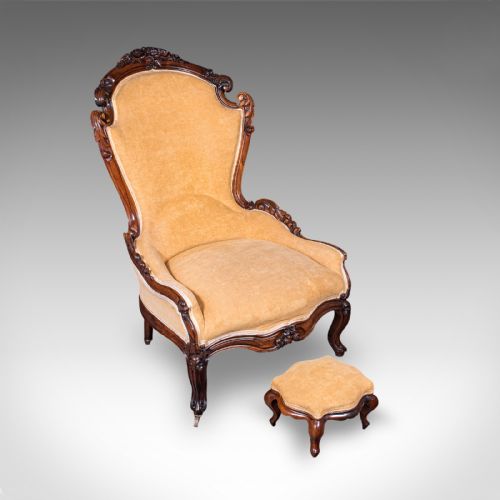
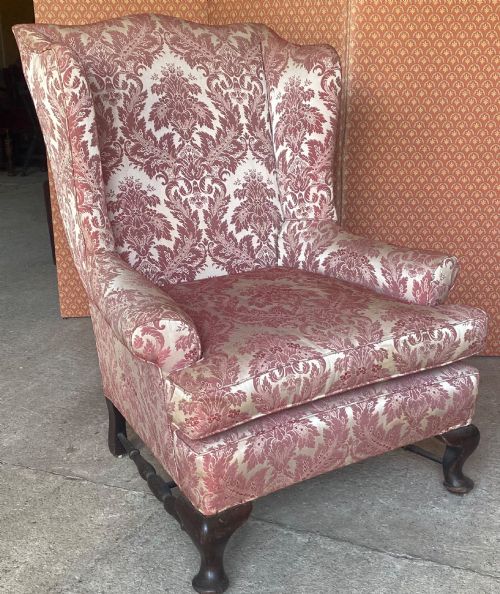
Formal variations from the Georgian, Regency, and Victorian periods appear frequently alongside country house styles and revival pieces. These span specialised forms including tub chairs, wing backs, and revolving office seating.
Materials and Construction
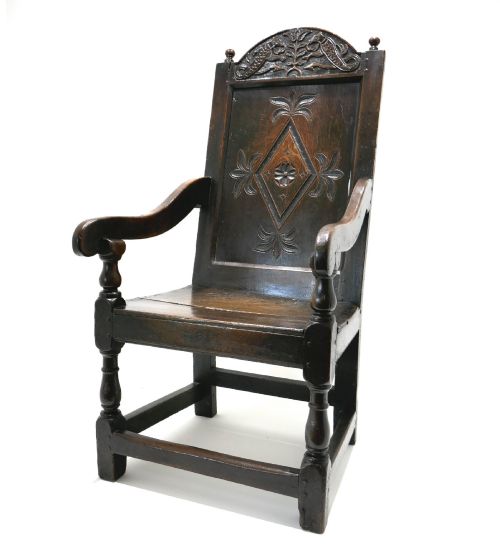
Cabinet makers and bodgers utilised solid regional hardwoods, pairing sturdy oak, mahogany, and walnut for formal frames with flexible ash, elm, and yew for Windsor spindle backs and seats. Brass hardware, carved details, and turned components provide structural reinforcement and visual definition.
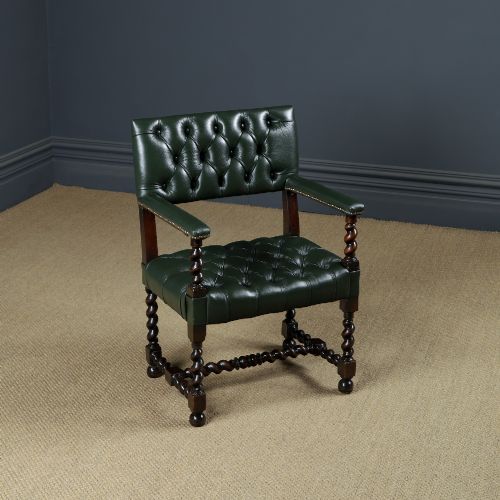
Upholstered pieces combine webbed or sprung foundations with traditional fillings, finished in fabric, leather, or rexine. Timber components rely on mortise and tenon joinery, steam bending for curved crest rails, and sculpted saddles for seated comfort.
Some colonial and parlour chairs feature clever swivels and ropetwist details designed to keep Victorian readers comfortably upright.
The Measure of Quality
The distinction between standard utility seating and exceptional examples lies in the selection of timber and the precision of the joinery. Figured grain in yew or mahogany, balanced proportions, and crisp carving elevate certain pieces above everyday workshop output.
Original surface patination and minimal structural alteration dictate the desirability of vernacular seating. Retained maker stamps, intact upholstery foundations, and harmonious wood matching separate superior survivals from heavily restored examples.
Howard & Sons·Gabbitass of Worksop
The English Armchair Glossary
- Windsor
- A traditional wooden chair featuring a solid carved seat into which the legs and back spindles are directly wedged. These vernacular seats often incorporate comb backs or hoop structures built from mixed timbers.
- Gainsborough
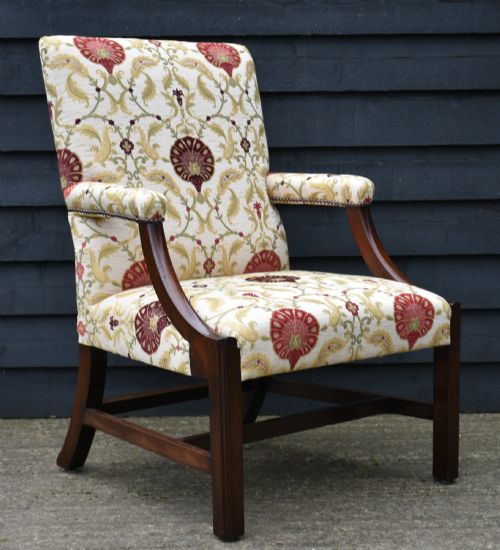
- An upholstered armchair with an open wood frame, padded armrests, and square legs dating from the mid-18th century. These formal library and desk seats typically feature mahogany construction.
- Tub Library Armchair
- A curved seat with enclosed low arms that sweep continuously into the backrest. Originating in the Regency period, these comfortable reading chairs usually stand on turned mahogany legs.
- Splat
- The vertical wooden strip down the centre of a chair back, sometimes pierced for decoration. Windsor variations include wheel patterns and solid shaped profiles.
English Armchair: Frequently Asked Questions
What is a Windsor armchair?
A Windsor armchair is a traditional wooden seating form characterised by a solid, thick seat slab that holds the legs and back uprights independently. These chairs utilise steam-bent bows and turned spindles rather than an upholstered frame.
They emerged from rural vernacular traditions, utilising native timbers like yew, elm, and ash to achieve sturdy and resilient everyday furniture.
How do I date an antique armchair?
Dating relies on observing structural characteristics, timber selection, and stylistic details that align with specific design periods. Georgian pieces often display mahogany frames and carved cabriole legs, whereas Victorian items frequently feature walnut, beech, or button-backed upholstery.
Tool marks, joinery methods, and secondary woods inside the frame provide further physical evidence for determining the decade of manufacture.
How do I care for antique wooden armchairs?
Maintenance involves protecting the timber from extreme temperature fluctuations and direct sunlight to prevent wood shrinkage and splitting. Regular dusting with a dry cloth and occasional application of appropriate wax preserves the original polish.
Upholstered versions benefit from gentle vacuuming and professional cleaning to protect historic fabrics and interior stuffings.