
Traditional Wing Armchair
A traditional wing armchair offers deep comfort and historic character, bringing classic fireside seating into modern rooms.
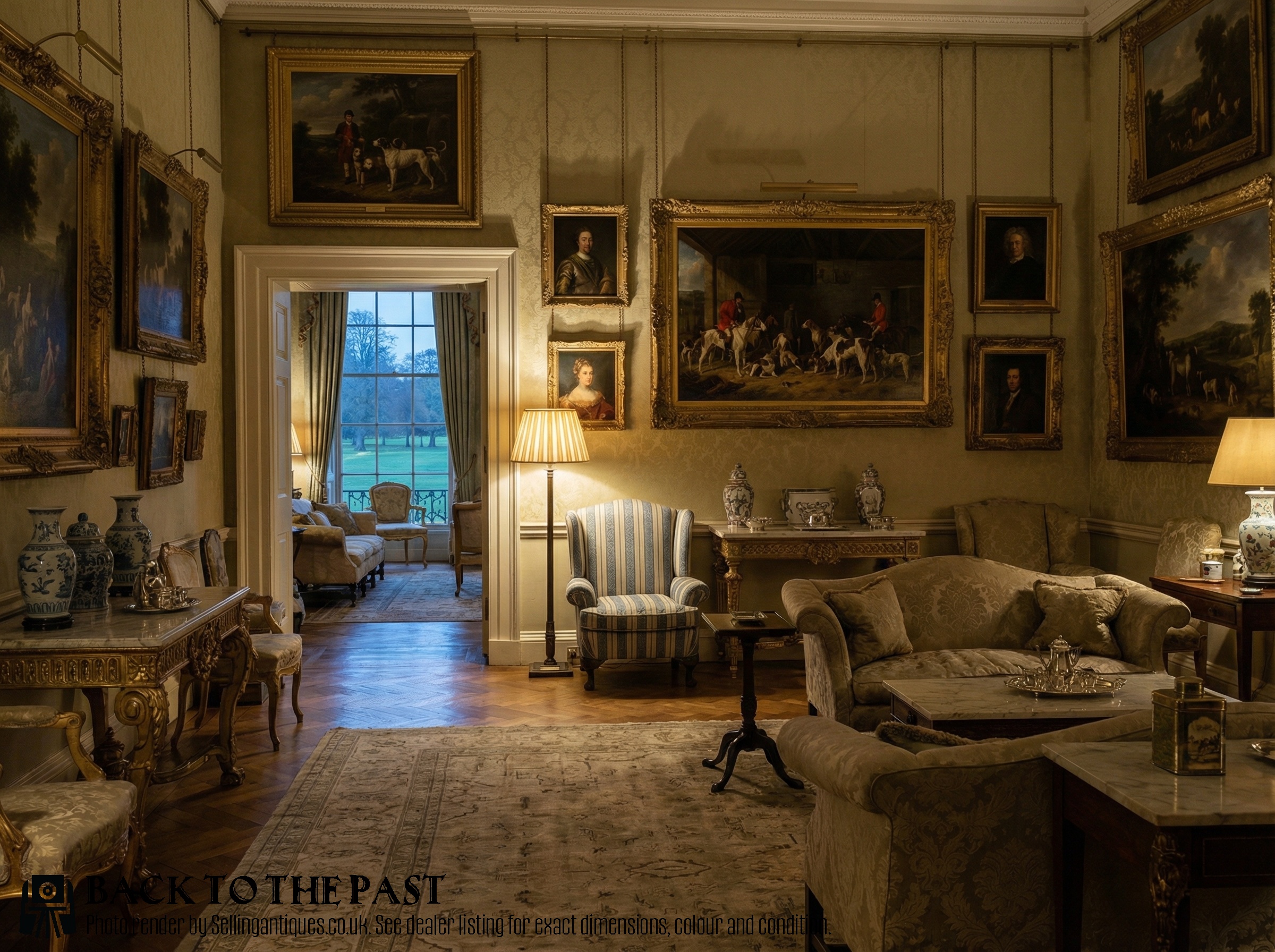
What they are
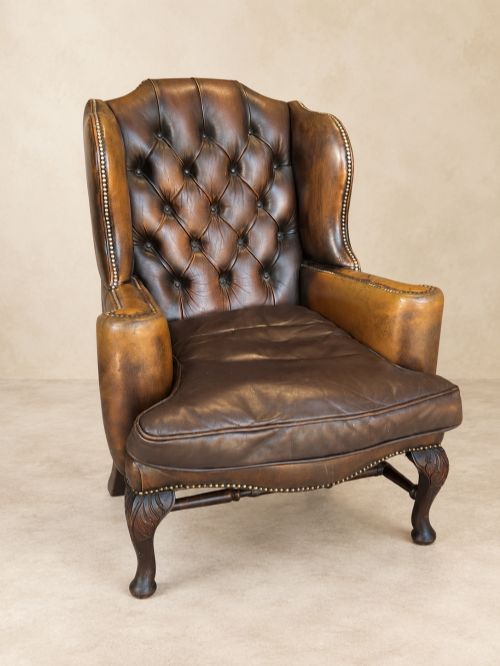
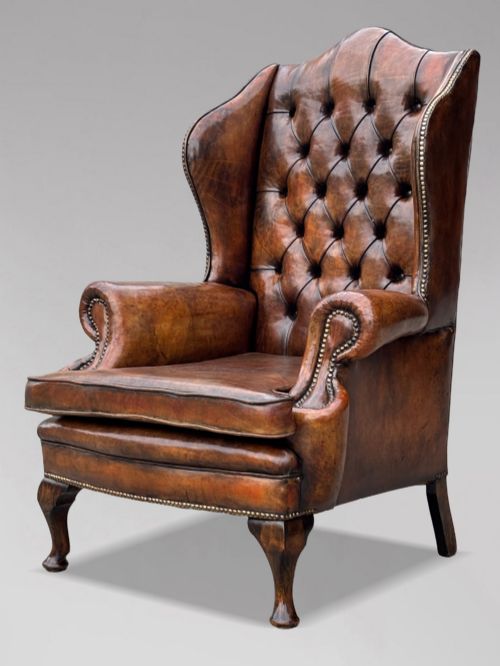
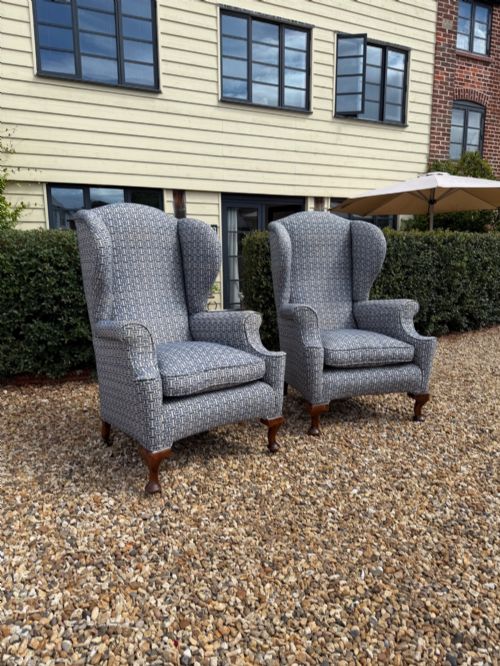
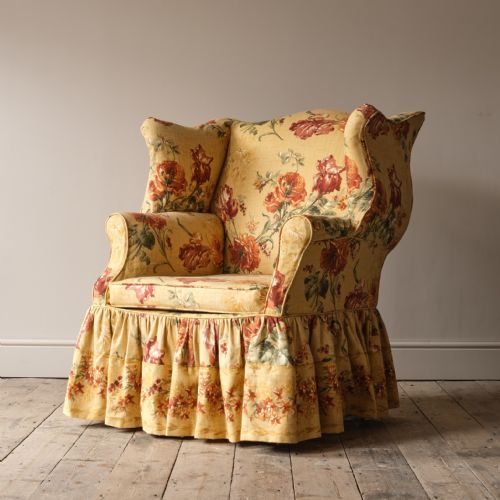
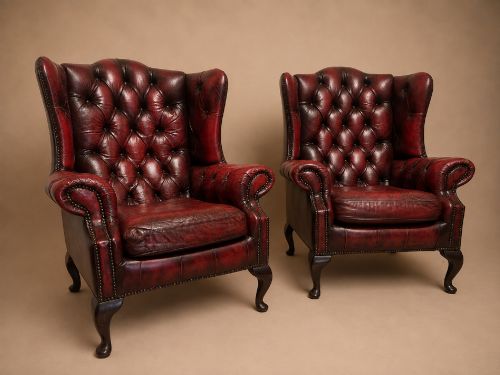
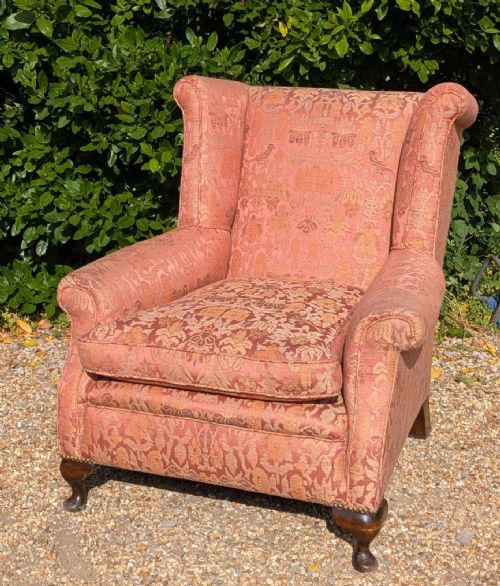
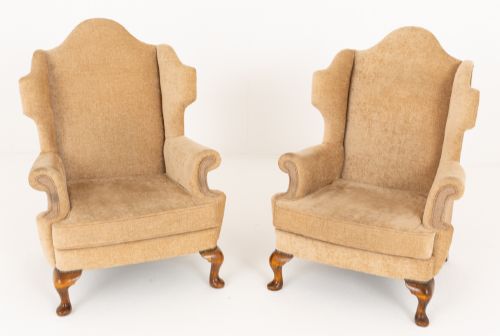
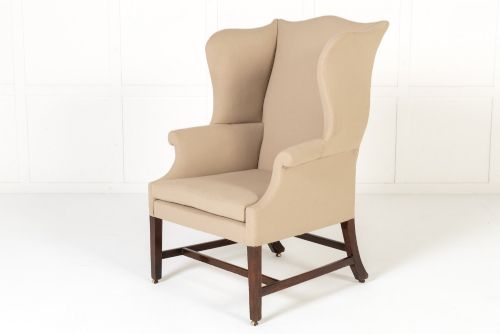
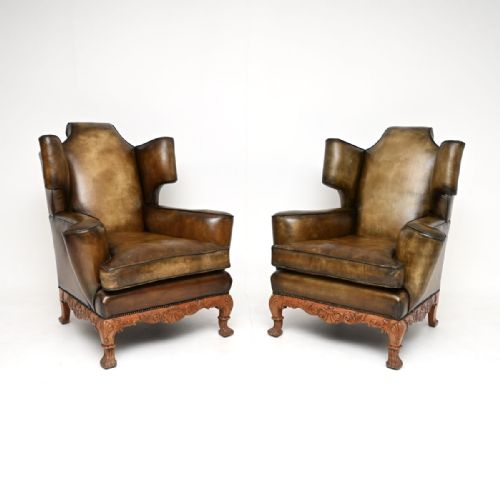
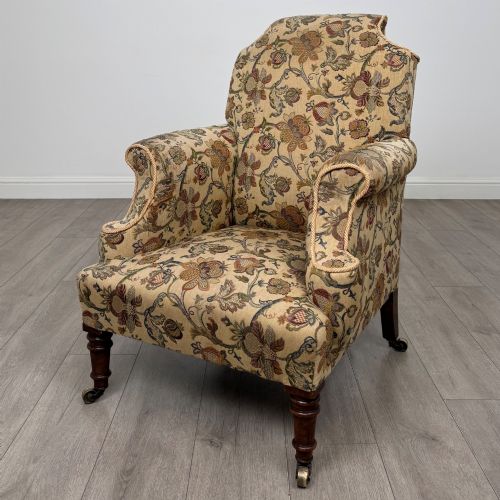
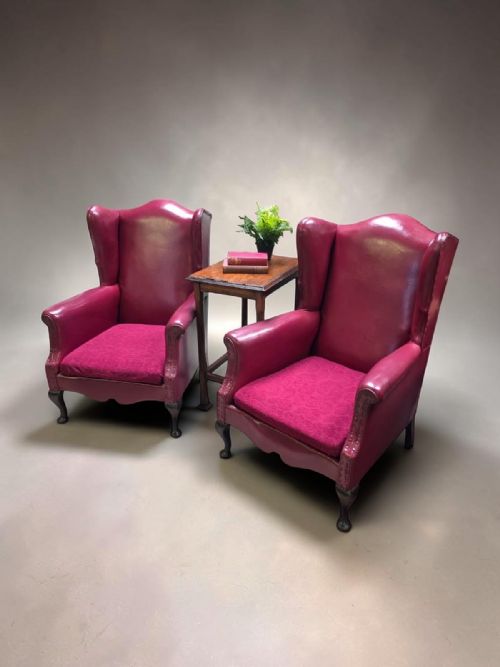
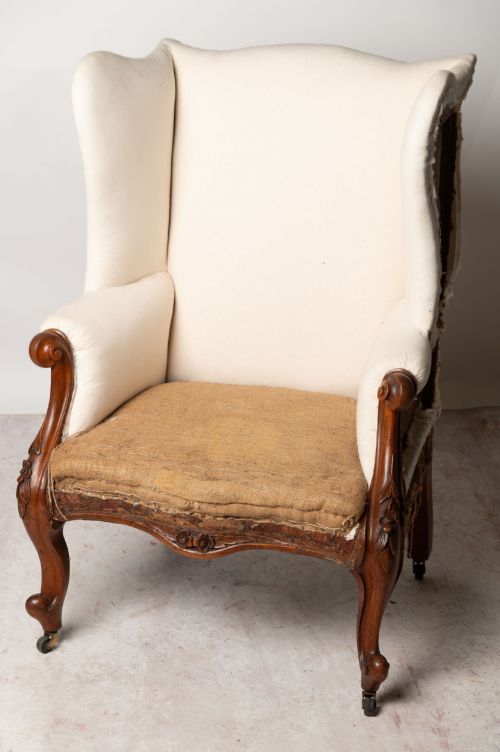
A traditional wing armchair is a substantial upholstered seat designed to protect the sitter from draughts, featuring distinctive side panels on the back. These chairs appear in forms spanning the eighteenth century, the nineteenth century, and the nineteen-twenties.
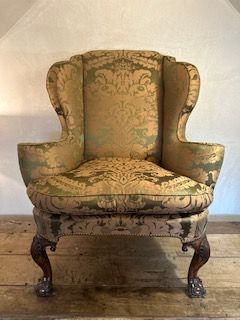
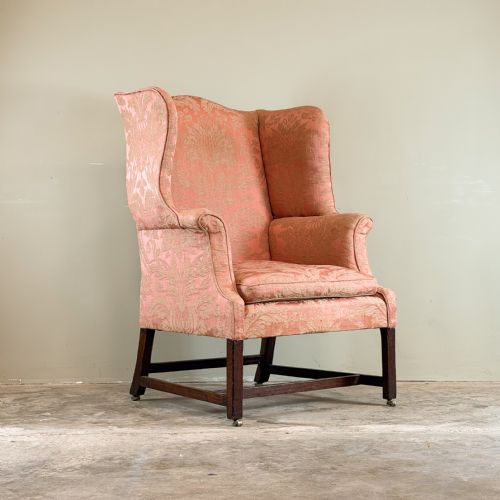
The pieces listed here include Georgian examples, George III creations, and Victorian interpretations. Buyers frequently encounter walnut and mahogany frames alongside Edwardian traditionally upholstered winged armchairs on carved ball and claw feet.
How they were made
Maker construction relies on timber frames built from mahogany and walnut. These foundational woods provide structural strength and support the elaborate upholstery layers.
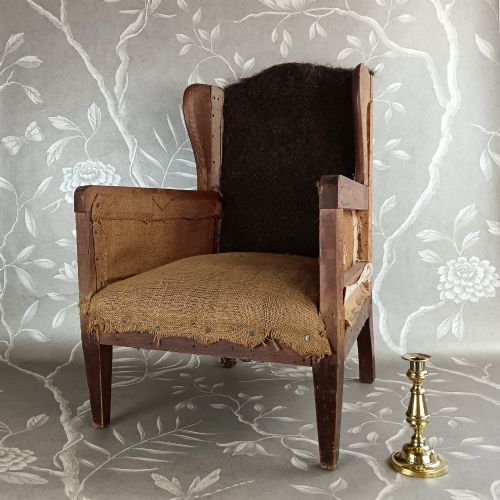
Internal stuffing and coverings utilise traditional materials including horsehair, hessian, cotton, and fabric. Brass elements and damask textiles often complete the exterior finish.
Retail Price Guide 2026
Typical UK retail prices for traditional wing armchair, calculated from the Sellingantiques database of over a million retail prices indexed since 2003. This retail price guide relies exclusively on Sellingantiques data; no external sources or auction records are used, so the figures do not describe the wider market.
The inventory spans the eighteenth century, the nineteenth century, and the nineteen-twenties, including Georgian Revival styles.
What varies in quality
Quality differences emerge through the sophistication of the timber frame and the precision of the carving on the legs. Examples featuring detailed ball and claw feet stand apart from simpler baseline forms.
The grade of the covering materials and the integrity of the traditional stuffing methods dictate the overall standard of the piece. Finer textiles like damask reflect a higher tier of production compared to standard cotton.
Howard And Sons
The Traditional Wing Armchair Glossary
- Wing back
- The extended sides of the chair back designed originally to trap heat and block cold air. This characteristic shape defines the silhouette.
- Horsehair
- A traditional upholstery stuffing material gathered from horses and valued for its resilience and durability. It holds shape firmly over decades.
- Damask
- A reversible figured fabric traditionally woven on a loom with patterns visible on both sides. This material provides an ornate and tactile surface.
- Hessian
- A coarse woven fabric typically utilised as a foundation layer beneath finer top textiles. It secures internal stuffing materials firmly to the frame.
Frequently Asked Questions
How do I identify a Georgian wing chair?
Georgian examples display specific stylistic markers from the eighteenth century, often constructed in mahogany or walnut. Their proportions and leg designs reflect the cabinetry standards of the period.
Examining the underlying frame materials and wood grain helps distinguish genuine eighteenth-century pieces from later revival items.
What materials are used in these chairs?
Frame construction relies primarily on hardwoods such as mahogany and walnut. Brass accents occasionally appear on castors or decorative hardware.
Upholstery schemes incorporate cotton, hessian, horsehair, and damask fabrics to build a supportive and tactile seating structure.
How should I live with a wing armchair?
These armchairs suit fireside placements or reading corners where their high backs create a private enclosure. Their substantial presence anchors living spaces effectively.
Maintenance involves regular gentle care of the timber frame and professional cleaning for delicate textiles like damask.