



Victorian Gothic Accent Chair
A victorian gothic accent chair brings serious architectural presence and dramatic woodwork into a room.

Victorian Gothic Accent Chair
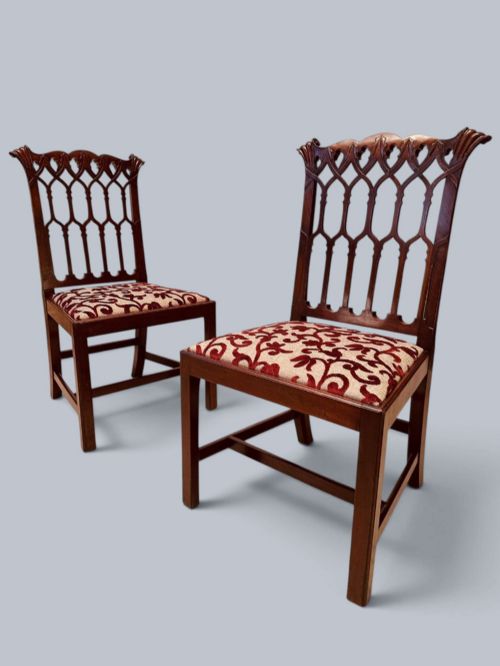
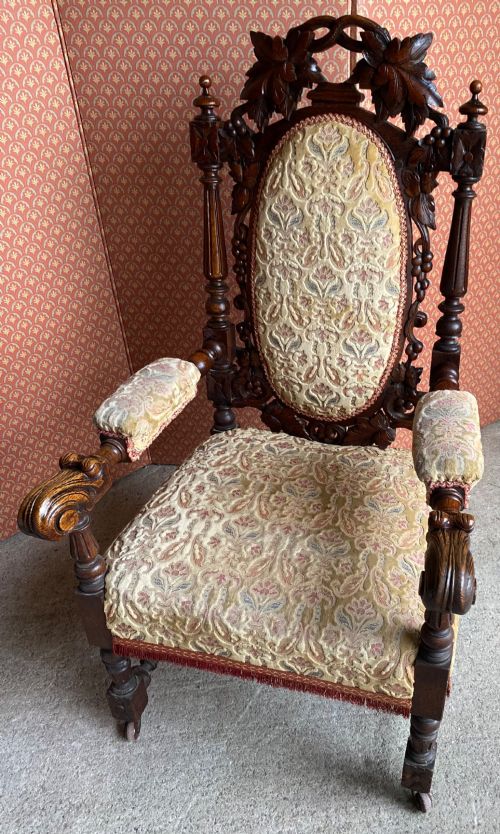
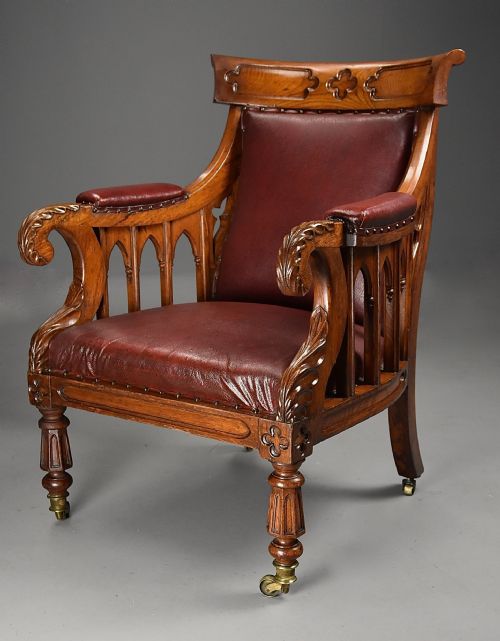
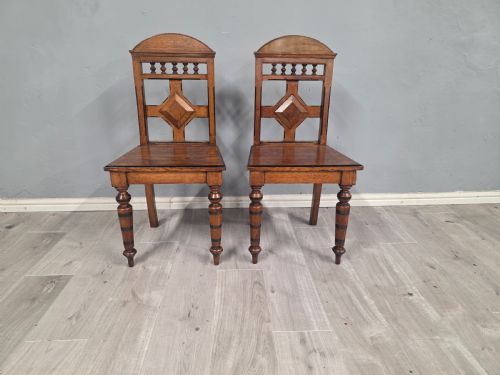
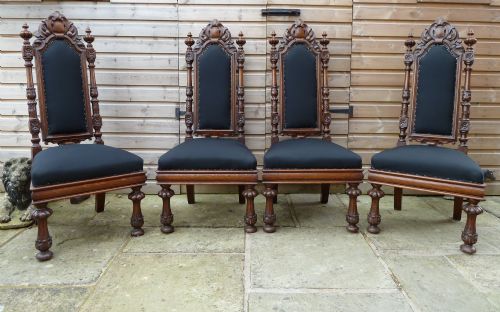
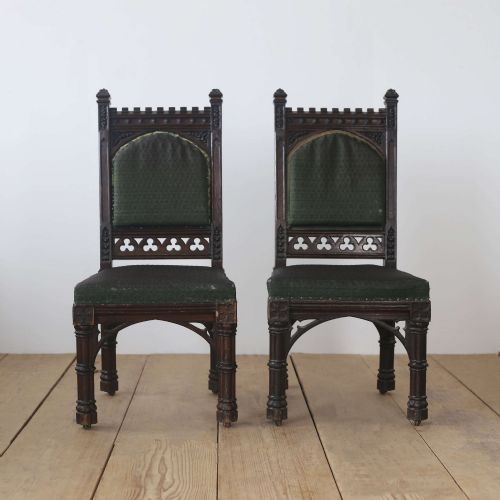
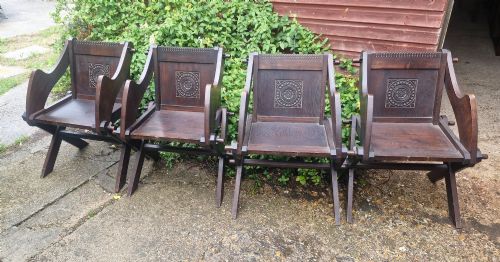
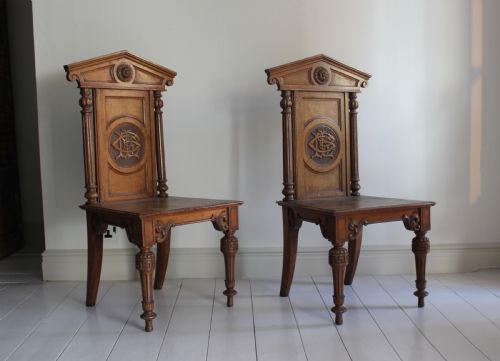
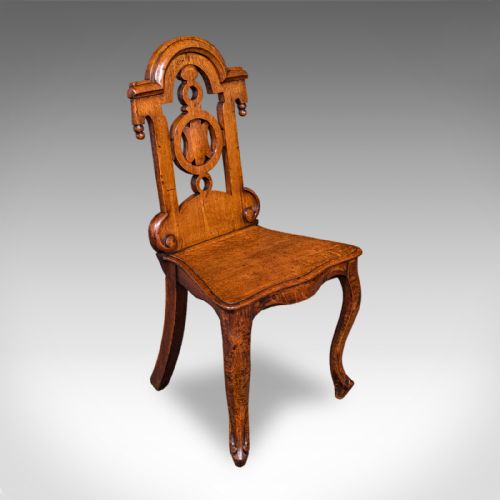
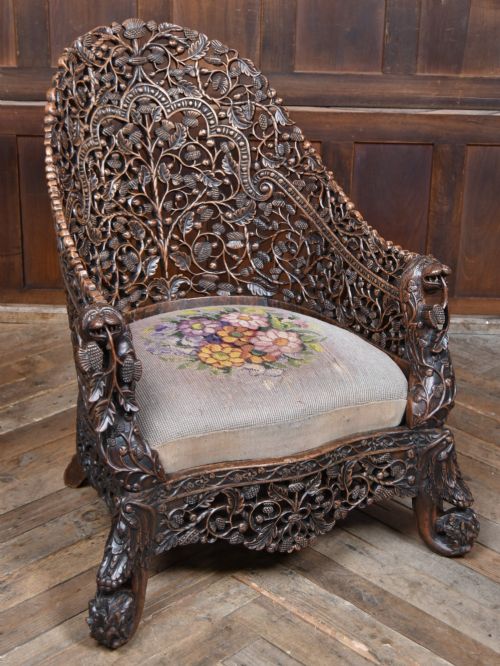
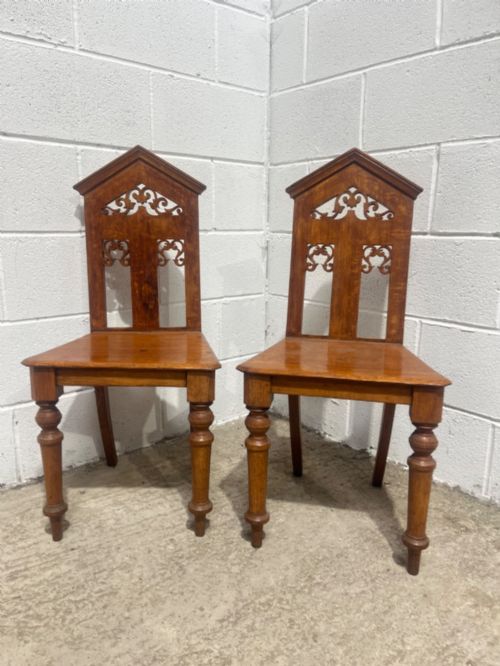
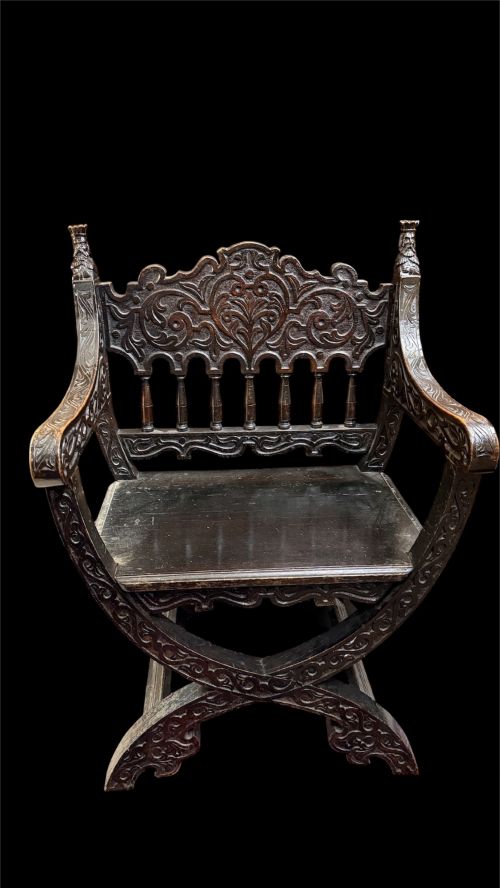
A victorian gothic accent chair draws on medieval forms, pointed arches and heavy timber construction popular during the nineteenth century. These pieces appear in various configurations, from solid wood hall chairs with heraldic shield backs to upholstered armchairs and Glastonbury cross-frame seats.
The selections here span the nineteenth century, including specific decades from eighteen-fifty to nineteen-hundred, alongside related revival styles like Jacobean, Aesthetic Movement and Renaissance Revival. Oak forms the primary structure for many armchairs and hall chairs, while walnut and mahogany appear in carved side chairs and library seating.
Buyers encountering this phrase usually find sturdy wooden seating designed for reception halls, studies and libraries rather than casual lounging. The grouping includes distinct seating types such as turners chairs, prayer chairs, high-backs and low accent chairs.
Materials and construction
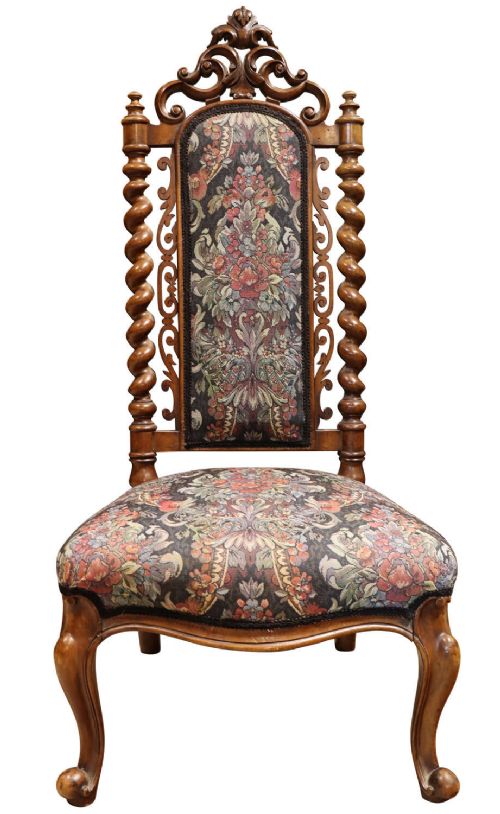
Carpenters relied heavily on domestic and imported timbers, primarily oak, walnut, mahogany and pitch pine, joined with traditional pegged or mortise-and-tenon construction to support heavy carved frames. Woodworkers utilised deep relief carving, turnings and pierced tracery to emulate medieval architectural details.
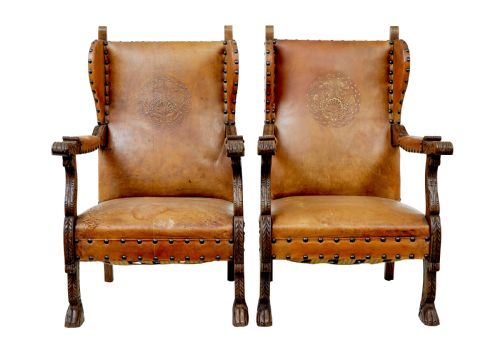
Upholstery materials range from embossed leather panels and tapestry fabric to plain textiles secured with brass tacks. Some frames feature painted finishes, ebonised surfaces or applied brass hardware to complement the dark, substantial aesthetic.
Victorian Gothic Accent Chair Retail Price Guide 2026
Typical asking prices for victorian gothic accent chair among the pieces listed under this phrase on Sellingantiques today, from the lower quarter to the upper quarter. They describe what is for sale here now, not the wider market.
The listings show oak as the predominant timber, appearing alongside walnut, mahogany, pitch pine, brass, leather and tapestry fabric across nineteenth-century forms.
Evaluating craftsmanship
Quality rests upon the crispness of the hand-carving and the depth of the timber selection, particularly in how sharply the Gothic tracery, heraldic shields and quatrefoils are defined. Heavy oak and walnut frames with tight, stable joinery demonstrate superior workshop origin compared to looser, mechanically produced alternatives.
The integrity of the original upholstery materials, leather panels and brass detailing elevates certain armchairs and hall chairs. Stamped maker marks or documented design lineage separate standard commercial production from pieces attributable to prominent nineteenth-century workshops.
Bruce Talbert·Gillows of Lancaster·Collier and Plucknett
The Victorian Gothic Accent Chair Glossary
- Gothic Revival
- An architectural and decorative style drawing inspiration from medieval forms, pointed arches and structural stone ornamentation translated into wood and metal. This movement dominated nineteenth-century furniture design.
- Turners Chair
- A traditional seating form constructed entirely from turned wooden spindles and members, often associated with sixteenth-century styles revived during the Victorian era. These chairs feature triangular or square seats with high spindles.
- Glastonbury Chair
- A type of ecclesiastical X-frame armchair with a sloping panel back and flat armrests, popular in nineteenth-century interpretations of medieval church seating. Pitch pine and oak serve as common timbers for this form.
- Hall Chair
- A rigid wooden seat intended for entrance halls rather than prolonged sitting, usually featuring a solid carved back displaying heraldic motifs or family crests. These chairs prioritized visual impact over physical comfort.
Victorian Gothic Accent Chair: Frequently Asked Questions
Where did people place these chairs?
These chairs originally occupied entrance halls, reception rooms, libraries and studies where visitors would wait or where owners wanted to project historical authority. Their solid wooden construction and upright posture suited formal spaces rather than private living quarters.
Today, they function well as standalone accent pieces in hallways, bedrooms or living rooms, adding architectural weight to an interior without dominating daily seating arrangements.
How do I spot a genuine nineteenth-century piece?
Examine the timber joints, hand-carving depth and overall wear patterns on the wood and upholstery. Nineteenth-century examples display tool marks, pegged joinery and dense, mature woods like oak or walnut rather than modern composite materials.
Check for period-appropriate construction methods beneath the seat and look for signs of age in the patina of the timber and the wear on leather or tapestry panels.
Are these chairs comfortable for daily use?
Most hall chairs and wooden armchairs from this period were built for posture and visual display rather than lounging. Upright backs and rigid wooden seats encourage short-term sitting in entryways or studies.
Upholstered variants featuring leather or tapestry panels offer a softer sit, though nineteenth-century ergonomics differ significantly from modern upholstered armchairs.
What is the difference between gothic revival and jacobean revival?
Gothic revival furniture borrows motifs from medieval architecture, including pointed arches, tracery, quatrefoils and spires. The aesthetic mimics stone cathedrals translated into heavy timber frameworks.
Jacobean revival draws on seventeenth-century English styles, characterised by turned spool legs, geometric panel moulding and strapwork carving. Both styles appear frequently in Victorian seating but utilise distinct decorative vocabularies.