
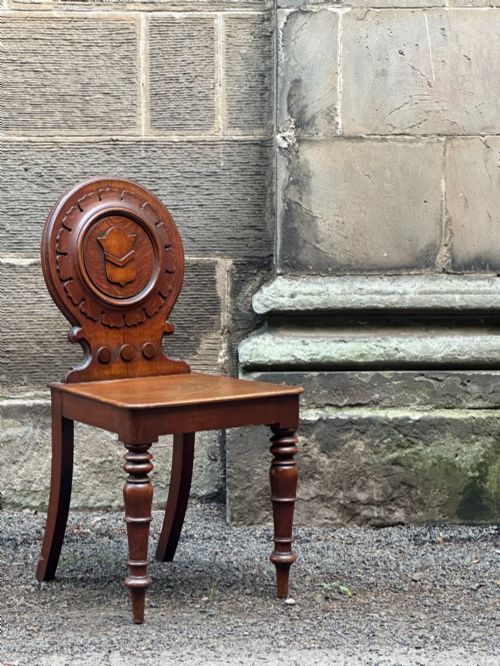
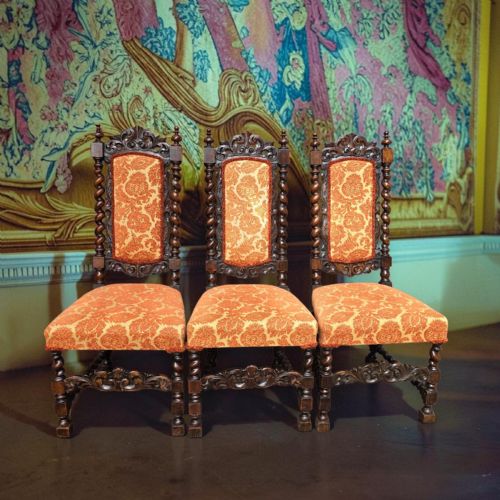


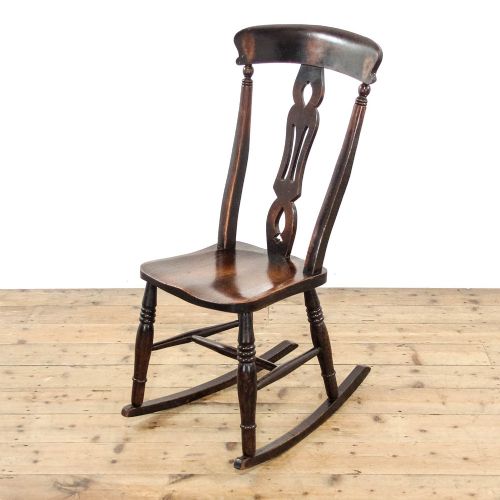


Nineteenth Century Oak Chair
A nineteenth century oak chair brings rugged honesty to a room, offering robust timber construction built to endure generations of daily sitting.
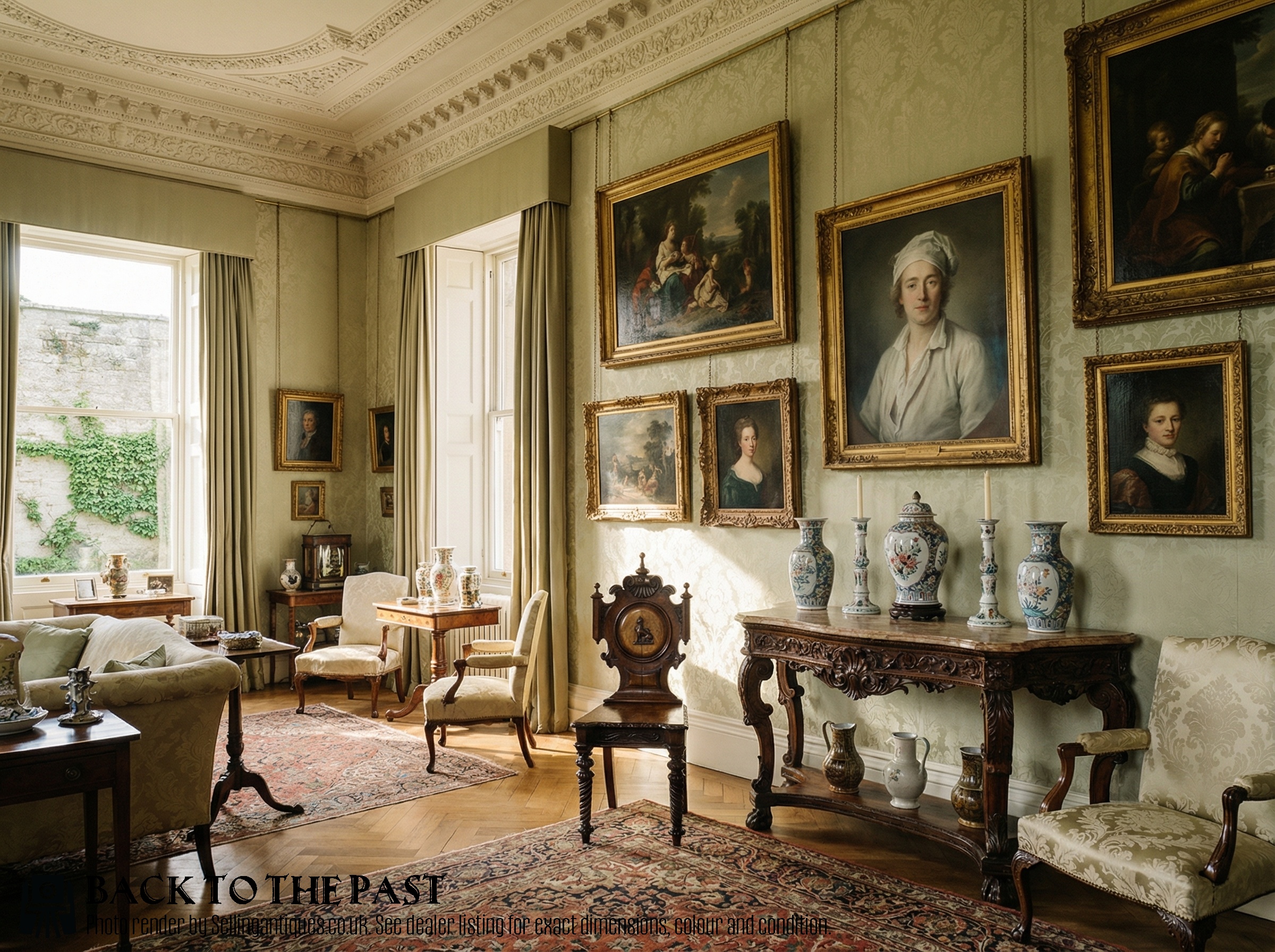
Nineteenth Century Oak Chair
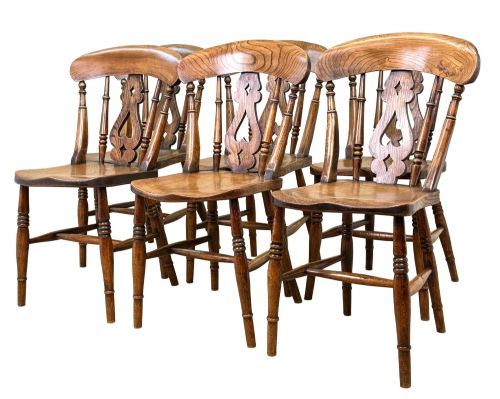
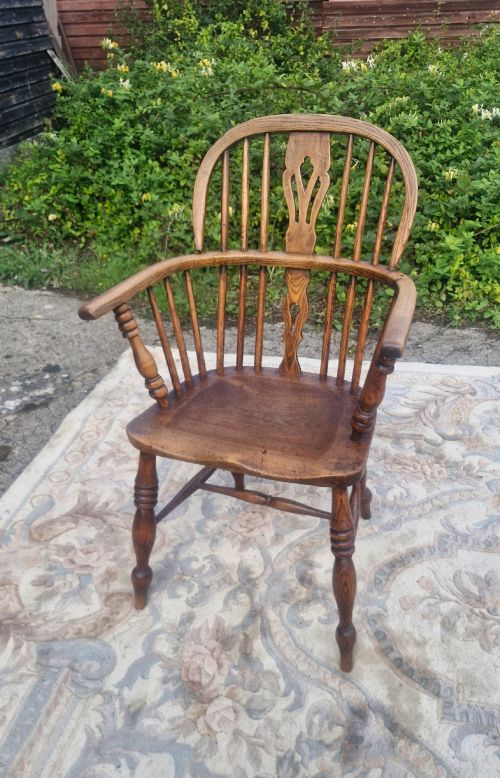
A nineteenth century oak chair encompasses a diverse range of seating, from sturdy farmhouse Windsors and kitchen dining sets to formal hall chairs and office captain's chairs. These pieces emerge predominantly from Victorian and Regency periods, carrying distinct regional characteristics from English, Welsh and Scottish makers.
The buyer meets many variations on this page, including high-backed Gothic revival pieces, low-backed rocking chairs, and vernacular country seating built for utility. Dining chairs appear individually or in matched sets, alongside specialised forms like revolving desk chairs and child's armchairs.
Makers of the era utilised oak alongside secondary timbers like elm, ash, and beech, incorporating leather or textile upholstery on specific desk and library models. Every piece reflects the utilitarian and stylistic demands of nineteenth-century domestic, civic, and commercial life.
How they were made
Carpenters constructed nineteenth century oak chairs using solid timber frames joined with traditional mortise and tenon joints, often combining oak with elm or ash for flexible Windsor spindles and bentwood hoops. Workshops employed turned elements like barley twist legs and spindle supports, shaping seats from solid slabs of oak or elm.
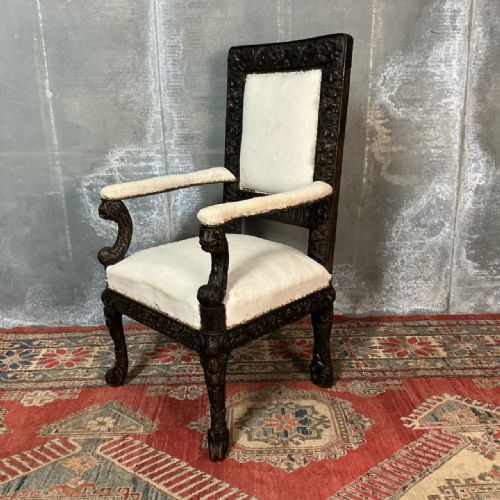
Surface decoration involved relief carving in Gothic revival, Jacobean, and Baroque styles, utilising brass fixings for pivoting desk mechanisms and leather or velvet inserts for upholstered seats and back pads. Finishers applied natural waxes and oils to accentuate the grain of golden, bleached, or dark oak.
Listings feature nineteenth century oak chairs across Victorian, Regency, and Georgian periods, utilising materials including brass, leather, velvet, and elm.
What varies in quality
The standard of a nineteenth century oak chair depends on timber selection, such as figured pollard oak versus plain utilitarian boards, and the crispness of hand-carved relief detailing on back panels. Original matching sets command greater attention than assembled groups, while sturdy structural integrity without excessive timber shrinkage distinguishes superior examples.
Refined joinery, such as pegged joints that remain tight and uncompromised by heavy past repairs, separates utilitarian workshop output from exceptional cabinet maker production. The presence of original upholstery materials, specialised mechanisms like revolving desk actions, and documented provenance elevate specific pieces above standard domestic seating.
Duncan McKellar of Fenwick·Gillows of Lancaster·Richard Hicks Bridgens
The Nineteenth Century Oak Chair Glossary
- Windsor chair
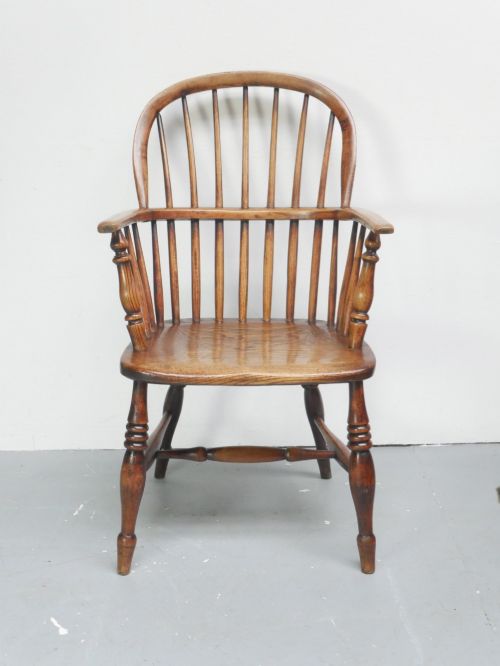
- A chair built with a solid wooden seat into which the legs and back spindles are direct-inserted. These country pieces often feature bentwood hooped backs and comfortable saddled seats.
- Gothic Revival
- A design style drawing inspiration from medieval architecture, characterised by pointed arches, trefoils, and heavy carved tracery. This aesthetic appears frequently on nineteenth-century church and hall chairs.
- Barley twist
- A decorative turning technique resembling a twisted rope, carved into chair legs and stretchers during the Victorian period. It adds dynamic visual texture to otherwise plain frames.
- Smokers bow
- A low-backed wooden armchair with a rounded spindle back, often used in offices, smoking rooms, and public houses. It provides robust support with compact proportions.
- Sgabello
- A Renaissance-style Italian chair with a flat wooden seat and solid carved trestle supports, utilised primarily as an ornamental hall chair in nineteenth-century interiors.
Nineteenth Century Oak Chair: Frequently Asked Questions
What is a nineteenth century oak chair used for today?
These chairs function practically as dining seats, desk chairs, and reading armchairs in modern rooms. Their durable construction makes them suitable for daily household use.
Collectors also place decorative hall chairs and Windsor armchairs in entryways and corners to add historical character to an interior.
How do I identify a Victorian oak chair?
Victorian examples often display heavier proportions, machine-assisted or hand-carved Gothic revival motifs, and darker polished finishes. Many incorporate popular revival styles like Jacobean twist turnings.
Checking beneath the seat reveals construction traits, tool marks, and timber ageing that help separate nineteenth-century production from later reproductions.
Are Windsor chairs comfortable?
Windsor chairs offer surprising ergonomic comfort due to their saddled wooden seats, which are scooped out to fit the body. The raked spindle backs provide supportive angles for upright sitting.
Adding a loose seat cushion can increase comfort for prolonged sitting during meals or desk work.
What is the difference between a hall chair and a dining chair?
Hall chairs are typically constructed entirely of wood with solid backs, designed for occasional seating in entryways rather than long dinner parties. They often feature prominent carved crests, coats of arms, or decorative panels.
Dining chairs prioritize comfort and usually come in sets, sometimes featuring upholstered seats or lower profiles suited for tables.