



Solid Oak Accent Chair
A solid oak accent chair brings robust timber and historic character into a modern room, offering sturdy utility alongside centuries of design lineage.
Solid Oak Accent Chair
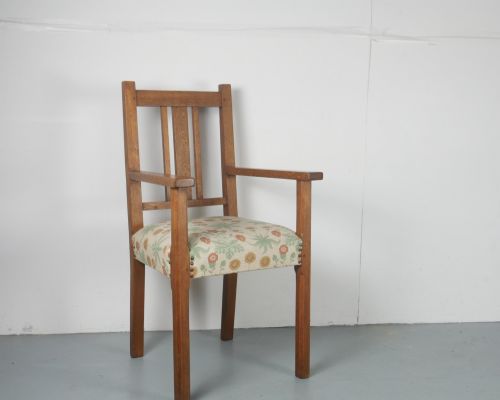
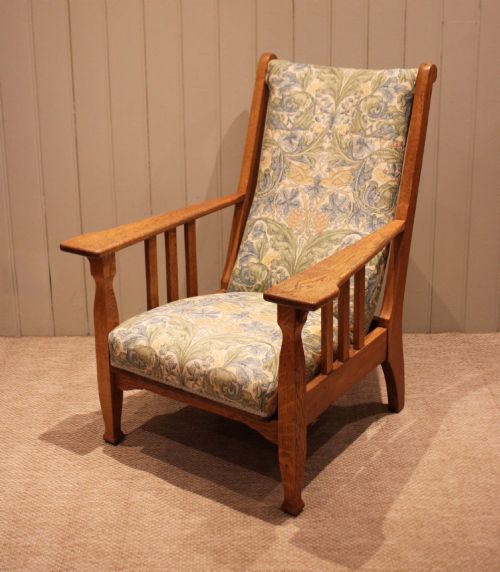
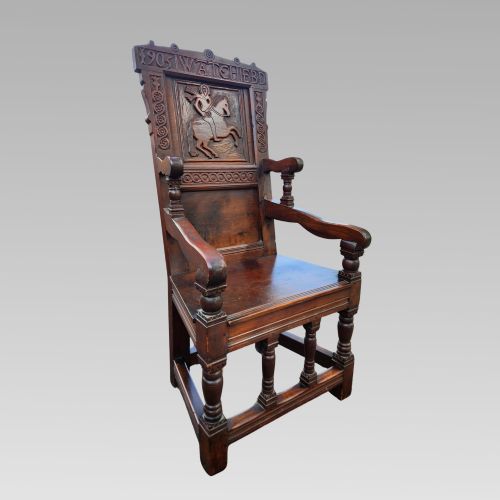
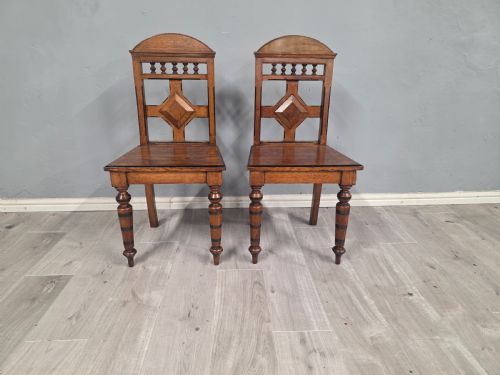
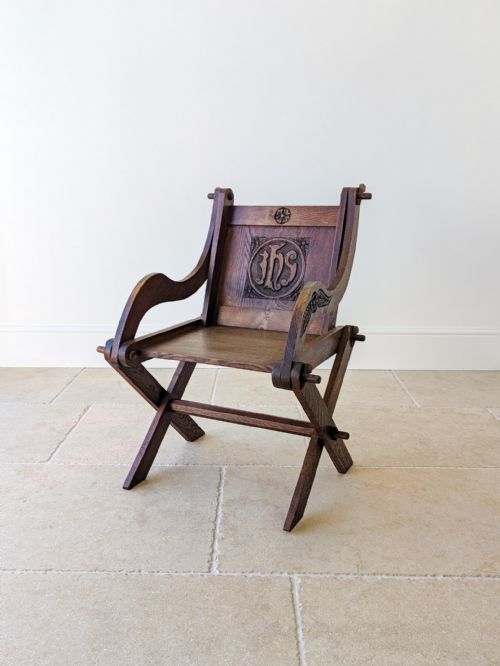
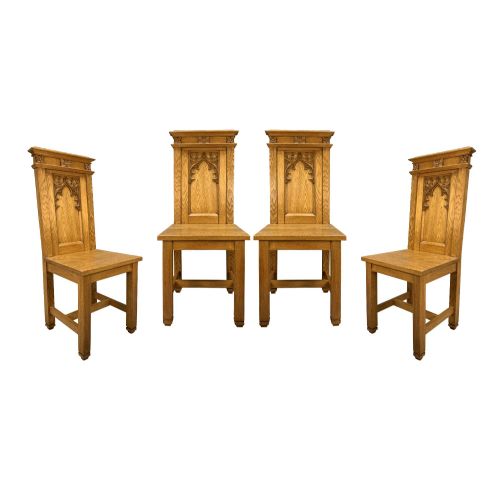
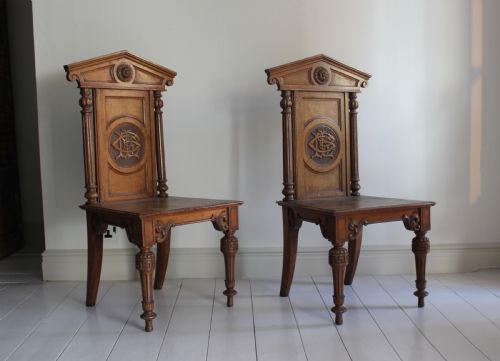
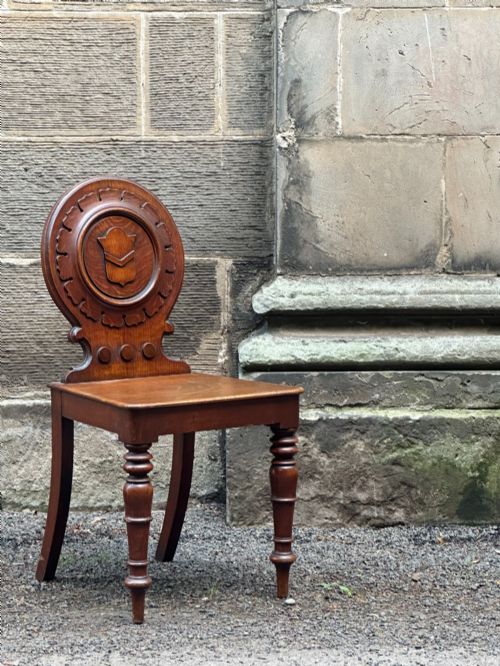
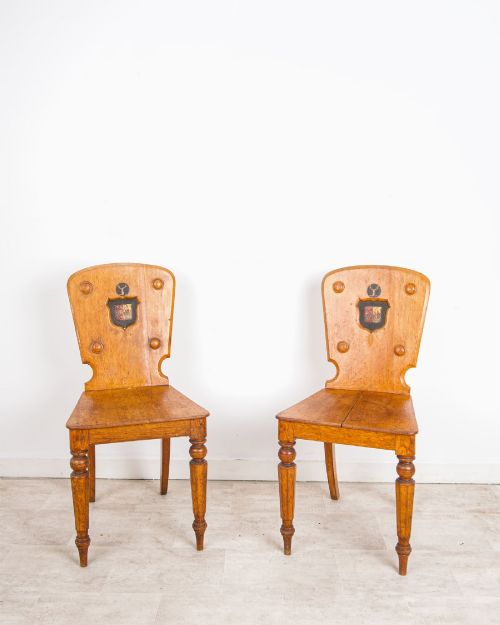
A solid oak accent chair spans several centuries of British and continental woodworking, encompassing functional seating from the seventeenth, eighteenth, and nineteenth periods. When buyers search for a solid oak accent chair, they typically encounter Victorian gothic revival hall chairs, Edwardian arts and crafts models, and sturdy wainscot armchairs.
Origins range across English country houses, municipal buildings, and churches, yielding pieces designed for both formal display and heavy domestic use. Buyers frequently find pairs alongside individual statement seats, reflecting how these timbers were originally commissioned for grand hallways and parlours.
How they were made
Cabinet makers constructed these seats using thick oak boards joined with traditional mortise and tenon framing, secured by wooden pegs rather than modern metal fasteners. Turners shaped supporting legs and stretchers on pole lathes, producing dense structural frames capable of enduring centuries of weight and movement.
Surface ornamentation relied on deep hand carving, incised geometric panels, and sometimes applied paint or dark wax finishes to enrich the natural grain of the wood. Upholstered variants integrated supportive webbing, linen, and leather secured with brass tacks, while simpler wooden seats utilised moulded or dug-out timber contours.
Solid Oak Accent Chair Retail Price Guide 2026
Typical asking prices for solid oak accent chair among the pieces listed under this phrase on Sellingantiques today, from the lower quarter to the upper quarter. They describe what is for sale here now, not the wider market.
Keep an eye out for diminutive wainscot chairs built in small sizes, proving that historic households occasionally catered to miniature occupants.
What varies in quality
The degree of crispness in the hand-carved relief work and the depth of the timber grain largely differentiate standard utilitarian seating from superior artisan commissions. Well-preserved original surfaces and tight, uncompromised joinery indicate superior workshop execution from the outset.
Proportional harmony and the integrity of the structural timber dictate the desirability of each piece, distinguishing honest period survivors from heavily restored or later composite items.
The Solid Oak Accent Chair Glossary
- Wainscot chair
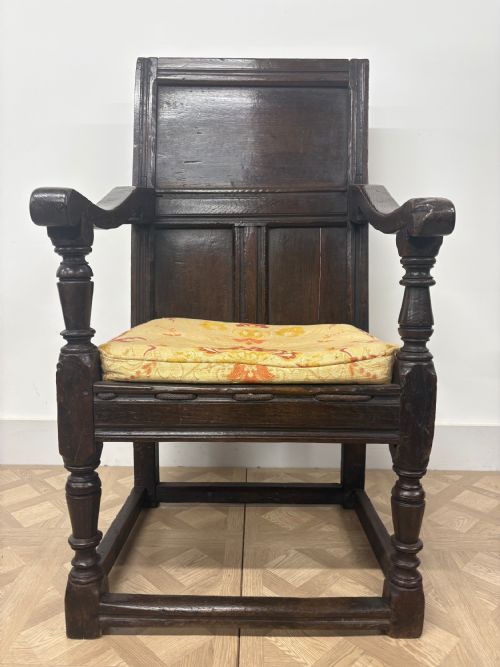
- A heavy wooden armchair dating from the sixteenth or seventeenth century, constructed with panelled backs and solid timber seats.
- Sgabella
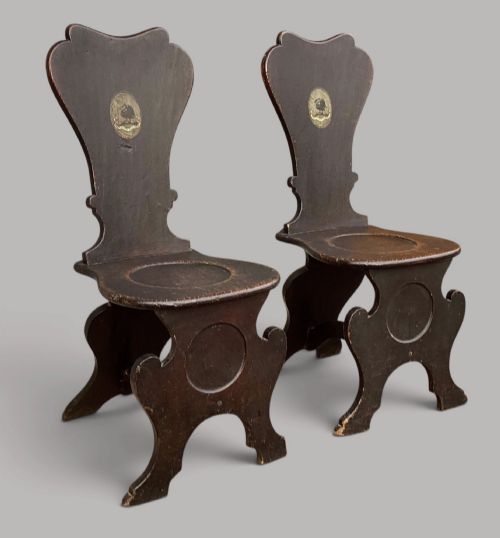
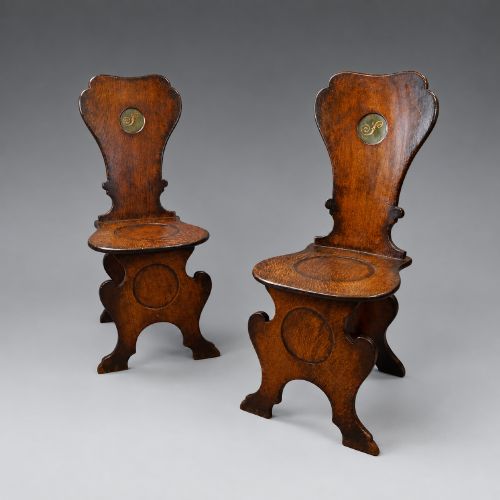
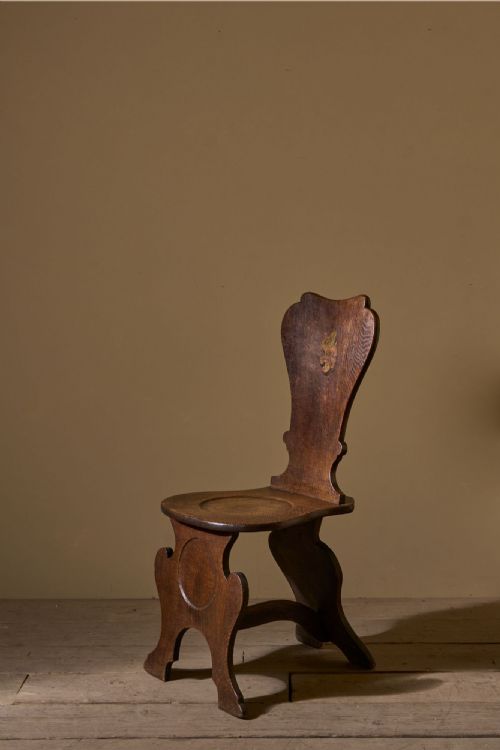
- A lightweight wooden hall chair characterised by a solid backboard and splayed trestle legs, often decorated with carved panels.
- Turners chair
- A heavy armchair built entirely from turned wooden spindles and posts, following traditional joinery methods popular in the seventeenth century.
- Shield back
- A chair back shaped like a heraldic shield, frequently carved with crests or foliage during the eighteenth and nineteenth centuries.
- Gothic revival
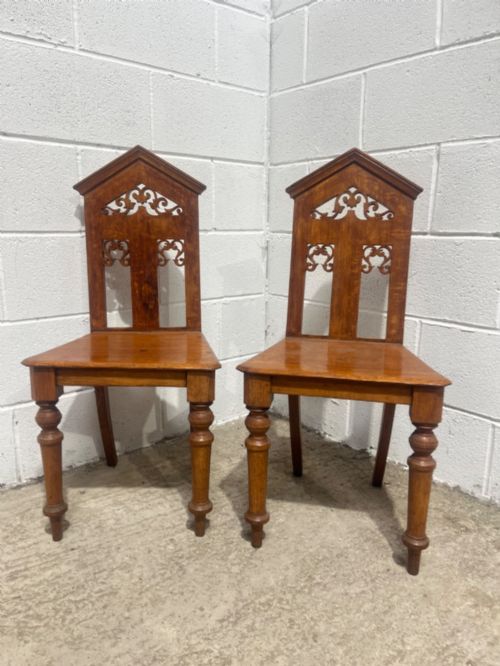
- An architectural and decorative style popular during the nineteenth century, incorporating pointed arches, trefoils, and heavy carved tracery.
Solid Oak Accent Chair: Frequently Asked Questions
How were historic oak chairs used?
Historic oak chairs were primarily placed in grand hallways, parlours, or churches to display status, seat visitors, or anchor a room's decorative scheme.
Heavier wainscot and turner's chairs served as principal seats for heads of households, while lighter hall chairs functioned as occasional seating.
How do I live with an antique oak chair?
Living with an antique oak chair involves placing it away from direct heat sources and sudden temperature fluctuations to protect the solid timber and historic finish.
Routine dusting and occasional application of appropriate wax help maintain the lustre of the wood without dampening its character.
How can I tell the period of an oak chair?
Determining the period requires examining construction methods, tool marks, joinery techniques, and stylistic motifs such as carved linenfold or gothic tracery.
Earlier pieces rely on pegged mortise and tenon joints and heavy turned members, whereas later nineteenth-century revivals often incorporate machine-sawn elements and softer pine secondary woods.