
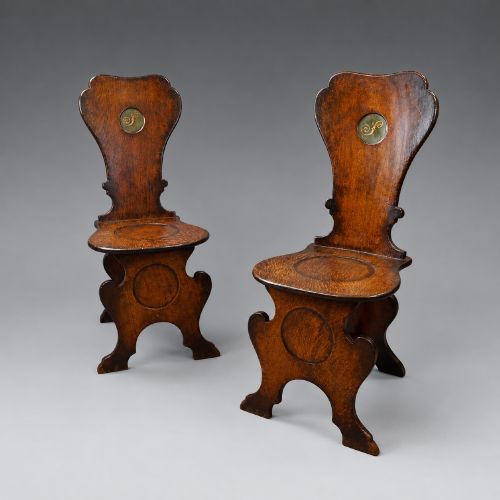
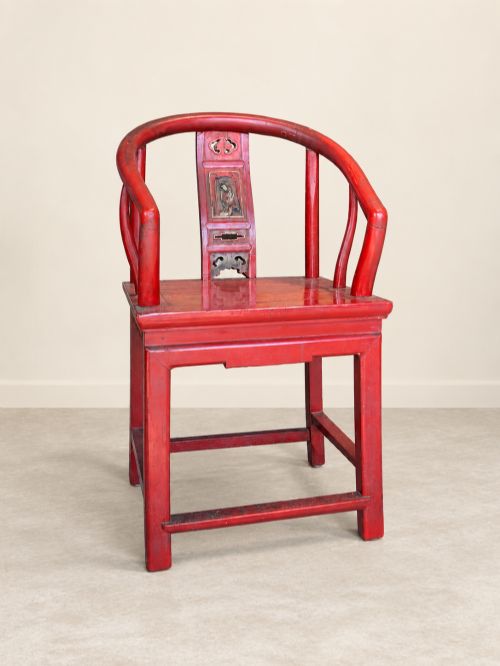
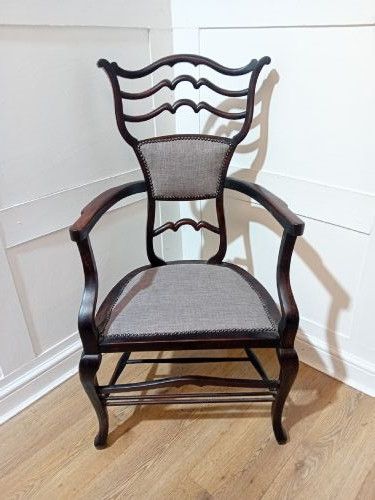
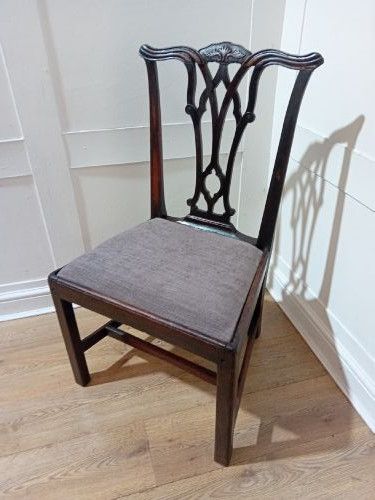


Carved Wooden Accent Chair
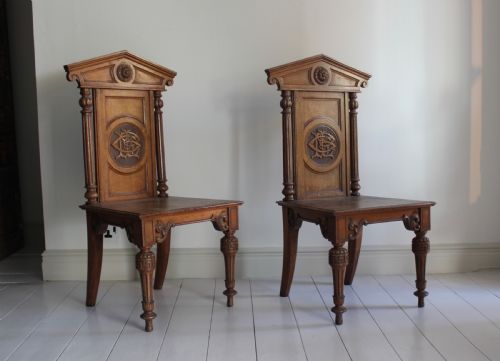
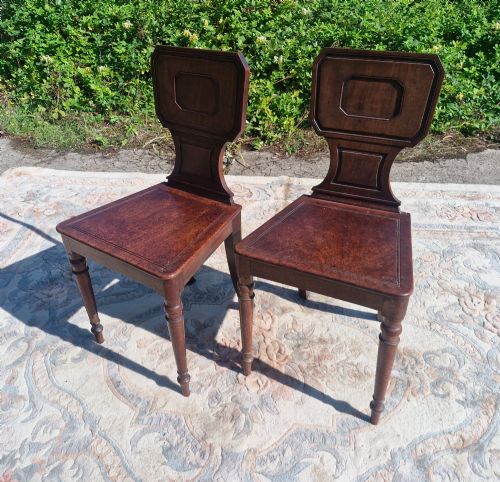
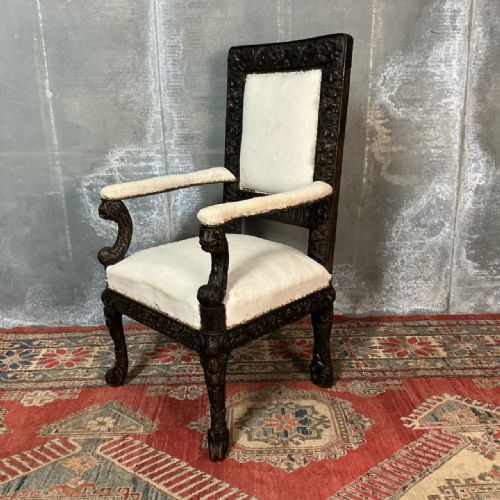
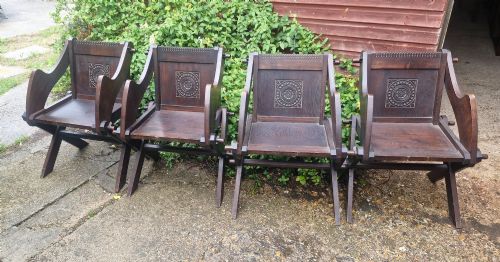
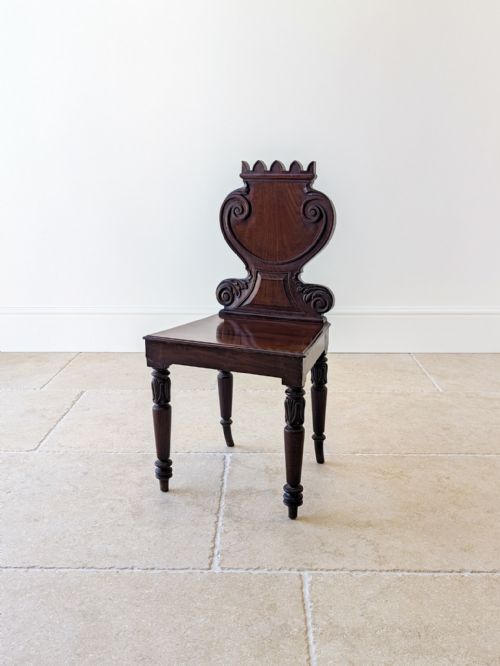
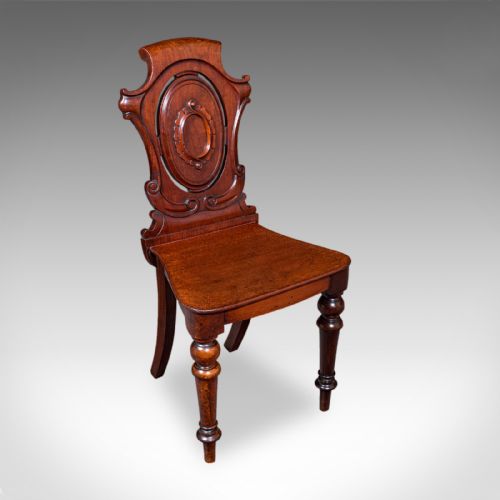
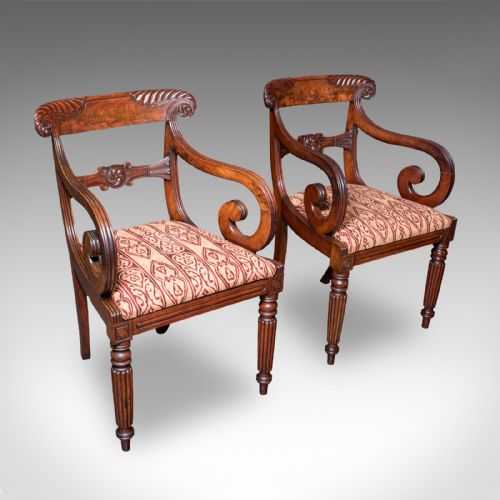
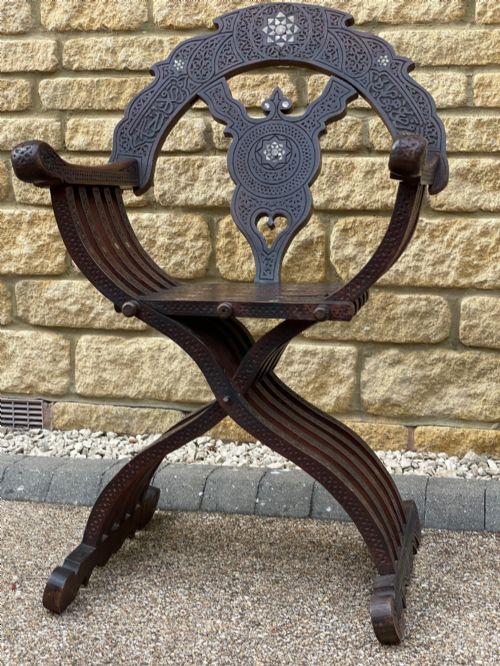
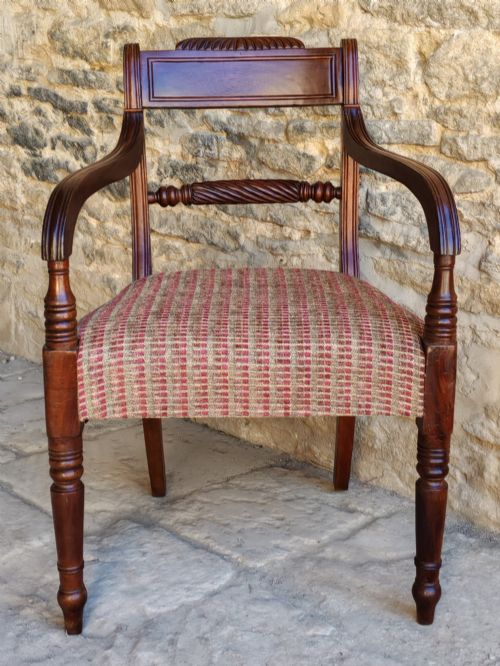
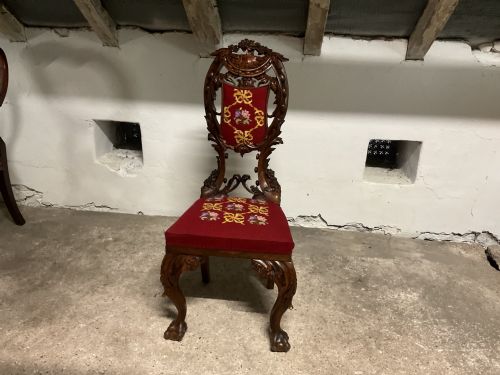
These carved wooden accent chair examples bring rich Victorian character and diverse global styles into a room.

What a carved wooden accent chair is
A carved wooden accent chair offers functional seating with ornamental presence, spanning Victorian, Aesthetic Movement, Carolean Revival, Louis XV Revival, English Country, and Chinese Export styles. These pieces function as statement items in hallways, sitting rooms, and bedrooms.
The selection on this page centres on 19th Century and early 20th Century examples, predominantly featuring walnut, mahogany, oak, and ebonised wood. Forms range from side chairs and nursing chairs to open armchairs and low-back Windsor designs.
Buyers frequently encounter pairs and sets of three alongside singular statement chairs. Origins stretch from English workshops to Chinese export studios.
How they were made
Craftsmen built these chairs using solid timbers such as walnut, mahogany, and oak, often shaping frames with hand-carved ornamentation. Ebonised wood provides a dark, polished finish that mimics more expensive exotic materials.
Upholstery techniques utilise period fabrics, tapestries, and rush seating woven directly into the wooden frames. Brass components occasionally appear as structural or decorative accents on specific models.
Joinery methods rely on traditional carpentry suited to the specific period and regional style, from English country traditions to oriental carving techniques.
Retail Price Guide 2026
Typical UK retail prices for carved wooden accent chair, calculated from the Sellingantiques database of over a million retail prices indexed since 2003. This retail price guide relies exclusively on Sellingantiques data; no external sources or auction records are used, so the figures do not describe the wider market.
Listings feature woods such as walnut, mahogany, oak, and ebonised wood alongside rush and brass materials.
What varies in quality
The depth and crispness of the wood carving distinguish exceptional examples from simpler production. Superior pieces exhibit confident hand-tooling and well-defined motifs across the walnut or mahogany frames.
The integrity of the frame construction and the preservation of original materials dictate the standing of a piece. Original tapestry or fabric upholstery combined with sturdy timber framing elevates the overall character.
The Carved Wooden Accent Chair Glossary
- Nursing chair
- A low-seated Victorian armchair designed originally for nursing infants, often featuring an upholstered seat and back.
- Aesthetic movement
- A late 19th Century style prioritising visual beauty over narrative subject matter, drawing inspiration from Japanese and oriental art.
- Carolean revival
- A style reviving the rich carving and high backs of the late 17th Century English Restoration period.
- Ebonised wood
- Timber treated with a dark stain or finish to simulate expensive ebony.
- Windsor chair
- A wooden chair constructed with a solid wooden seat into which the back and legs are wedged and pinned.
Frequently Asked Questions
Where should I place a carved wooden accent chair?
These chairs suit hallways, corners of living rooms, or bedrooms where an extra seat with decorative presence is needed. Their distinct styles allow them to stand alone as focal points.
Matching the period style of the chair to surrounding furnishings helps integrate it smoothly into an existing room layout.
How do I identify a Victorian accent chair?
Victorian pieces often utilise walnut, mahogany, or ebonised wood paired with robust carved detailing. Look for traditional forms like low-backed nursing chairs or framed open armchairs.
Stylistic cues often reference revival movements or the Aesthetic Movement popular during the 19th Century.
Are these chairs suitable for daily seating?
Many of these pieces were built for functional domestic use, though older frames require mindful daily treatment. Upholstered versions offer comfortable padding for regular sitting.
Checking the structural firmness of the wooden frame helps determine its suitability for frequent use.
What is an ebonised wood finish?
Ebonised wood is timber finished to resemble dark ebony. This technique was popular in the 19th Century to create striking contrast and formal elegance.
It provides a sleek, dark surface that highlights surrounding gilt or fabric elements.