
19th Century Open Armchair
When you search for a 19th century open armchair, you look for a seat that balances architectural timber frames with deep upholstery.
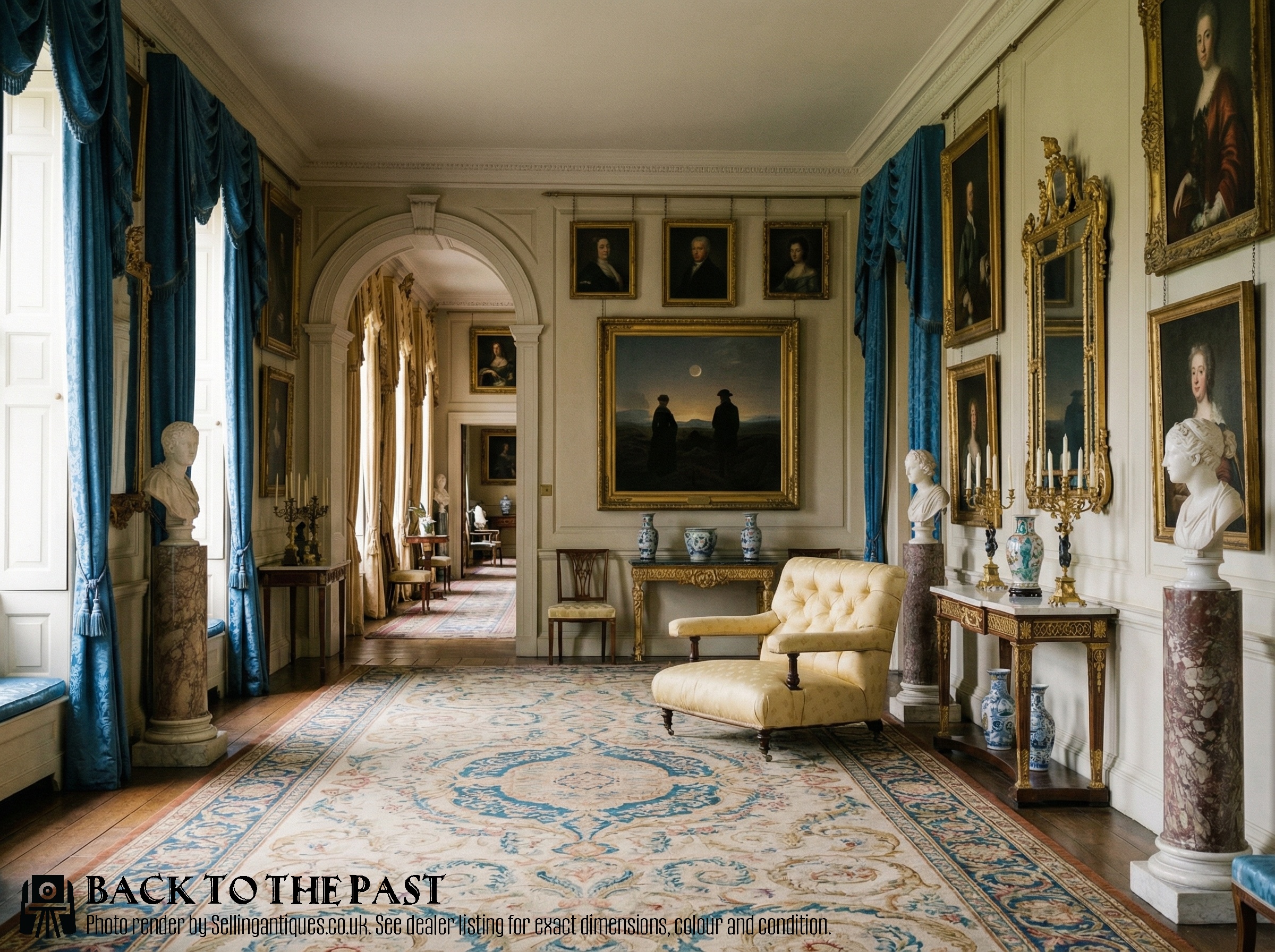
What a 19th century open armchair is
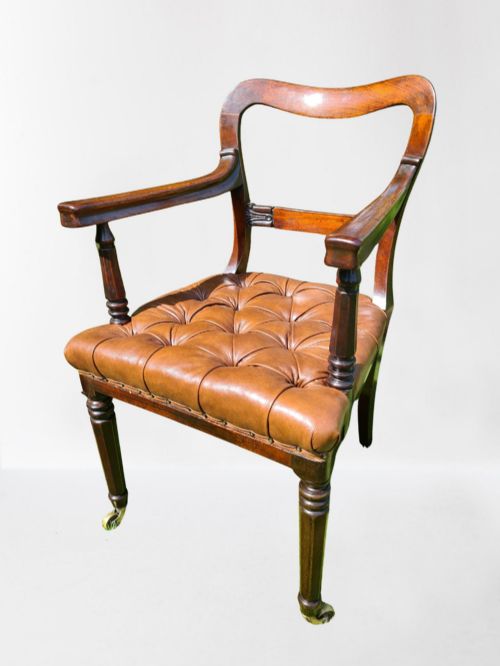
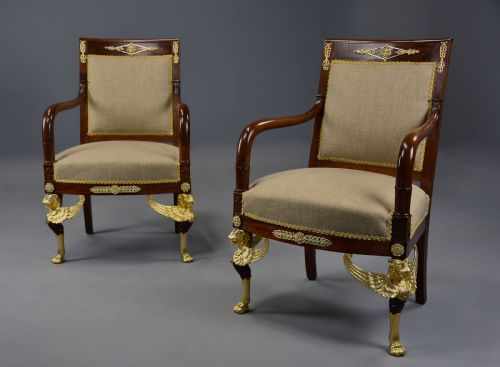
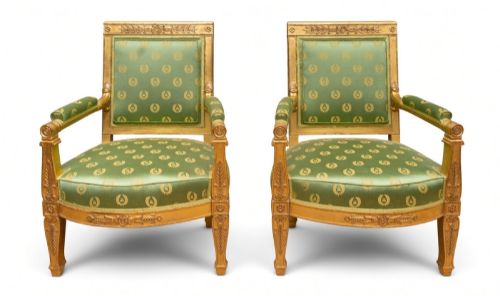
A 19th century open armchair is a seating form defined by its exposed wooden arms and structural frame, sitting without full upholstered side panels. The versions most likely to meet you on this page span the Regency period through the Victorian era, taking influences from Rococo Revival and the English country vernacular.
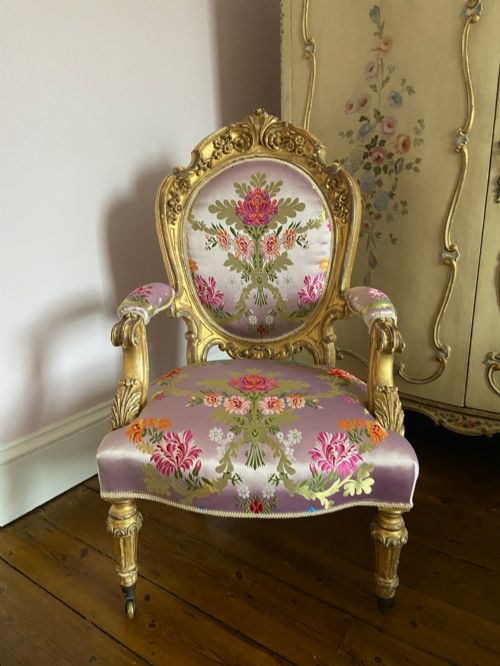
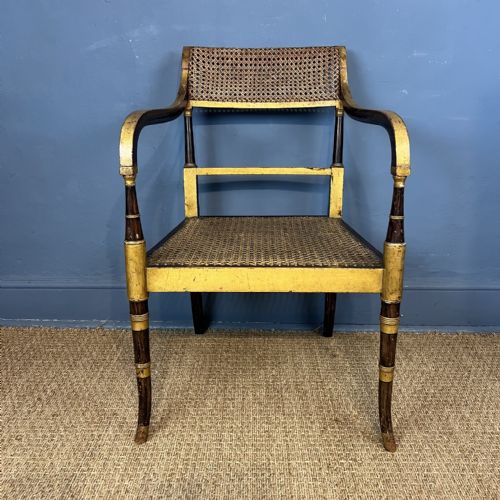
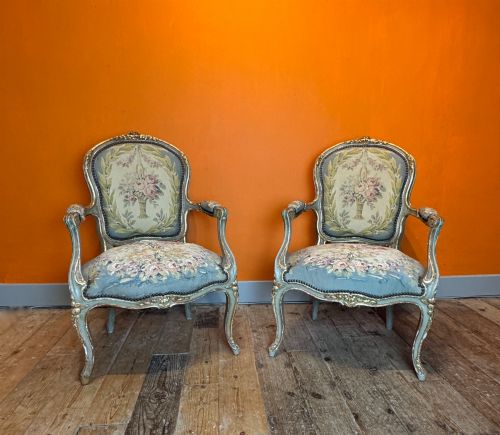
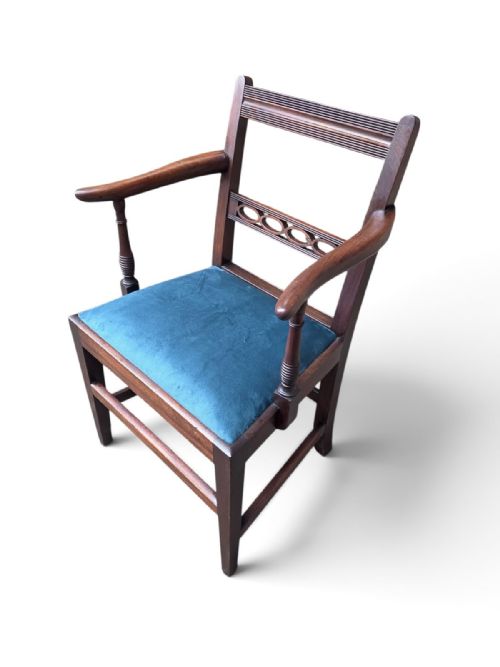
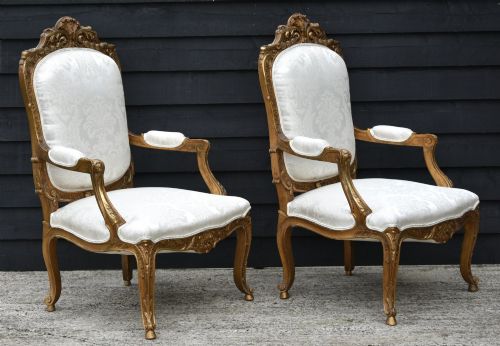
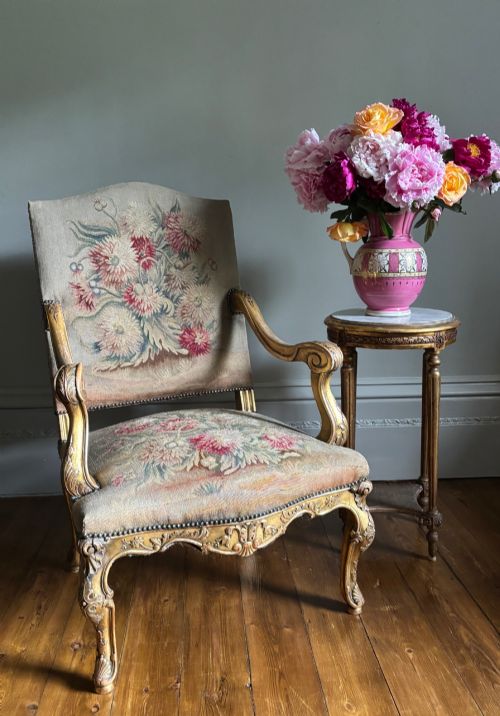
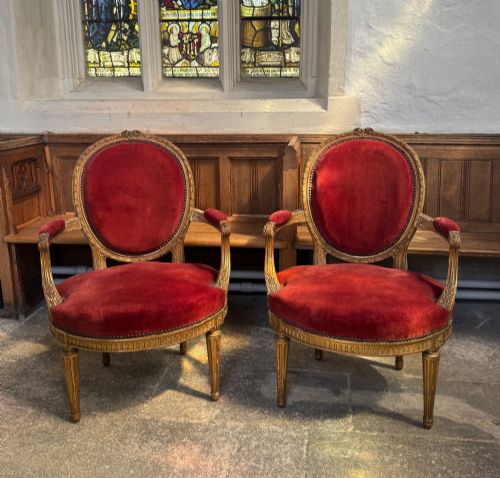
The form appears in various domestic contexts, from the deep-seated library chair designed for reading to the lighter occasional chair and the grander giltwood salon seat. Makers adapted these chairs to suit changing tastes, producing everything from simple spindleback timber frames to heavily carved walnut and mahogany silhouettes.
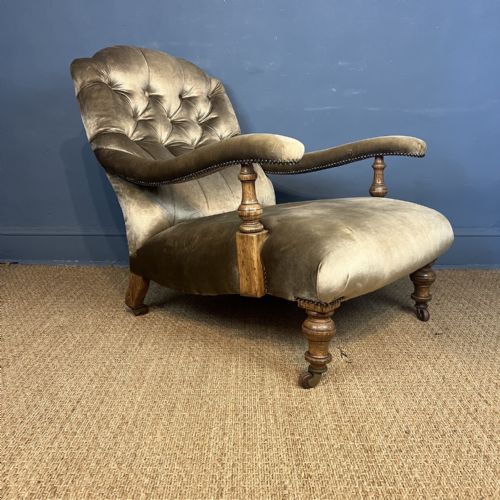
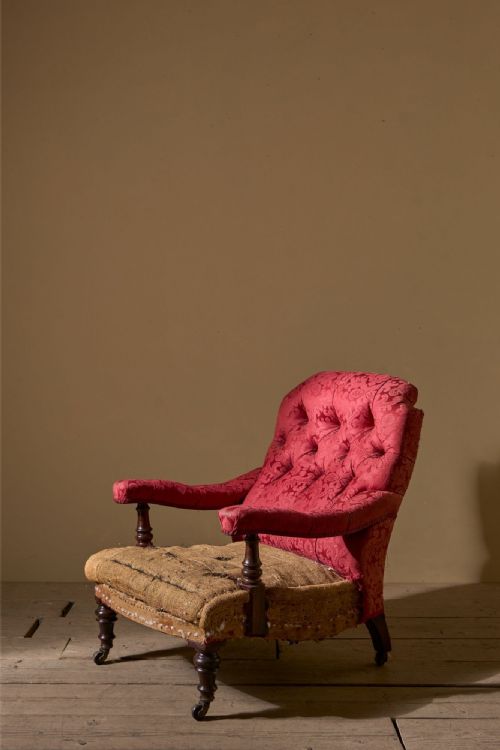
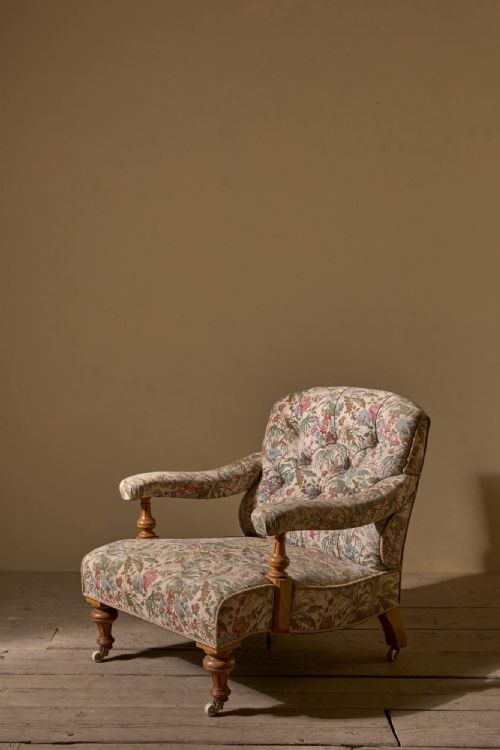
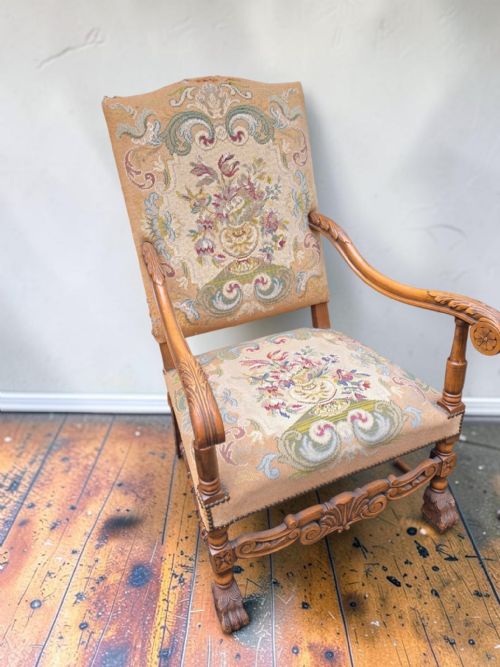
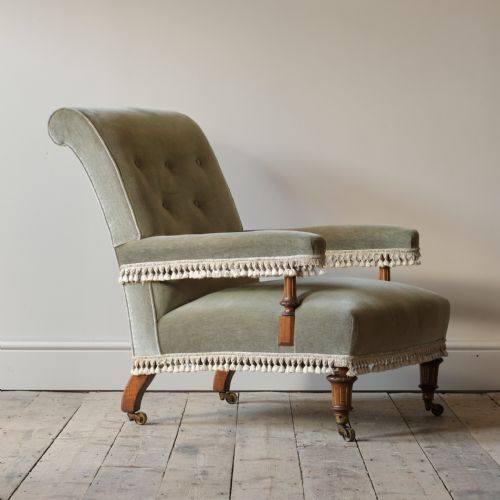
Howard style armchairs represent a significant portion of these listings, known for low proportions and deep comfort. Alongside them, you find country house examples upholstered in patterned textiles alongside formal French-inspired fauteuils.
Materials and construction methods
Frames rely on dense hardwoods such as mahogany, walnut, oak and rosewood, shaped by hand with mortise and tenon joinery. Some pieces utilise giltwood and paint finishes, incorporating brass hardware and decorative elements to enhance the timber surfaces.
Upholstery techniques involve webbing, springs and horsehair stuffing beneath textile layers, securing the padding directly to the timber frame. Textile choices include needlepoint panels, silk, and contemporary patterned prints applied to historical foundations.
Retail Price Guide 2026
Typical UK retail prices for 19th century open armchair, calculated from the Sellingantiques database of over a million retail prices indexed since 2003. This retail price guide relies exclusively on Sellingantiques data; no external sources or auction records are used, so the figures do not describe the wider market.
Listings feature woods like mahogany and walnut alongside painted finishes and giltwood frames.
Discerning quality in these armchairs
Quality rests in the integrity of the timber frame and the precision of the carved details, where crisp joinery separates robust structural forms from weaker constructions. Walnut and mahogany pieces with well-defined proportions display greater depth of design.
The sophistication of the upholstery foundation and the fidelity of revival styles dictate the upper tier of the range. Chairs bearing maker stamps or attribution to established workshops carry distinct historical weight compared to unbranded vernacular examples.
Miles and Edwards·Howard and Sons·Giles Grendey·Holland and Sons·Gillows·Robertson and Coleman·Cornelius V Smith·Trollop and Sons·John Reid and son
The 19th Century Open Armchair Glossary
- Fauteuil
- An open-armed wooden armchair of French origin, typically featuring upholstered back and arm pads with exposed woodwork. This form gained popularity in various nineteenth-century revival schemes.
- Giltwood
- Timber coated with a thin layer of gold leaf or metal powder over a prepared ground. It provides a bright decorative surface seen on formal salon seating.
- Spindleback
- A chair back constructed with a series of thin, turned wooden rods or spindles. This vernacular style appears frequently in earlier nineteenth-century seating.
- Needlepoint
- A type of canvas work embroidery executed with wool or silk yarn. It often covers the seat and back panels of decorative French-influenced chairs.
- Gainsborough
- A wide, upholstered armchair with open padded arms and short legs, originating in the mid-eighteenth century and revived across the nineteenth century for libraries and studies.
Frequently Asked Questions
What defines a Howard style armchair?
Howard style armchairs are characterised by low, scrolling arms, deep seats, and sturdy internal frames designed for comfort. They emerged prominently in the nineteenth century as lounging seats for country houses.
These chairs often feature casters on the legs and heavy spring upholstery hidden beneath loose feather cushions and tight-fitting fabric covers.
How do I distinguish Regency from Victorian chairs?
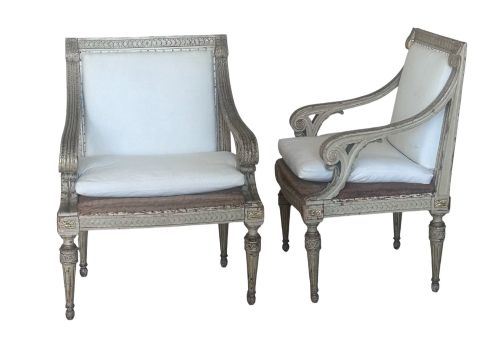
Regency open armchairs lean towards classical lines, draw inspiration from ancient Greece and Rome, and frequently incorporate painted finishes, brass inlay, or saber legs. They date from the early nineteenth century.
Victorian pieces, produced from the mid-nineteenth century onward, tend to be heavier, display darker woods like walnut or rosewood, and embrace exuberant revival styles such as Rococo or Baroque.
Were open armchairs used in bedrooms or libraries?
Open armchairs served multiple domestic functions depending on their scale and upholstery depth. Lighter, painted or giltwood versions sat in formal drawing rooms and salons.
Deeply sprung models with low seats functioned as library chairs intended for prolonged reading, while occasional chairs filled bedchambers and smaller sitting spaces.
What is the difference between a fauteuil and a standard armchair?
A fauteuil specifically denotes an open armchair styled after French furniture design, featuring exposed carved woodwork around the frame and upholstered arm pads. Standard open armchairs often follow domestic English vernacular traditions.
French fauteuils generally present lighter proportions and decorative show-wood frames, whereas English country house chairs prioritise heavy upholstery and robust timber supports.