


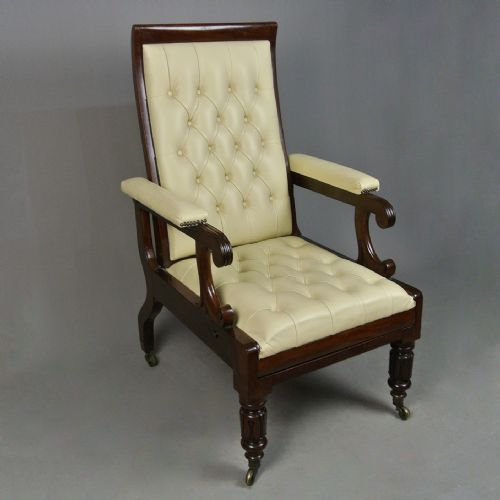
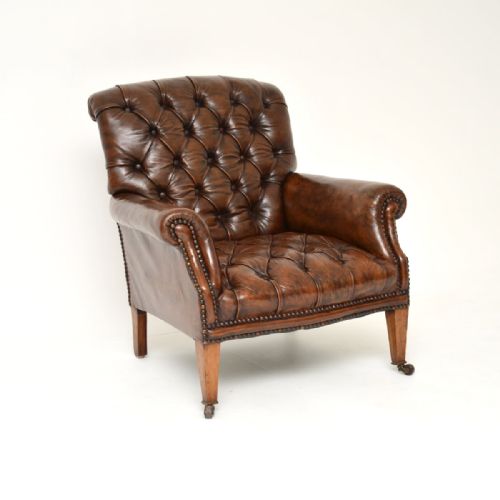
Tufted Leather Reading Chair
A tufted leather reading chair is a substantial seat designed for the study or library, built to offer support and comfort for hours of sitting.
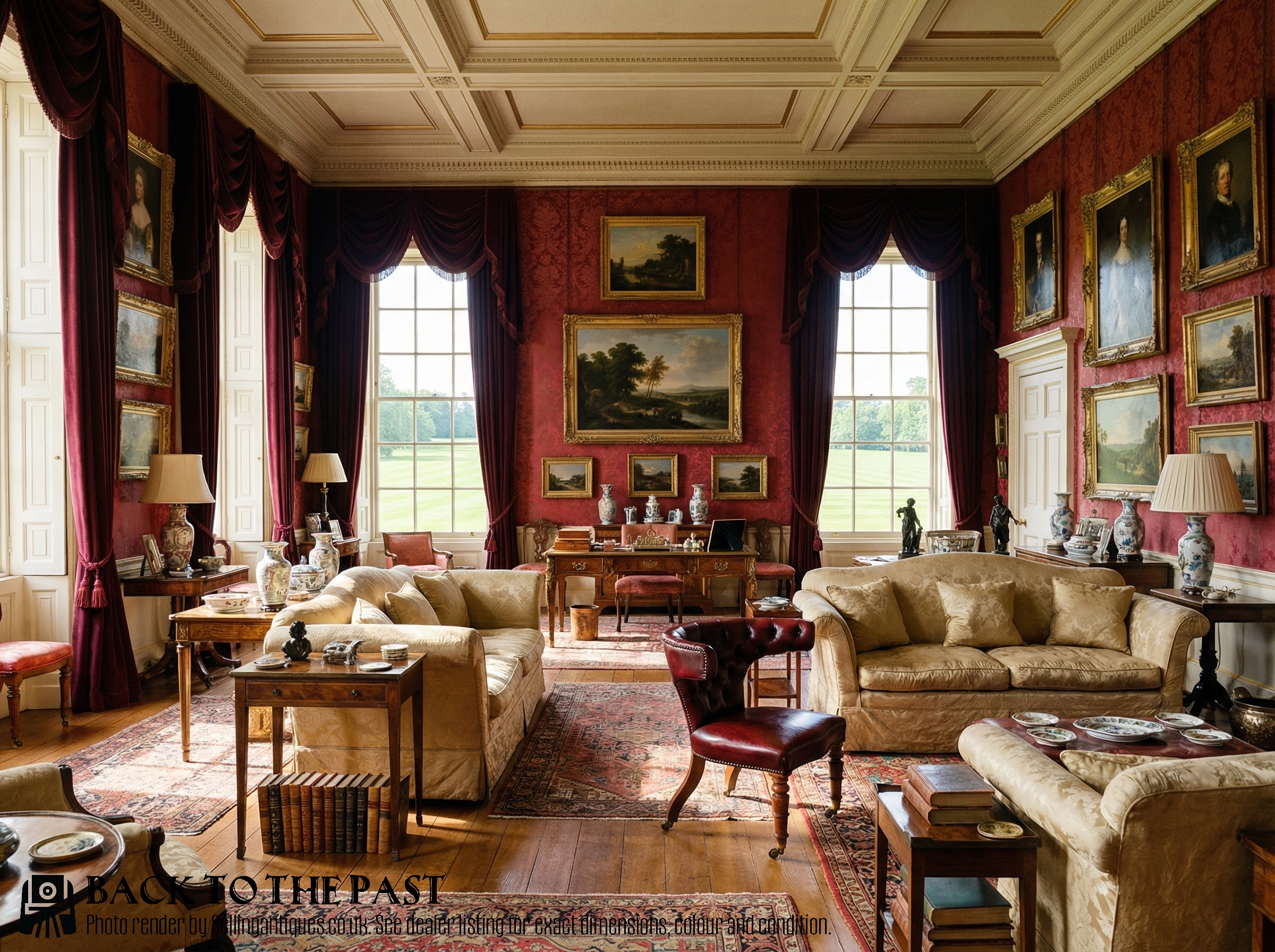
Tufted Leather Reading Chair
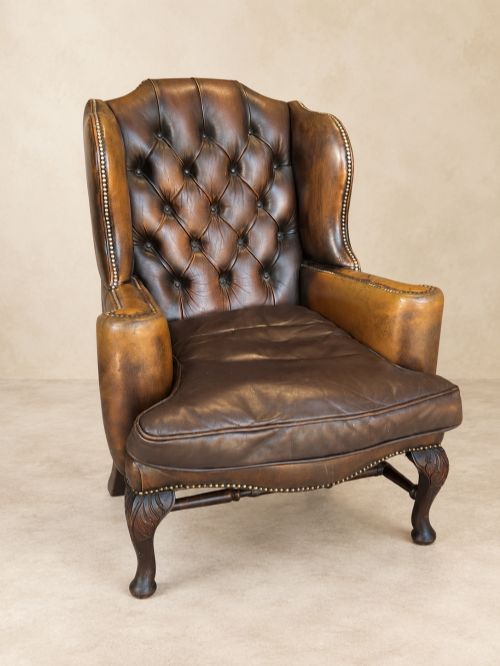
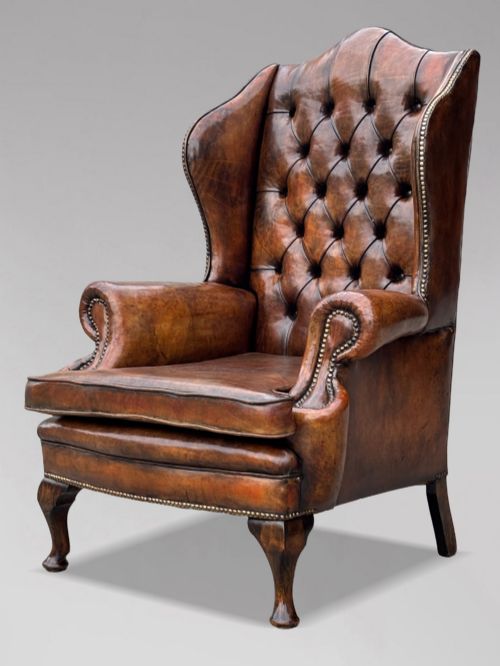
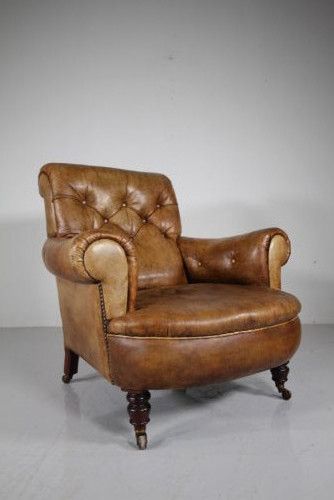
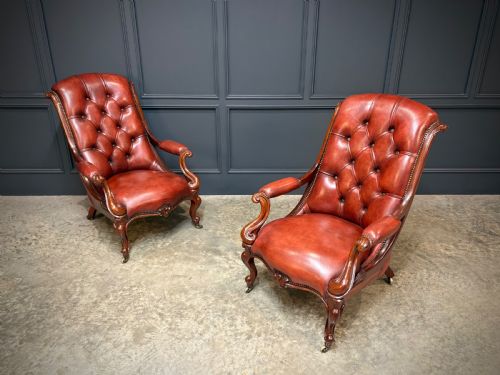
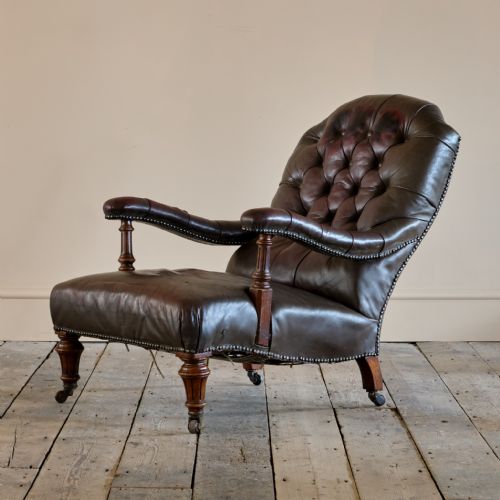
A tufted leather reading chair brings together heavy timber frames and deep buttoning designed for prolonged reading and study in traditional libraries and studies. The examples found here span the Georgian, Regency, and Victorian periods, alongside later revival pieces from the twentieth century.
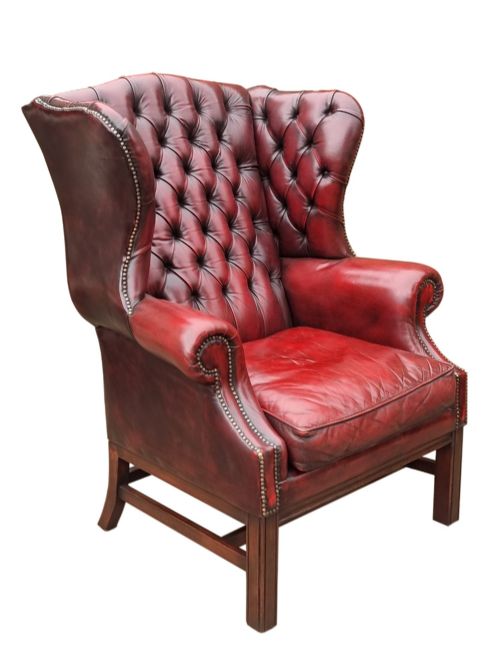
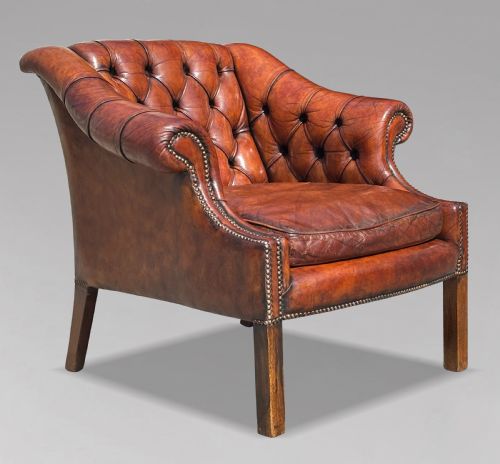
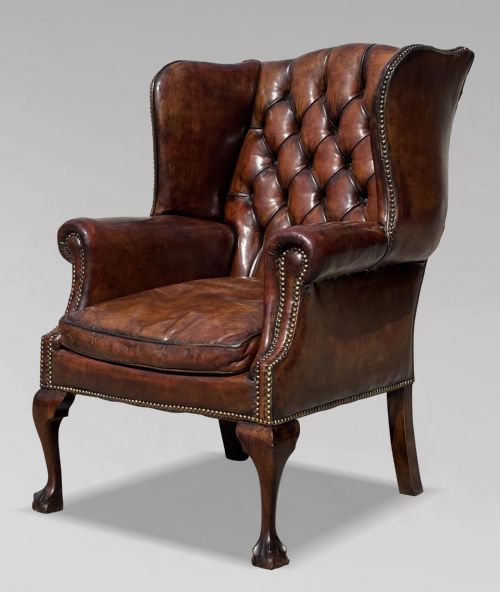
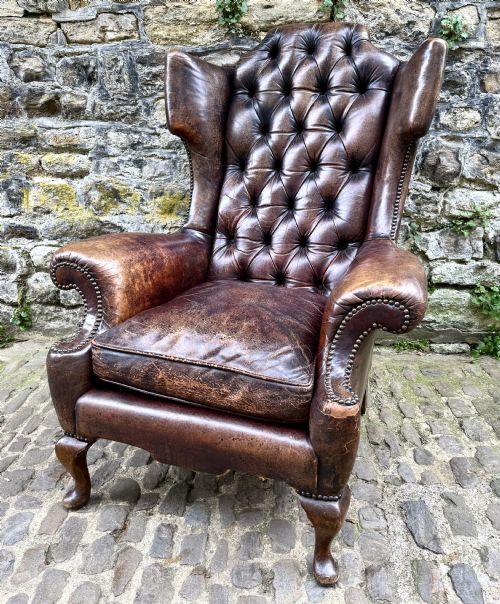
Armchairs and desk chairs dominate the selections, frequently appearing as wing armchairs or low library chairs built for comfort beside a fire or a partner desk. Mahogany, oak, walnut, and rosewood form the structural foundations, supporting deeply padded seats upholstered in brown or tan hide.
Materials and construction methods
Makers built the frames of these chairs from dense hardwoods including mahogany, oak, walnut, and rosewood, ensuring structural stability for heavy everyday use. These wooden skeletons were then upholstered in durable leather, often secured with brass nail detailing along the borders.
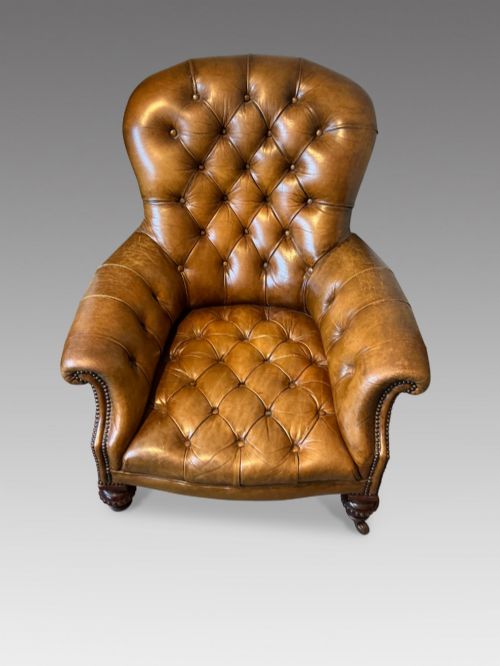
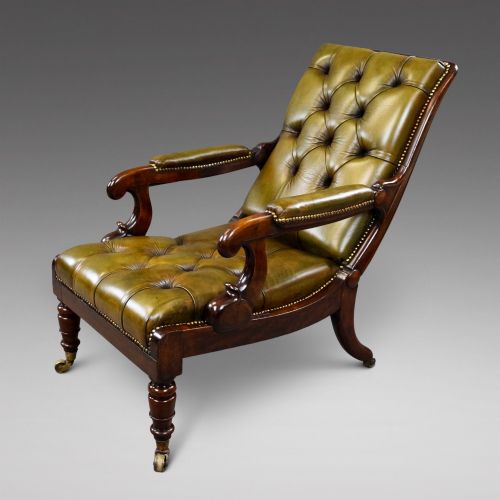
Buttoning techniques created the characteristic tufted surface by pulling cords or threads deep through the padding to anchor the hide. Some advanced nineteenth-century variants integrated mechanical adjustments such as reclining actions or campaign folding frames using brass hardware.
Tufted Leather Reading Chair Retail Price Guide 2026
Typical asking prices for tufted leather reading chair among the pieces listed under this phrase on Sellingantiques today, from the lower quarter to the upper quarter. They describe what is for sale here now, not the wider market.
Listings feature frames in mahogany, oak, walnut, rosewood, and cane, spanning the eighteenth to the twentieth centuries.
Assessing quality in leather seating
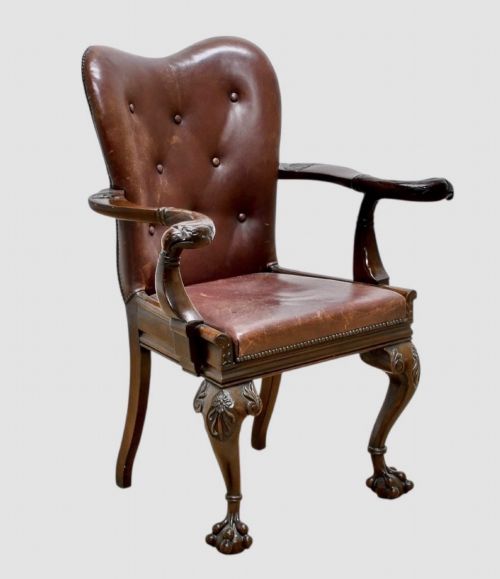
Quality rests in the proportion of the timber frame and the depth of the upholstery work, distinguishing robust workshop construction from simpler output. Better pieces display refined carving on mahogany or walnut arms and legs, alongside well-balanced wing proportions.
The handling of the hide and the precision of the buttoning dictate the visual weight of the chair. Finer examples retain supple leather with an even patina, whereas lesser pieces show more rigid assembly and heavier modern interventions.
Howard and Sons·Daws Patent
The Tufted Leather Reading Chair Glossary
- Wing armchair
- A high-backed seat featuring protective side panels designed to shield the occupant from drafts. These wings transition smoothly down into the padded armrests.
- Buttoning
- An upholstery method where tufts are formed by securing buttons through the padding at regular intervals. This creates the characteristic diamond pattern seen across the backrests.
- Library chair
- A heavy, stable armchair intended for use in studies or reading rooms. They frequently incorporate mahogany or oak frames with brass accents.
- Campaign chair
- A portable seating form designed to be folded or dismantled for travel. These examples often incorporate brass hinges and specialised folding mechanisms.
- Bergère
- An enclosed armchair with stuffed upholstery and wooden framing. Cane panels sometimes form the sides or back depending on the specific nineteenth-century design.
Tufted Leather Reading Chair: Frequently Asked Questions
What is a tufted leather reading chair?
A tufted leather reading chair is a heavy upholstered seat designed for libraries and studies, featuring buttoned leather and a supportive wooden frame.
These chairs range from eighteenth-century Georgian models to later Victorian and twentieth-century revival pieces built for long periods of sitting.
How do I identify a Victorian reading chair?
Victorian reading chairs typically utilise dark hardwoods like walnut or mahogany, paired with deep buttoned leather upholstery and turned or carved legs.
Many examples from this era also incorporate upholstered wings or library chair proportions designed for domestic studies.
Where were these chairs used?
These chairs were primarily made for private libraries, studies, and drawing rooms in large houses, serving as comfortable seats for reading and writing.
Some specialised forms, such as cockfighting chairs or campaign seats, were built for specific domestic or travel purposes.
How should I care for antique leather?
Antique leather benefits from regular dusting and occasional treatment with appropriate conservation balms to keep the hide from drying out.
Placing these chairs away from direct sunlight and heat sources helps preserve the natural tone and patina of the leather.