


Victorian Wooden Desk Chair
A victorian wooden desk chair combines sturdy nineteenth-century joinery with practical seating designed for long hours of writing or reading.
Victorian Wooden Desk Chair
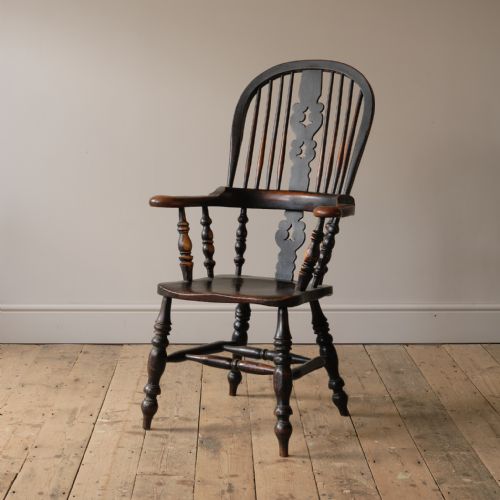
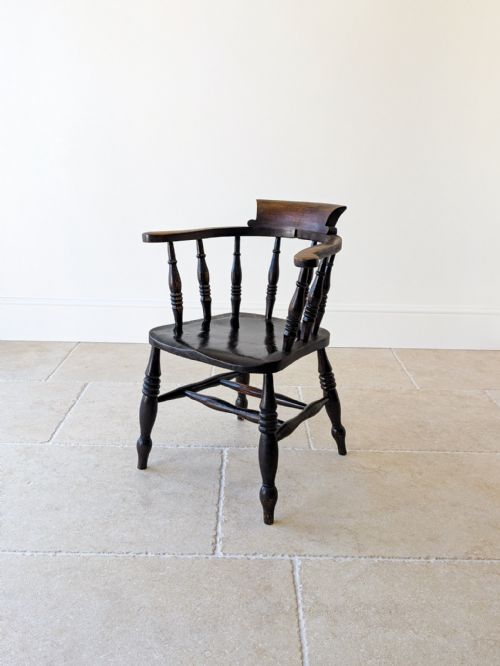
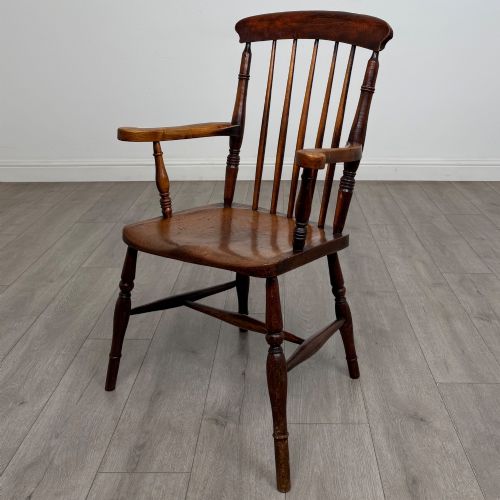
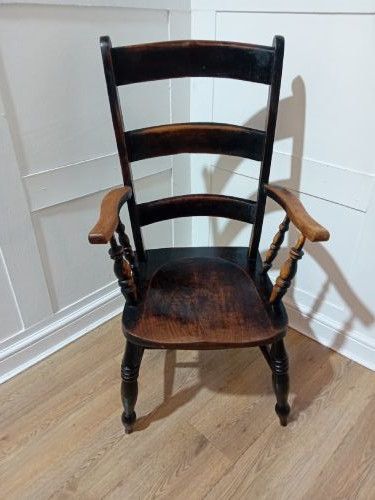
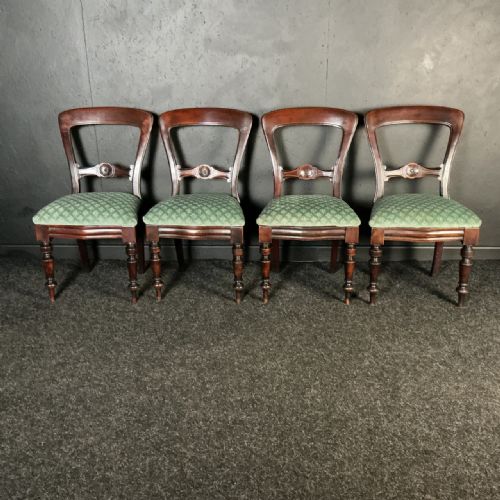
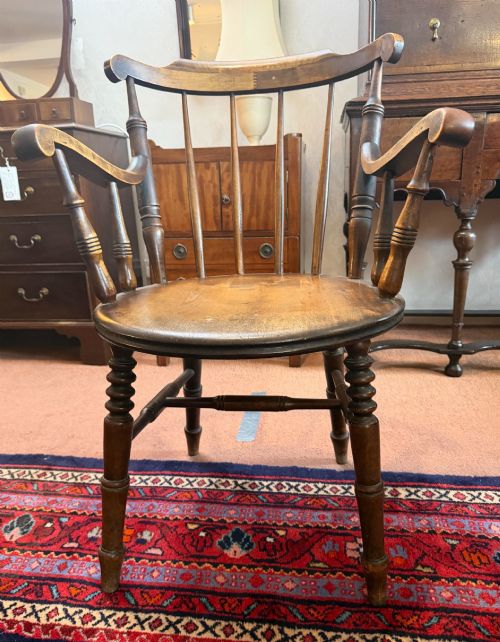
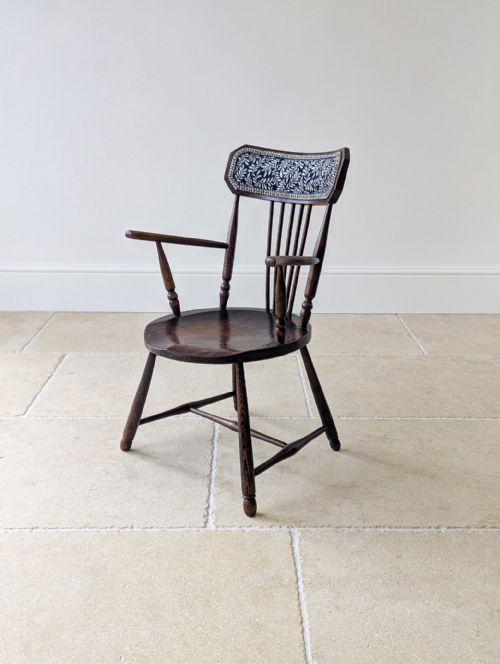
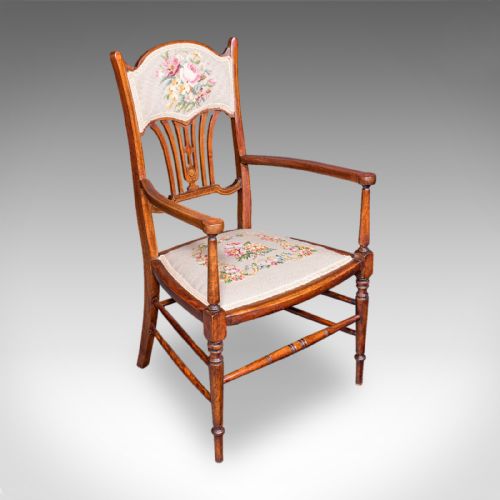
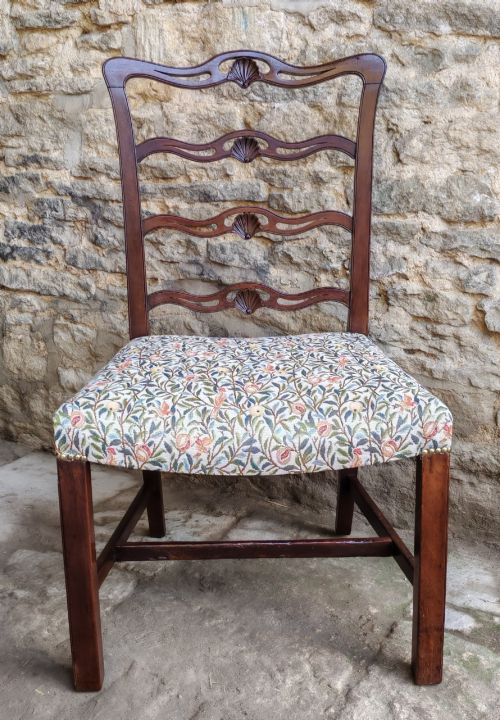
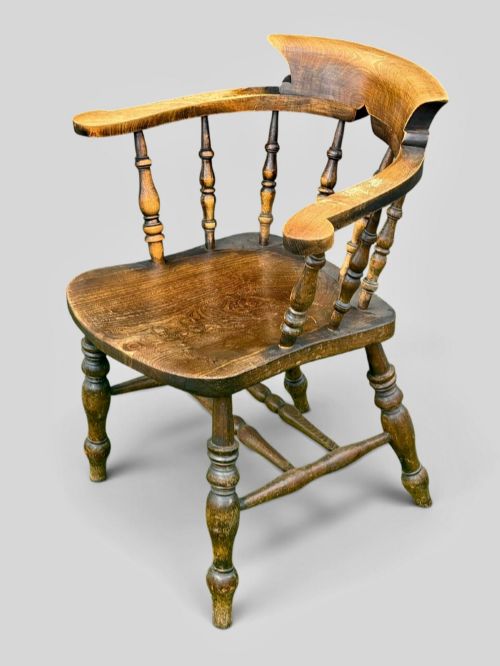
When searching for a victorian wooden desk chair, buyers encounter a sturdy assortment of nineteenth-century seating shaped for utility and comfort. These pieces emerge predominantly from the Victorian era and the broader nineteenth century, drawing on utilitarian forms like Windsor chairs, captain's chairs, and revolving desk models.
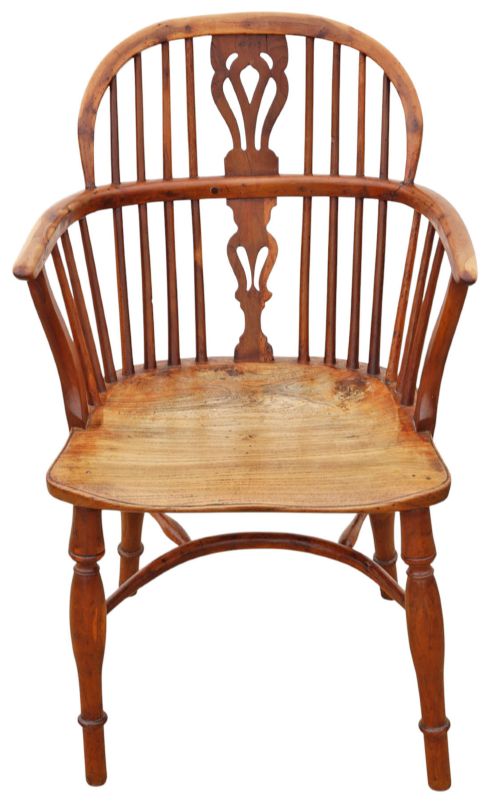
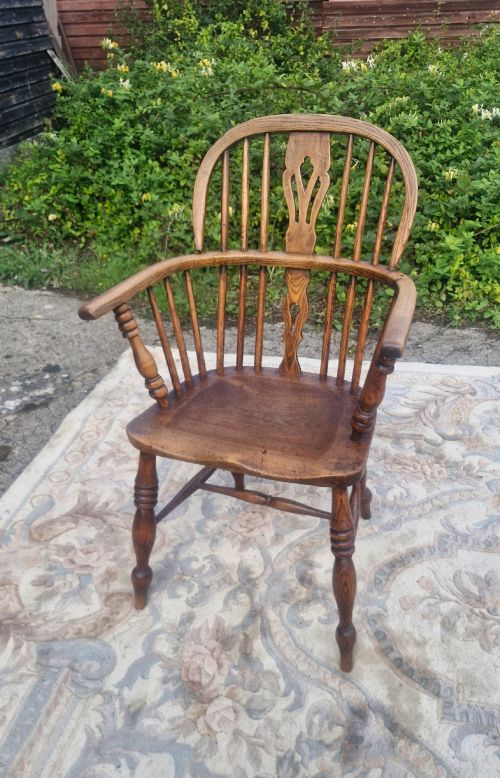
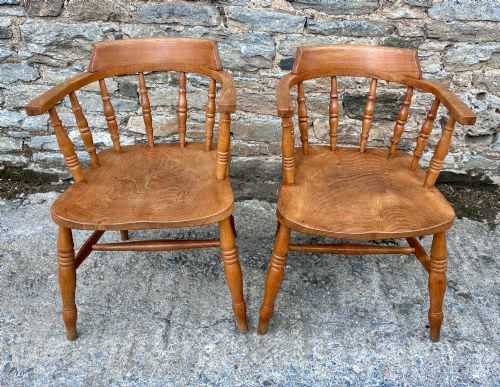
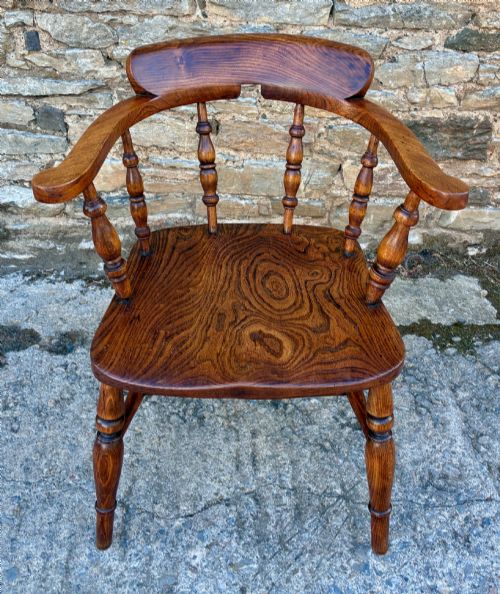
The most common versions met on this page include elm and ash captain's chairs, low-back Windsor armchairs, and mahogany revolving desk chairs fitted with wooden or upholstered seats. Makers of the period utilised local hardwoods to construct practical seats for studies, offices, and libraries, resulting in robust seating built for daily use.
Materials and construction
Makers constructed these chairs primarily using native British hardwoods such as elm, ash, beech, and yew, frequently combining woods within a single frame. Elm provided a tough, interlocking grain suitable for solid saddle seats that resisted splitting under weight.
Turned spindles, steam-bent bows, and wedged tenon joints formed the structural backbone of Windsor and stick-back variants. Mahogany and walnut appeared more frequently in formal revolving office chairs, shaped with carved details and secured with brass or iron swivel mechanisms.
Victorian Wooden Desk Chair Retail Price Guide 2026
Typical asking prices for victorian wooden desk chair among the pieces listed under this phrase on Sellingantiques today, from the lower quarter to the upper quarter. They describe what is for sale here now, not the wider market.
Listings feature nineteen-century Windsor, captain's, and revolving desk chairs constructed predominantly from British hardwoods like elm, ash, and mahogany.
Evaluating quality and character
Structural integrity and original components dictate long-term durability. Quality is evident in tight, uncompromised joinery, the retention of original turned parts without mismatched replacements, and smooth operation in revolving mechanisms.
J SPENCER
The Victorian Wooden Desk Chair Glossary
- Captain's chair
- A low-backed wooden armchair with a continuous curved arm rail supported by spindles, designed for compact seating. These chairs often feature saddled elm seats for enhanced comfort during long periods at a desk.
- Windsor chair
- A chair built with a solid wooden seat into which the legs and back spindles are bored directly. This traditional construction method creates a rigid frame without requiring traditional box stretchers, though stretchers often add extra bracing.
- Smoker's bow
- A low-backed Windsor armchair, also known as a country captain's chair, characterised by a rounded backrest and robust arm bow. They were widely used in domestic offices, smoking rooms, and public houses.
- Revolving desk chair
- An office chair mounted on a central pivot mechanism that allows the seat to turn and sometimes tilt. Victorian versions typically combine a solid mahogany or walnut upper frame with a heavy four-legged wooden base.
- Patina
- The deep, lustrous surface sheen developed on wooden furniture over decades of handling, polishing, and natural ageing. A rich patina indicates minimal harsh stripping and careful preservation of the original finish.
Victorian Wooden Desk Chair: Frequently Asked Questions
What is the difference between a captain's chair and a Windsor chair?
A captain's chair is a specific type of low-backed armchair, often featuring a continuous curved armrail designed for compact spaces. A Windsor chair is a broader category of seating defined by stick construction where components slot directly into a solid wooden seat.
While many captain's chairs utilise Windsor construction methods, traditional Windsor chairs also include high-back, stick-back, and wheel-back variants intended for dining or kitchen use.
How do I know if a revolving desk chair is Victorian?
Victorian revolving chairs typically feature heavy timber frames made from mahogany, walnut, or oak, supported by cast-iron or brass underpinnings hidden beneath central wooden hubs. The joinery employs period techniques, and the wood displays the characteristic deep patina of nineteenth-century furniture.
Later reproductions often use modern fixings, lighter secondary woods, or uniform factory finishes that lack the depth of genuine antique surfaces.
Were these chairs used exclusively at desks?
Despite their modern grouping as desk chairs, nineteenth-century examples served multiple domestic and commercial functions. They appeared in libraries, studies, parlours, and offices, doubling as comfortable seating for reading, writing, or casual dining.
Their robust construction in elm, ash, and beech made them suitable for heavy daily use across various household rooms rather than strict confinement to a writing table.
How should I care for a nineteenth-century wooden chair?
Maintain wooden chairs by keeping them away from direct heat sources and dramatic humidity fluctuations, which cause timber to dry and split. Apply traditional beeswax periodically to nourish the surface and preserve the historic patina without sealing the wood under modern synthetic varnishes.
Check the joints gently from time to time, as central heating can loosen dried historical glues in pegged Windsor and stick-back frames.