
English Vernacular Chair
An english vernacular chair brings rural character into a room, offering honest construction and regional style.
English Vernacular Chair
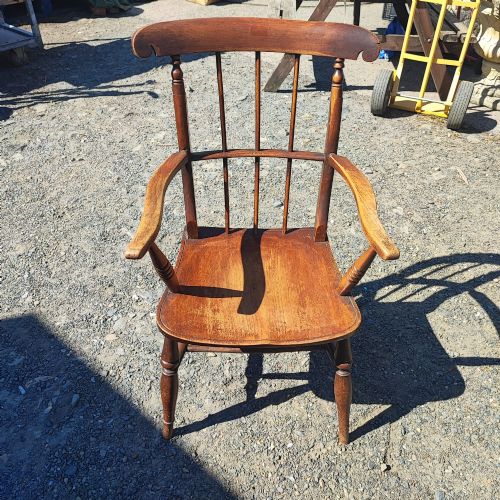
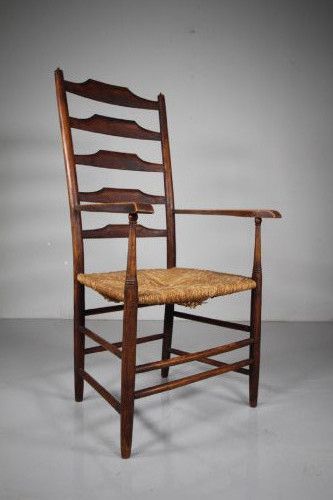
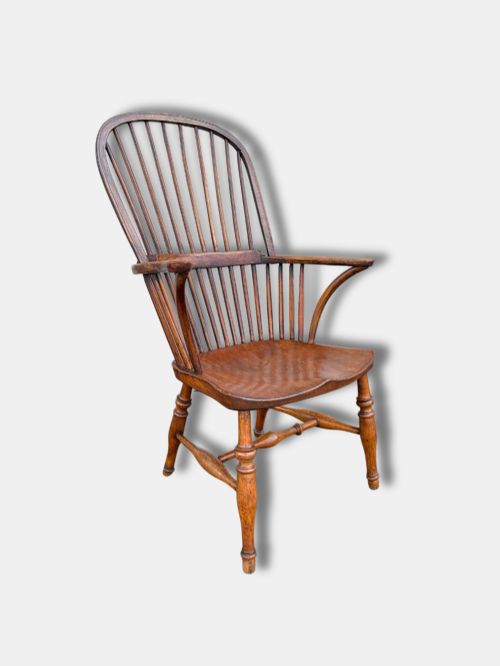
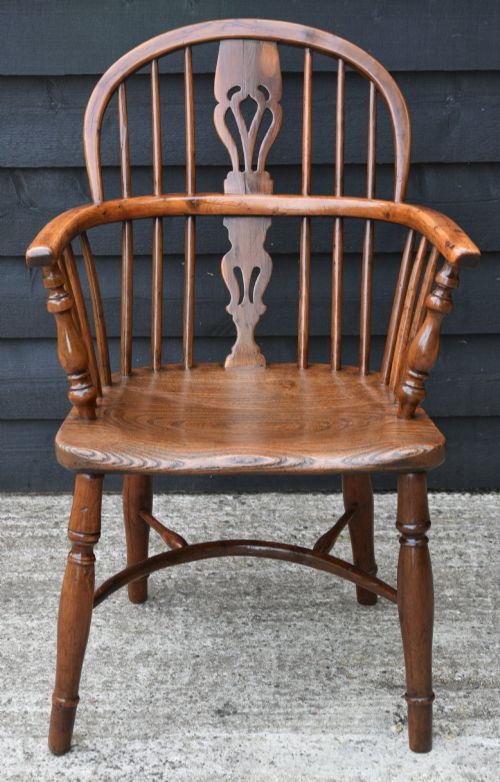
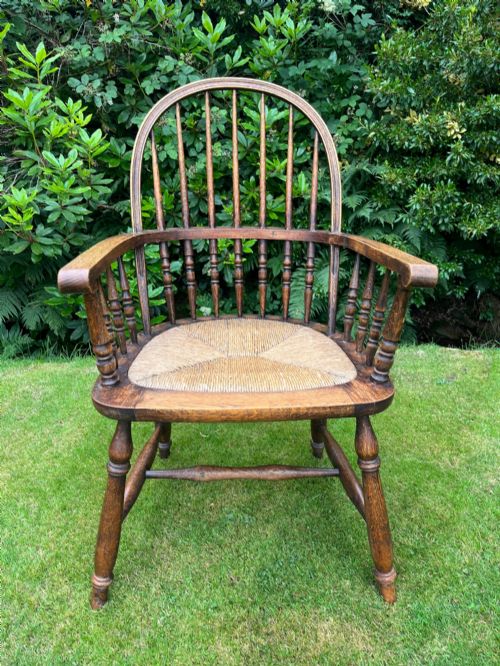
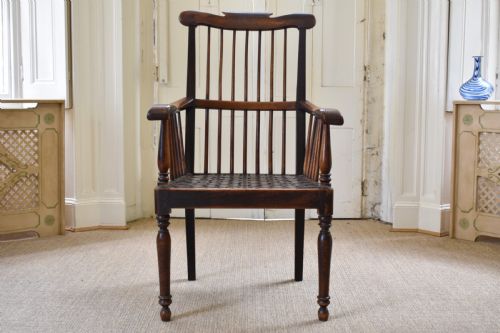
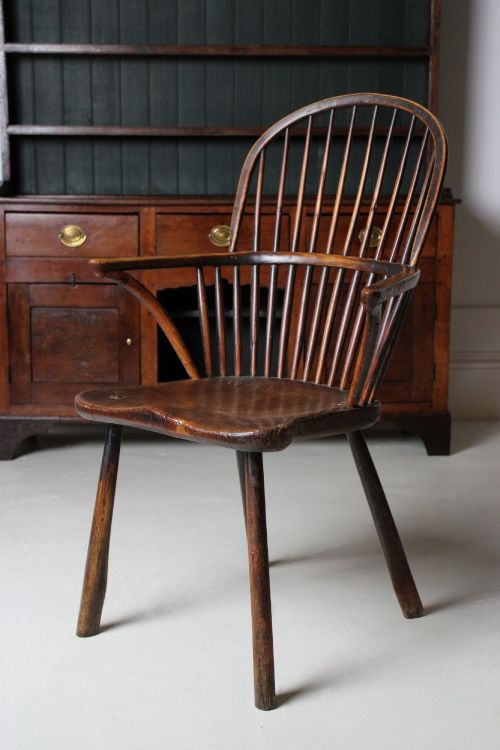
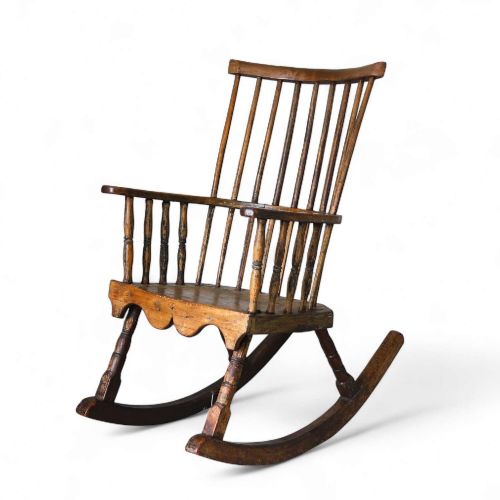
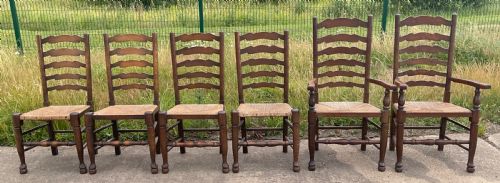
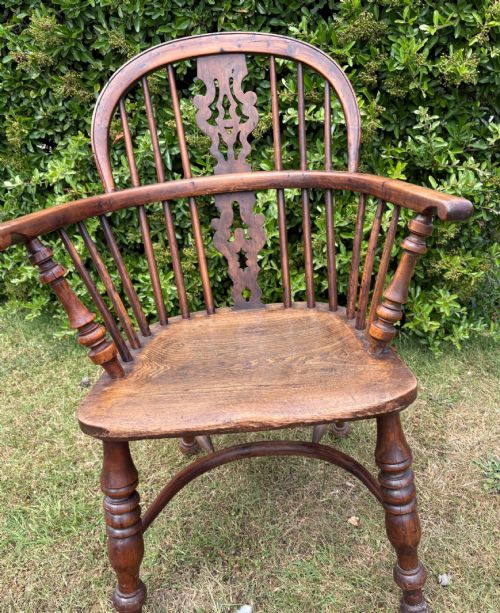
An english vernacular chair is a piece of seating furniture made outside the major urban cabinet-making traditions, drawing instead on local timber supplies and regional craft methods. Buyers seeking this phrase usually encounter sturdy Windsor armchairs, stickback chairs, and ladderbacks shaped for everyday domestic use. The selection spans centuries of rural joinery, from eighteenth-century examples to later Victorian pieces.
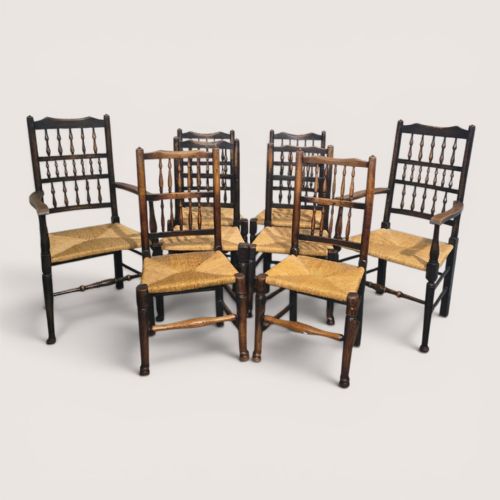
Most items on this page date from the eighteenth and nineteenth centuries, reflecting the period when local bodgers and village carpenters supplied farms, kitchens, and cottages. Common forms range from low-back and comb-back Windsors to lambing chairs and sets of dining chairs. These seats were built for utility rather than formal display, resulting in practical designs shaped by regional preferences across England.
Materials and construction
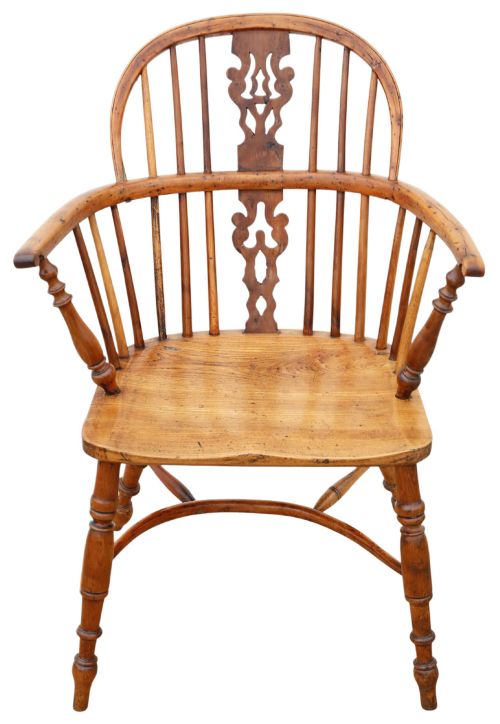
Makers built these seats using combinations of native timbers chosen for their specific physical properties. Elm commonly forms the solid plank seats because its interlocking grain resists splitting under pressure, while ash, beech, and fruitwood provide strong spindles, legs, and bow frames. Yew and laburnum appear in select pieces for their rich grain and decorative appeal.
Construction relies on traditional green woodworking and bodging techniques where turned or cleft components fit directly into drilled seats. Spindle backs, stickbacks, and comb-backs utilise wedged tenons for stable joints without heavy metal fixings. Surfaces often retain original brown paint, ebonised finishes, or simply the aged patina of bare timber.
English Vernacular Chair Retail Price Guide 2026
Typical asking prices for english vernacular chair among the pieces listed under this phrase on Sellingantiques today, from the lower quarter to the upper quarter. They describe what is for sale here now, not the wider market.
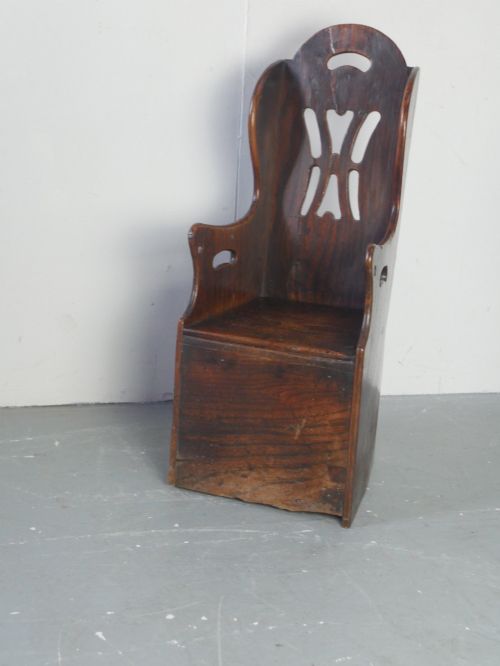
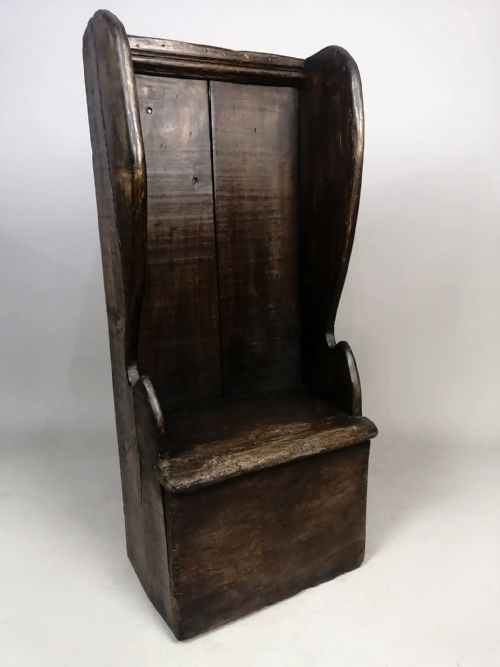
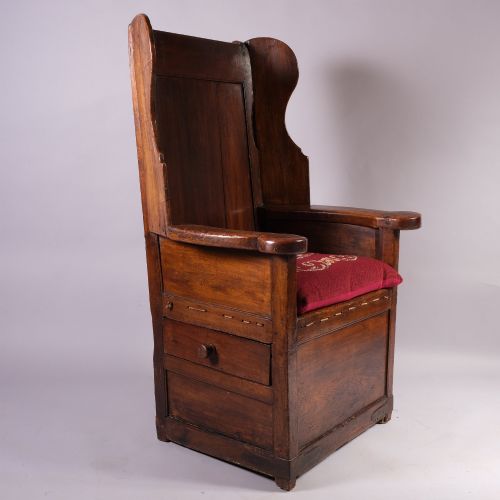
Some chairs kept farm occupants warm through winter draughts using solid wooden wings.
Variations in quality
Quality rests on the integrity of the timber selection and the harmony of the regional proportions. Better examples display carefully matched woods, such as figured yew and elm combinations, alongside well-balanced turnings on the legs and spindles. Heavier wear in functional areas is normal, but superior pieces maintain tight joints and original components.
The sophistication of the local design also distinguishes the range. Regional variations, such as Thames Valley hoops or comb-backs with refined volutes, show higher technical skill from the rural maker than standard utility kitchen seating. Patina and surface survival play a large part in the overall merit of an individual chair.
Philip Clissett·Gabbitass Worksop·Fred Walker Rockley
The English Vernacular Chair Glossary
- Windsor chair
- A chair built with a solid wooden seat into which the legs and back spindles are inserted directly. These seats often feature steam-bent bow backs and sculpted elm seating.
- Carver
- An armchair, typically designed to match a set of smaller dining chairs. They usually sat at the head of a table.
- Lambing chair
- A high-backed rural armchair featuring solid wooden sides or wings to block drafts in farmhouses. Early examples date to the seventeenth and eighteenth centuries.
- Spindle back
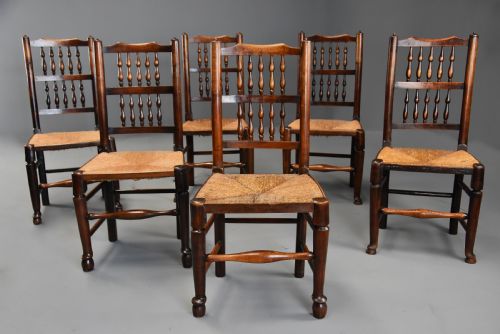
- A chair back constructed from a series of turned wooden rods or spindles. This method provided sturdy support with minimal timber weight.
- Patina
- The surface sheen and colour developed by wood over long periods of handling and exposure to light. Good patination is valued by collectors.
English Vernacular Chair: Frequently Asked Questions
What is an english vernacular chair?
An english vernacular chair is a regional seating piece made by rural craftsmen using local timber rather than following strict London fashion.
These items include Windsor armchairs, ladderbacks, and stickback chairs designed for practical use in farmhouses and cottages.
How do I identify a Windsor chair?
A Windsor chair is distinguished by its thick solid wooden seat that holds the legs underneath and the back spindles above.
They often feature steam-bent bow backs, arm rails, and sculpted contours for sitting comfort.
Where were these chairs made?
They were made in rural workshops and forest regions across England, with distinct regional styles developing in areas like the Thames Valley or Lancashire.
Local bodgers prepared the turned components near the source of timber before village joiners assembled the final pieces.
What woods were used?
Makers relied on native British hardwoods, frequently pairing elm seats with ash, beech, or fruitwood for the structural framework.
Finer examples incorporate yew wood or laburnum for their decorative grain patterns and warm tones.