

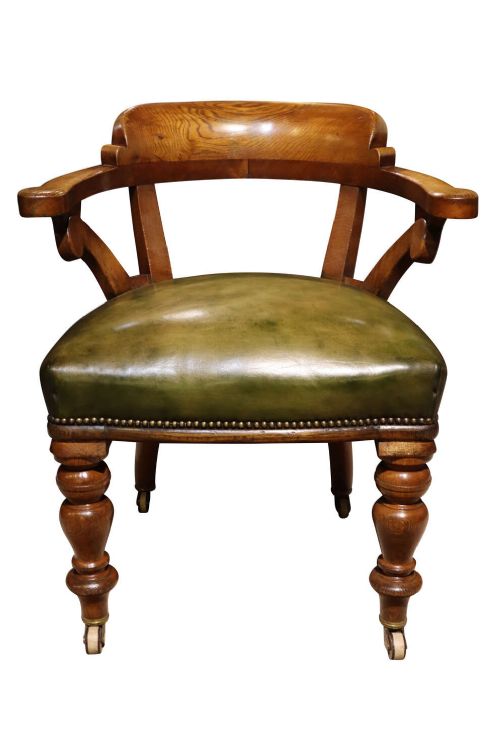
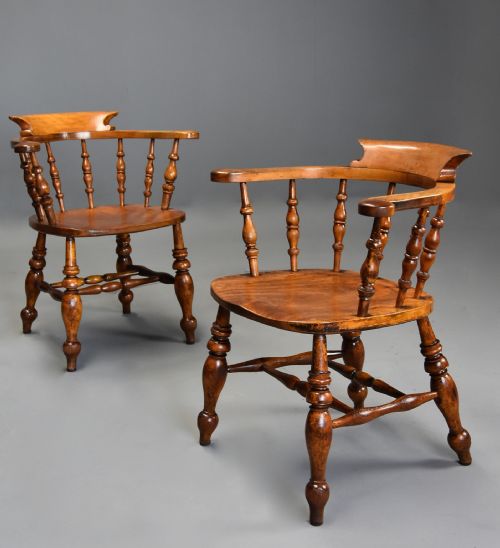
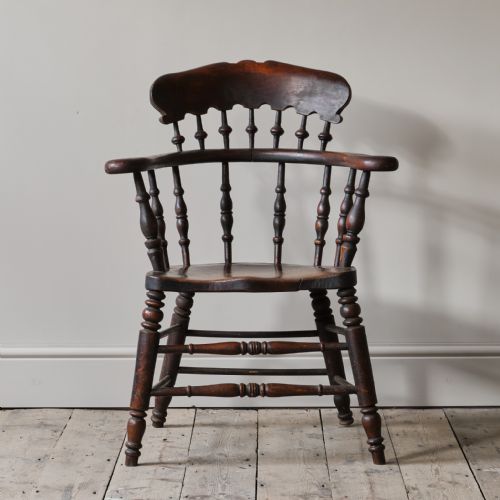
Traditional Captains Chair
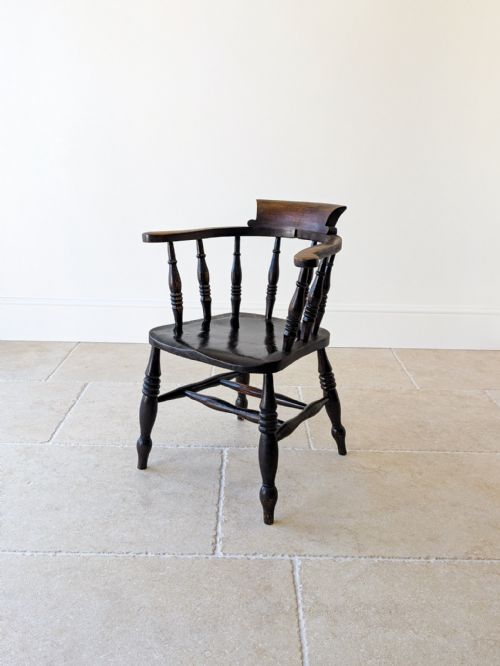
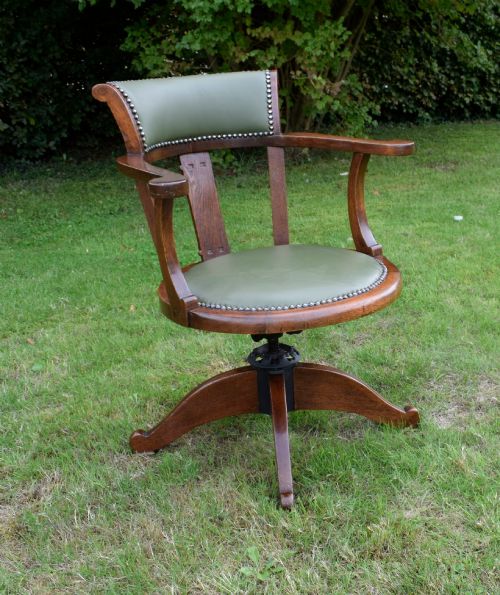
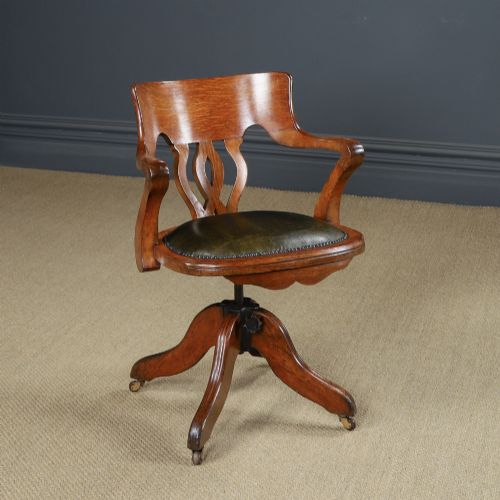
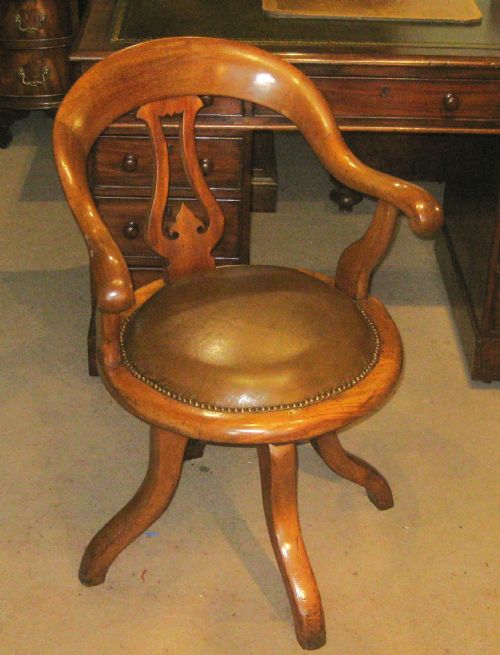
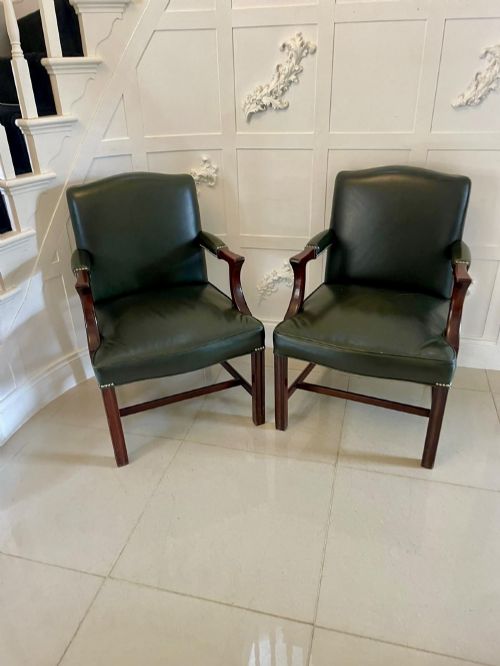
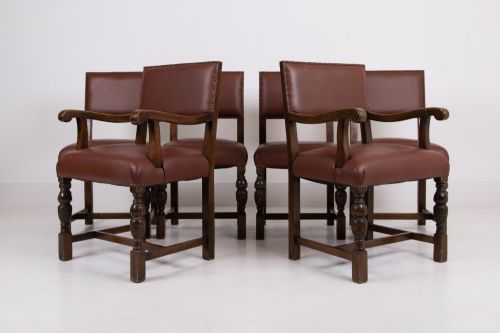
These traditional captains chair pieces are sturdy wooden armchairs built for long hours at a desk, prized for their supportive curved backs and deep seats.
What traditional captains chair pieces are
When searching for a traditional captains chair, you find robust wooden armchairs designed for workspaces and studies. The selection on this page consists entirely of nineteenth-century pieces, spanning the Victorian era and the years around eighteen-fifty to nineteen-hundred.
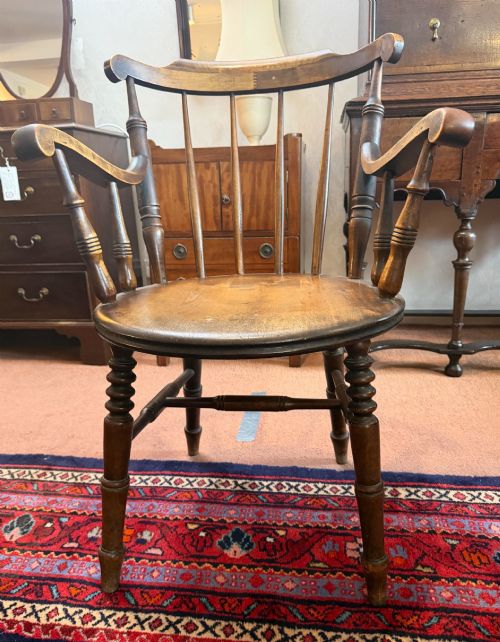
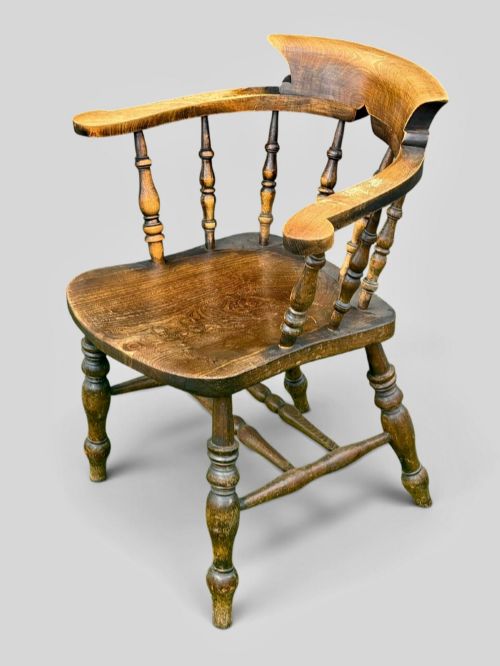
The forms on offer include desk chairs and Windsor chairs, alongside specific regional variations such as the smokers bow and broad arm models. These sturdy armchairs reflect English country and Victorian country aesthetics.
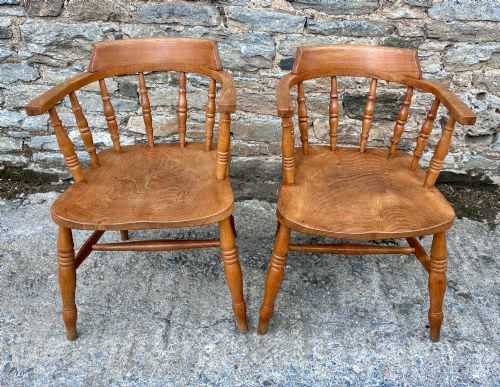
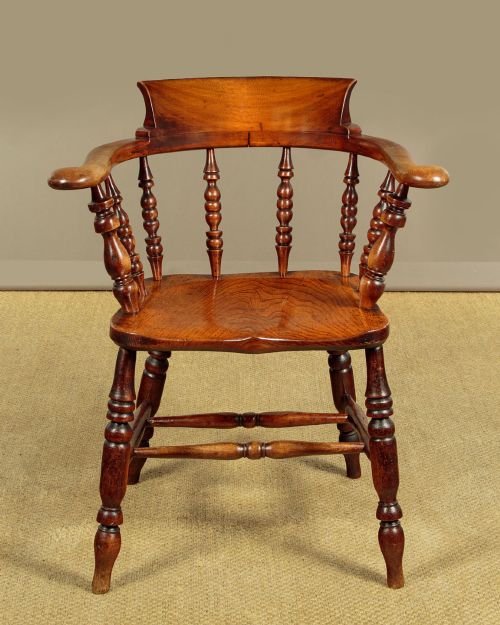
You are most likely to meet elm and beech combinations from the late Victorian period, often bearing the characteristic low, curved back rail. These pieces served practical purposes in offices, parlours and libraries.
How they were made
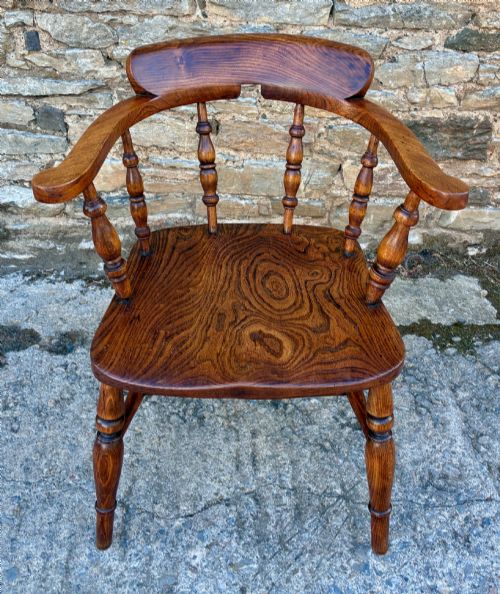
Cabinet makers and rural joiners constructed these chairs using native British timbers including elm, beech, oak, ash and yew. Elm was frequently selected for seats due to its interlocking grain resisting splits, while ash and beech provided strong spindles and legs.
Construction methods relied on traditional turning and joinery techniques such as wedged tenons and steam bending. Carpenters shaped solid timber blocks into deep saddle seats to ensure comfort during extended periods of sitting.
Retail Price Guide 2026
Typical UK retail prices for traditional captains chair, calculated from the Sellingantiques database of over a million retail prices indexed since 2003. This retail price guide relies exclusively on Sellingantiques data; no external sources or auction records are used, so the figures do not describe the wider market.
Current listings feature pieces exclusively from the nineteenth century, including specific items dated to eighteen-fifty and eighteen-eighty.
What varies in quality
The distinction between standard examples and superior pieces rests largely on timber selection and the elegance of the turning. Master craftsmen chose striking grain patterns in the elm seat and achieved a more fluid, continuous curve in the steam-bent arm rail.
Proportion and structural integrity also separate fine items from simpler utilitarian versions. A balanced rake to the legs and a well-proportioned spindle arrangement indicate a maker who balanced ergonomic comfort with aesthetic harmony.
The Traditional Captains Chair Glossary
- Smokers Bow
- A sturdy type of low-back Windsor armchair with a turned spindle gallery and a comfortable wooden seat. These chairs gained popularity in public houses and smoking rooms during the Victorian period.
- Broad Arm
- A chair featuring an unusually wide flat wooden arm, often used as a convenient writing surface before attached desks became common. This design is frequently seen on nineteenth-century ash and elm armchairs.
- Windsor Chair
- A traditional seating form constructed with a solid wooden saddle seat into which the legs, back spindles and bow are independently tenoned. They remain enduring icons of English country furniture.
- Saddle Seat
- A wooden seat base scooped and carved into a concave shape to mimic the contours of a saddle for improved comfort. Craftsmen utilised heavy timbers like elm to carve these deep recesses without weakening the wood.
Frequently Asked Questions
What is a traditional captains chair?
A traditional captains chair is a sturdy wooden armchair with a low, curved back rail supported by turned spindles, designed for use at a desk or table.
These nineteenth-century pieces combine robust construction with ergonomic curves to provide comfortable seating during long hours of work.
How do I date a captains chair?
Dating these chairs involves examining the timber species, construction marks, and overall wear patterns characteristic of the Victorian period.
Nineteenth-century examples frequently employ combinations of elm, beech and ash, reflecting the prevailing rural craftsmanship of the era.
Where were these chairs used?
These chairs were primarily used in studies, offices, and libraries as functional seating for writing and reading.
Their robust build also made them common in farmhouse kitchens and country parlours throughout the Victorian era.
Are these chairs comfortable?
These chairs offer surprising comfort through their carefully carved saddle seats and supportive steam-bent arm rails.
The ergonomic design supports the lower back while providing sturdy armrests for daily use.