



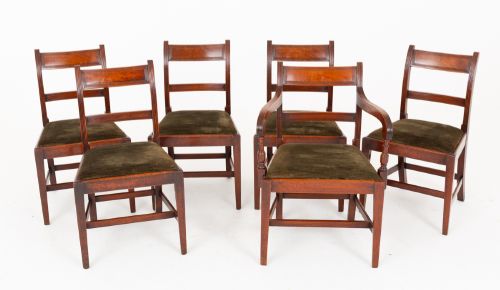
Brown Wooden Carver Chair
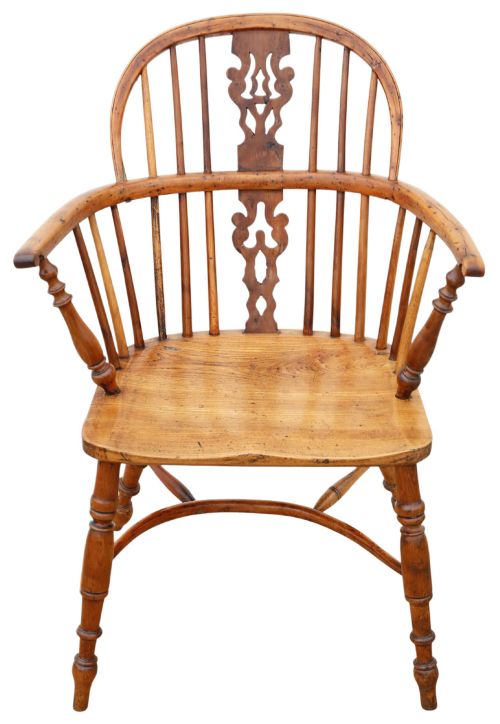
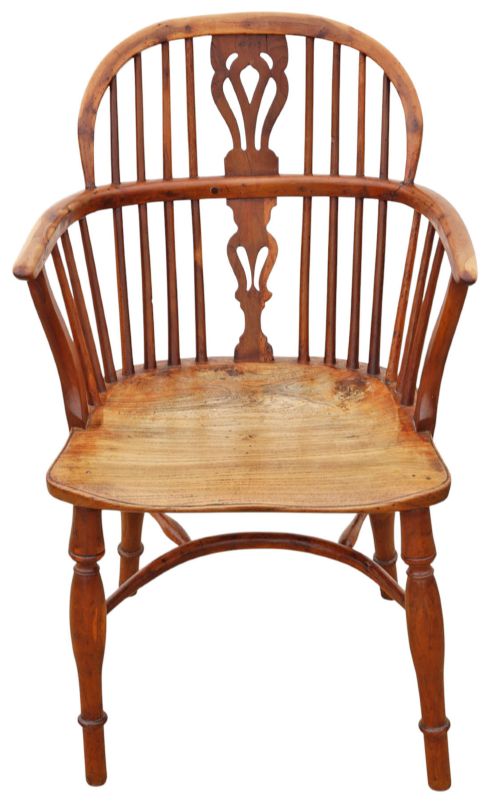
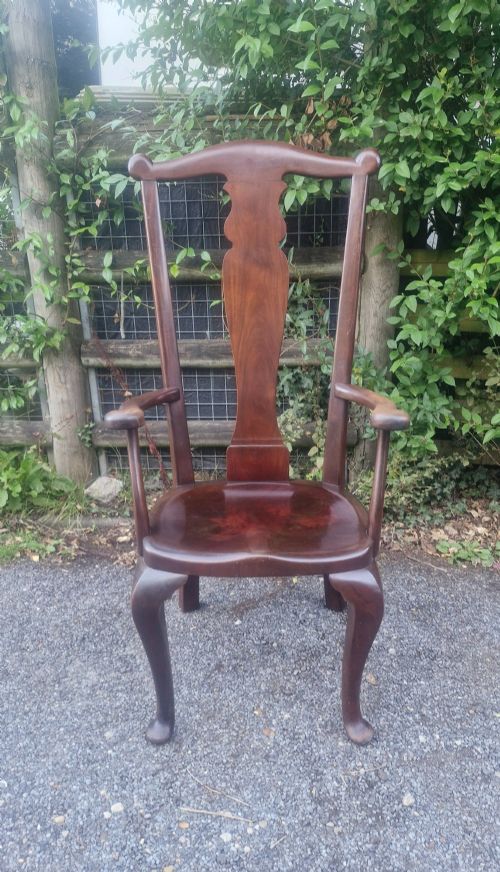
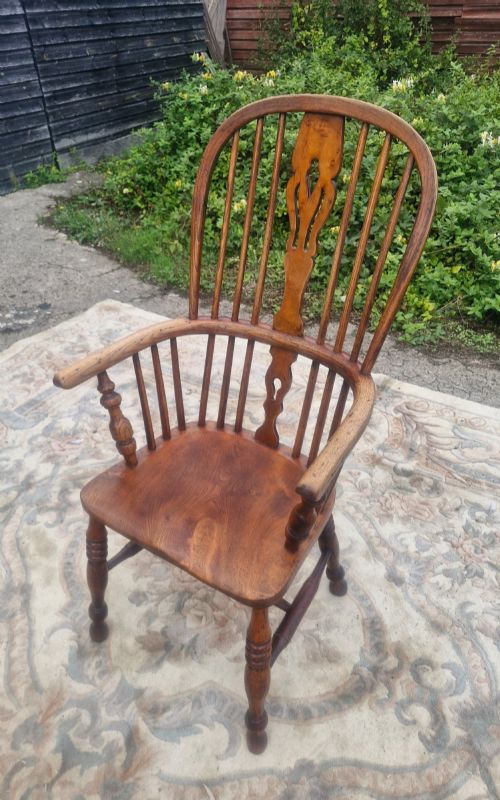
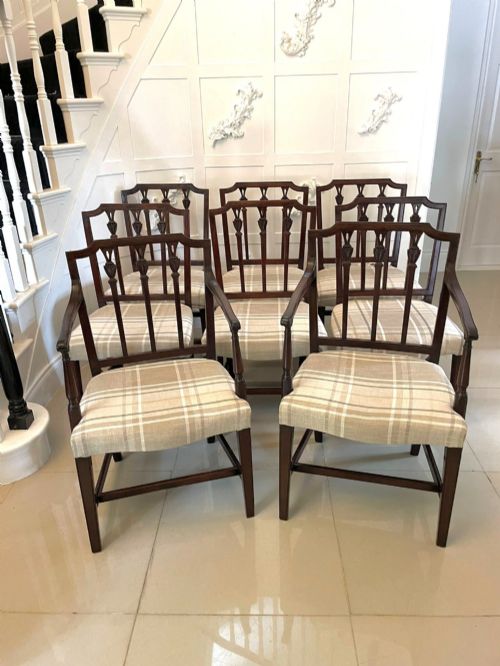
A brown wooden carver chair provides sturdy seating with armrests, bringing traditional craftsmanship and warm timber tones into a room.
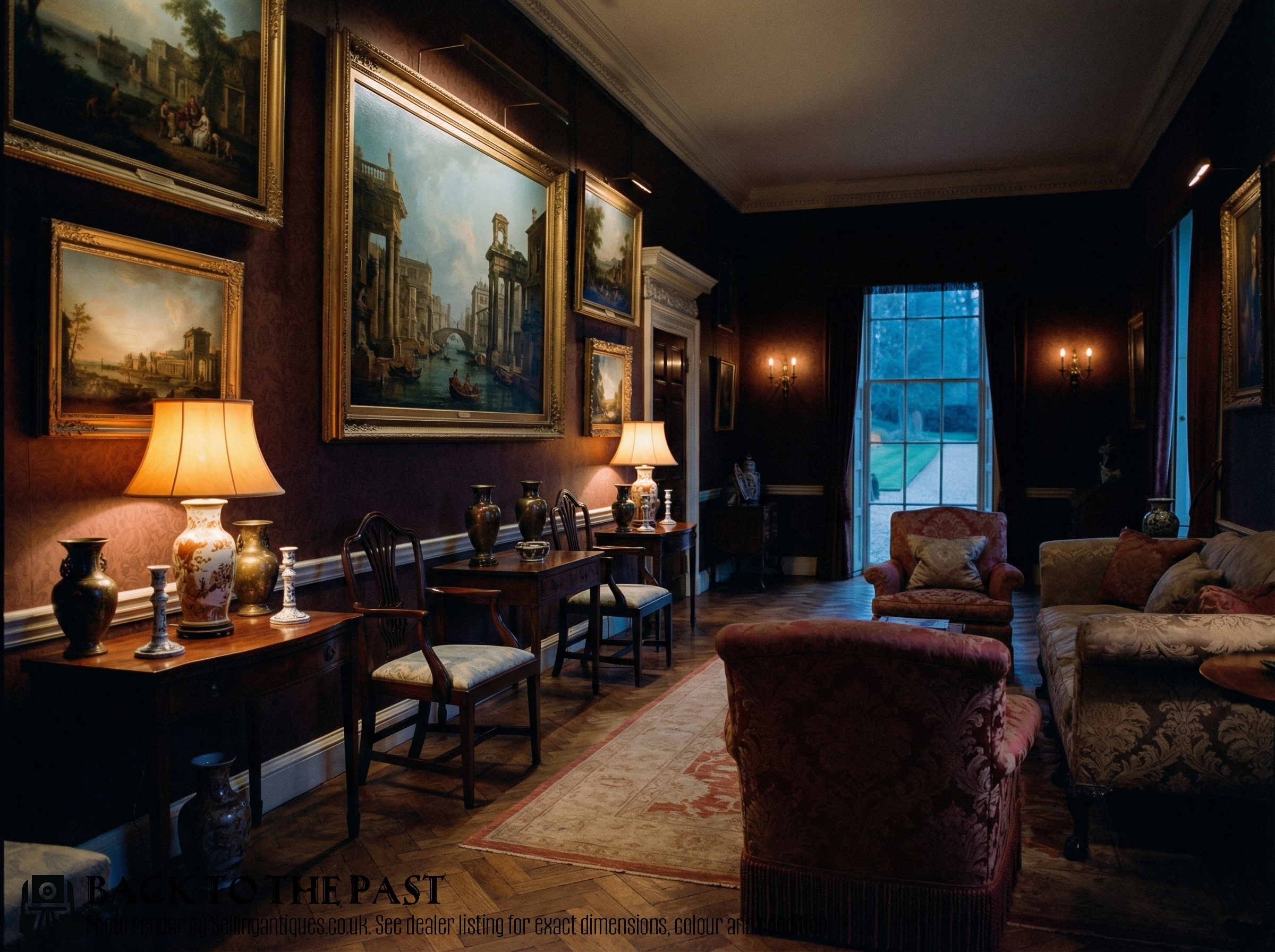
Brown Wooden Carver Chair
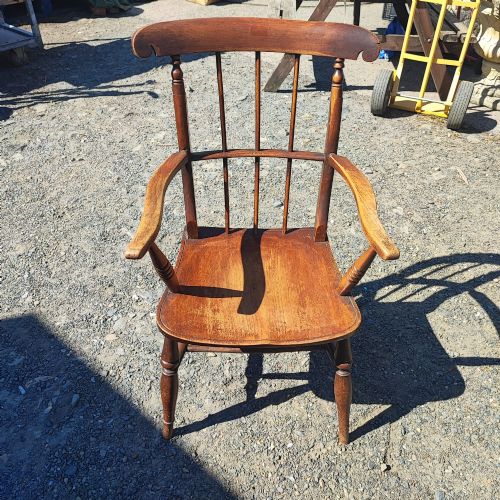
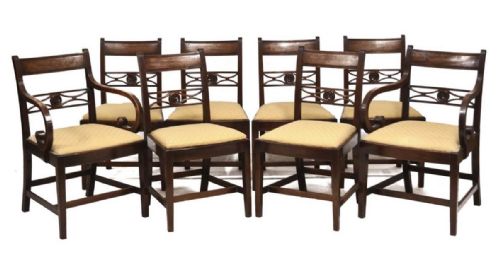
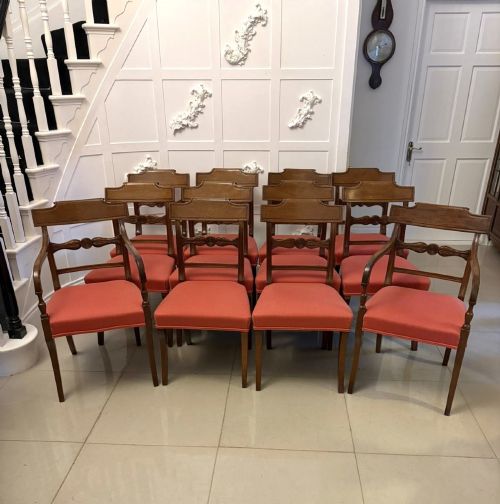
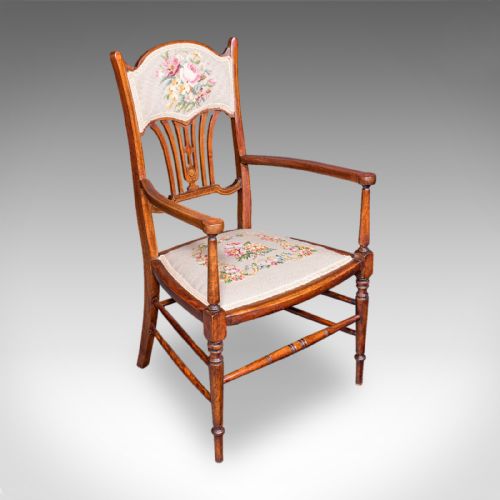
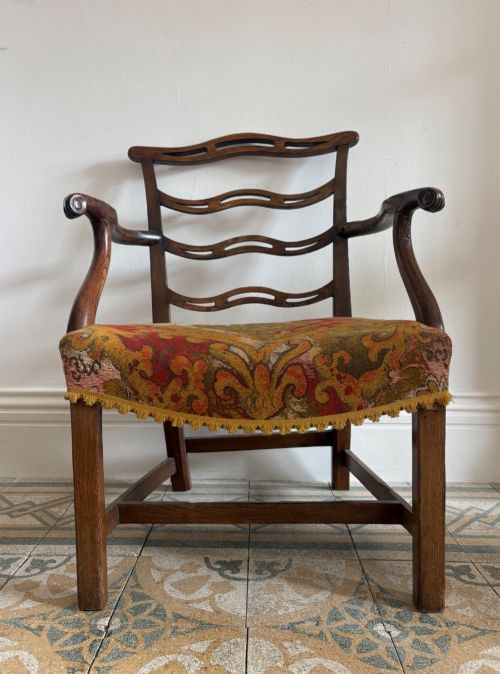
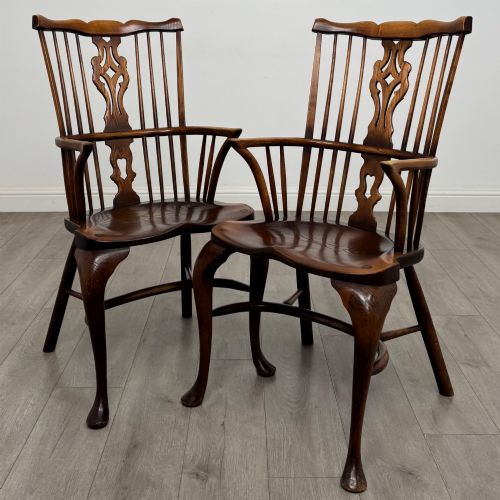
The assortment includes traditional Windsor armchairs with stick backs or high backs, alongside formal dining chairs with upholstered seats or carved rails. Many originate from English country workshops, while others reflect specific design movements including Arts and Crafts, Art Nouveau, and Queen Anne Revival. The forms vary from low rush-seated models to grander high-backed desk armchairs and library seats.
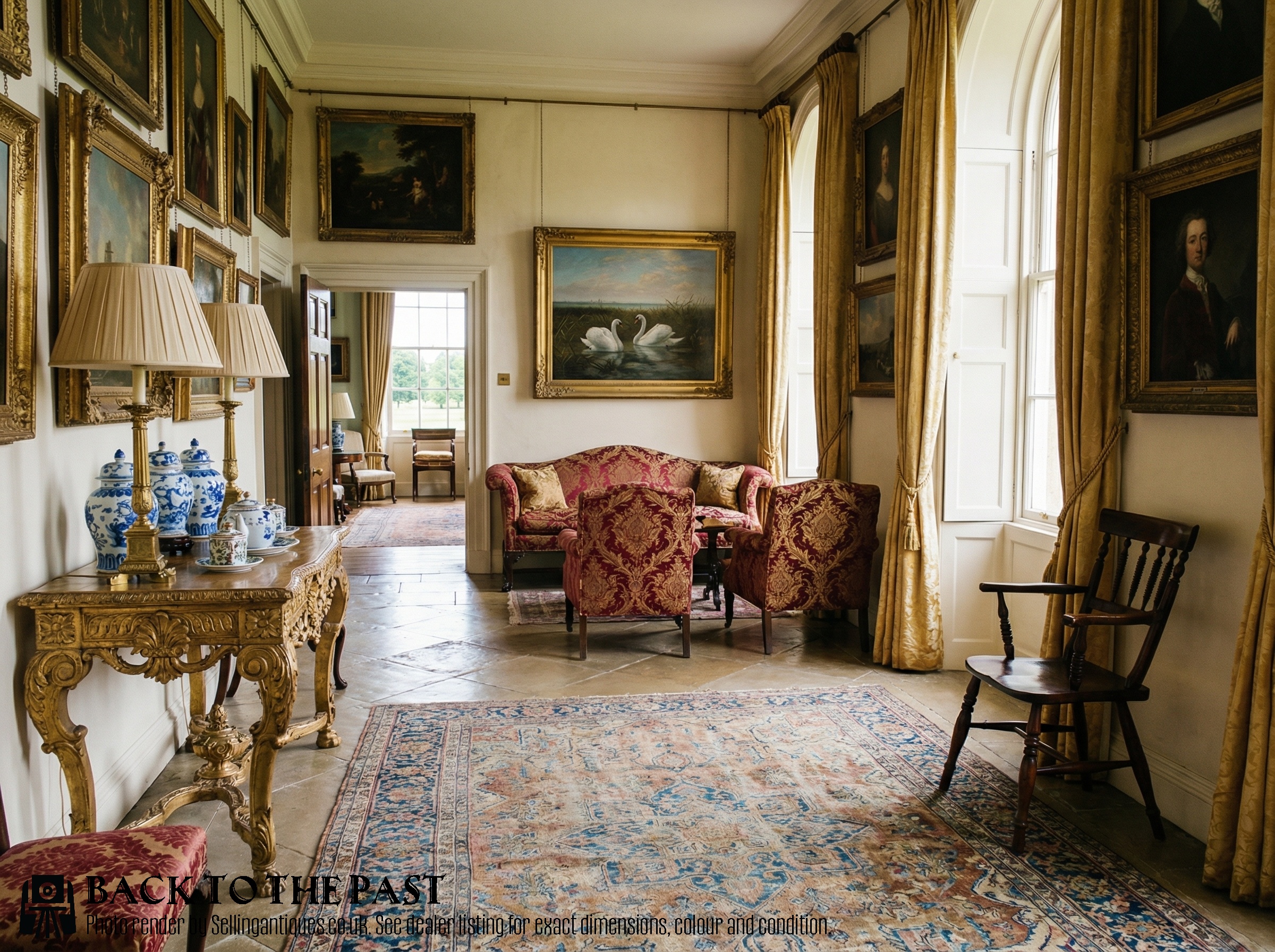
How they were made
Cabinet makers and bodgers constructed these brown wooden carver chairs using native hardwoods such as oak, walnut, mahogany, fruitwood, and yew, frequently combining woods like elm seats with yew or ash spindles in Windsor forms. Joinery methods relied on traditional mortise and tenon joints for formal dining chairs, while Windsor designs utilised turned components fitted with wedges and glue to secure the uprights.
Surfaces received hand-applied finishes including wax and polish to highlight the natural grain of the timber. Upholstered variants incorporated webbing, horsehair stuffing, and coverings in leather, fabric, or tapestry, secured with traditional tacks.
Brown Wooden Carver Chair Retail Price Guide 2026
Typical asking prices for brown wooden carver chair among the pieces listed under this phrase on Sellingantiques today, from the lower quarter to the upper quarter. They describe what is for sale here now, not the wider market.
Listings feature mahogany, elm, ash, oak, beech, yew wood, and walnut across periods ranging from the seventeenth century to the 1930s.
What varies in quality
Quality in a brown wooden carver chair rests upon the selection of timber and the integrity of the original construction. Superior examples display carefully matched grain patterns, precise joinery, and well-proportioned arms and backsplats that provide both comfort and visual balance.
The degree of hand-carving detail, the retention of original surface patination, and the survival of makers' stamps or labels elevate certain pieces. Chairs that retain their structural firmness without excessive timber replacement or later alterations represent the higher tier of craftsmanship.
Liberty Morris & Co·Gillows·Edward Barnsley
The Brown Wooden Carver Chair Glossary
- Carver chair
- An armchair, traditionally placed at the head of a dining table to match a set of single dining chairs. These chairs feature integral armrests designed to support the sitter.
- Windsor chair
- A traditional wooden chair featuring a solid carved wooden seat into which the legs and back spindles are directly joined. Regional variations include stick backs, hoop backs, and high-backed kitchen forms.
- Elbow-chair
- An alternative historical term for an armchair or carver chair, referencing the prominent arm supports. These seats frequently served in morning rooms, studies, and dining parlours.
- Rush seat
- A seating surface woven from dried marsh rushes or sedge around a timber frame. This technique appears on country chairs and Arts and Crafts designs.
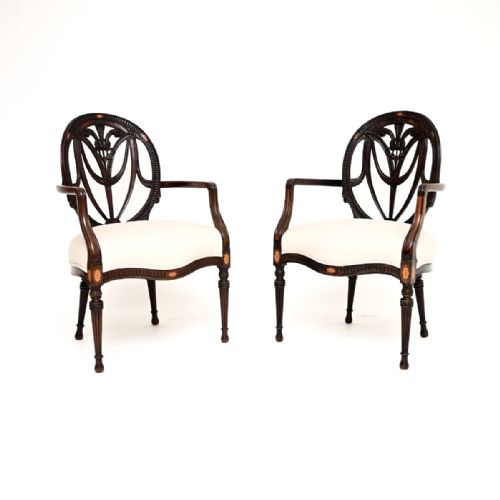
- Hepplewhite style
- A late eighteenth-century furniture style characterised by shield-back or oval-back designs, tapered legs, and delicate carved details. Reproductions and period originals follow these refined classical proportions.
Brown Wooden Carver Chair: Frequently Asked Questions
What is a carver chair?
A carver chair is an armchair designed with wooden armrests, historically placed at the head and foot of a dining table.
These pieces match or complement sets of smaller single chairs used for everyday dining.
Which woods were used?
Maker workshops utilised native timbers including oak, mahogany, walnut, elm, ash, beech, fruitwood, and yew.
Formal dining models typically feature mahogany, while country armchairs frequently combine elm seats with ash or yew framing.
How do I date a wooden armchair?
Dating relies on stylistic clues, construction methods, timber choice, and tool marks visible on unexposed surfaces.
Comparing structural details against documented Georgian, Victorian, and Edwardian periods helps establish the approximate decade of manufacture.