


Brown Hessian Armchair
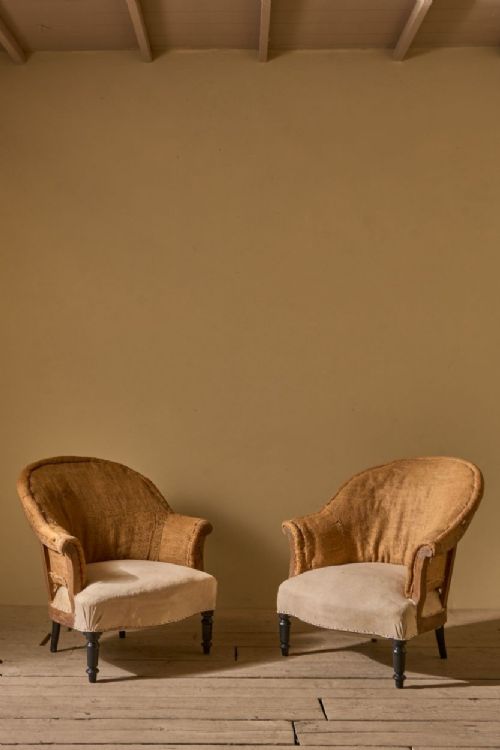
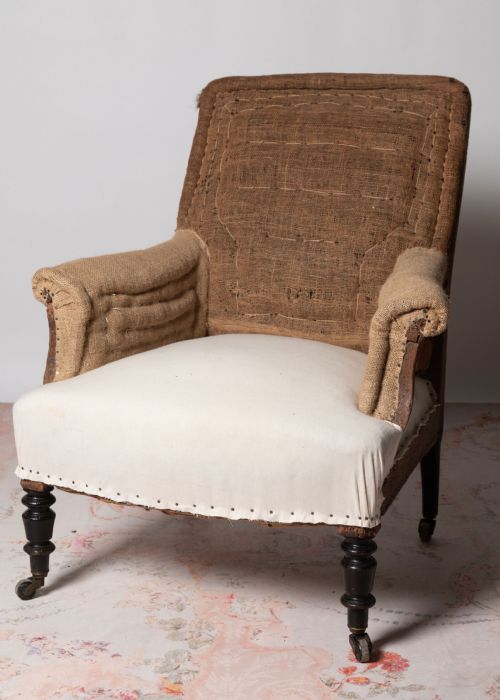
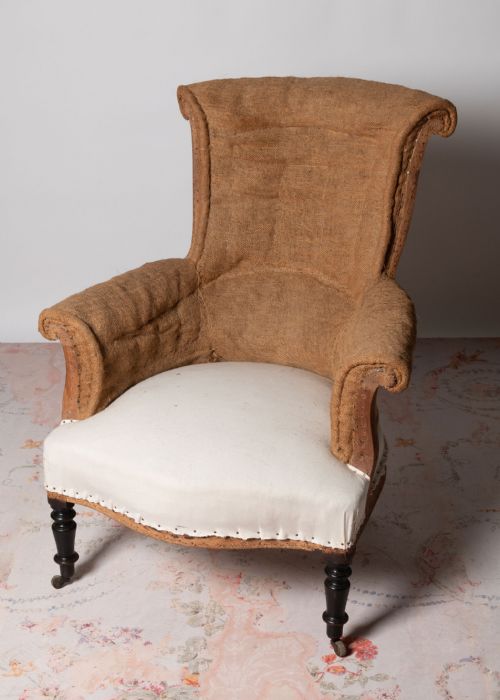
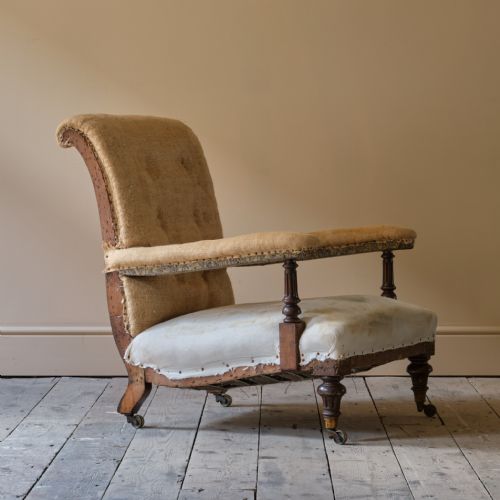
A brown hessian armchair brings tactile texture and sturdy comfort into a room through honest utilitarian cloth and robust timber frames.
Brown Hessian Armchair
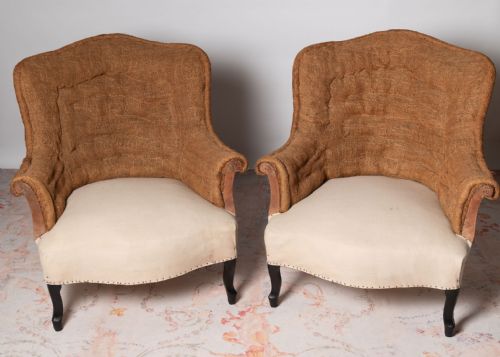
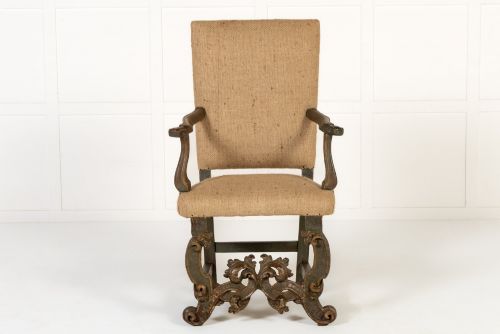
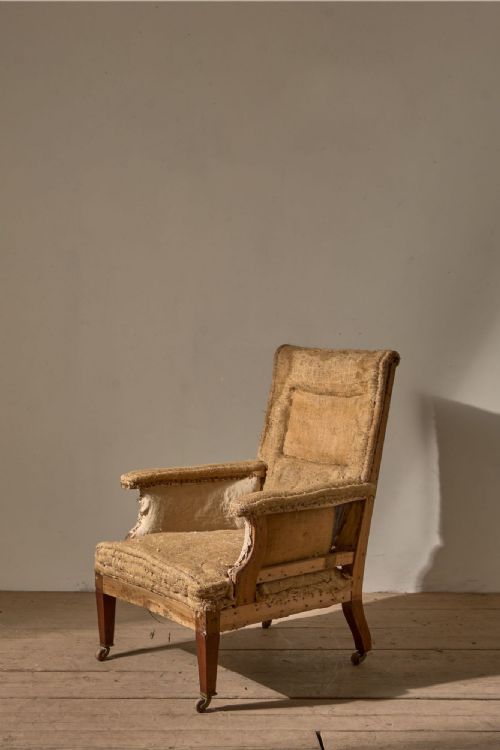
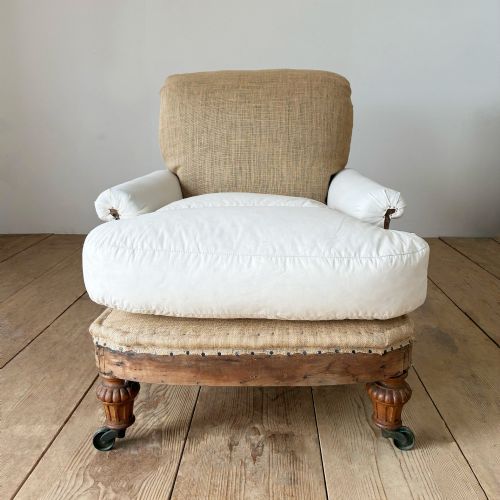
When you search for a brown hessian armchair, you encounter seating built across several centuries, ranging from seventeenth-century Italian forms to nineteenth-century French tub chairs and Edwardian Howard style designs. These pieces combine practical upholstery textiles with traditional frameworks like walnut, mahogany, and general timber.
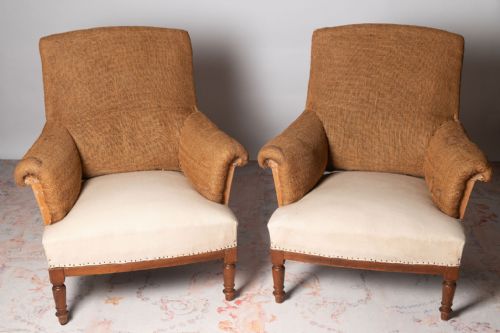
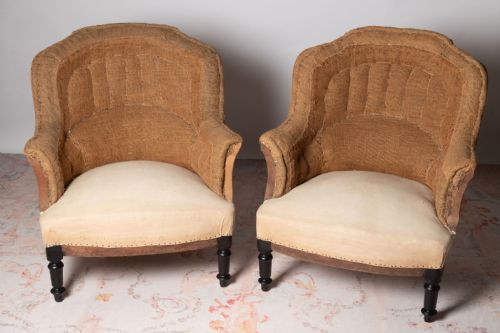
The most common version met on this page is the nineteenth-century French or English open armchair, often upholstered in coarse woven jute fabric. Buyers select these chairs for their rustic yet refined aesthetic, which bridges formal period furniture and relaxed country interiors.
How they were made
Makers constructed the structural frames of these armchairs using solid hardwoods such as walnut and mahogany, joined with traditional carpentry methods. Supporting elements often incorporated brass details alongside internal stuffing held firmly by calico under-upholstery.
The defining outer layer of hessian, a dense woven fabric made from jute fibres, was stretched taut across the arms, backs, and seats. This coarse material served both as a durable finished upholstery and as a sturdy base for traditional padding.
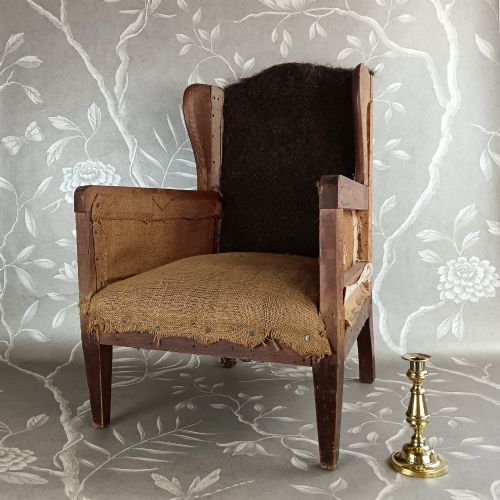
A child enjoys the same dignified wingback posture as an adult when sitting in a diminutive nineteenth-century miniature version.
What varies in quality
The distinction between standard and superior examples lies in the integrity of the timber frame and the precision of the joinery. Chairs fashioned from dense walnut or mahogany by established cabinet makers demonstrate greater structural endurance than simpler regional pieces.
Quality also rests on the weight and weave consistency of the hessian textile itself. Finer specimens display an even, tightly woven jute cloth that holds its tension cleanly over the contours of the armchair.
Gillows·Robert Strahan
The Brown Hessian Armchair Glossary
- Hessian
- A woven fabric typically made from jute plant fibres, valued for its coarse texture and durability. It provides the characteristic neutral brown surface seen on these armchairs.
- Wingback
- An armchair featuring protective side panels attached to the backrest, originally designed to shield occupants from draughts. Eighteenth-century and Edwardian examples frequently adopt this silhouette.
- Tub chair
- A rounded armchair where the back and arms form a single continuous curved enclosure. Nineteenth-century Napoleon III makers frequently employed this comfortable compact form.
- Calico
- A plain-woven cotton textile traditionally used beneath the outer upholstery layer to secure the internal stuffing. It offers a smooth foundation before the final hessian cover is applied.
- Howard style
- A nineteenth-century and Edwardian upholstery design characterised by deep, comfortable seating proportions and rolled arms. These chairs are renowned for relaxed elegance and superior lounging comfort.
Brown Hessian Armchair: Frequently Asked Questions
What periods do these armchairs span?
The selection encompasses centuries of seating design, stretching from seventeenth-century Italian items through eighteenth-century walnut frames up to nineteenth-century French models and Edwardian pieces. Each era contributes distinct architectural proportions to the seating.
Buyers encounter stylistic shifts from baroque Italian lines to refined Queen Anne wingbacks and nineteenth-century Howard style open armchairs.
How do I identify a Howard style armchair?
Howard style armchairs typically display low, scrolling arms and deep, sprung seats designed for maximum comfort. They emerged strongly during the nineteenth and Edwardian periods.
These pieces prioritise relaxed ergonomics while maintaining disciplined upholstery lines beneath their hessian or fabric covers.
What wood types support these chairs?
Makers relied on durable hardwoods including mahogany and walnut for structural stability across centuries of production. General timber frameworks also appear frequently in regional variations.
These dense woods ensure the longevity of the frames beneath the heavy textile upholstery.
How should I live with a hessian armchair?
A hessian armchair integrates well into both contemporary and traditional spaces by introducing organic texture and neutral earth tones. Its robust jute surface handles daily use with ease.
Pair the chair with smooth wooden furnishings or contrasting textiles to highlight the coarse weave of the fabric.