

Antique Upholstery Project Chair
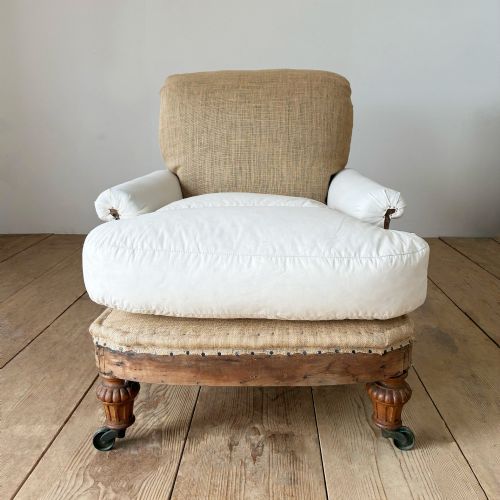
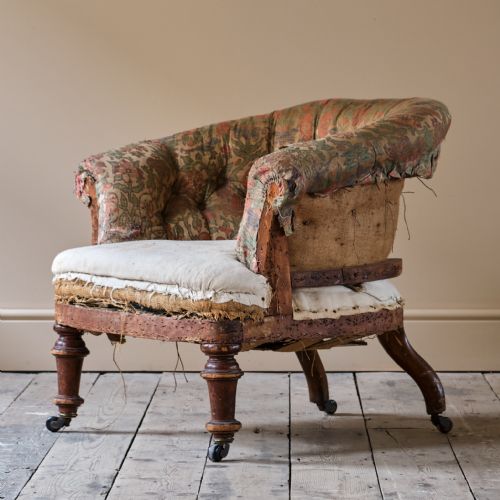
An antique upholstery project chair is a skeletal frame waiting for its next skin, offering the thrilling chance to restore a true period seat.
What an antique upholstery project chair is
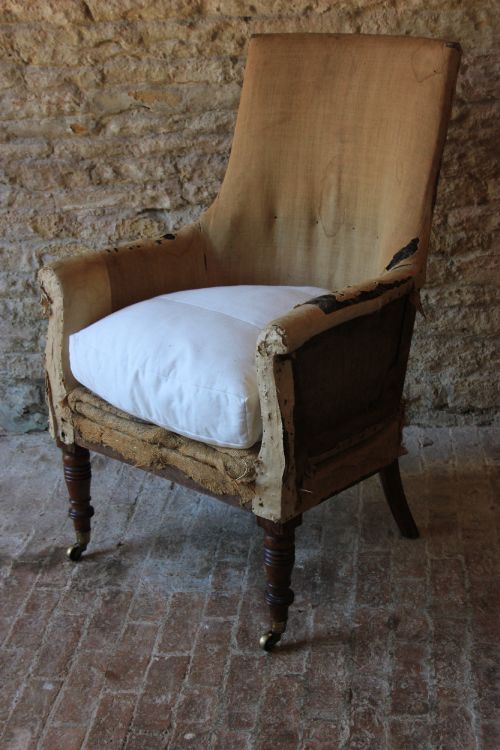
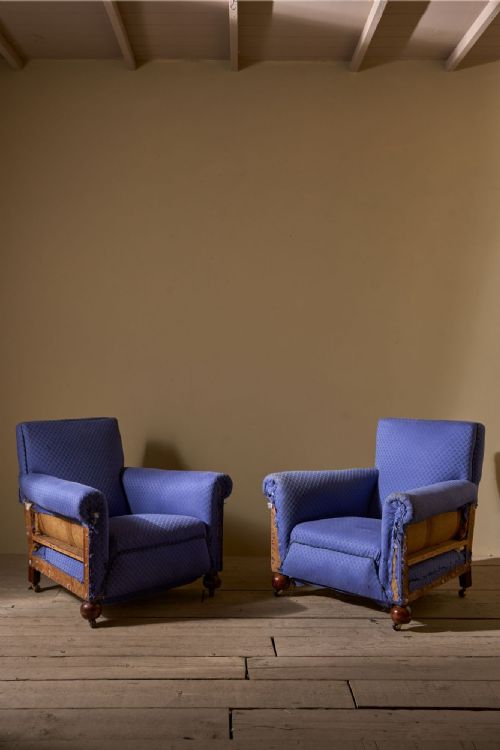
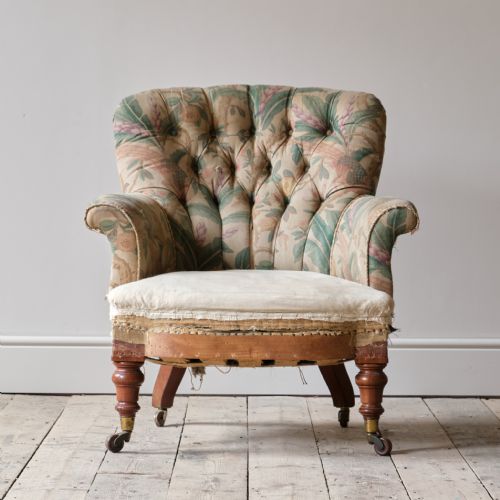
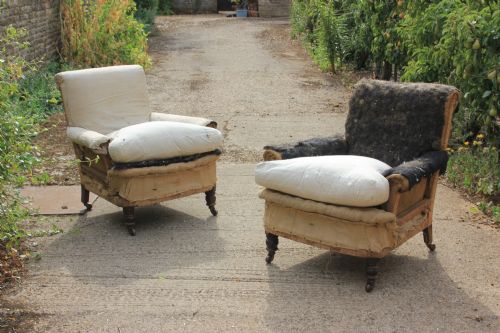
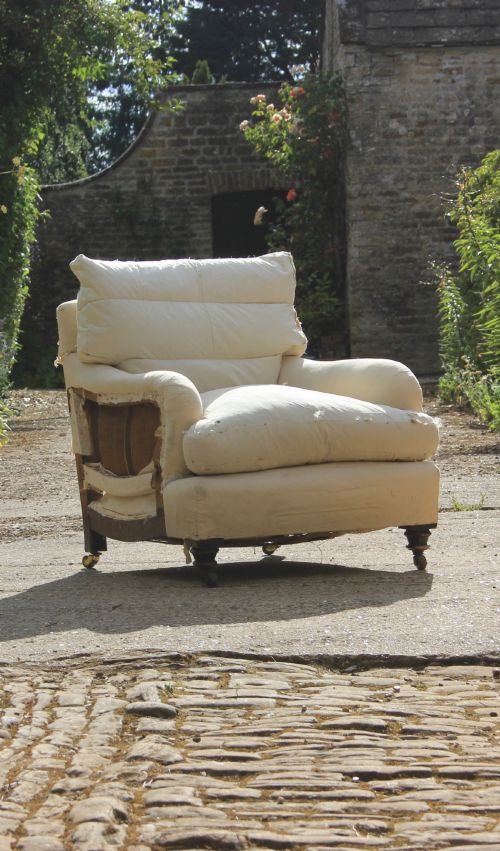
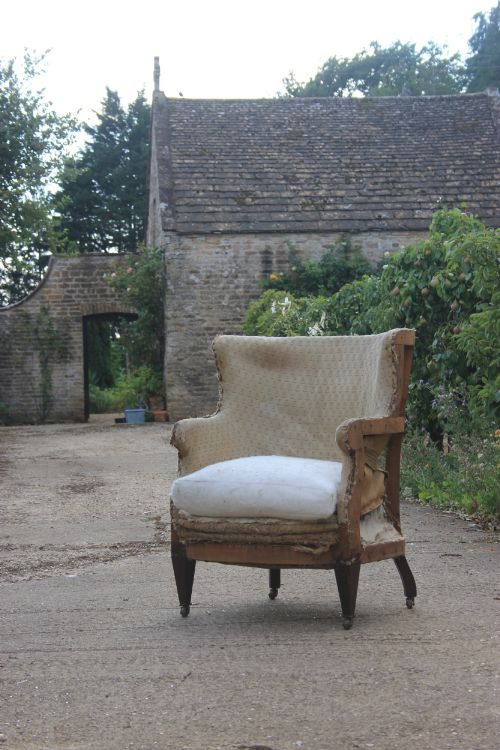
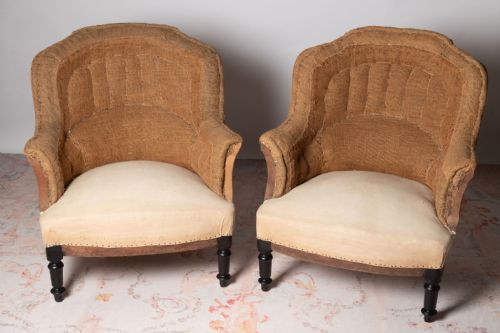
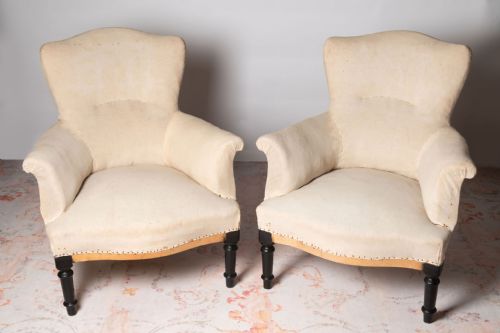
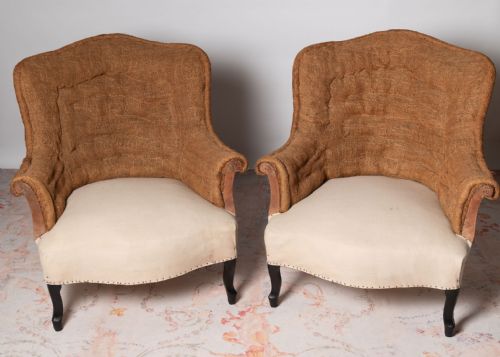
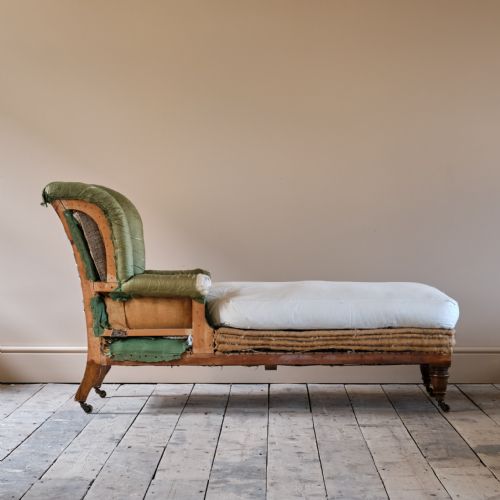
When you search for an antique upholstery project chair, you find exposed skeletons and tired seats stripped back to their bare bones. These pieces demand skilled restoration before they return to daily service in a home.
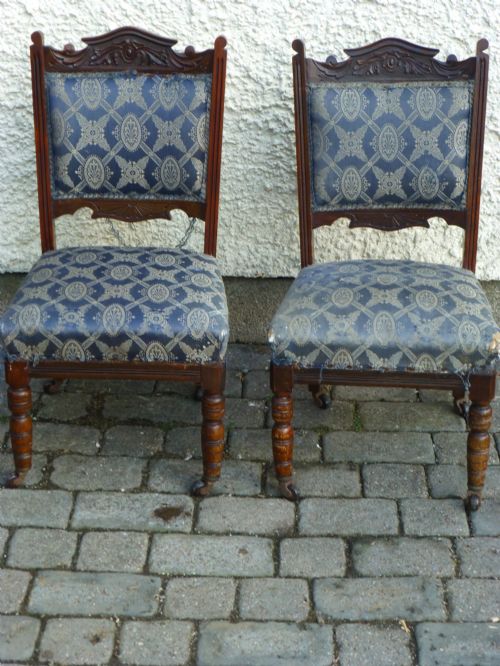
The selections available here span several distinct eras, ranging from early Georgian frames to later Victorian interpretations. You encounter substantial armchairs, bedroom chairs, and reclining forms built for domestic comfort.
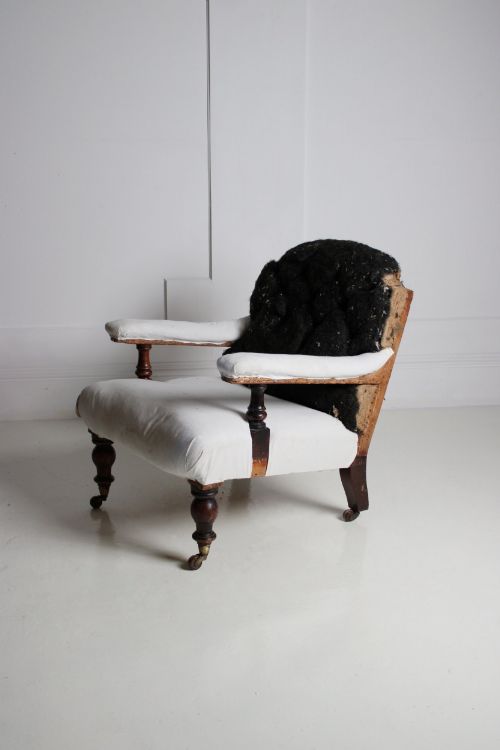
Woods such as mahogany, walnut, and oak form the structural foundations of these pieces. Original stuffing materials like horsehair often remain trapped beneath modern calico or hessian layers, showing decades of previous habitation.
How they were made
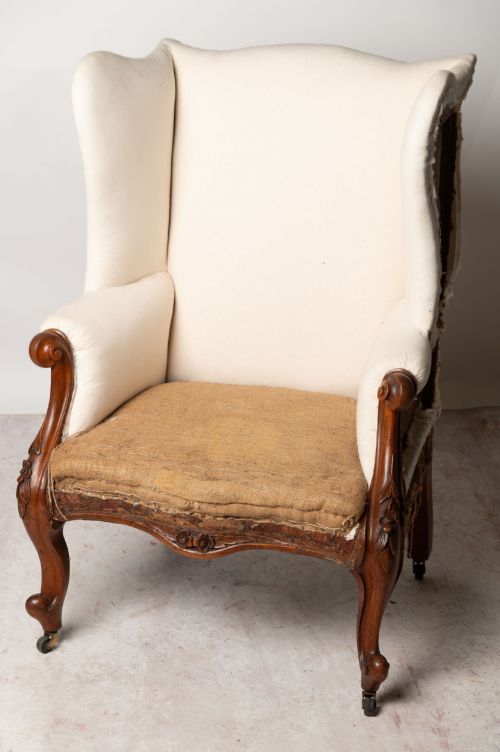
Cabinetmakers constructed the wooden chassis using dense timbers like mahogany and walnut, shaping cabriole legs or turning supports by hand. Joints were typically pegged or dowelled to withstand the rigours of daily use.
Traditional upholsterers built up the seat and back using layered hessian and horsehair, securing everything with rows of iron tacks. Brass castors were frequently added to the feet of heavier armchairs for ease of movement.
Retail Price Guide 2026
Typical UK retail prices for upholstery project chair, calculated from the Sellingantiques database of over a million retail prices indexed since 2003. This retail price guide relies exclusively on Sellingantiques data; no external sources or auction records are used, so the figures do not describe the wider market.
What varies in quality
The calibre of a project chair rests entirely on the integrity of its wooden frame and the ambition of its original design. Superior examples feature deeply sculpted armrests, elegant leg proportions, and robust joinery that survives centuries without major structural failure.
Pieces bearing maker attribution or distinctive regional characteristics command greater attention from restorers. The distinction lies in the crispness of the timber carving and the architectural weight of the chassis itself.
Hindley And Sons·Howard And Sons
The Antique Upholstery Project Chair Glossary
- Horsehair
- A traditional stuffing material utilised for its springiness and durability in period seating. It packs tightly into compartments to maintain firm support over decades.
- Hessian
- A coarse woven fabric made from jute fibres, stretched across frames as a foundation layer for stuffing. It holds the internal padding securely in place before the top cover goes on.
- Calico
- A plain-woven cotton cloth applied directly over the horsehair stuffing to create a smooth, tight barrier before the final decorative fabric. It prevents internal fibres from poking through.
- Castor
- A small wheel attached to the base of furniture legs, often rendered in brass, allowing heavy armchairs to glide across floors. They protect delicate timber feet from splitting under heavy loads.
Frequently Asked Questions
What is an antique upholstery project chair?
An antique upholstery project chair is a period seating frame that requires new padding, webbing, and fabric. These pieces are sold in various states of undress, often retaining old horsehair and hessian.
Buyers acquire these items to restore them using authentic historical techniques and custom textiles. They represent a hands-on approach to historic furniture preservation.
How do I identify the period of a chair?
You determine the age of a chair by examining its timber species, leg profile, and structural joinery. Early Georgian pieces show different proportions and carving styles compared to later Victorian iterations.
Analysing the internal stuffing materials and webbing also provides clues regarding previous interventions. Comparing the chassis to known stylistic markers clarifies the timeline.
What materials will I find inside the frame?
Internal padding typically consists of packed horsehair held tightly within layers of coarse hessian. Iron tacks secure these components directly to the wooden rails of the seat and back.
Sublayers often feature calico stretched tautly over the stuffing to create an even surface. Brass tacks or decorative studs sometimes line the exterior trim edges.
How were these chairs used historically?
These armchairs served as comfortable lounging seats in drawing rooms, libraries, and bedrooms across grand country houses. Reclining variants provided adjustable relaxation for occupants during the nineteenth century.
They functioned as primary items of domestic comfort before being stripped of their worn outer textiles. Their robust frames ensured they endured generations of constant household use.