
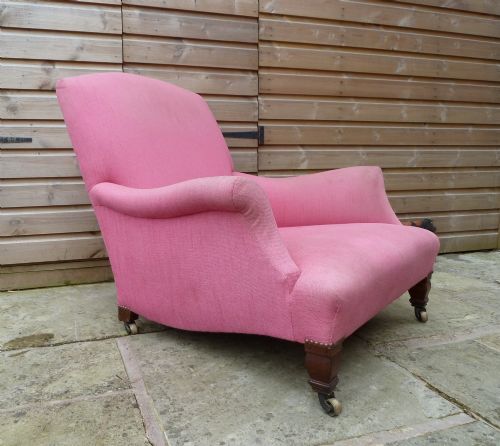
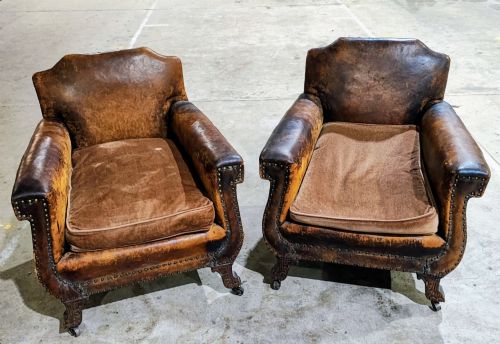
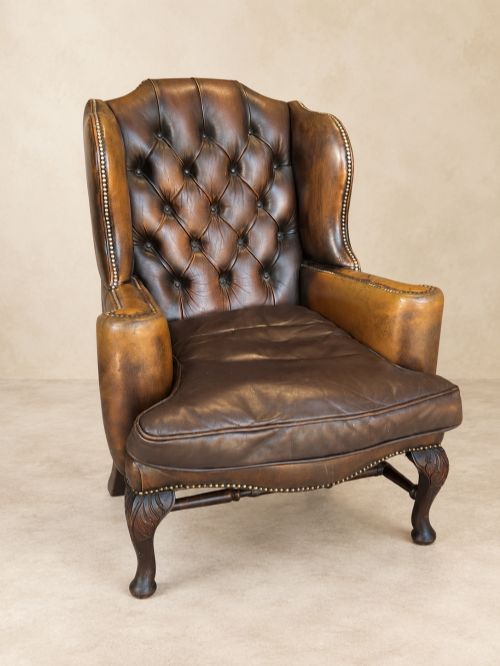
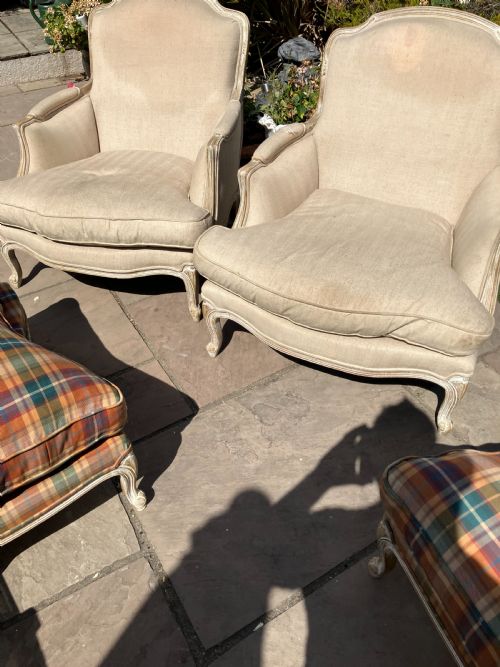


Vintage Club Armchair
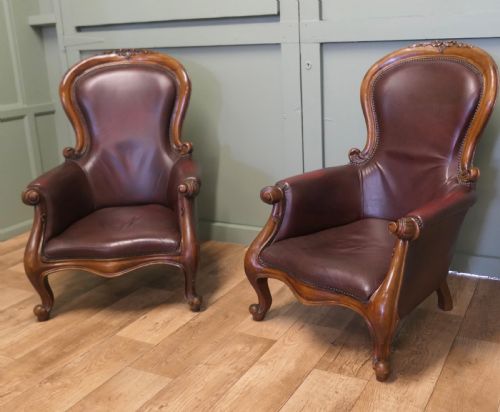
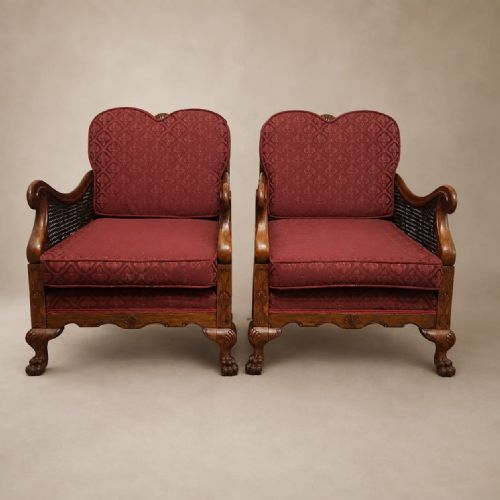
A vintage club armchair offers deep comfort and solid construction, making it a reliable choice for a living room or study.
Vintage Club Armchair
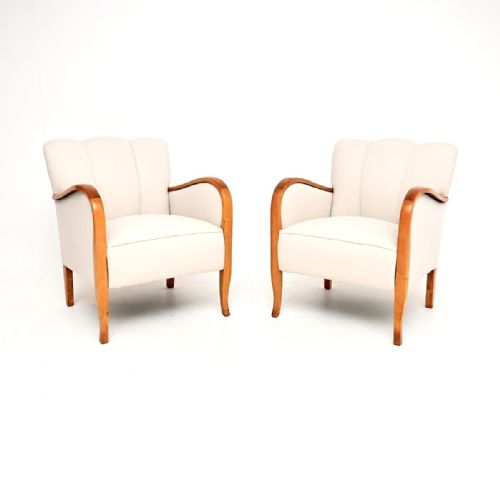
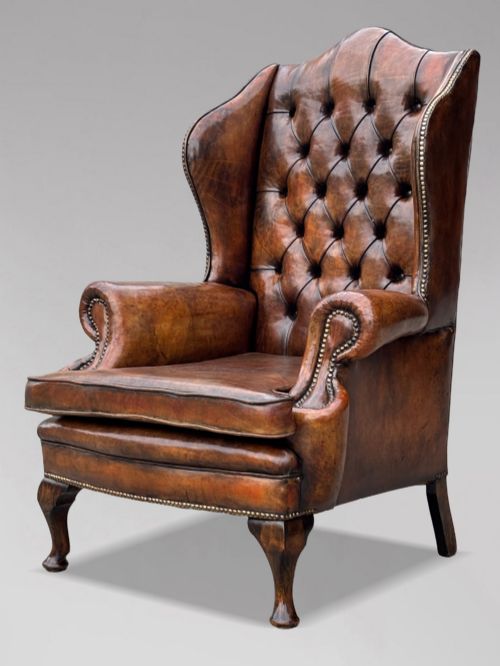
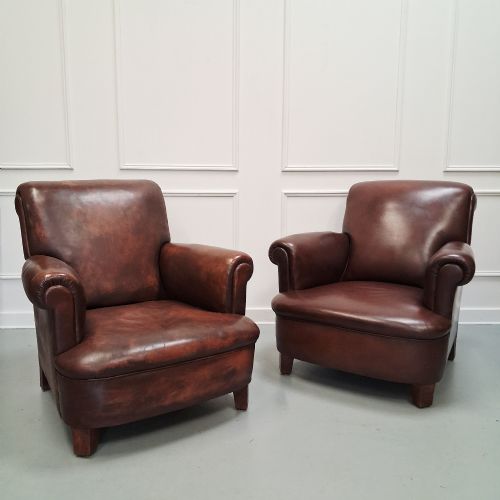
A vintage club armchair provides generous proportions and heavy padding designed for long periods of sitting. These seating forms range from low-slung French designs to tall-backed English library chairs.
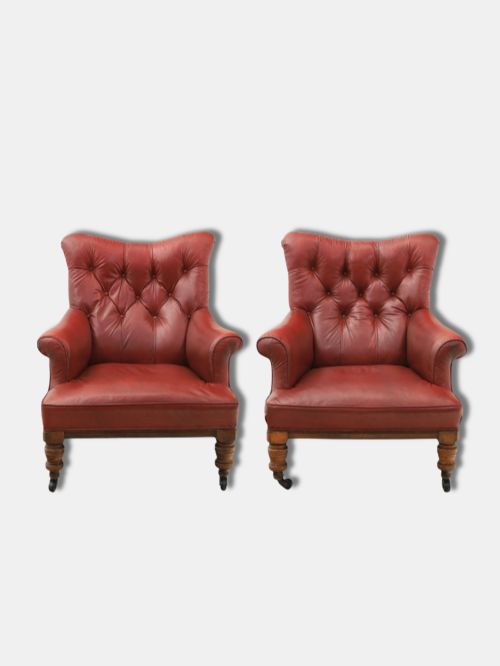
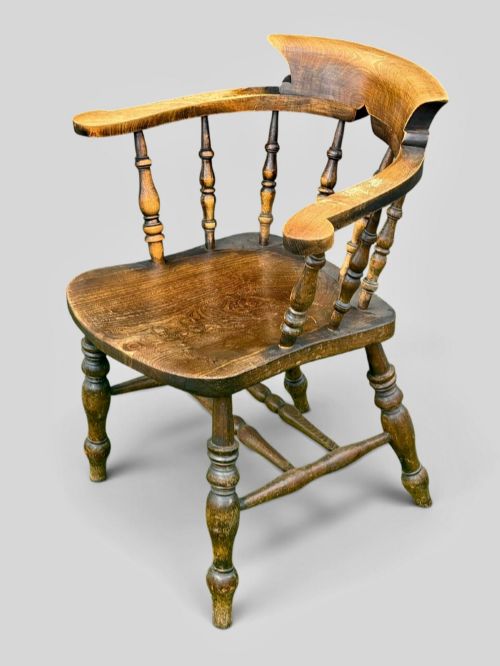
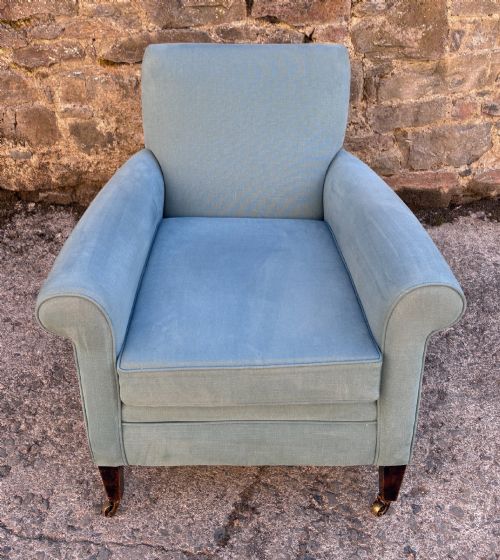
The versions most common on this page date from the nineteenth century through the 1930s. They appear in leather, fabric, and rexine with frames of oak, mahogany, walnut, and beech.
How they were made
Makers built the internal structure using hardwoods such as oak, mahogany, walnut, beech, and elm. These timbers provided the sturdy skeleton needed to support deep cushioning and heavy use.
Upholstery relied on traditional materials like leather, fabric, split cane, and brass tacking. Artisans shaped the arms and backs to create deep seats for daily lounging.
Vintage Club Armchair Retail Price Guide 2026
Typical asking prices for vintage club armchair among the pieces listed under this phrase on Sellingantiques today, from the lower quarter to the upper quarter. They describe what is for sale here now, not the wider market.
Listings feature periods spanning from the Victorian era and Edwardian years through to 1930s Art Deco designs.
What varies in quality
Construction standards separate standard seating from exceptional examples. The weight of the timber frame and the durability of the underlying joinery dictate how well the piece holds its shape over decades.
The selection of covering materials also marks the difference between tiers. Thick hides and well-chosen textiles show superior grain and resilience compared to thinner alternatives.
Hille
The Vintage Club Armchair Glossary
- Bergere
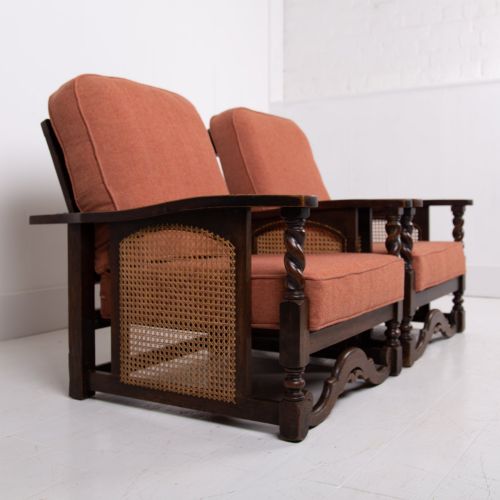
- An upholstered armchair with an enclosed wooden frame where the back and sides typically consist of cane work. This style originated in France and remains popular for its lighter visual weight.
- Chesterfield
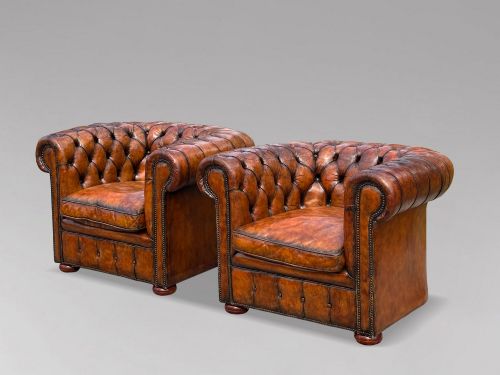
- A heavy seating style defined by deep button tufting and rolled arms that match the back in height. These pieces often feature leather upholstery and brass stud detailing.
- Rexine
- An artificial leather cloth made from a woven fabric base coated with nitrocellulose. It gained common usage during the early twentieth century as a durable alternative to natural hide.
- Satin Birch
- A pale timber with a shimmering grain often utilised during the Art Deco period. It provides a striking contrast against dark leather upholstery.
Vintage Club Armchair: Frequently Asked Questions
How do I date a club armchair?
Examine the wood frame, upholstery materials, and overall style to establish the period. Victorian and Edwardian examples often display carved wooden elements, while 1930s pieces lean towards streamlined Art Deco silhouettes.
Construction methods inside the seat also offer clues. Hand-tied springs and traditional stuffing methods point to earlier craftsmanship, whereas later pieces utilise alternative materials.
Are these chairs comfortable for daily use?
These armchairs were built for deep seating and relaxation. Their generous proportions and padded arms make them practical for everyday lounging in a living space.
Maintenance is straightforward with regular conditioning for leather surfaces. Proper care ensures the padding and frame remain supportive over time.
How do I clean antique leather?
Clean leather surfaces gently using a soft, damp cloth to remove surface dust. Avoid harsh chemical cleaners that can dry out the hide.
Apply a suitable leather balm or conditioner periodically to keep the material supple. This preserves the natural finish without altering the vintage patina.