

Victorian Carver Chairs
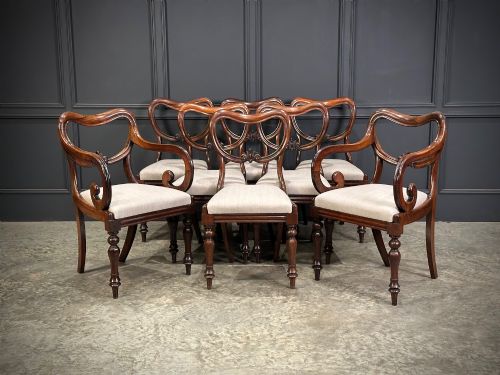
When choosing victorian carver chairs, you secure an armchair designed with scrolling elbow rests to anchor a dining suite or grace a country kitchen.
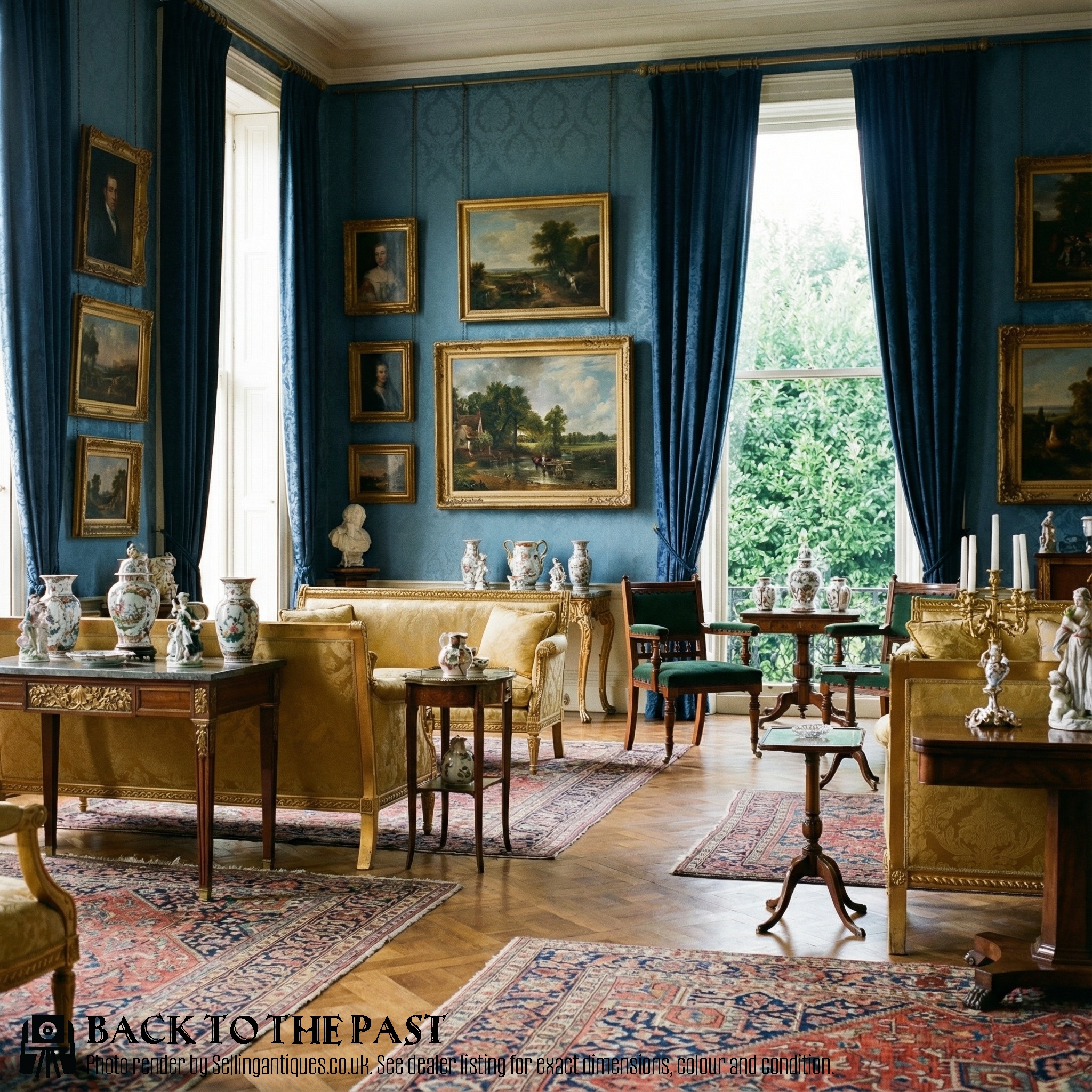
Victorian Carver Chairs
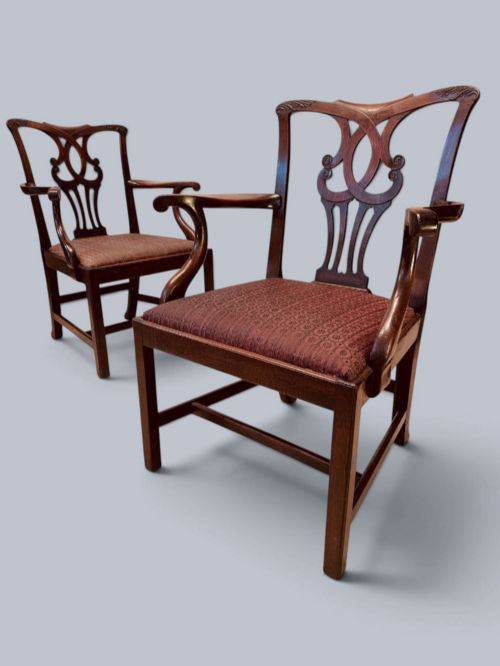
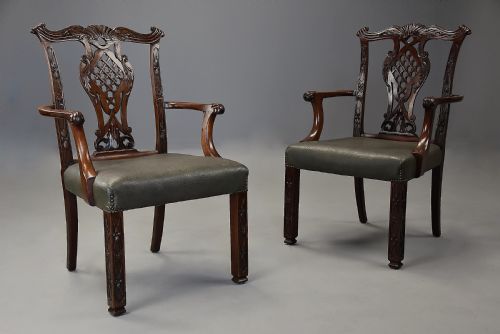
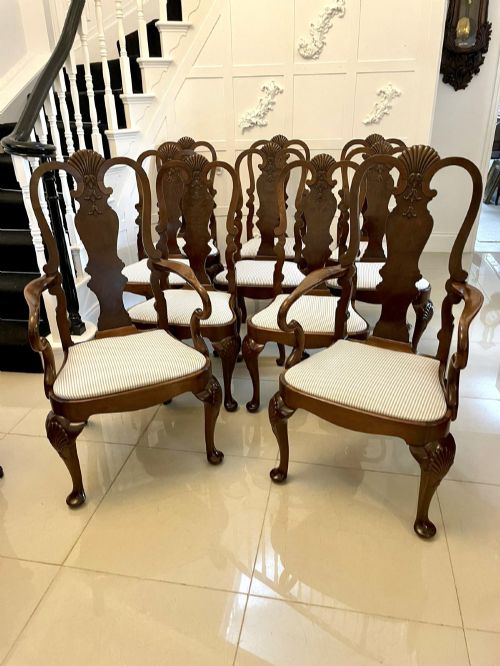
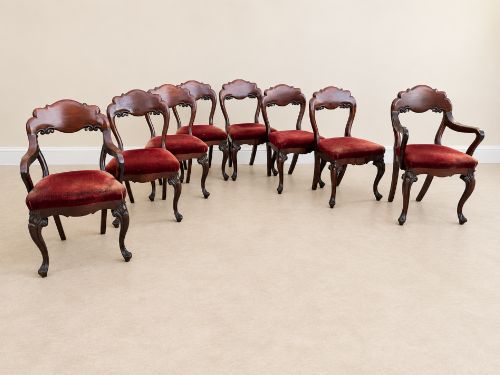
Victorian carver chairs encompass formal dining carvers executed in mahogany and walnut alongside robust country armchairs shaped from timber such as elm, ash, and beech. These seating options emerge across the nineteenth century in various revival idioms, incorporating Chippendale, Hepplewhite, and Gothic design details.
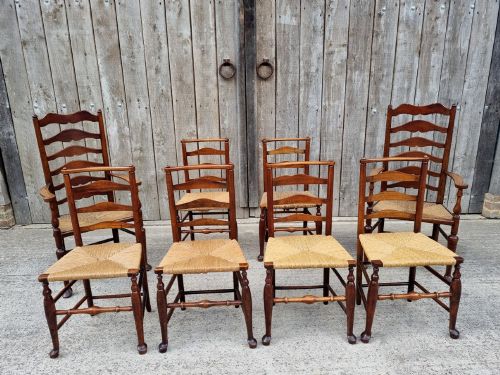
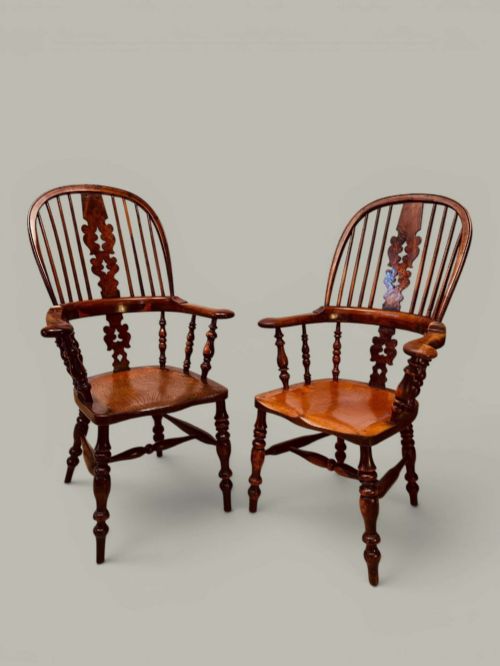
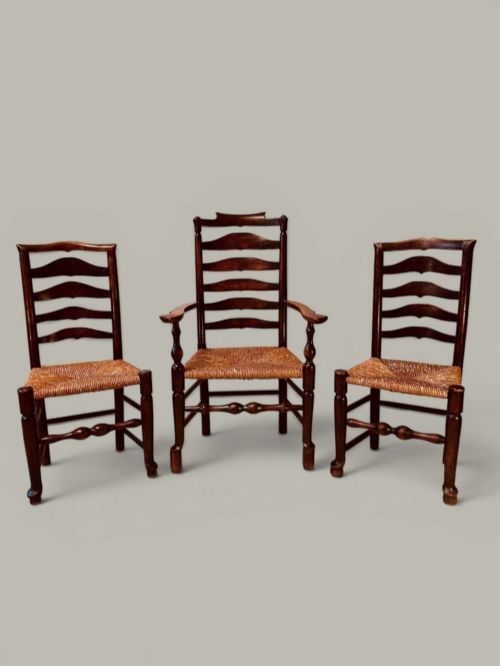
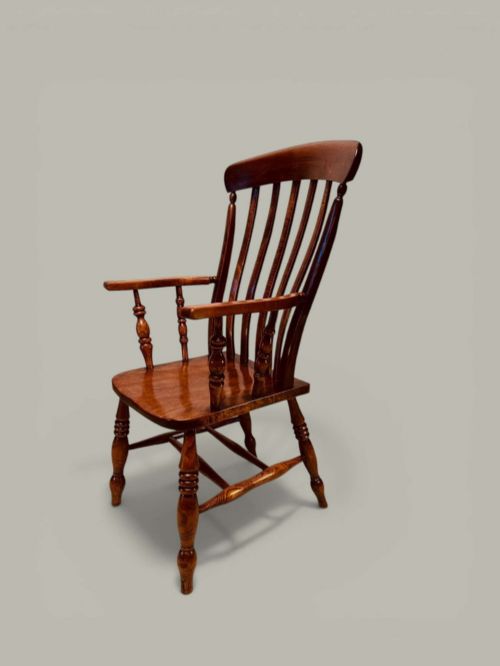
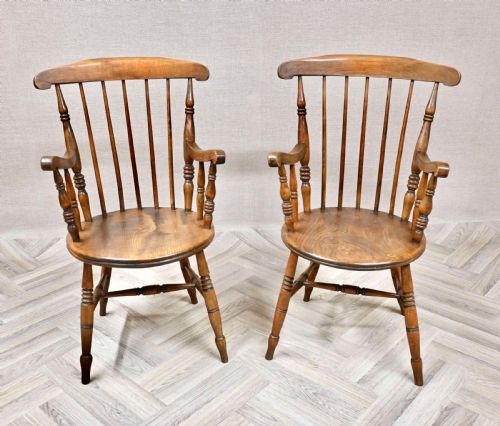
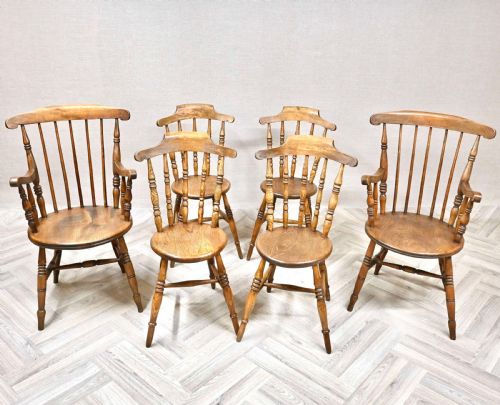
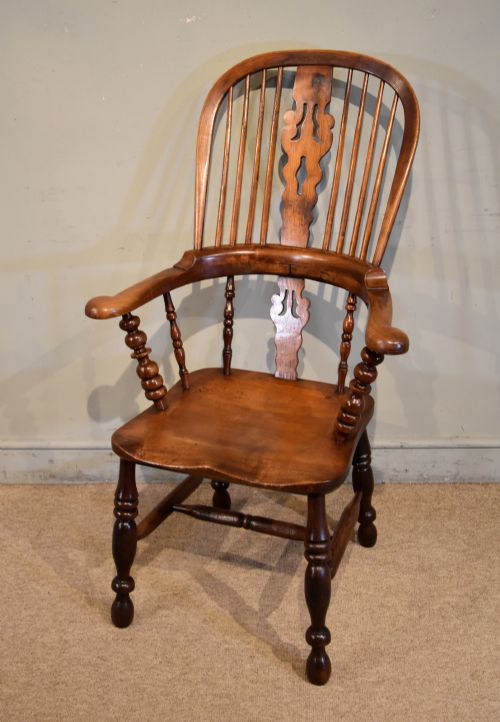
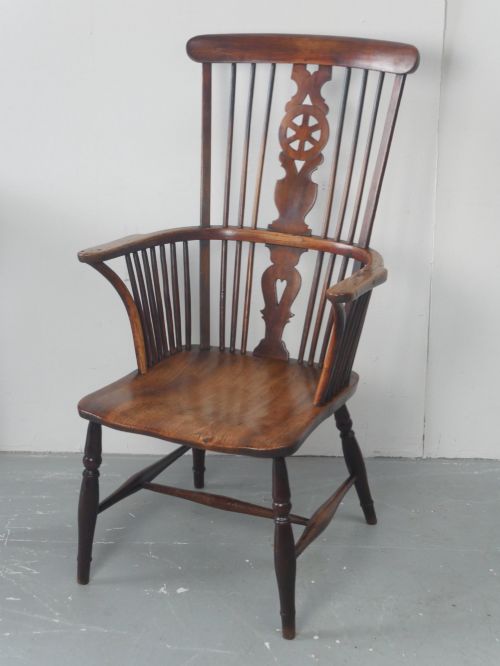
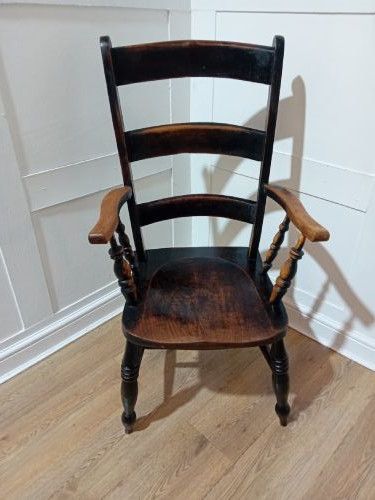
Buyers commonly encounter two distinct lineages within these listings. The first comprises sophisticated parlour and dining carvers featuring carved splats, open arms, and upholstered seats in leather or tapestry. The second includes vernacular Windsor and ladder-back kitchen armchairs built by regional makers for everyday domestic use.
How they were made
Cabinet makers and rural joiners relied upon solid hardwoods, turning beech, ash, and elm for spindle-backed frameworks while employing mahogany and walnut for formal dining seats. Traditional joinery methods governed construction, utilising mortise and tenon joints to secure uprights to heavy seats.
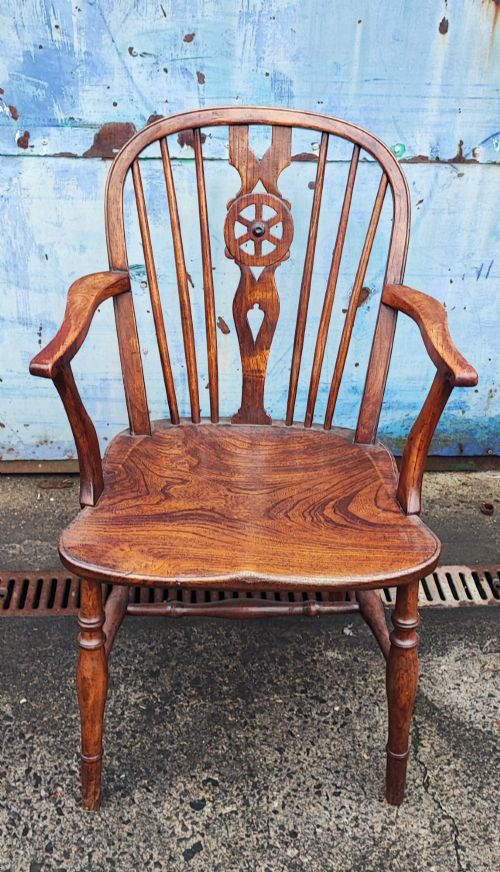
Country wheelback and stick-back variations utilised steam-bent components to form curved hoops and arm supports. Formal dining carvers received hand-carved decorative motifs on backsplats, alongside dropped-in or upholstered pads finished with brass tacks.
Victorian Carver Chairs Retail Price Guide 2026
Typical asking prices for victorian carver chairs among the pieces listed under this phrase on Sellingantiques today, from the lower quarter to the upper quarter. They describe what is for sale here now, not the wider market.
The listings span multiple nineteenth-century revivals, encompassing Chippendale, Hepplewhite, and Gothic styles executed in oak, mahogany, walnut, and elm.
What varies in quality
The distinction between standard domestic seating and superior examples rests upon timber selection and the crispness of carved ornamentation. Dense, well-figured mahogany and burr walnut express greater ambition than plain beech or standard oak variants.
Structural integrity relies upon original timber components remaining tight within their joints without excessive replacement parts. Examples carrying documented attributions to notable cabinet-makers or retaining undisturbed patinated finishes command greater consideration.
Howard and Sons·Philip Clissett·Warings·Gillows
The Victorian Carver Chairs Glossary
- Carver chair
- An armchair designed to match a set of dining chairs, traditionally placed at the head of the table for the host. These chairs feature open arms to accommodate wider clothing styles.
- Windsor
- A wooden chair construction style where turned legs and back spindles are wedged directly into a solid sculpted wooden seat. Regional variations include bar backs, wheel backs, and stick backs.
- Splath
- The central vertical wooden strip rising from the seat to the top rail of a chair back. Elaborate versions often display carved interlaced or pierced scrollwork characteristic of revival periods.
- Elbow chair
- An alternative historical term for an armchair with low arm supports designed to accommodate the user's forearms. These appear frequently in nineteenth-century domestic inventories.
Victorian Carver Chairs: Frequently Asked Questions
Where should I place a carver chair?
These armchairs serve effectively at the head and foot of a dining table to frame a larger suite. They also function as standalone reading seats in a hallway or morning room.
Because carver chairs feature wider armrests, they require slightly more lateral space than standard side chairs. Ensure your room layout permits comfortable access around the broader footprint.
How do I identify a Windsor carver?
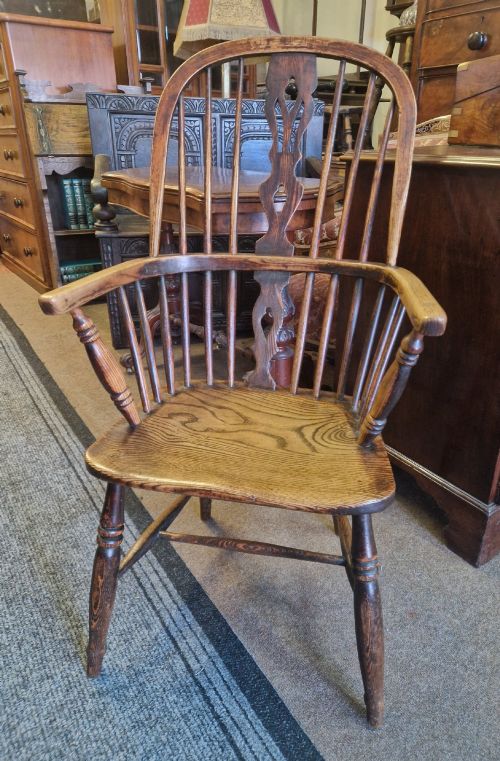
Windsor carvers are defined by their distinctive construction method, where the legs and back uprights are socketed directly into a heavy solid timber seat rather than an independent frame. They frequently appear in country timbers like elm, ash, and beech.
Many examples incorporate bentwood hoops forming the arms and backrest, sometimes featuring a central pierced splat or wheel carving. Their robust peasant construction separates them from formal mahogany dining carvers.
How do I care for antique wooden armchairs?
Maintain timber surfaces by applying a traditional beeswax polish sparingly to nourish the grain and preserve the surface sheen. Avoid positioning wooden chairs near direct heat sources or strong sunlight, which can cause timber to split and joints to loosen over time.
Check periodically that the legs and arm supports remain firmly seated in their joints. Gentle handling preserves original joinery and maintains the historical finish.