



Neoclassical Mahogany Chairs
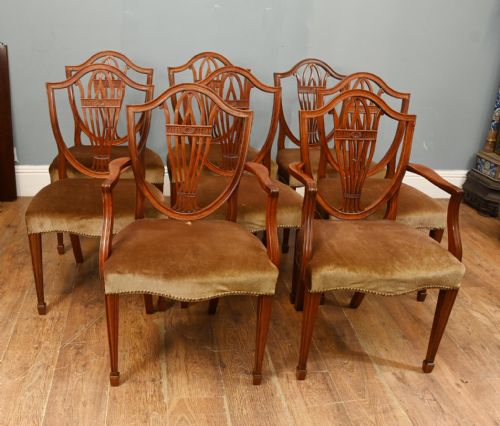
Neoclassical mahogany chairs bring architectural symmetry and rich timber into a room, offering enduring elegance for any serious collector.
Neoclassical mahogany chairs
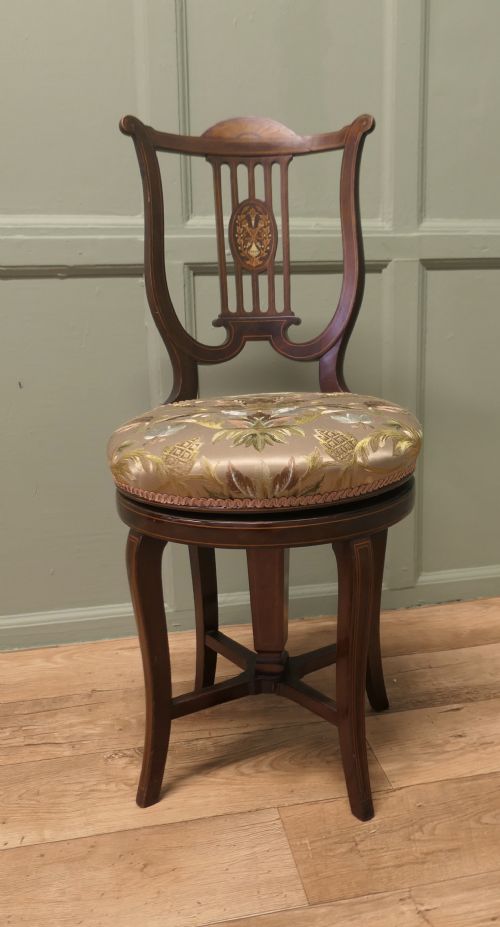
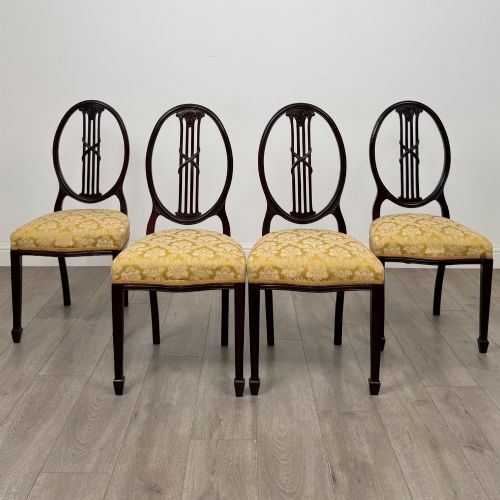
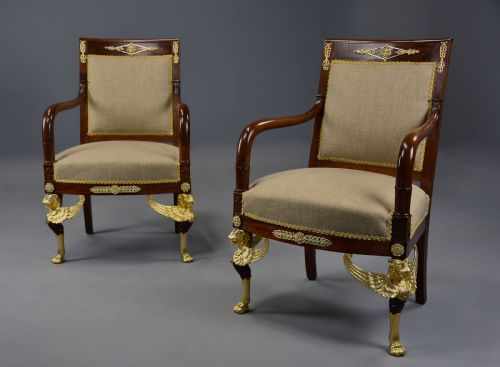
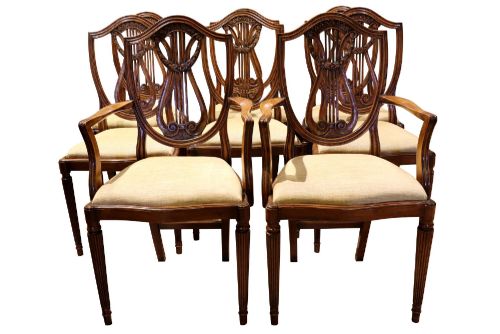
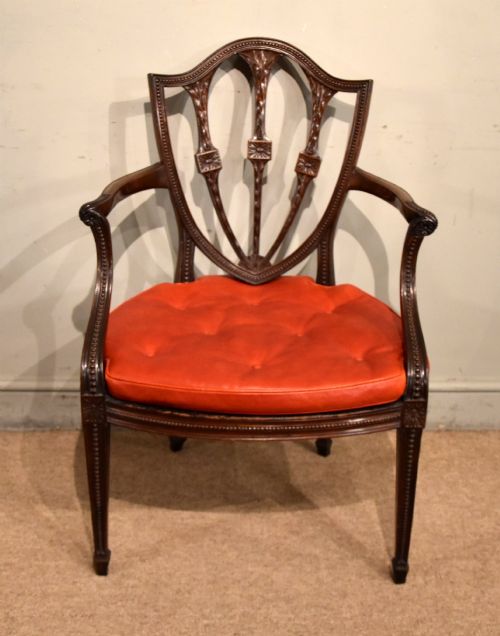
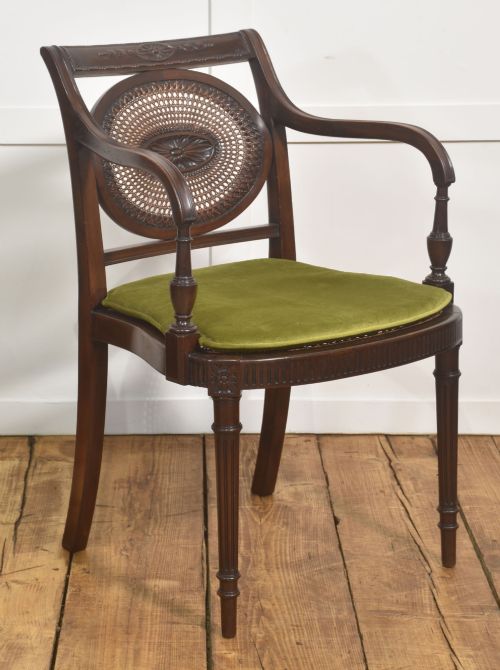
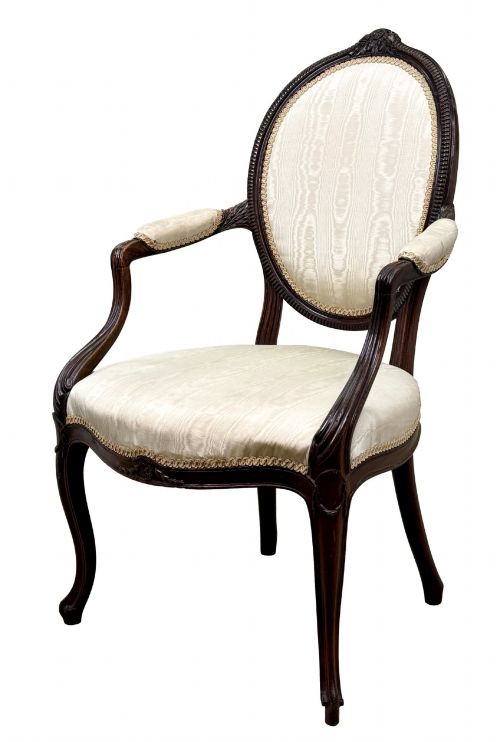
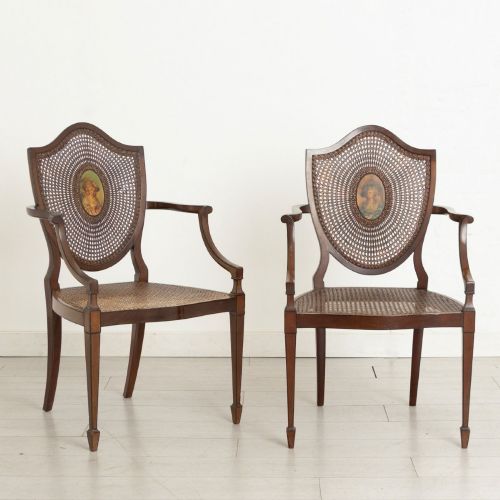
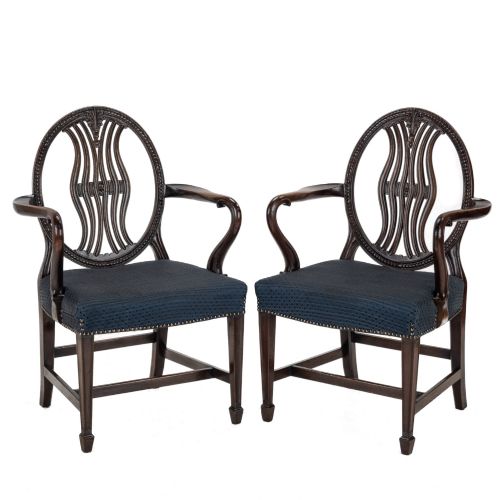
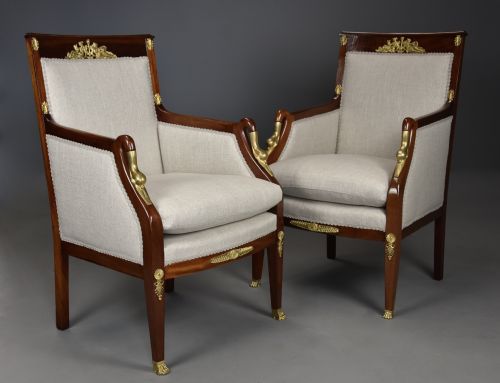
When you search for neoclassical mahogany chairs, you encounter a refined selection of seating spanning the eighteenth and nineteenth centuries, alongside later revival pieces. The forms range from open armchairs and carvers to side chairs and dining sets, often exhibiting the balanced proportions characteristic of the George III, Regency, and Directoire periods.
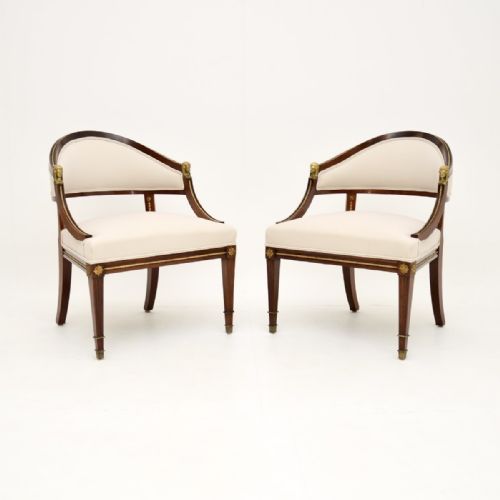
Swedish neoclassical pieces appear frequently alongside English examples, showing distinct regional interpretations of classical restraint and symmetry. Armchairs and dining chairs dominate the available selections, frequently featuring upholstered seats in damask, velvet, wool, or standard textile.
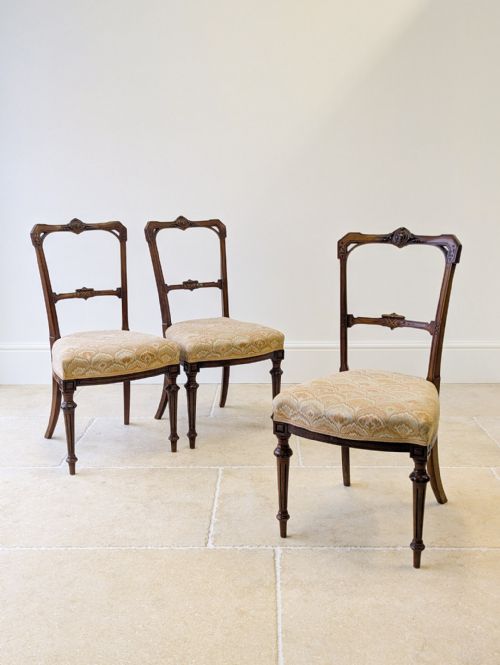
Makers and craftsmen of these periods drew heavily on ancient architectural motifs, translating them into domestic seating through disciplined carving and rich timber selection. Whether evaluating a set of eighteenth-century dining chairs or a pair of late nineteenth-century salon chairs, the fundamental commitment to classicism remains constant.
Materials and construction
The primary material across all listed items is mahogany, prized for its deep grain, stability, and suitability for crisp carving. Cabinetmakers utilised this dense timber alongside secondary elements of brass and detailed inlay work to achieve structural integrity and visual depth.
Upholstery techniques involved traditional fillings covered in durable textiles such as wool, velvet, and damask upholstery. The integration of textile work completed the seating, balancing the rigid architecture of the wooden frame with soft, tactile surfaces.
Retail Price Guide 2026
Typical UK retail prices for neoclassical mahogany chairs, calculated from the Sellingantiques database of over a million retail prices indexed since 2003. This retail price guide relies exclusively on Sellingantiques data; no external sources or auction records are used, so the figures do not describe the wider market.
The listings combine eighteenth-century pieces with nineteenth-century revivals, uniting mahogany frames with wool, damask, and velvet upholstery.
Judging quality in the range
Quality reveals itself in the crispness of the timber carving and the architectural fidelity of the classical details. Superior examples display fluent lines and balanced proportions that reflect the rigorous standards of their original design period.
The integrity of the mahogany timber and the preservation of original or sympathetic upholstery materials elevate certain pieces above standard production. Subtle variations in execution distinguish workshop output, separating ordinary domestic seating from exceptional examples of the style.
The Neoclassical Mahogany Chairs Glossary
- Neoclassical
- A style originating in the mid-eighteenth century that drew inspiration from the classical art and architecture of ancient Greece and Rome. It prioritises symmetry, straight lines, and restrained ornamentation over exuberant curves.
- Mahogany
- A durable, reddish-brown tropical hardwood favoured by cabinetmakers for its rich grain and capacity to hold intricate carved detail. It serves as the primary structural material for the chairs on this page.
- Carver
- An armchair, typically designed for the head of a dining table, featuring supportive armrests. These pieces matched larger sets of dining chairs.
- Fauteuil
- An open-armed upholstered armchair originating in France, featuring exposed wooden framing. The Directoire examples in this inventory demonstrate this specific continental form.
- Damask
- A reversible figured fabric woven on a loom, frequently utilised for historical upholstery. Its patterned surface adds texture and visual weight to neoclassical seating.
Frequently Asked Questions
What defines neoclassical chairs?
Neoclassical chairs draw inspiration from classical antiquity, featuring straight lines, symmetrical layouts, and architectural motifs. They avoid the heavy curves of earlier rococo designs in favour of disciplined restraint.
Craftsmen expressed this aesthetic through carved details like fluting and urns, executed primarily in rich mahogany timber.
How do I care for mahogany?
Mahogany requires stable indoor humidity levels and protection from direct sunlight to prevent the timber from drying out or fading. Regular dusting with a soft, dry cloth preserves the natural lustre of the polished wood.
Avoid harsh chemical polishes, which can degrade historical finishes over time. Gentle maintenance ensures the timber remains stable.
Where were these chairs made?
The pieces originate primarily from British and Swedish workshops across the eighteenth, nineteenth, and early twentieth centuries. Each region interpreted the overarching neoclassical style through local cabinetmaking traditions.
English pieces often reflect George III and Regency aesthetics, while Swedish examples offer distinctive continental variations.
How should I use them today?
These chairs function effectively as functional dining seating, desk chairs, or accent pieces in a formal room. Their compact silhouettes allow them to integrate easily into contemporary and traditional interiors alike.
Pairing a pair of armchairs in a hallway or using a full set around a dining table highlights their architectural lines.
Are Swedish chairs different?
Swedish neoclassical pieces often exhibit a lighter, brighter palette and distinct carving motifs influenced by Gustavan design traditions. They share the structural symmetry of English pieces but express continental interpretations.
These regional nuances provide collectors with distinct stylistic alternatives within the broader neoclassical category.