
Pair Oak Armchairs
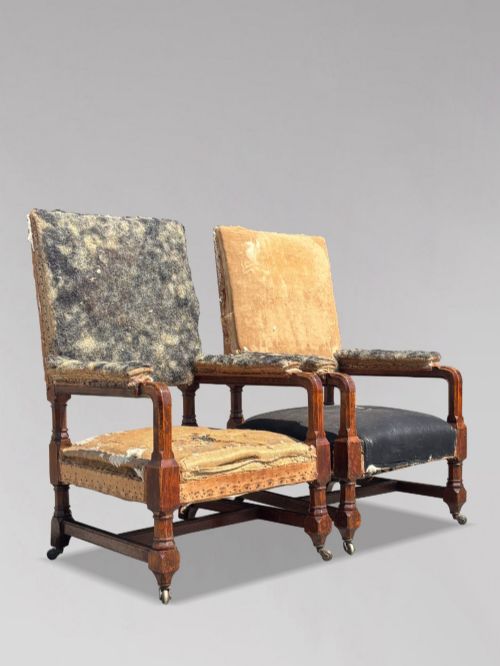
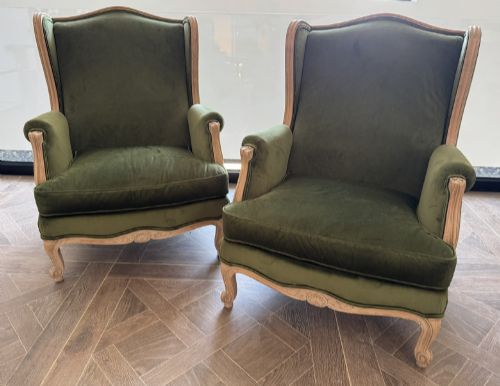
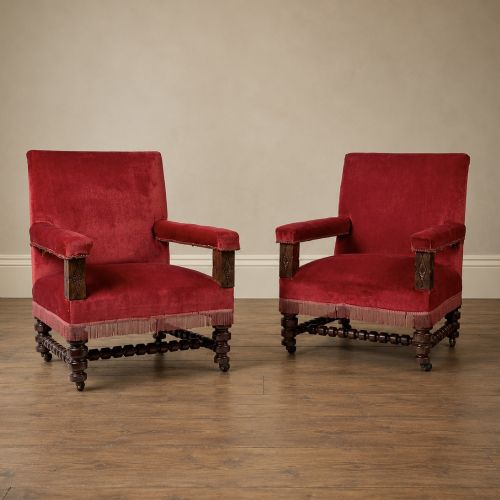
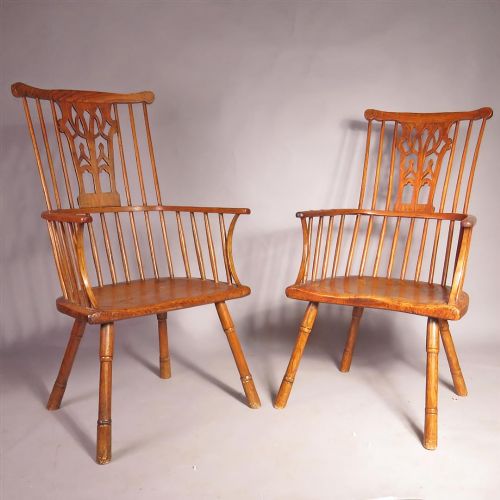
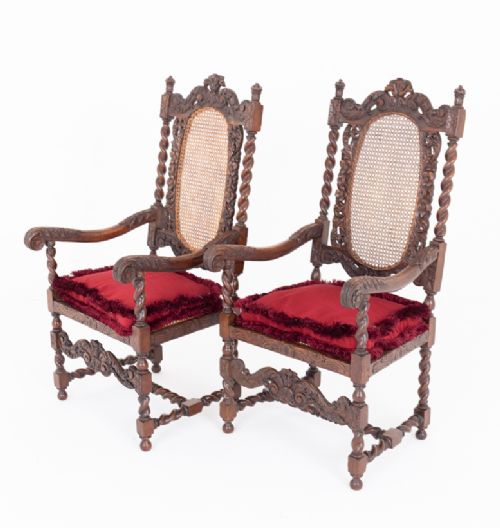
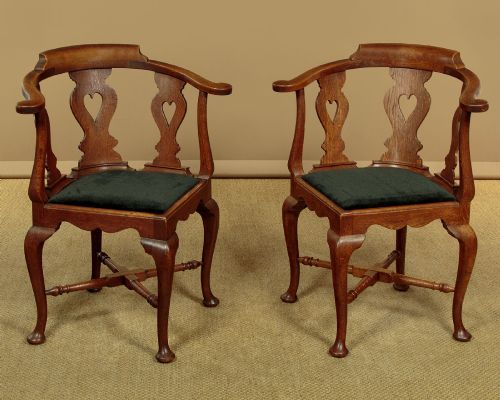
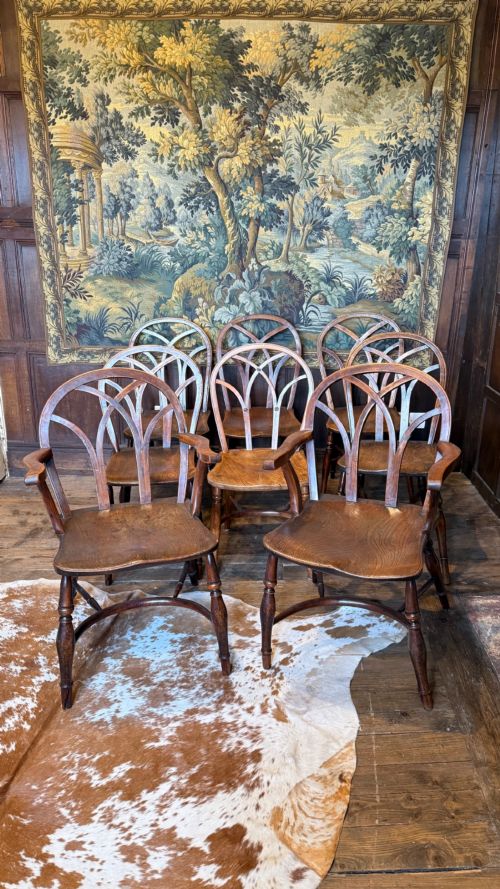
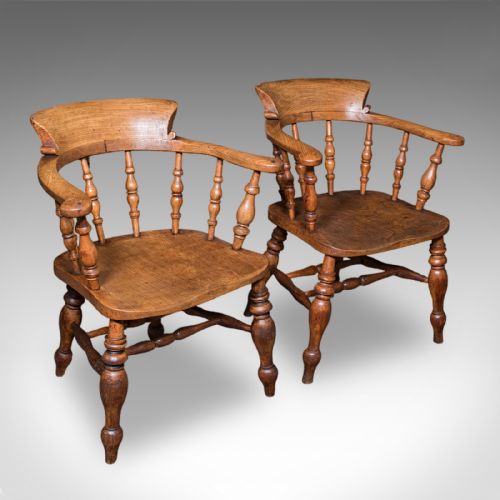
Pair oak armchairs bring substance to a room, offering sturdy frames and enduring seating from the nineteenth and twentieth centuries.
Identifying pair oak armchairs
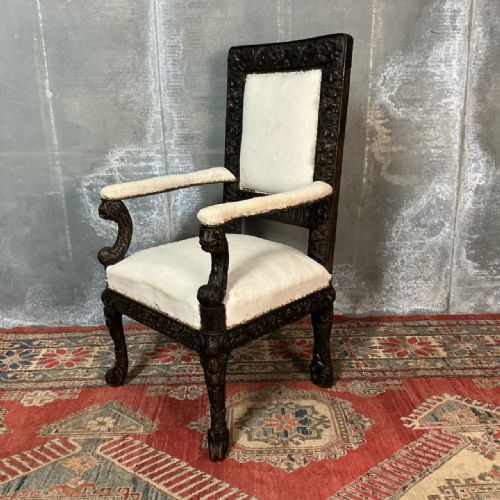
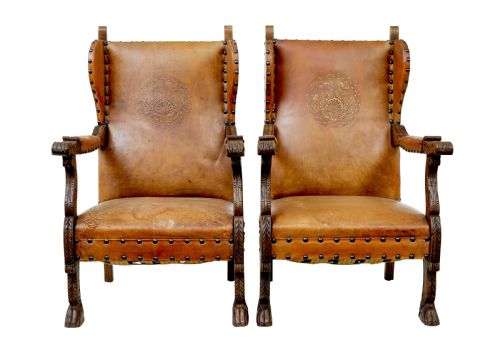
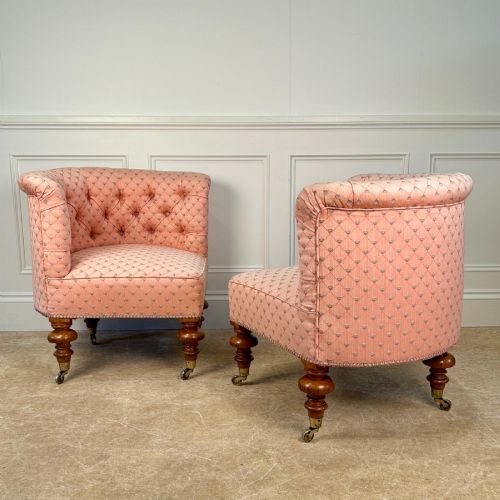
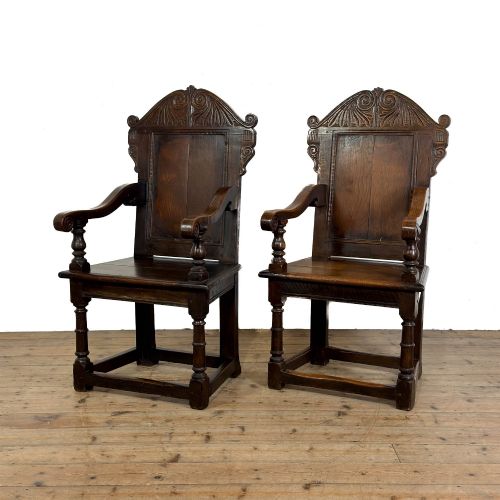
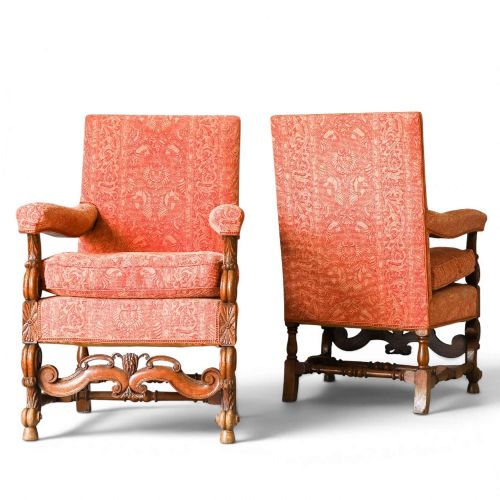
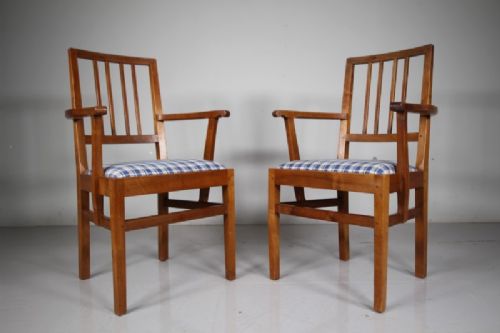
When searching for pair oak armchairs, buyers encounter seating designed for parlours, libraries, and halls across multiple historic periods. The selection spans straightforward Edwardian and nineteen-thirties forms alongside revival pieces rooted in Tudor, Jacobean, and Gothic styles.
Most examples appearing here reflect early twentieth-century production, notably Edwardian designs and nineteen-thirties workshop output. These pieces frequently adopt traditional forms such as elbow chairs, panelled wainscot styles, and open armchairs suited to domestic use.
Materials and construction
These armchairs rely heavily on solid oak timber, sometimes appearing as light oak or carved heavy framing. Joinery methods support substantial wooden structures designed to withstand decades of daily use.
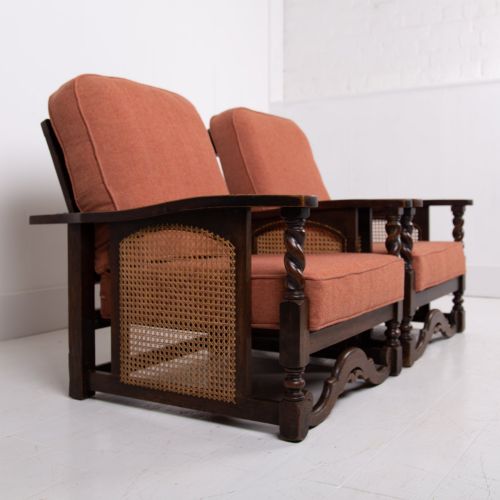
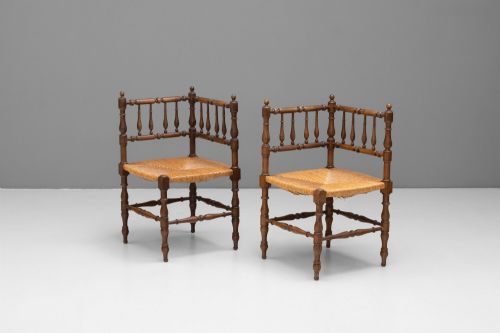
Upholstery elements integrate fabric, leather, and new cushions alongside metal studs, rush seats, and woven components. Selected models incorporate mechanical reclining functions or feature maker stamps directly into the timber frames.
Retail Price Guide 2026
Typical UK retail prices for pair oak armchairs, calculated from the Sellingantiques database of over a million retail prices indexed since 2003. This retail price guide relies exclusively on Sellingantiques data; no external sources or auction records are used, so the figures do not describe the wider market.
Certain nineteen-fifties oak carvers bear a carved wooden mouse signature.
Assessing quality and craftsmanship
Quality in these seating pairs rests upon the depth of the timber carving and the integrity of the structural joinery. Finer examples display crisp detail in panel work and frames that retain their original proportions without modification.
The standard of associated upholstery, whether historic leather or replacement fabric, contributes significantly to the overall presence of the pair. Stamped workshop marks or attribution to recognised makers elevate certain pieces above standard domestic production.
Edward Barnsley·Gordon Russell·Ercol·Heals·Mouseman
The Pair Oak Armchairs Glossary
- Wainscot chair
- A heavy wooden armchair dating back to sixteenth and seventeenth-century traditions, featuring solid panelled backs and sturdy arm supports. These forms inspired later revival pieces found in nineteenth and twentieth-century inventories.
- Glastonbury armchair
- A folding chair design with X-framed legs and a sloping back, traditionally constructed from wood. Victorian makers produced revival versions of these medieval-style seats.
- Bergere
- An enclosed armchair with stuffed upholstery on the seat and woven cane or panelled sides. This French-influenced style appears in various period interpretations.
- Carver
- A term used for an armchair that matches a set of smaller dining chairs, typically featuring more substantial arms. These often accompany dining tables or sit independently in hallways.
- Ladderback
- A chair back constructed with a series of horizontal wooden slats between the upright posts. These frequently incorporate woven rush seats.
Frequently Asked Questions
How do I date an oak armchair?
Dating relies on stylistic clues, construction methods, and hardware integrated into the wooden frame. Revival periods often mimic earlier centuries, so examining joinery helps clarify the true age.
Makers' stamps or paper labels occasionally provide direct documentation of the production decade.
Are these chairs comfortable for daily use?
Many variants include upholstered pads, leather cushions, or reclining mechanisms designed for relaxation. Open armchairs offer supportive wooden frames suited to upright sitting.
Reupholstered examples provide modern padding while retaining historic wooden structures.
What is a wainscot chair?
A wainscot chair is a heavy wooden armchair featuring a panelled back and solid armrests. These pieces stem from early furniture traditions and saw revivals during the Victorian and Edwardian eras.
Their substantial construction makes them prominent focal points in a room.
Can I mix different styles of oak chairs?
Matched pairs ensure visual symmetry, but many buyers successfully pair complementary revival styles within the same space. Oak grain and colour variations often tie diverse periods together harmoniously.
Keeping proportions similar helps maintain balance when arranging seating areas.