
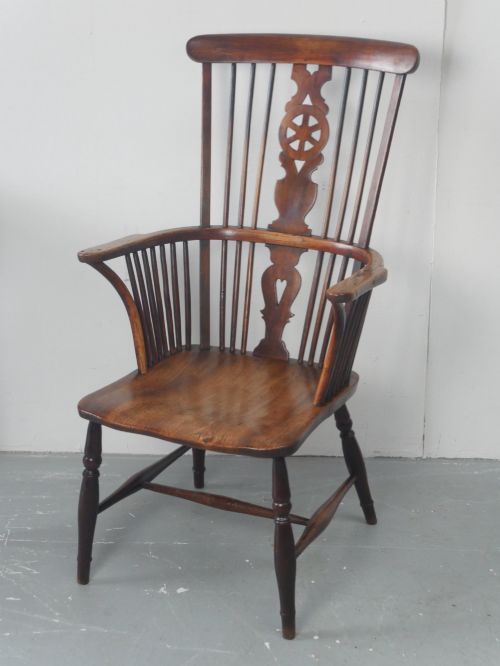
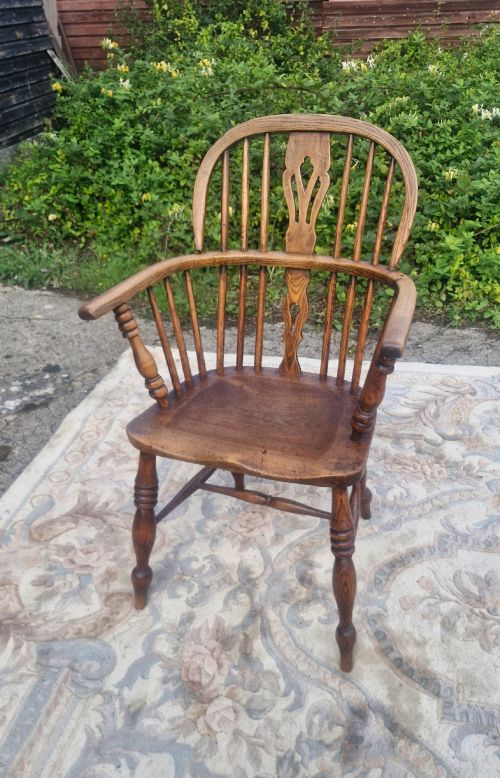
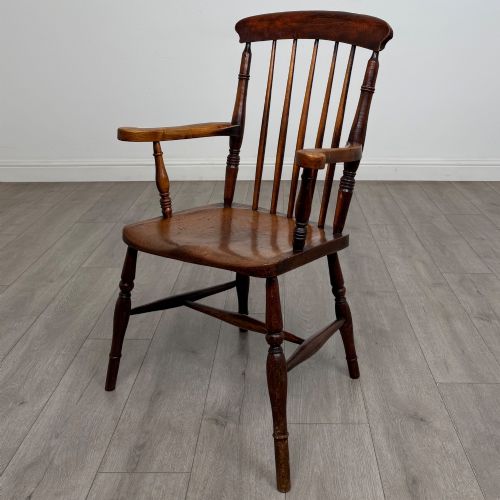
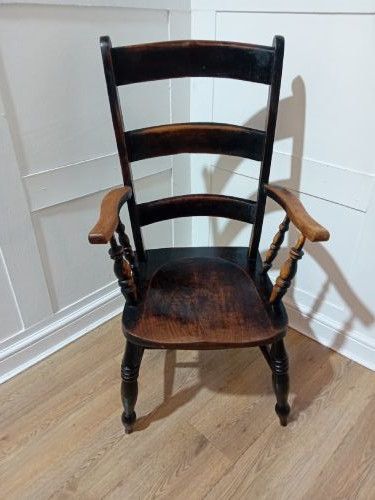


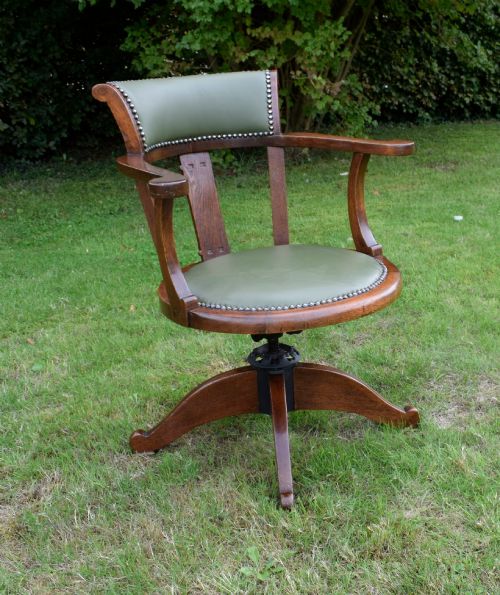
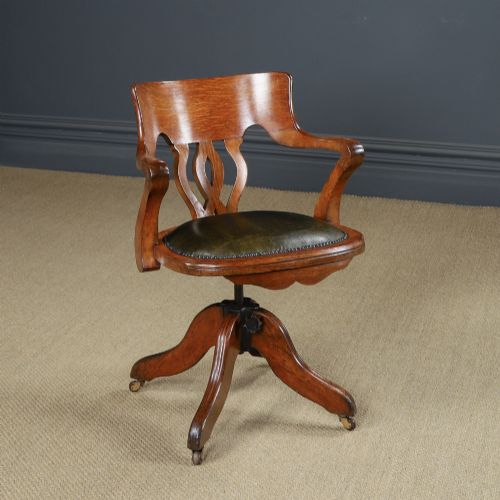
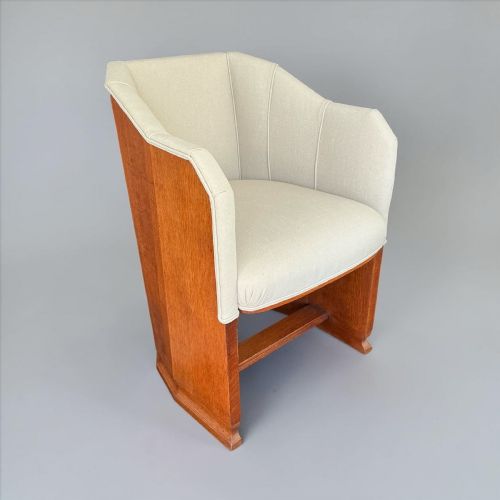
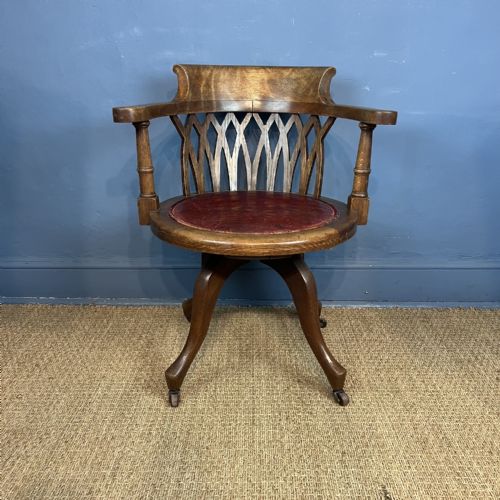
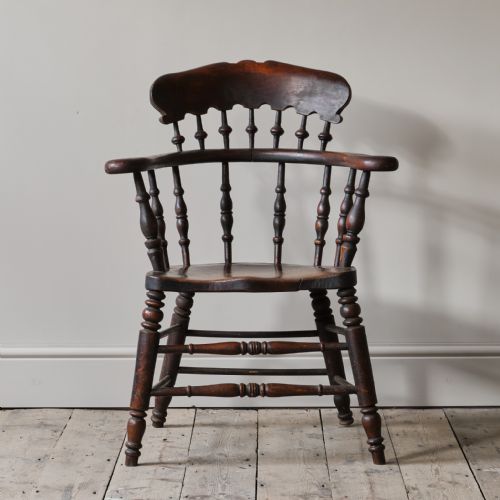
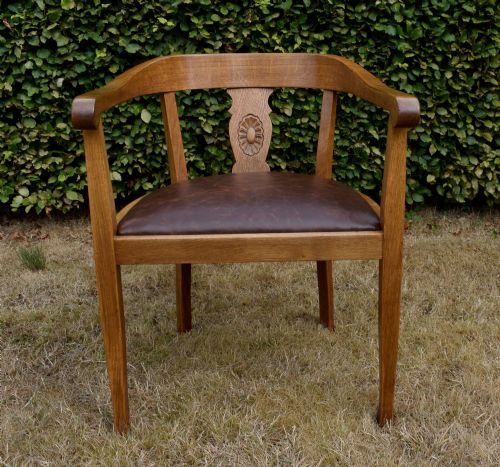
Oak Desk Armchair
An oak desk armchair provides the sturdy seat and practical support required for a working study or library.
Forms and Origins
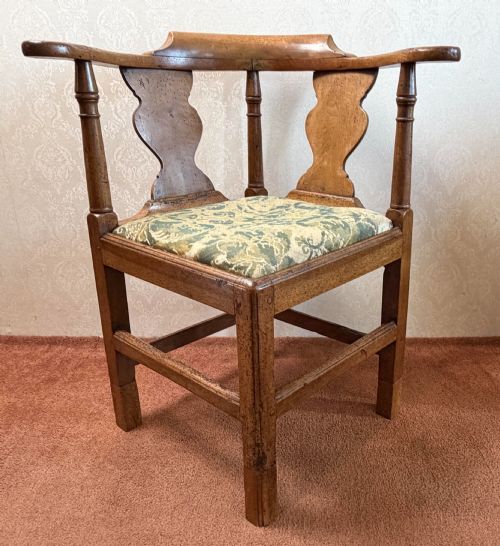
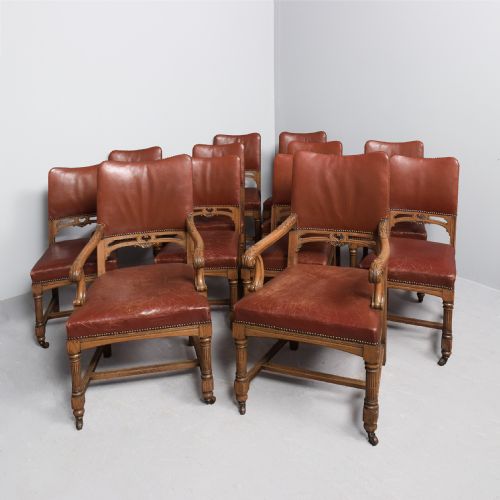
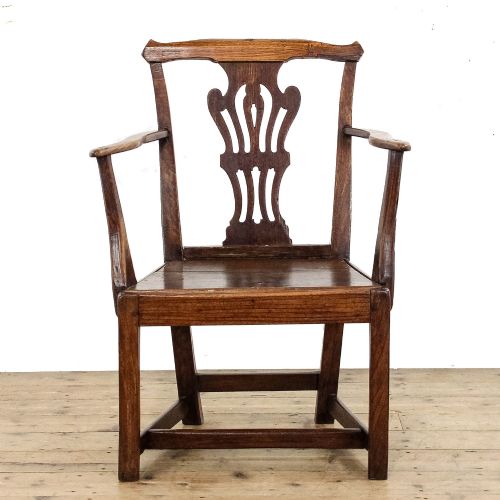
An oak desk armchair brings together solid timber construction and comfortable seating designed specifically for office or study use. When you examine the pieces gathered under this phrase, you find armchairs, desk chairs, and dining chairs originating from Victorian, Edwardian, and later periods around nineteen twenty.
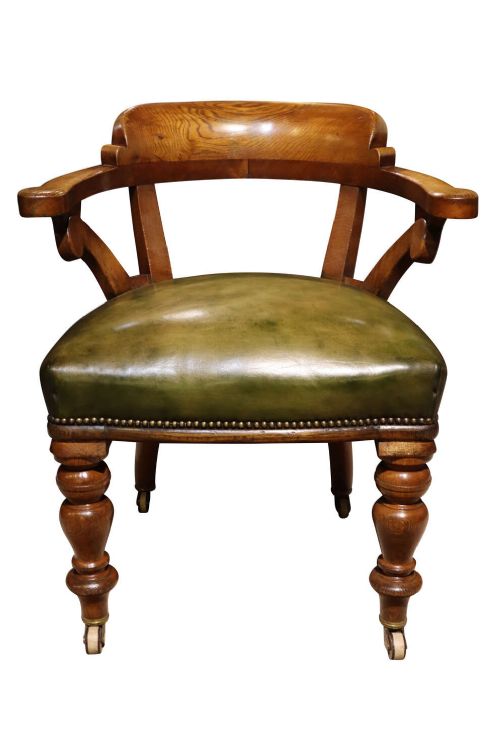
The most common examples on this page are revolving office chairs upholstered in leather, alongside stationary smoker's bows, carvers, and Arts and Crafts designs. These pieces range from simple colonial models to heavy carved iterations.
Makers and regional styles vary, with English, Scottish, and American workshops all represented in the archive of past and present stock. Buyers frequently select these sturdy wooden chairs for daily use at a writing table.
Distinctions in Quality
The difference between standard examples and superior pieces rests in the integrity of the timber frame and the sophistication of the mechanical parts. Solid, heavy oak construction with smooth-operating swivel and tilting mechanisms represents the upper tier of office seating.
Detailing such as pewter inlay, precise wood carving, and high-grade leather upholstery further distinguishes finer workshop output from utility pieces. The harmony between the original hardware and the timber frame determines the overall success of the chair.
Retail Price Guide 2026
Typical UK retail prices for oak desk armchair, calculated from the Sellingantiques database of over a million retail prices indexed since 2003. This retail price guide relies exclusively on Sellingantiques data; no external sources or auction records are used, so the figures do not describe the wider market.
Listings feature oak, leather, fabric, pewter inlay, and brass across Victorian, Edwardian, and nineteen-twenty periods.
Heals of London
The Oak Desk Armchair Glossary
- Oak
- A hard, durable timber native to temperate regions, prized for its prominent grain and structural strength in furniture making.
- Revolving chair
- An office seat mounted on a central spindle or swivel mechanism that allows the user to turn in various directions.
- Smoker's bow
- A low-backed wooden armchair with a continuous curved armrail supported by turned spindles, often utilised as an office seat.
- Carver
- A dining or desk armchair featuring arms, traditionally designed to match a set of simpler side chairs.
- Bentwood
- Wood that has been steamed and forced into curved shapes, commonly seen in the rounded backs of office armchairs.
Frequently Asked Questions
What defines an oak desk armchair?
An oak desk armchair is a sturdy wooden seat featuring integrated arms, designed to support prolonged periods of writing or administrative work. These chairs combine durable timber frames with comfortable seats, often including swivel mechanisms or leather upholstery.
They bridge the gap between domestic seating and functional office furniture, appearing in various stylistic interpretations from the Victorian era onward.
How do I identify an Edwardian desk chair?
Edwardian desk chairs typically display lighter proportions than their Victorian predecessors, often reflecting Arts and Crafts influences or simpler, refined joinery. They frequently combine oak frames with green leather pad seats and straightforward wooden spindles.
Examining the construction methods and material combinations helps separate this early twentieth-century period from heavier nineteenth-century examples.
Were all these chairs made for offices?
While many examples served in professional offices, banks, or libraries, others functioned as household library chairs or fireside seating. The inclusion of revolving mechanisms and adjustable tilts points directly to commercial workspaces.
Stationary carvers and smoker's bows were equally at home in domestic studies and dining rooms.
How do I care for the leather upholstery?
Leather seats require regular dusting and occasional treatment with appropriate conditioning balms to prevent drying and cracking. Keeping the timber clean with a soft cloth preserves the natural finish of the oak.
Avoid placing these chairs in direct sunlight or near heat sources to protect both the wood and the hide.