


19th Century Oak Armchairs
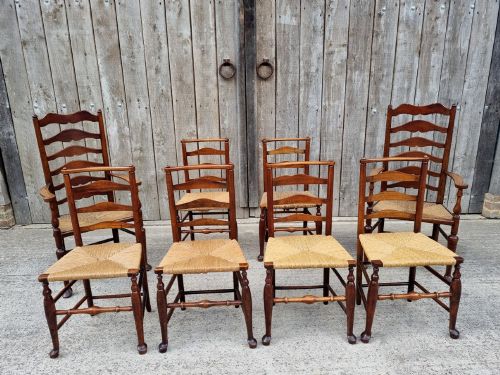
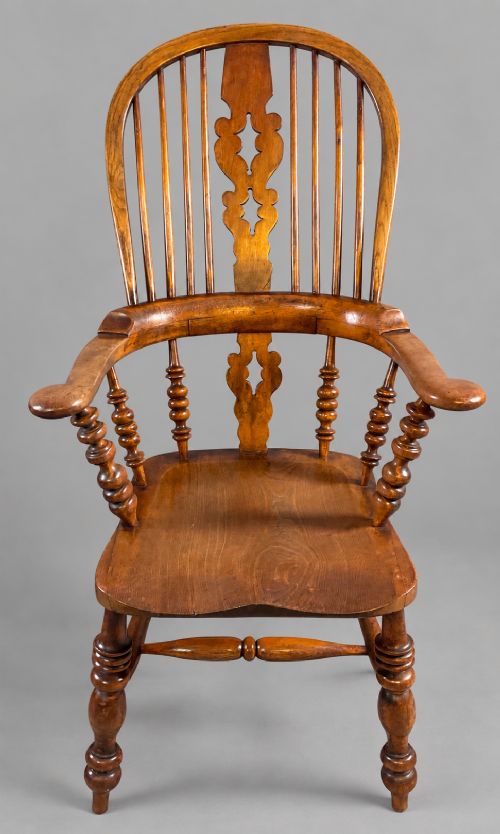
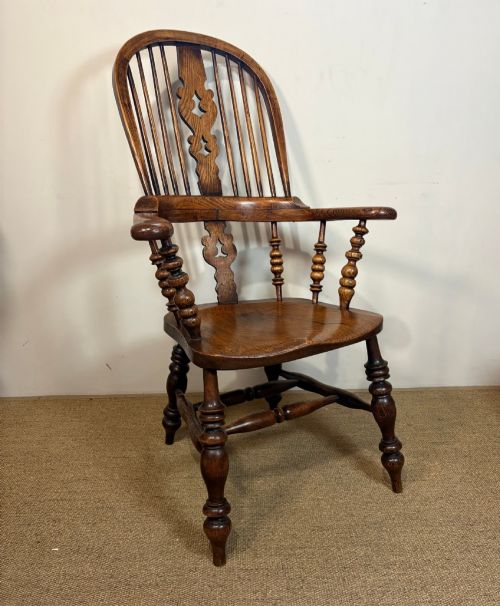
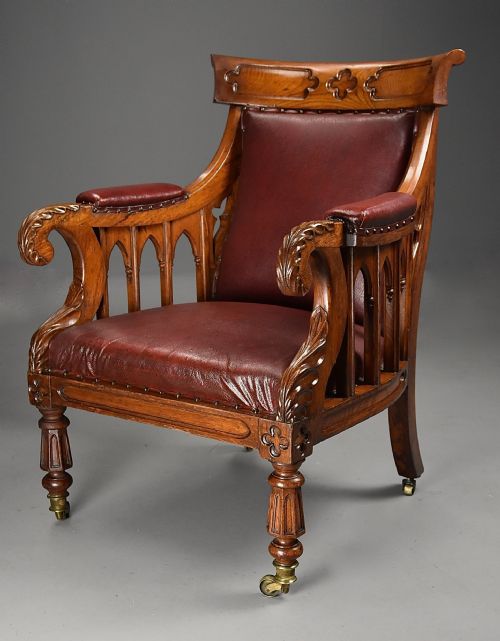
When you handle 19th century oak armchairs, you meet heavy timber frames built for daily use, ranging from country Windsor forms to carved library seats.
19th Century Oak Armchairs
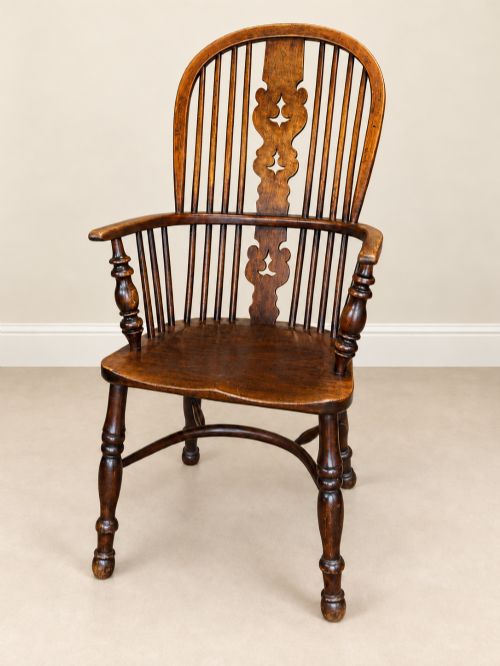
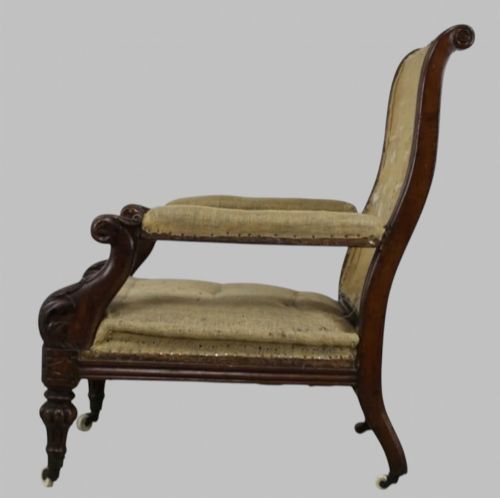
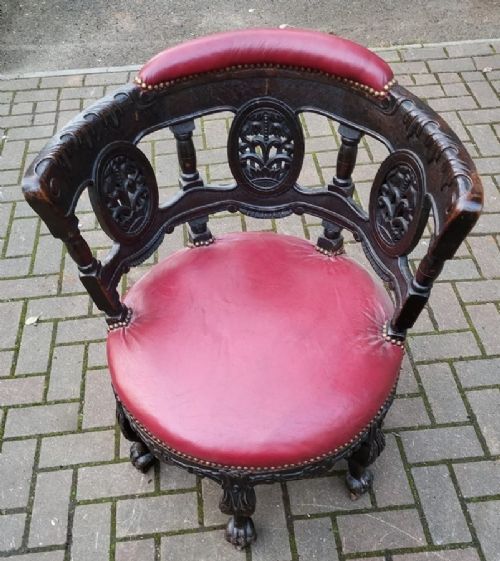
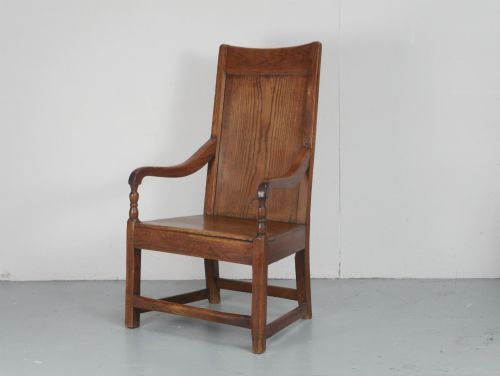
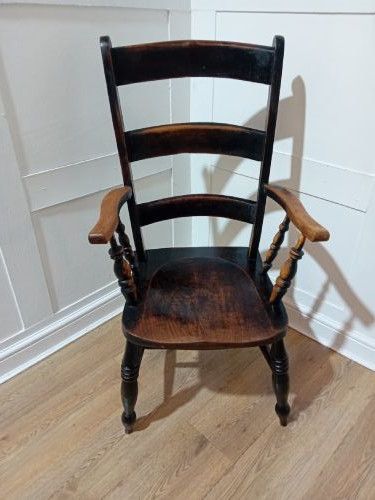
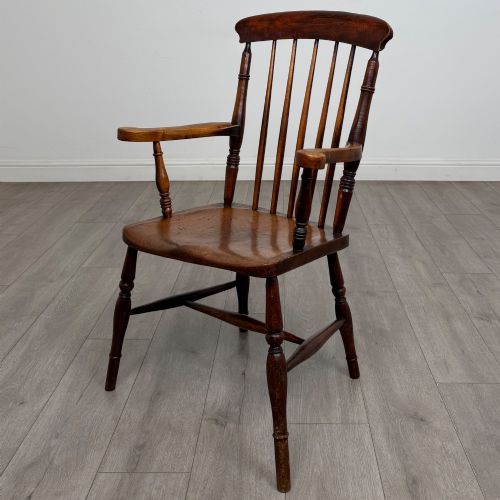
These seating pieces span the Victorian era and earlier decades, utilising robust timbers for domestic, library and farmhouse settings. The selection includes Windsor variants, low seat numbers, library reading chairs and heavy carved wainscot forms.
Regional vernacular types, such as Thames Valley and West Country designs, sit alongside revival styles including Gothic, Renaissance and Jacobean interpretations. Buyers encounter individual reading chairs, matching pairs and larger dining suites intended for formal and country interiors alike.
How they were made
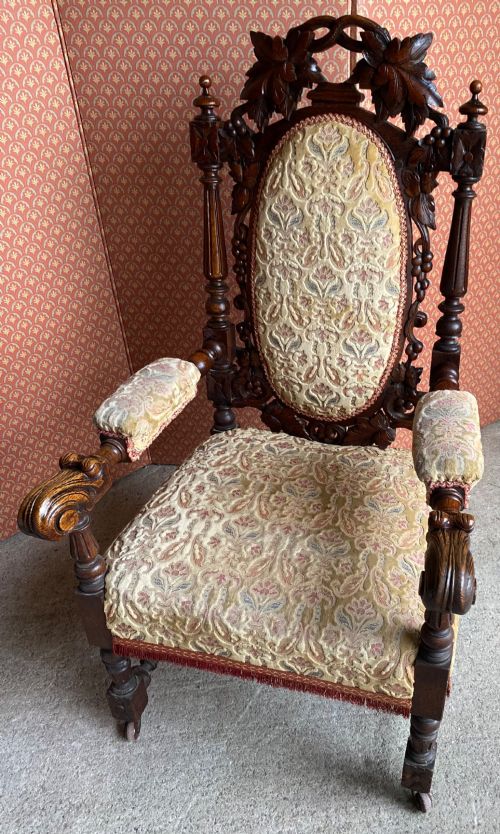
Joinery methods rely heavily on mortise and tenon joints, spindle turning and steam-bending for hoop and stick backs. Carved examples display deep relief work on panels and crest rails, utilising secondary woods like elm, ash, and beech alongside primary oak.
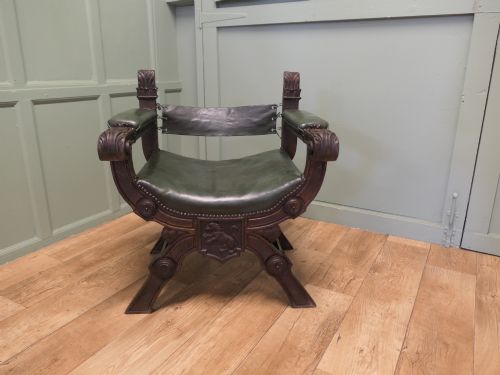
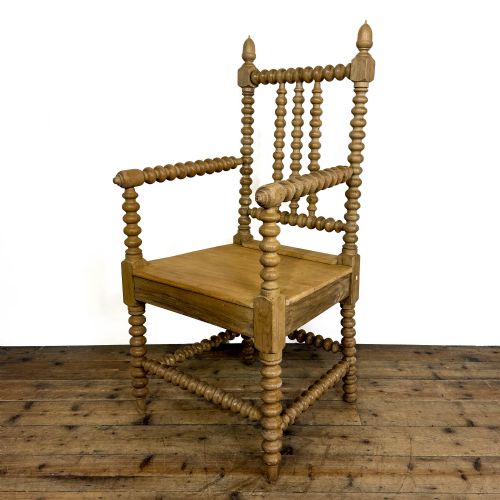
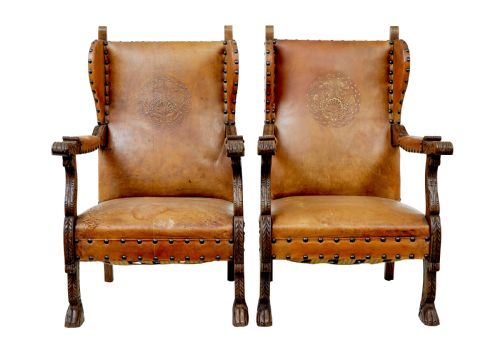
Upholstered versions incorporate leather and fabric secured with brass tacking, while turned elements include bobbin framing and barley twist supports. Original finishes, surface patination and peg construction remain visible indicators of period joinery.
19th Century Oak Armchairs Retail Price Guide 2026
Typical asking prices for 19th century oak armchairs among the pieces listed under this phrase on Sellingantiques today, from the lower quarter to the upper quarter. They describe what is for sale here now, not the wider market.
Some chairs are sized specifically for children, proving that Victorian toddlers also required authoritative seating.
What varies in quality
The integrity of the original frame construction dictates value, separating honest country vernacular pieces from heavily altered or later assembled examples. Timber selection and depth of carving distinguish standard production seating from master carver armchairs and bespoke library commissions.
Surface preservation plays a major role, as untouched patination and original finish command higher regard than stripped or aggressively modernised timber. The balance of proportions, particularly in large scale armchairs and double throne sets, defines the visual success of the piece.
Thomas Hope·William Morris
The 19th Century Oak Armchairs Glossary
- Wainscot
- A heavy wooden armchair featuring panelled backrests and solid seat construction, rooted in earlier centuries but frequently revived during the Victorian period.
- Smokers Bow
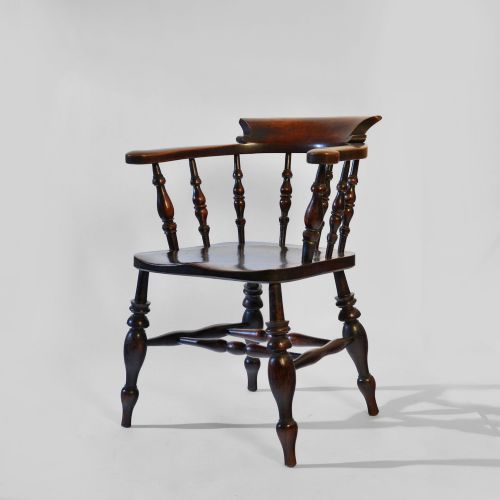
- A low-backed Windsor derivative chair featuring a rounded rail and turned spindles, commonly found in farmhouse kitchens and smoking rooms.
- Turners Chair
- A triangular framed seating form constructed entirely from turned wooden spindles and members, sometimes associated with traditional vernacular makers.
- Monopodia
- A carved furniture foot depicting a single animal leg and paw, seen on classical revival library and armchair designs.
- Bergere
- An enclosed upholstered armchair featuring exposed wooden framing and woven cane panels along the sides and back.
19th Century Oak Armchairs: Frequently Asked Questions
What is a smokers bow chair?
A smokers bow is a sturdy, low-backed Windsor variant featuring a continuous curved armrail supported by turned spindles. These chairs were designed for domestic comfort and pub use.
They typically combine oak seats with bentwood rails and ash or elm spindles, offering a compact footprint suitable for daily seating.
How do I identify a wainscot armchair?
Wainscot armchairs feature rigid panelled wooden backs, solid timber seats, and heavy arm supports. They draw heavily on seventeenth-century construction methods.
Nineteenth-century examples often display revival carving, including floral motifs and crests, while retaining the heavy proportions of the original form.
Where were Windsor armchairs made?
Windsor chairs were produced across various English regions, with notable regional variations emerging from Thames Valley, Lincolnshire, and the West Country. Local timber availability influenced the choice of woods.
Maker workshops utilised local oak, ash, elm, and beech to construct the distinct hoop backs, stick backs, and comb backs characteristic of the regional style.
How should I care for leather upholstery?
Leather upholstered library armchairs require stable room humidity and protection from direct sunlight to prevent the hide from drying and cracking. Regular dusting keeps abrasive particles away from the surface.
Original embossed and dyed leathers benefit from minimal intervention, preserving the historic patination and the brass tacking secured by the nineteenth-century maker.