



Edwardian Gothic Oak Seating
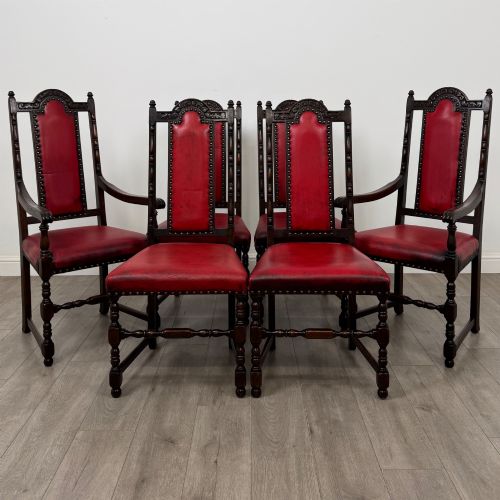
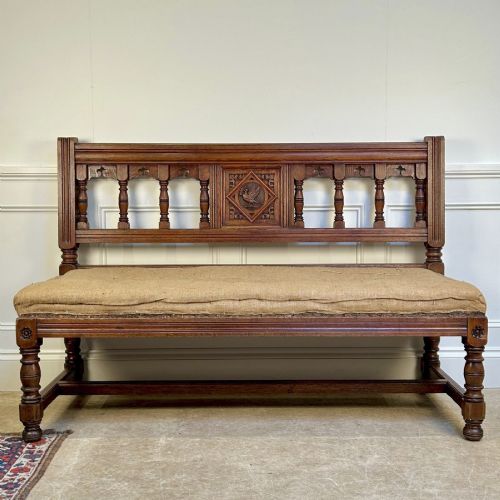
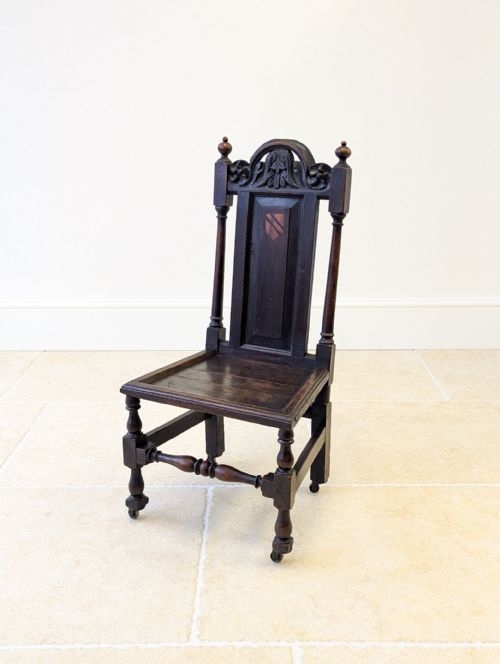
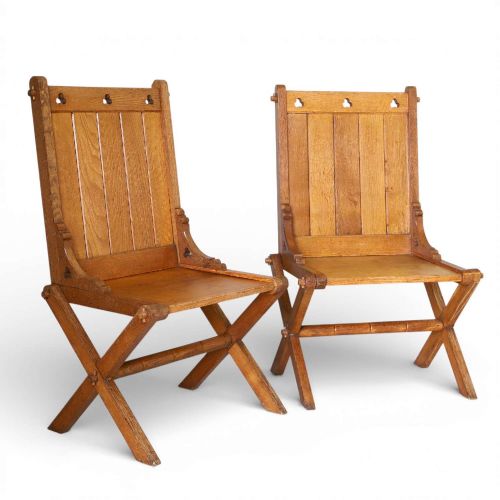
Edwardian gothic oak seating brings architectural presence to domestic interiors through heavy timber construction and medieval ornamentation.
Edwardian Gothic Oak Seating
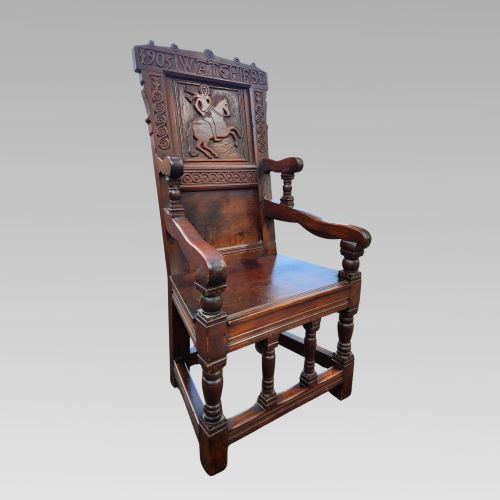
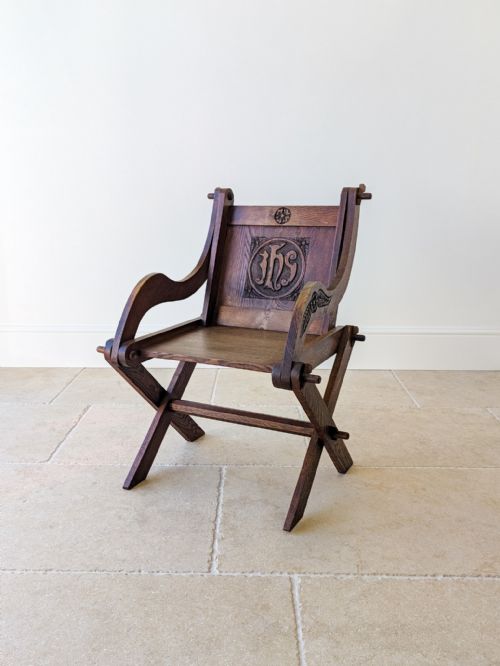
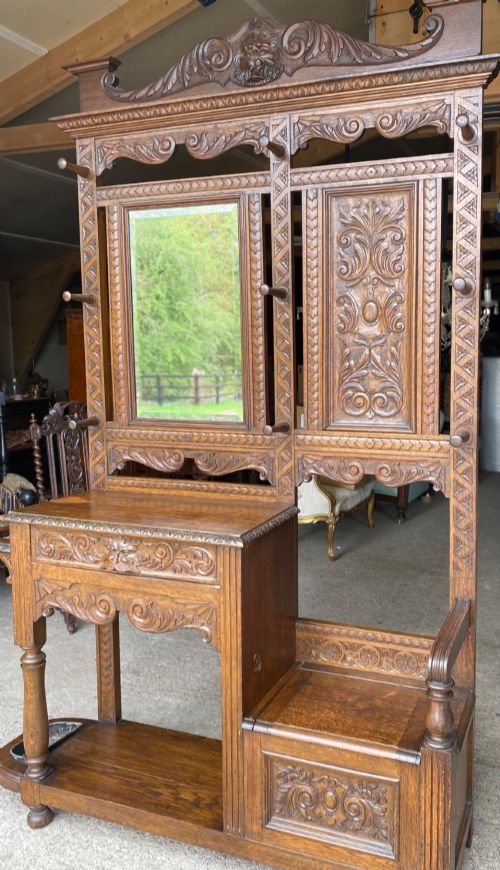
Edwardian gothic oak seating encompasses heavy wooden chairs, benches, and church seating rooted in architectural revival styles. Pieces bearing the Edwardian period mark sit alongside related Victorian and early twentieth-century examples that share the same medieval design vocabulary.
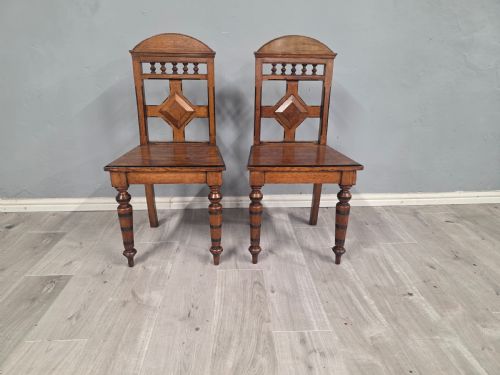
The form is dominated by solid hall chairs, benches, and church seating intended for utilitarian domestic or ecclesiastical placement. Benches and side chairs appear most frequently on this page, often featuring high backs and rigid profiles.
Makers drew on earlier Gothic Revival, Jacobean, and Arts and Crafts manners to produce substantial seating. This mixture of styles reflects a sustained interest in heavy, carved woodwork through the nineteenth and early twentieth centuries.
What Varies in Quality
The depth and crispness of the carved ornamentation distinguish superior examples from plain commercial production. Sharp undercut details and well-balanced proportions indicate skilled joinery rather than hasty machine work.
The selection of timber grain in the solid oak affects the visual weight and longevity of the frame. Denser heartwood with prominent medullary rays produces a more stable and striking piece of furniture.
Edwardian Gothic Oak Seating Retail Price Guide 2026
Typical asking prices for edwardian gothic oak seating among the pieces listed under this phrase on Sellingantiques today, from the lower quarter to the upper quarter. They describe what is for sale here now, not the wider market.
Listings on this page span the nineteenth century through the 1920s, dominated by solid oak construction with occasional brass and leather elements.
GIllows·Liberty & Co·A.W.N. Pugin
The Edwardian Gothic Oak Seating Glossary
- Gothic Revival
- An architectural and decorative style drawing on medieval ecclesiastical forms. It incorporates pointed arches, trefoils, and heavy structural members.
- Jacobean Revival
- A later stylistic movement mimicking the heavy, geometric carved woodwork of the early seventeenth century. It frequently appears alongside Gothic details in Victorian and Edwardian seating.
- Trefoil
- A graphic ornament composed of three overlapping rings or lobes resembling a clover leaf. It is a standard motif found pierced through chair backs and bench crestings.
- Hall Bench
- A long wooden seat traditionally placed in entrance halls for visitors or servants. These pieces often feature high panelled backs and storage boxes beneath the seat.
Edwardian Gothic Oak Seating: Frequently Asked Questions
What is Edwardian gothic oak seating?
These pieces are heavy wooden chairs and benches produced in the early twentieth century using medieval architectural motifs. They draw heavily on earlier Victorian revival styles and ecclesiastical forms.
Buyers encounter solid oak hall chairs, church seating, and benches featuring pointed arches, carved panels, and dark timber finishes.
Where were these pieces used?
Such seating was typically placed in entrance halls, churches, or large reception rooms where a strong architectural statement was desired. Their sturdy construction suited high-traffic transitional spaces.
Domestic interiors of the period also utilised them in studies and dining rooms to complement heavy oak tables and dark wood panelling.
How do I care for antique oak furniture?
Solid oak requires stable indoor humidity levels to prevent the timber from splitting or warping over time. Regular dusting with a dry cloth keeps the surface clean without moisture damage.
Occasional application of traditional beeswax helps nourish the wood and preserves the depth of the dark polish. Avoid placing these pieces near direct heat sources or strong sunlight.
How do I distinguish Edwardian pieces from Victorian ones?
Edwardian examples often display slightly lighter proportions and softer interpretations of medieval ornamentation than their mid-Victorian predecessors. Construction techniques also shift subtly, though stylistic overlap remains significant.
Makers working around nineteen hundred frequently combined Gothic Revival elements with Arts and Crafts simplicity, creating a distinct transition between eras.