

Carved Wood Dining Chairs
Carved wood dining chairs bring traditional craftsmanship to the table, offering sturdy seating built from rich timber that grounds any interior scheme.
How they were made
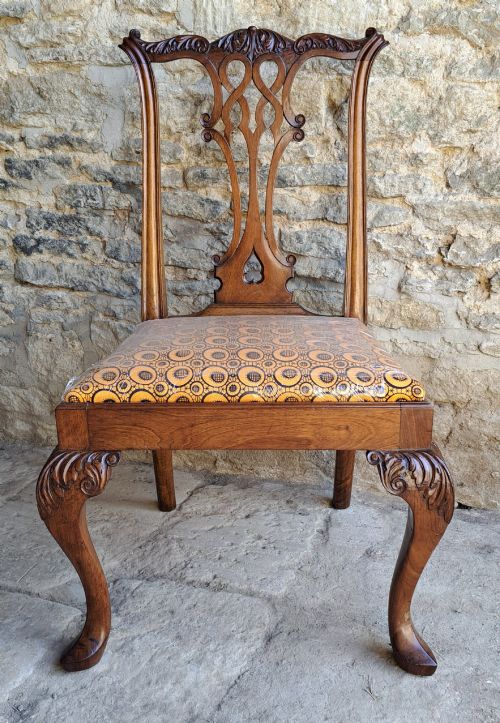
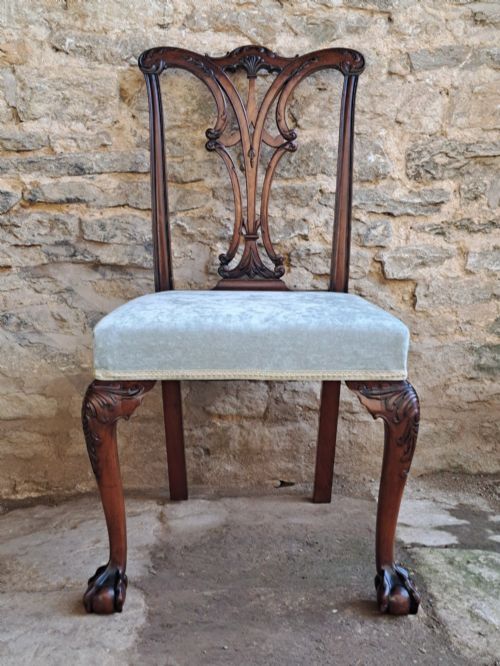
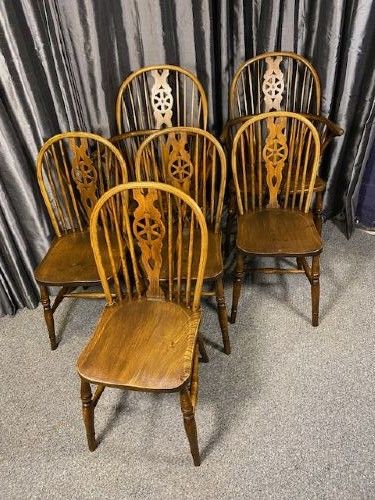
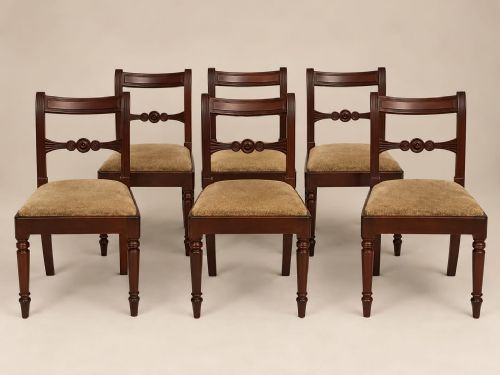
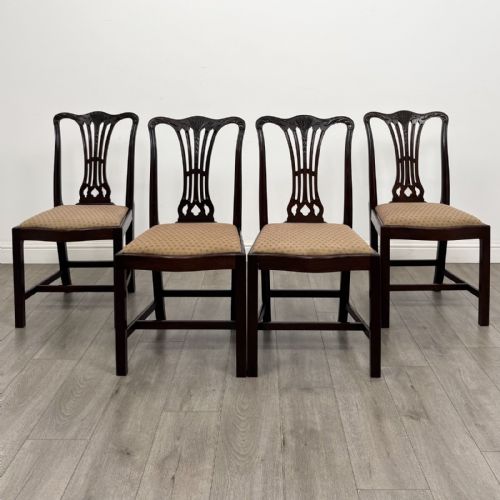
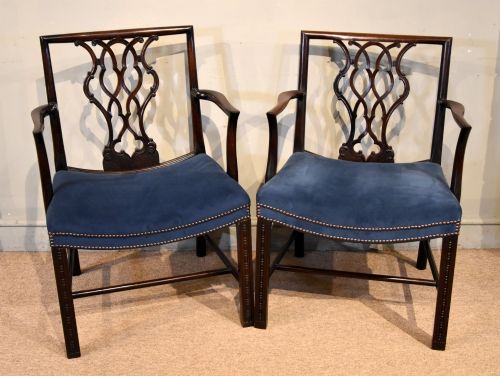
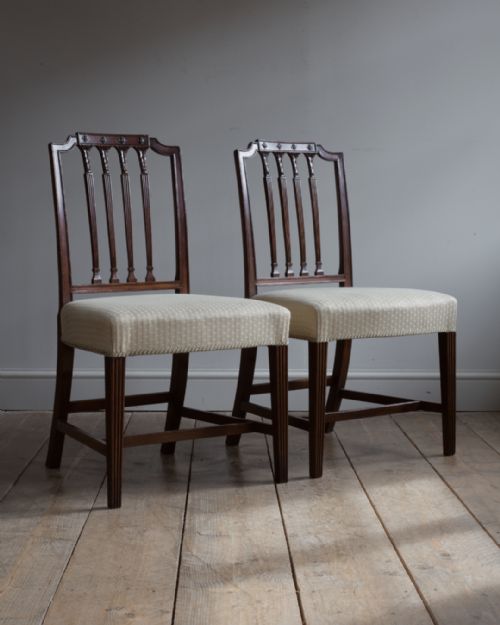
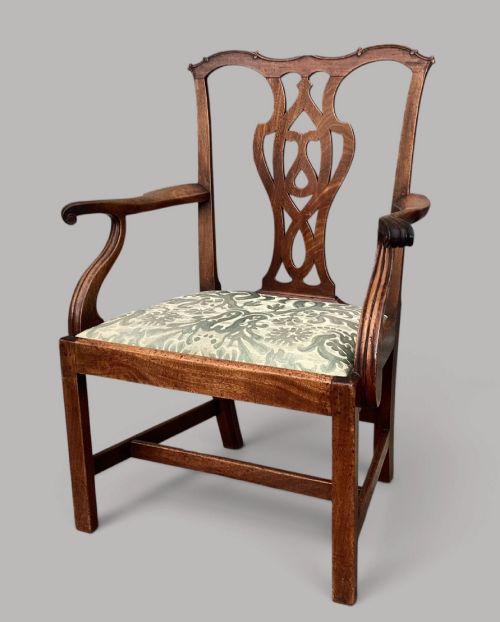
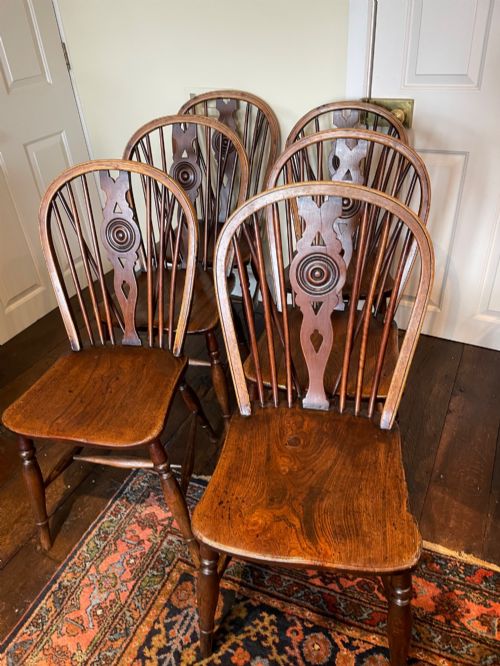
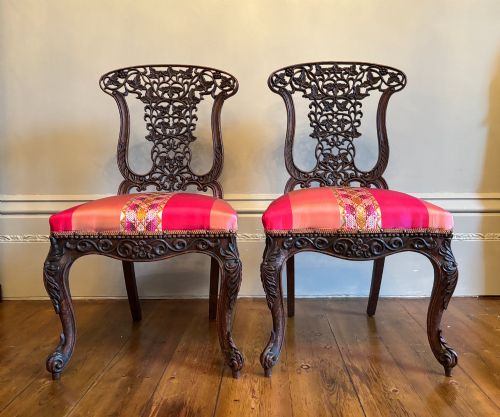
Cabinetmakers constructed these frames primarily from solid mahogany and rosewood, employing dense timbers that accepted intricate hand-carving along splats, crest rails and scroll arms without splintering.
Joinery relied on traditional mortise and tenon joints to secure rails and legs together, occasionally reinforced with corner blocks concealed beneath drop-in or upholstered seat pads.
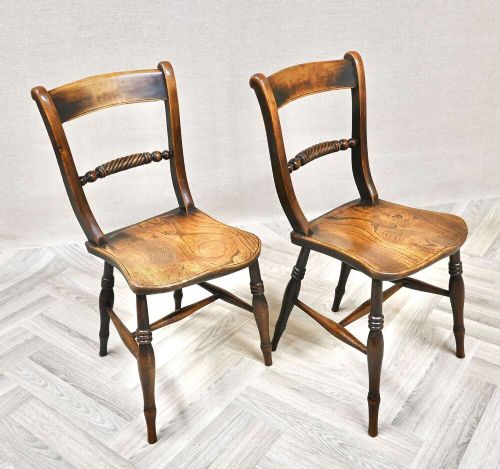
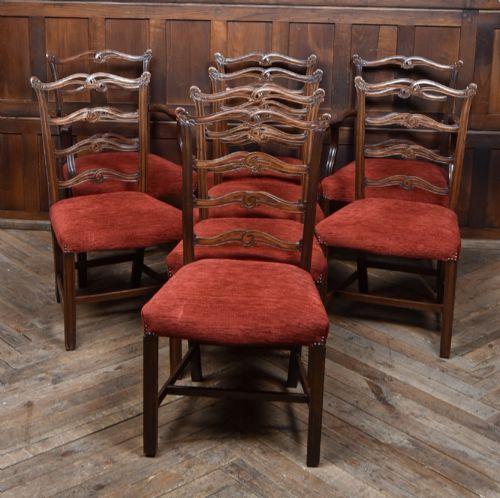
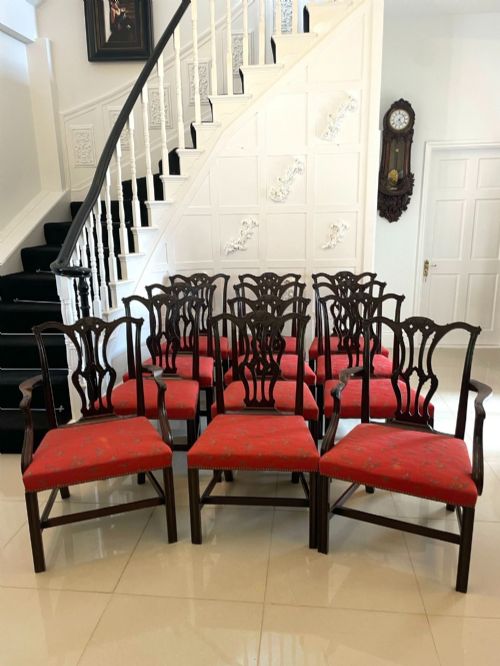
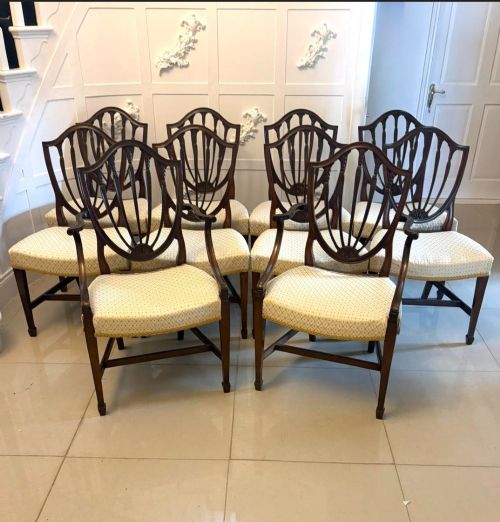
Surfaces received hand-applied wax or polish finishes that enhanced the natural grain of the timber, while decorative elements like ropeback, shield back or balloon back profiles were shaped using specialised saws and chisels.
What varies in quality
The degree of crispness in the hand-carved detailing separates exceptional examples from ordinary production, as skilled carvers achieved deep relief and clean edges on motifs like foliage or ribbon ties.
The choice and selection of the timber stock dictate structural integrity, with straight-grained mahogany and heavy figured rosewood providing better long-term stability than cheaper, mixed secondary woods.
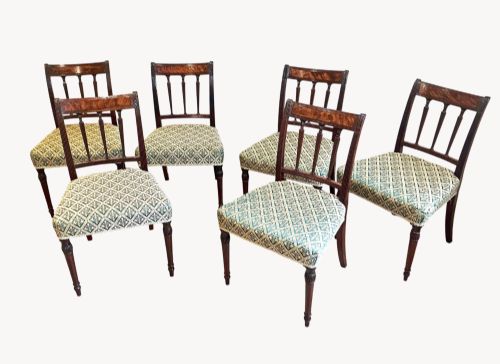
The integrity of the frame construction, including tight joints and original timber matching across a full set, determines whether a collection maintains its uniformity and strength over generations of use.
Carved Wood Dining Chairs Retail Price Guide 2026
Typical asking prices for carved wood dining chairs among the pieces listed under this phrase on Sellingantiques today, from the lower quarter to the upper quarter. They describe what is for sale here now, not the wider market.
Gillows·Alfred Allen
The Carved Wood Dining Chairs Glossary
- Carver
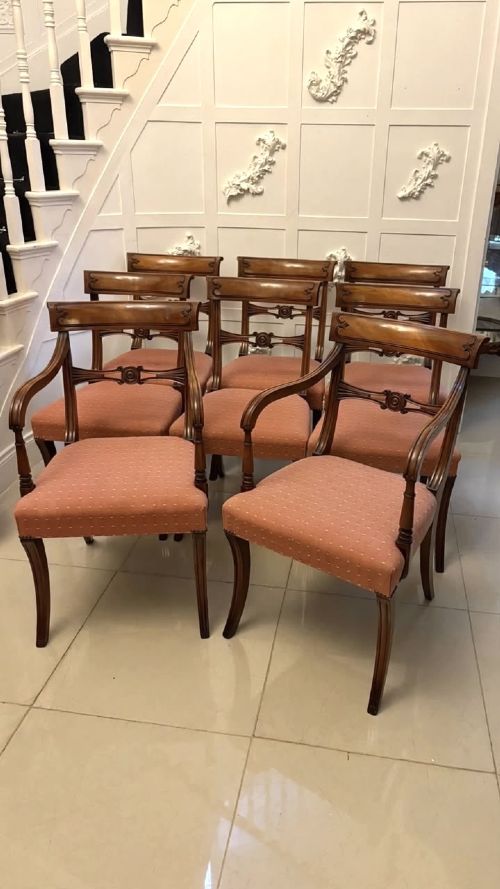
- An armchair designed specifically to sit at the head of a dining table, typically featuring elbow rests that match the accompanying side chairs.
- Shield back
- A chair back shaped in the outline of a heraldic shield, popularized during the late eighteenth century by designers like Hepplewhite.
- Balloon back
- A rounded, oval-shaped chair back that curves outward, strongly associated with Victorian dining chair production.
- Splat
- The vertical wooden slat placed in the centre of a chair back, often pierced and intricately carved.
- Rail
- A horizontal structural timber connecting the legs of a chair or supporting the seat frame.
Carved Wood Dining Chairs: Frequently Asked Questions
How do I care for antique wooden chairs?
Maintain these chairs by applying a natural beeswax polish occasionally to nourish the timber and protect the finish from drying out in heated rooms.
Keep them away from direct sunlight and sudden temperature shifts to prevent the wood from warping or splitting over time.
Can I mix these chairs with a modern table?
Combining antique seating with a contemporary table creates a striking contrast that highlights the rich grain and warm tones of older wood.
Ensure the seat height and apron clearance of the table match the proportions of the dining chairs for comfortable seating.
How do I spot a matched set?
Examine the grain patterns, carving depths and timber coloration across all pieces to confirm they originated from the same workshop and period.
Minor variations in hand-carved details often indicate authentic nineteenth-century production rather than modern machine replication.
What is the difference between a carver and a side chair?
Carvers feature integrated armrests designed to accommodate the host at the head of the dining table.
Side chairs lack arms, allowing multiple seats to fit compactly along the main lengths of the table.