
Late 19th Century Chairs
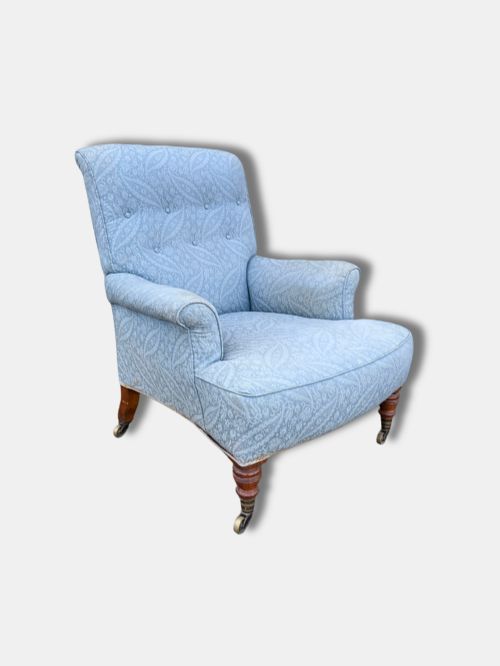
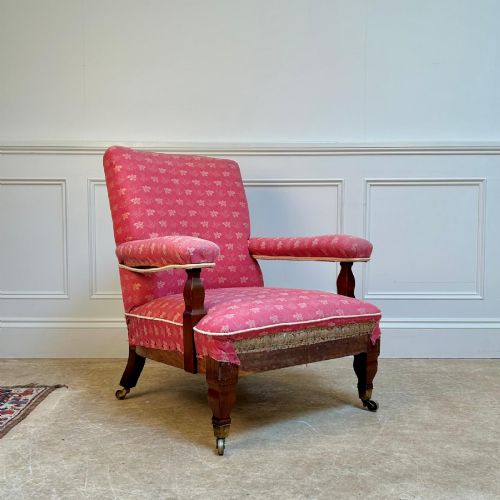
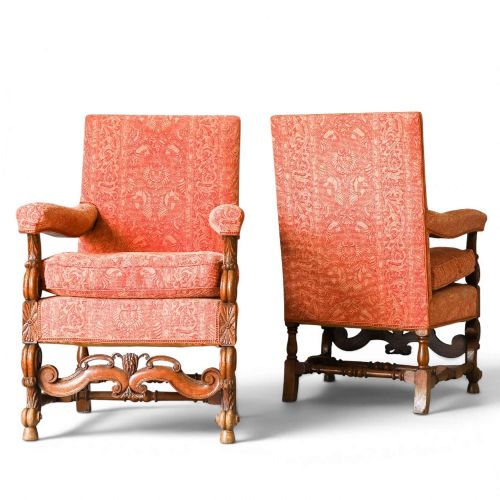
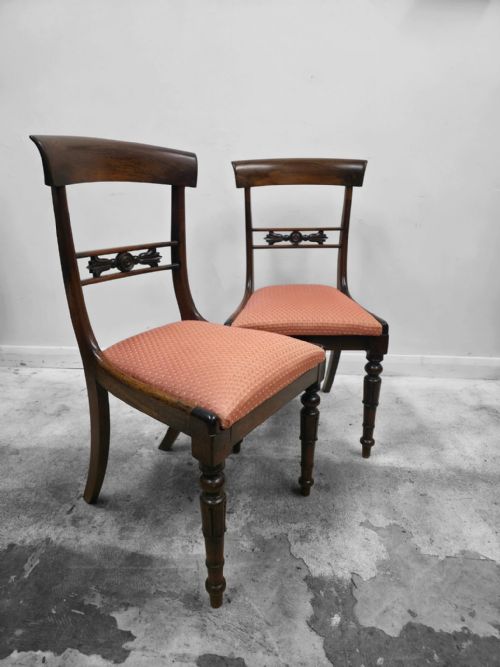
Late 19th century chairs bring together historic revivals and robust timbers, offering solid construction for daily seating.

Understanding late 19th century chairs
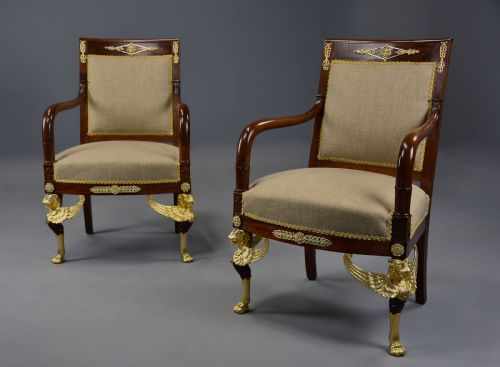
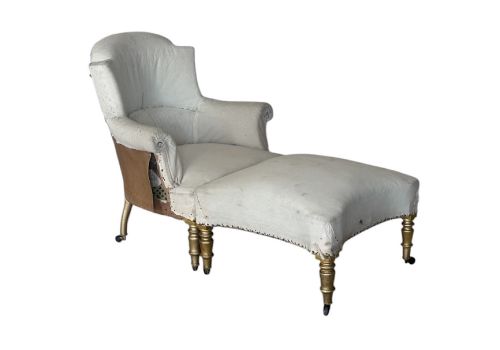
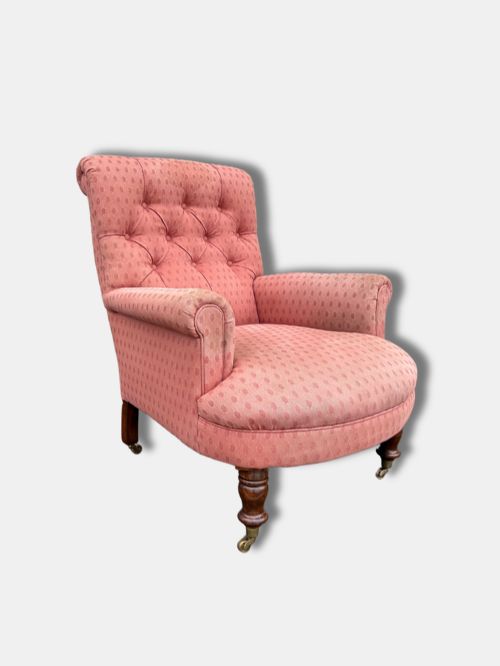
When you search for late 19th century chairs, you encounter a broad variety of seating spanning dining sets, armchairs, and side chairs. These pieces originate from the Victorian era and the decades around eighteen-ninety, reflecting intense interest in earlier furniture designs.
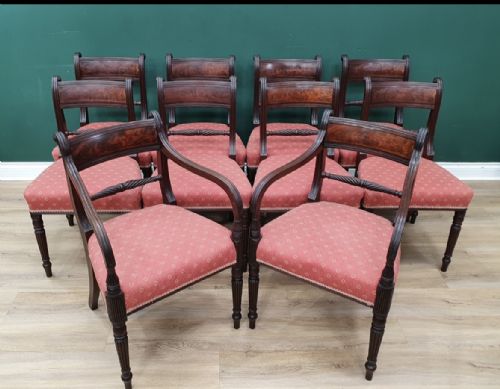
You are most likely to meet mahogany dining chairs in revival styles or sturdy oak and fruitwood armchairs. Sets of dining chairs often appear in groups of six or twelve, while pairs of armchairs dominate the surviving domestic seating.
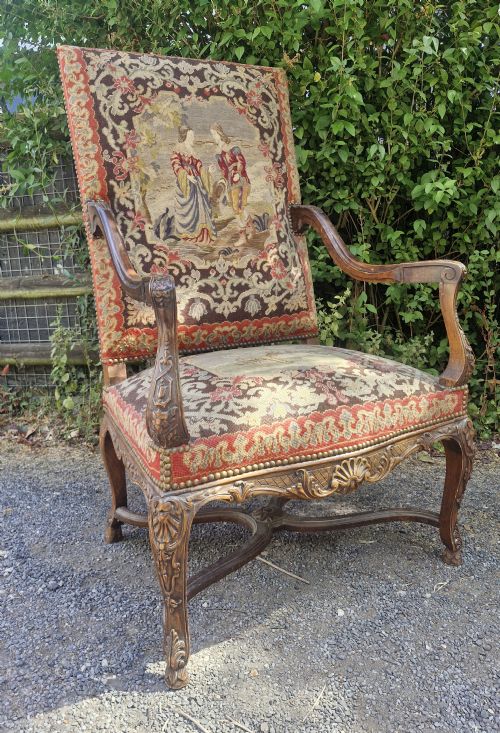
Makers of this period drew heavily on historical forms, producing pieces in French Renaissance, Chippendale, Queen Anne, and Moorish styles. This eclectic approach means individual chairs range from formal parlour seating to rustic farmhouse kitchen chairs.
Materials and construction methods
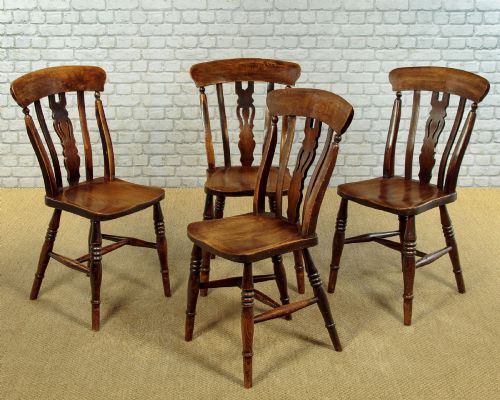
Cabinetmakers and joiners utilised dense hardwoods such as mahogany, oak, walnut, elm, ash, and beech to construct these frames. Timber selection depended on the intended function, with heavier mahogany reserved for formal dining sets and resilient elm or beech chosen for Windsor kitchen chairs.
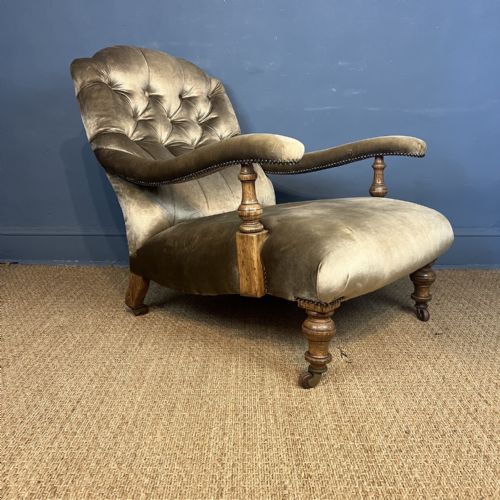
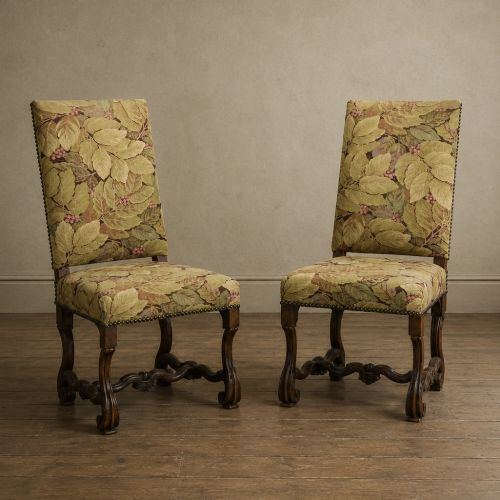
Joinery relied on traditional mortise and tenon techniques alongside turned spindles and carved ornamentation. Upholstered variants incorporated fabric, leather, or tapestry seats supported by webbing and stuffing within the wooden framework.
Retail Price Guide 2026
Typical UK retail prices for late 19th century chairs, calculated from the Sellingantiques database of over a million retail prices indexed since 2003. This retail price guide relies exclusively on Sellingantiques data; no external sources or auction records are used, so the figures do not describe the wider market.
Folding hall chairs allowed Victorian households to stash extra seating away instantly when guests departed.
Evaluating the standard of workmanship
Quality rests upon the depth and crispness of the hand carving and the selection of figured timbers. Superior examples display dense, well-matched wood grain and precise joints that remain rigid after decades of use.
The integrity of the frame and the retention of original upholstery materials dictate the standing of a piece. Lesser examples show mechanical tool marks or replacement components that obscure the original maker's hand.
Liberty and Co
The Late 19th Century Chairs Glossary
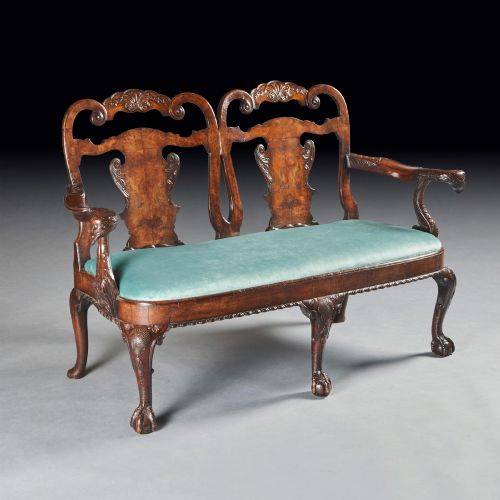
- Chippendale Revival
- A late nineteenth century interpretation of mid eighteenth century furniture designs. These pieces typically feature carved mahogany frames and ladderback or interlaced splat backs.
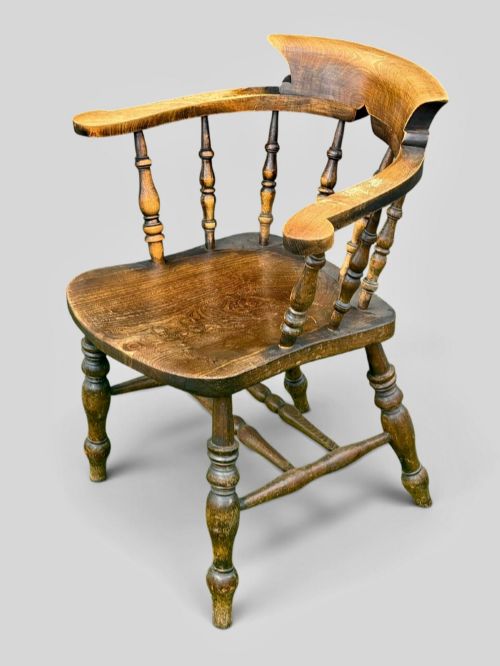
- Smokers Bow
- A low-backed Windsor armchair with a rounded continuous arm rail. They commonly utilise elm and beech timbers in domestic settings.
- Carver
- An armchair designed to match a set of dining side chairs, usually positioned at the head of the table. They share the stylistic vocabulary of the smaller chairs in the set.
- Moorish Revival
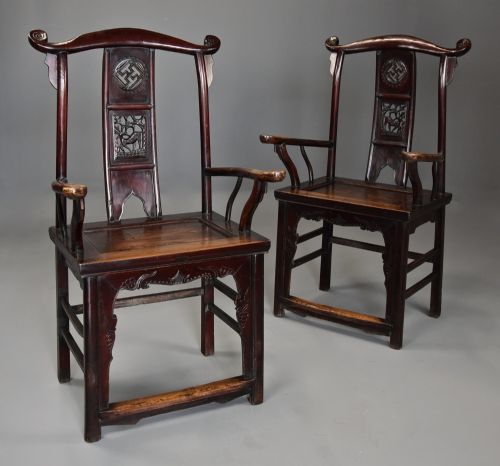
- A decorative style incorporating geometric inlaid patterns and intricate pierced woodwork. Chairs in this style reflect nineteenth century enthusiasm for Islamic design.
- Giltwood
- Wood that has been coated with a thin layer of gold leaf. This finish appears on formal reception and salon chairs.
Frequently Asked Questions
How do I spot a revival style?
Revival styles emulate earlier historic periods such as the reign of Queen Anne or George II. Cabinetmakers combined these older silhouettes with late nineteenth century timber milling techniques.
Examine the structural joints and secondary woods to distinguish nineteenth century production from authentic eighteenth century furniture.
Are dining chairs sold as sets?
Dining chairs frequently survive in matched sets ranging from four to twelve pieces. These groups often include a pair of carver armchairs alongside several side chairs.
Checking the underframes helps confirm that all chairs in a set share the same workshop origin.
What woods were used for kitchen chairs?
Farmhouse and Windsor kitchen chairs typically utilised native timbers such as elm, ash, and beech. These woods provided the necessary flexibility and strength for steam-bent components.
Such chairs were built for heavy domestic service rather than formal display.
How should I care for leather seats?
Leather upholstery requires stable humidity and protection from direct sunlight to prevent drying and cracking. Regular dusting keeps abrasive particles from damaging the surface.
Applying a specialist leather dressing preserves the suppleness of nineteenth century hides.