

Dark Wood Accent Chairs
Dark wood accent chairs are sturdy seating choices crafted from rich timbers, prized for adding striking contrast and functional comfort to a room.
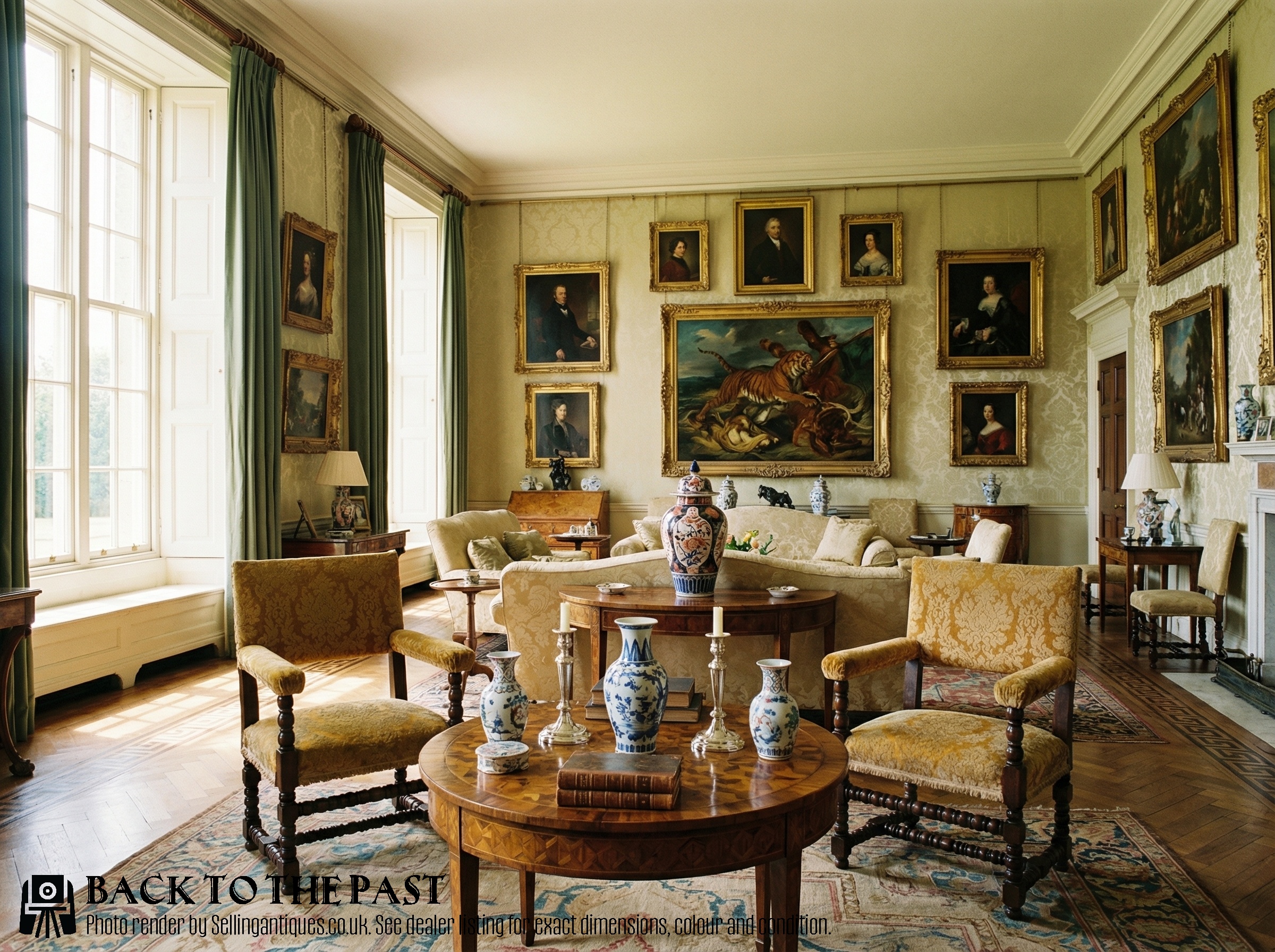
Dark Wood Accent Chairs
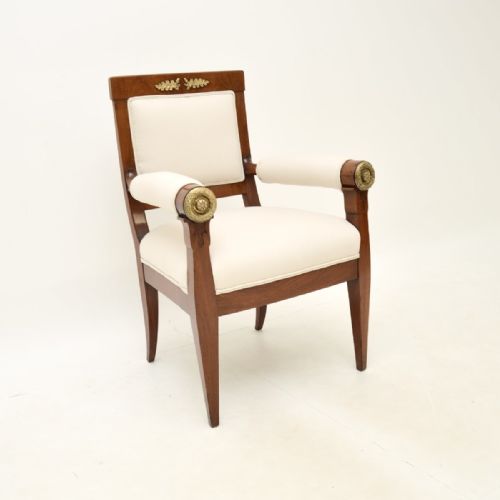
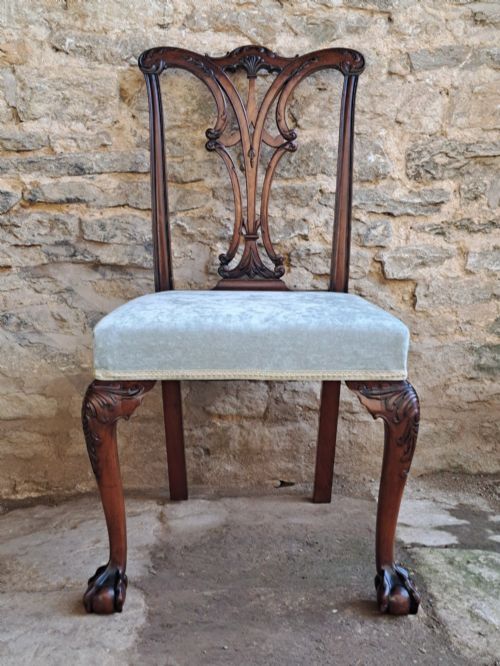
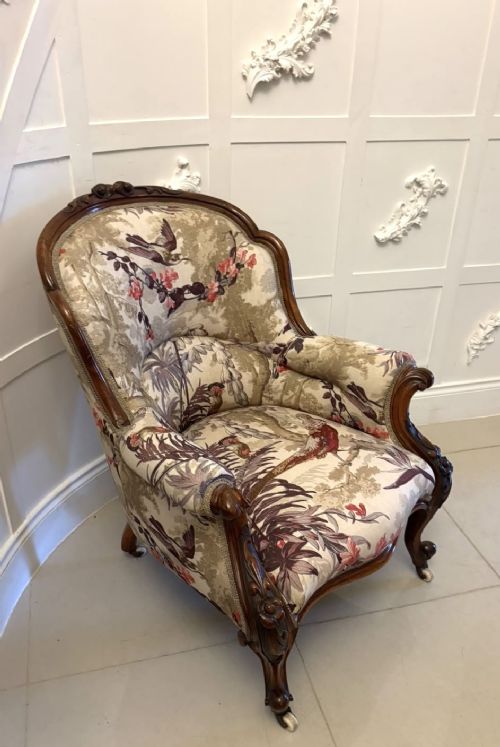
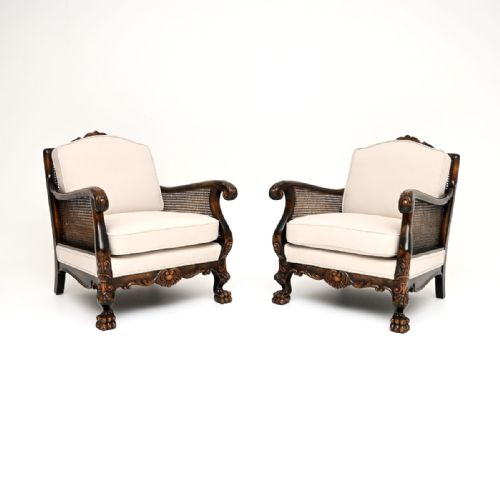
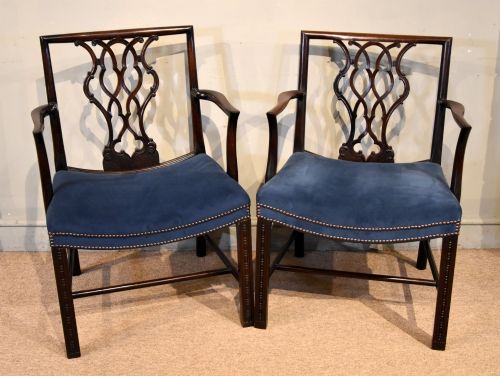
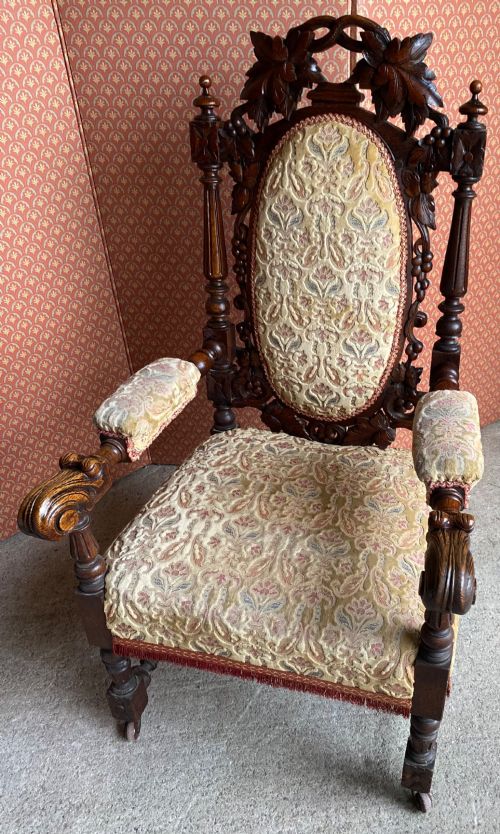
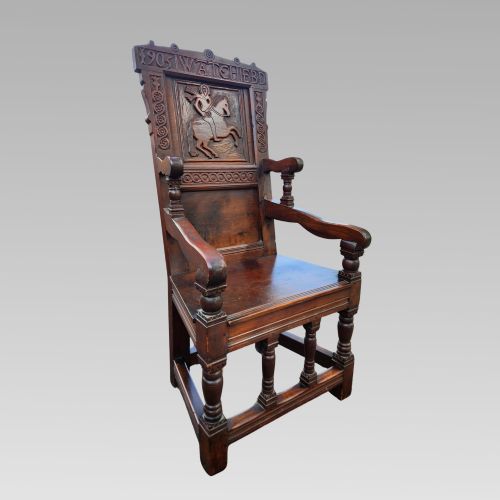
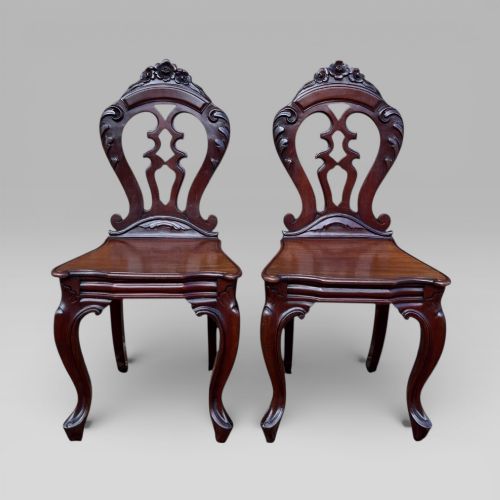
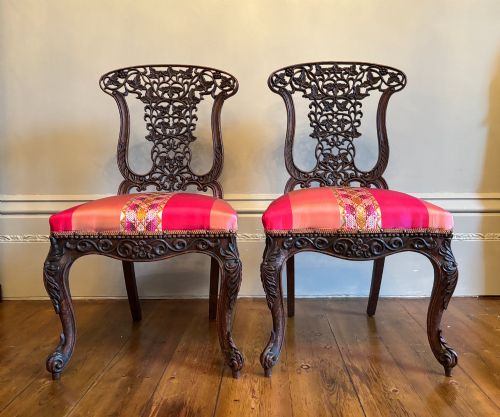
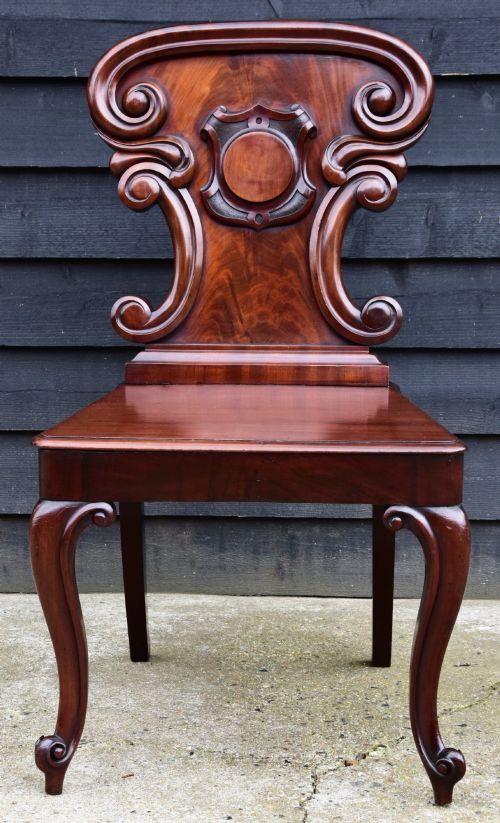
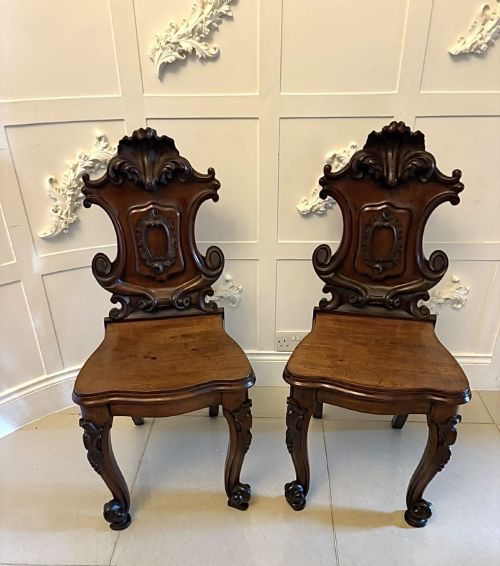
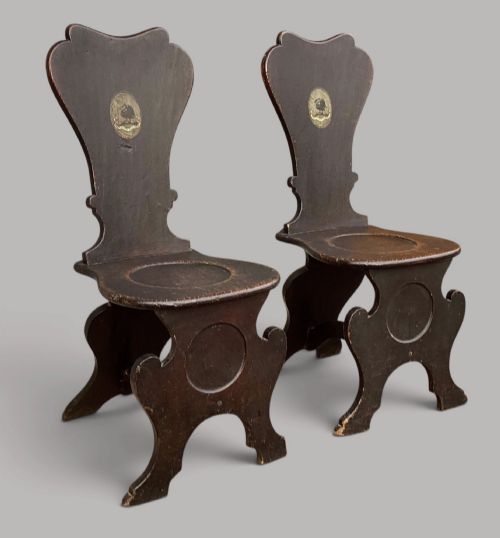
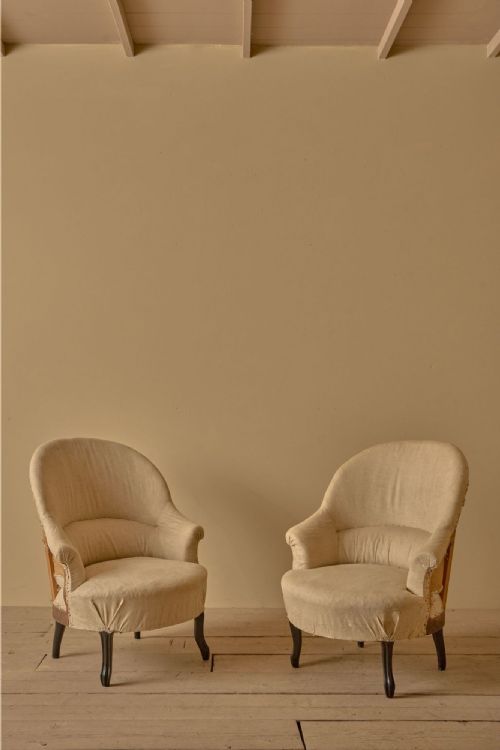
Dark wood accent chairs cover a diverse group of seating pieces designed to stand out in a room through rich timber tones and distinct historical styling. When searching for dark wood accent chairs, buyers encounter various forms including armchairs, side chairs, and dining chairs originating from different periods.
The selections span the nineteenth century, Regency, and around eighteen ninety to nineteen hundred, showing the enduring appeal of darker woods in domestic seating. These chairs arrive in pairs, offering symmetrical placement possibilities for interiors.
Originating from English, Italian, Cairene, and Indian traditions, the items demonstrate global influences on British and European taste. Styles range from Georgian and Regency to Moorish Revival, Italian Baroque Revival, Sheraton Revival, and Anglo-Indian designs.
How they were made
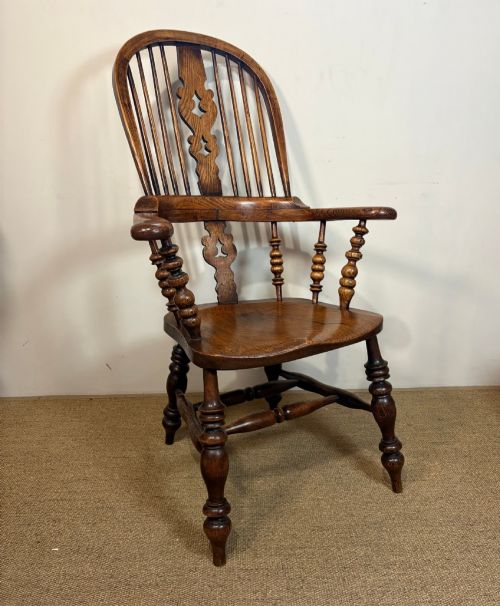
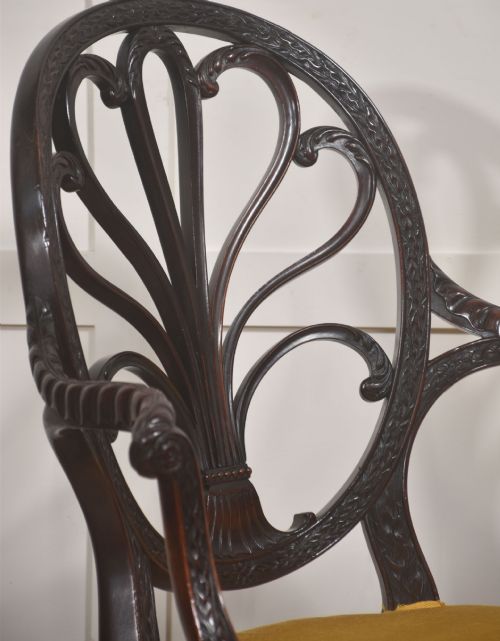
Makers utilised dense timbers such as mahogany, goncalo alves, oak, and heavy carved hardwoods to build these structural frames. These dark woods provided both durability and a deep natural colour that formed the foundation of each piece.
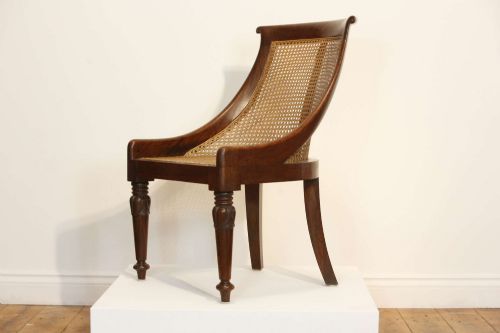
Decoration and functional elements incorporated cane work, detailed hand carving, and turned components like bobbin shapes. Brass accents and upholstery in fabric and velvet completed the construction, adding texture and contrast to the dark timber surfaces.
Dark Wood Accent Chairs Retail Price Guide 2026
Typical asking prices for dark wood accent chairs among the pieces listed under this phrase on Sellingantiques today, from the lower quarter to the upper quarter. They describe what is for sale here now, not the wider market.
Some nineteenth-century makers turned wood into rows of tiny wooden bobbins, proving that furniture makers loved a good spool.
What varies in quality
Stylistic ambition and regional origin also define the hierarchy, with documented attributions or complex revival styles commanding greater attention. The integration of materials such as fine cane work and quality upholstery fabrics elevates the overall execution of the seating.
The Dark Wood Accent Chairs Glossary
- Mahogany
- A durable, reddish-brown tropical hardwood commonly utilised for fine furniture frames throughout the eighteenth and nineteenth centuries. Its stability allowed for intricate carving and smooth finishes.
- Goncalo Alves
- An exotic dense timber displaying striking contrasting dark grain patterns, often selected for high-status nineteenth-century seating. It provides exceptional weight and visual depth.
- Cane
- Woven material made from rattan plants, utilised for seats and backs to create lightweight, breathable panels. This technique adds textural contrast against solid timber frames.
- Bobbin Turned
- A form of woodturning where the lathe produces a series of rounded, bead-like shapes resembling spools of thread. This decorative method appears frequently on nineteenth-century structural supports.
Dark Wood Accent Chairs: Frequently Asked Questions
Where should I place these chairs?
These chairs work well in living rooms, hallways, or bedrooms where a strong timber element can anchor the spatial arrangement. Their decorative carving and rich wood tones allow them to function as standalone visual focal points.
Pairs offer symmetrical placement options flanking a fireplace, console table, or window. Their varied styles mean they complement both traditional interiors and eclectic modern spaces.
How do I care for the timber?
Maintain the wood by keeping the pieces away from direct heat sources and strong sunlight to prevent the finish from drying out. Regular dusting with a soft, dry cloth preserves the natural lustre of the dark woods.
Avoid using silicone-based polishes, as they can build up over time and attract dust. Professional wax can be applied sparingly to nourish older timbers.
Were these used for dining?
Certain forms among these selections functioned as side chairs or dining chairs around formal tables. Their sturdy timber construction made them suitable for regular daily use in dining spaces.
Other lighter armchairs served as occasional seating in parlours and drawing rooms rather than permanent dining furniture.