

Sheraton Style Chairs
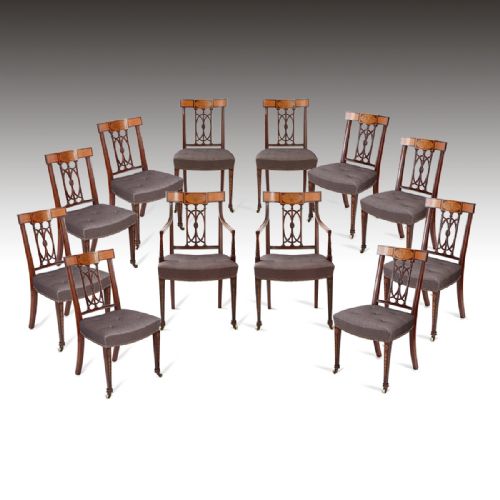
Sheraton style chairs bring neoclassical restraint and fine timber to a room, offering upright elegance through tapered legs and geometric backs.
Sheraton Style Chairs
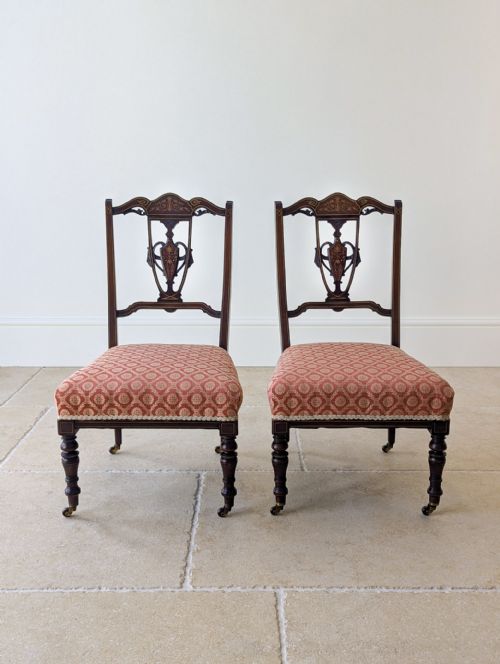
Sheraton style chairs draw on the lighter, rectilinear designs popularised in the late eighteenth century, marked by square or shield-shaped backs and straight, tapered legs.
Buyers searching for sheraton style chairs encounter everything from eighteenth-century originals to later Edwardian revivals and twentieth-century interpretations.
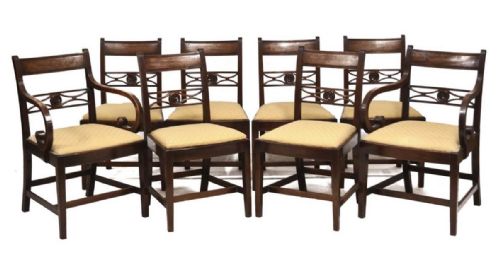
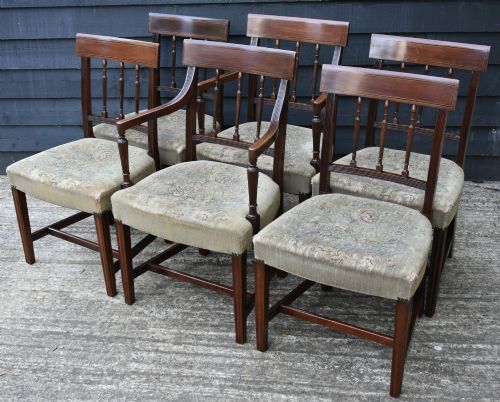
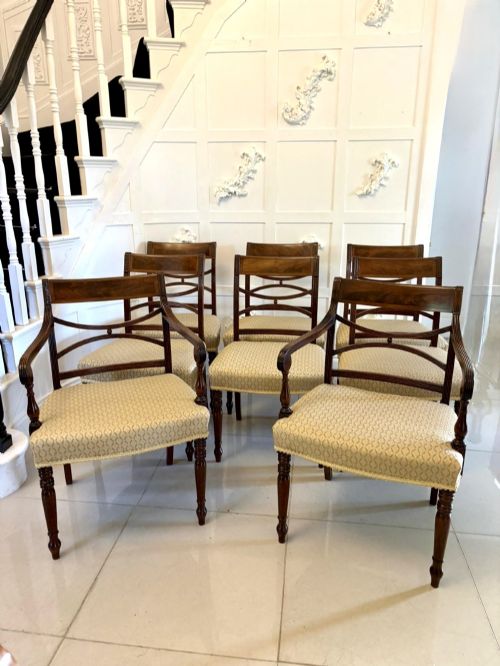
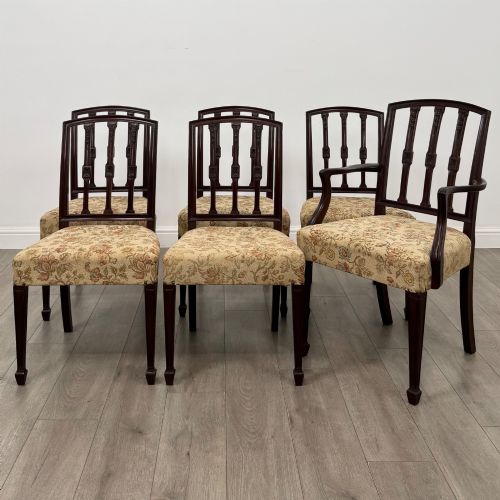
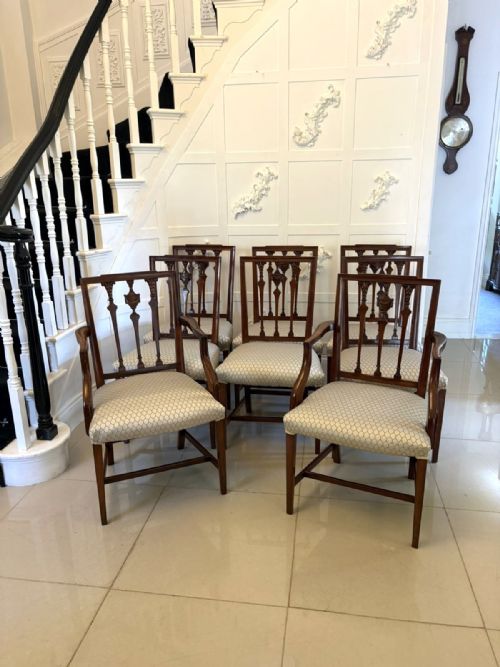
The form appears most frequently as sets of dining chairs, alongside individual armchairs, library seats, and painted salon pieces.
Materials and construction
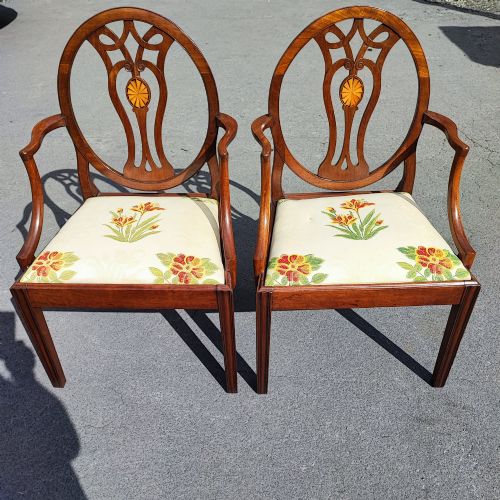
Cabinetmakers relied heavily on mahogany for its strength and grain, frequently incorporating satinwood for contrasting stringing and decorative patera.
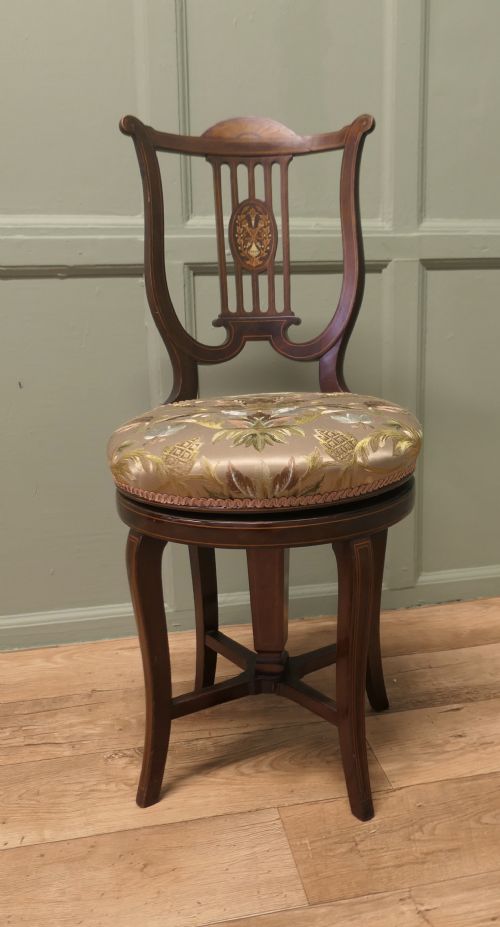
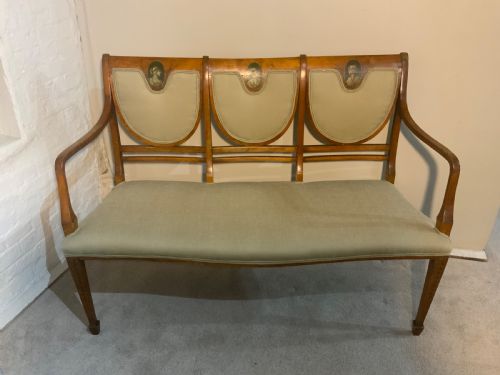
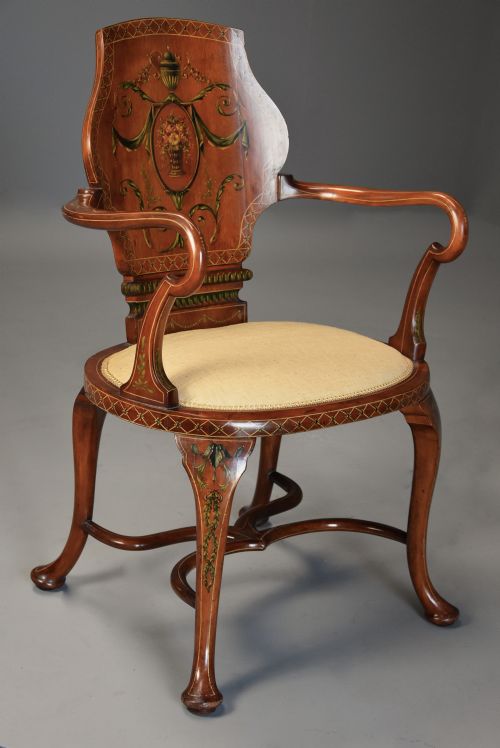
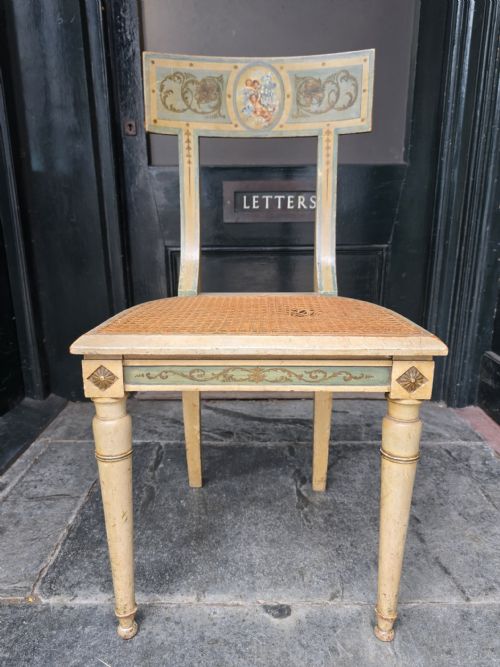
Surface ornamentation often included delicate hand-painted motifs, contrasting wood inlays, and carved details such as wheat ears or drapery.
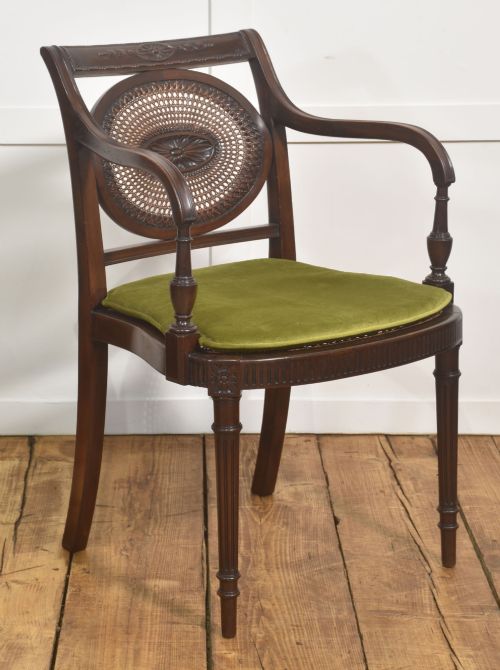
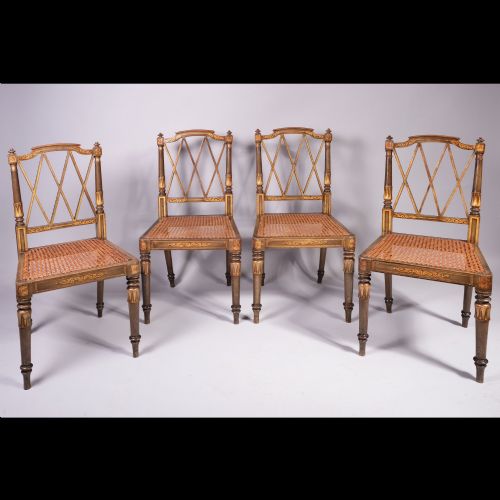
Seating portions utilised traditional squab cushions, cane panels, or modern upholstery over webbing, paired sometimes with brass castors on front legs.
Sheraton Style Chairs Retail Price Guide 2026
Typical asking prices for sheraton style chairs among the pieces listed under this phrase on Sellingantiques today, from the lower quarter to the upper quarter. They describe what is for sale here now, not the wider market.
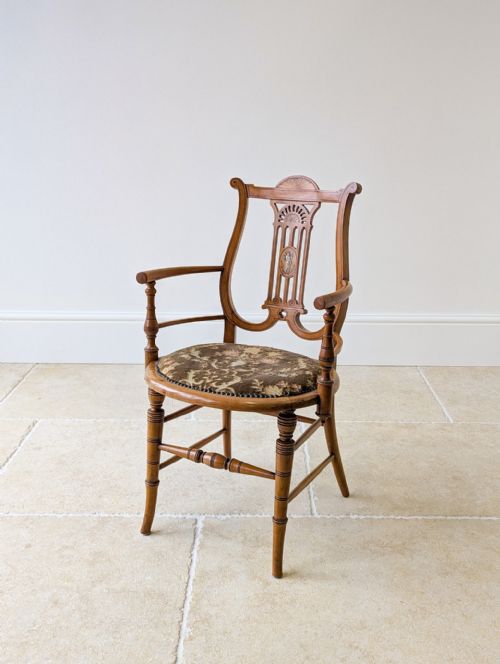
Some nineteenth-century musicians enjoyed revolving harpist chairs designed specifically to accommodate awkward instruments.
Assessing quality and execution
Quality rests upon the crispness of the joinery and the selection of timber, where tightly figured mahogany and finely cut veneers elevate a piece.
The harmony of proportions dictates the visual success of the chair, particularly in the delicate balance between the height of the back and the taper of the legs.
Painted decoration distinguishes finer examples through precision and restraint, avoiding heavy-handed application in favour of delicate neoclassical detailing.
Waring and Gillow
The Sheraton Style Chairs Glossary
- Shield-back
- A chair back shaped like a heraldic shield, characteristic of late eighteenth-century design. This profile offers a distinct alternative to the traditional oval or square back.
- Cane
- Woven rattan material utilised for seats and back panels to provide a lightweight, resilient surface. It appears frequently on lighter parlour and library chairs.
- Satinwood
- A lustrous, yellow-hued timber employed extensively for veneers and decorative inlay work. Its bright grain contrasts sharply with darker woods like mahogany.
- Carver
- An armchair designed to match a set of single dining chairs, typically positioned at the table ends. These often feature open arms curved for comfort.
- Inlay
- A technique where pieces of contrasting wood or shell are inserted into recesses in the primary timber to form geometric or floral patterns.
Sheraton Style Chairs: Frequently Asked Questions
How do I identify a true period piece?
Authentic eighteenth-century examples exhibit traditional hand-cut joinery, timber shrinkage appropriate to age, and structural wear consistent with centuries of use.
Later revivals from the Edwardian era often display machine-made precision, standardised components, and cleaner internal surfaces underneath the seat rails.
Can I use these chairs for daily dining?
Most antique dining chairs remain structurally sound for regular daily use, provided the joints have been properly checked and secured by a professional.
Heavier individuals should exercise caution with delicate single chairs, particularly slender shield-back designs featuring intricate openwork splats.
What is the difference between revival and original pieces?
Original pieces date from the late eighteenth or early nineteenth century during the height of the neoclassical movement. Revival pieces were produced later, notably around nineteen hundred, emulating those earlier forms with updated manufacturing methods.
Both categories offer high levels of craftsmanship, but they differ significantly in age and collectible classification.
How should I care for inlaid wood?
Keep inlaid mahogany and satinwood away from direct sunlight and strong heat sources to prevent the delicate veneers from drying and lifting.
Apply a traditional microcrystalline wax occasionally to nourish the timber surface and maintain a soft, protective sheen without building up heavy residue.