
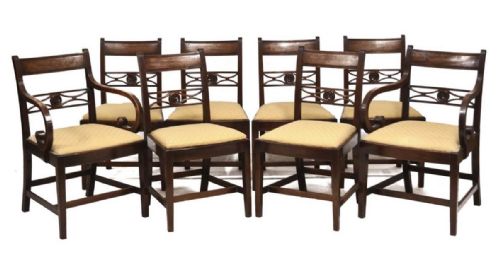
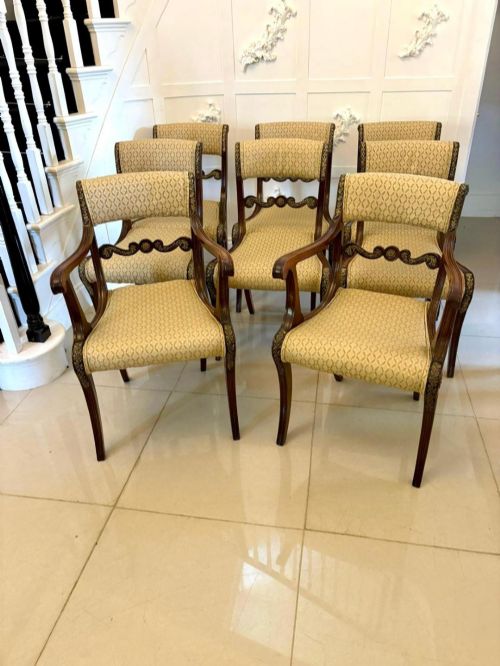
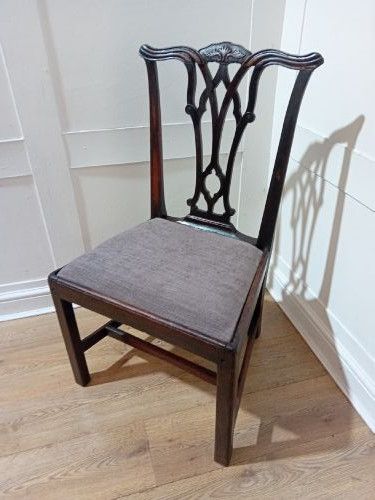

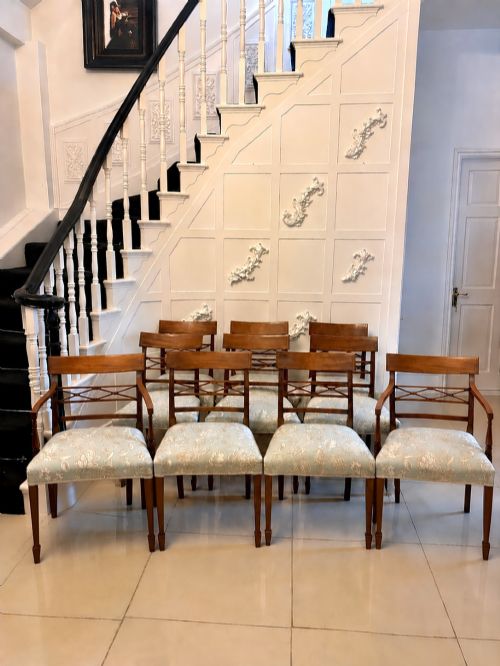
Georgian Style Side Chairs
Georgian style side chairs bring enduring classical proportion to a room, offering sturdy timber frames and distinct period design.
Georgian Style Side Chairs
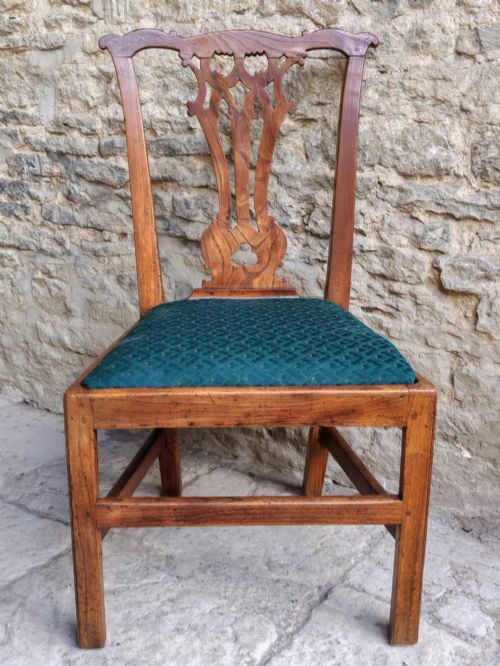
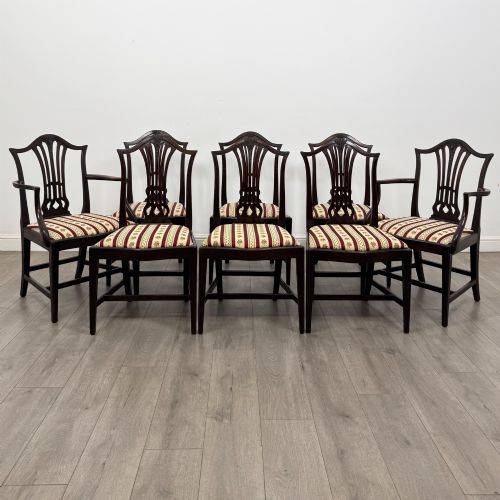
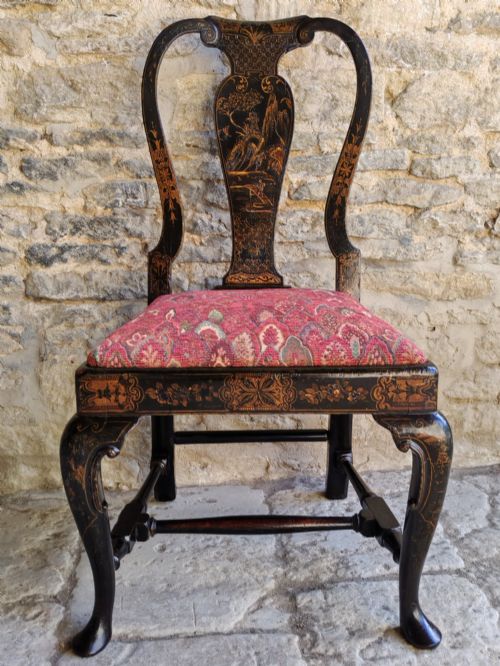
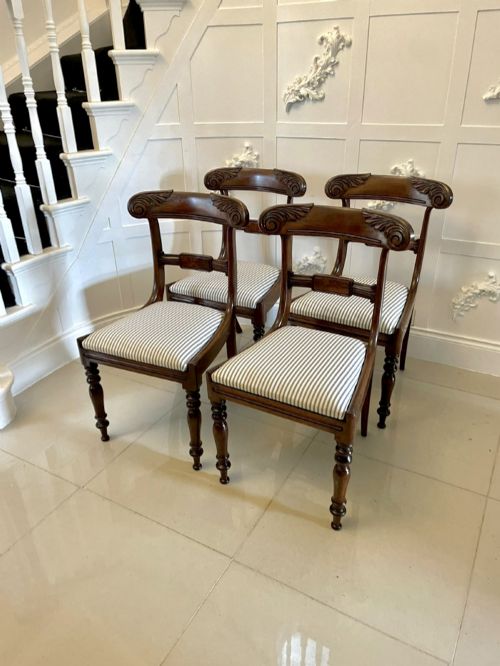
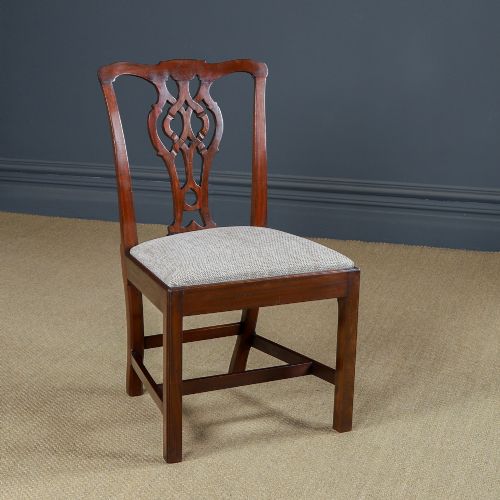
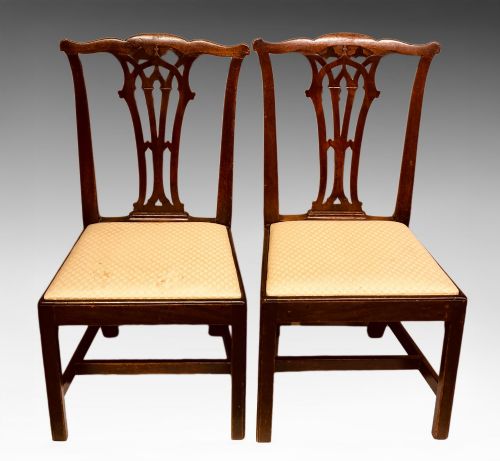
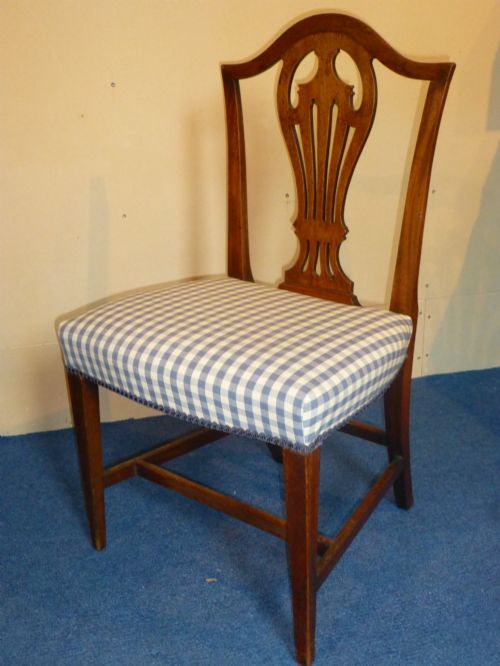
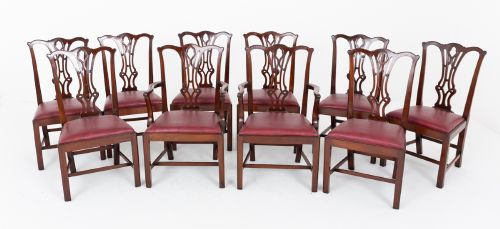
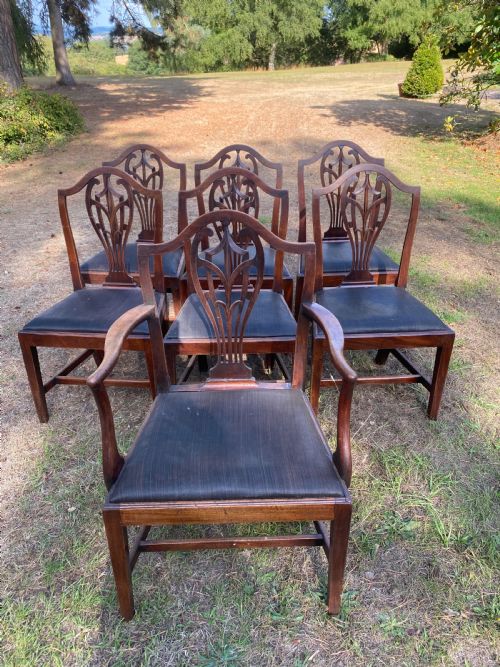
When you search for georgian style side chairs, you are looking at seating inspired by the 18th century, though many examples date from later revival periods like the 19th and early 20th centuries. These pieces function primarily as dining seats or occasional chairs, with forms ranging from vase splat backs to refined library and hall seating.
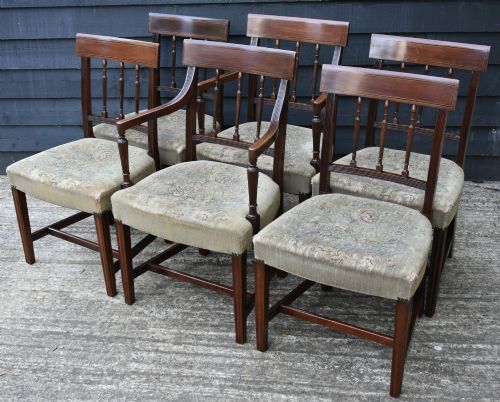
You are most likely to encounter revival versions made around 1900 or 1910, often echoing the distinct carved details of Chippendale, Sheraton, and Hepplewhite designs. The selection balances larger dining sets with pairs of single chairs suited for specific corners or desks.
The enduring appeal of these chairs lies in their adaptable proportions and honest timber construction. Whether built in the 1800s or interpreted later, they remain practical furniture designed to anchor a traditional or eclectic interior.
Materials and Construction
Makers relied heavily on mahogany and occasionally walnut or satinwood for the structural frames, utilising the dense grain to achieve sharp carved details and slender uprights. Decoration often involved applied brass, painted wood details, and delicate inlay work.
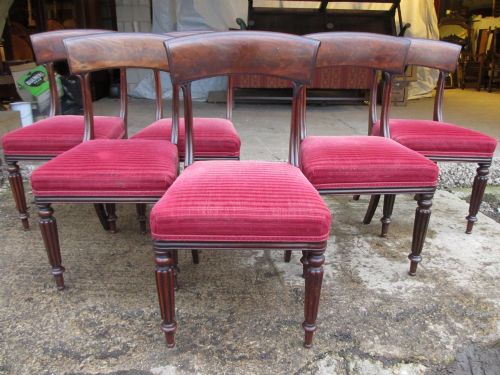
Upholstery materials recorded in the archive and current stock include fabric, velvet, horsehair fabric, and silk damask, sometimes finished with gold leaf accents on decorative elements.
Retail Price Guide 2026
Typical UK retail prices for georgian style side chairs, calculated from the Sellingantiques database of over a million retail prices indexed since 2003. This retail price guide relies exclusively on Sellingantiques data; no external sources or auction records are used, so the figures do not describe the wider market.
Listings feature mahogany as the dominant timber, alongside walnut, satinwood, and decorative additions of brass and gold leaf.
Judging Quality
The finest examples display crisp, hand-carved ornamentation on the splats and crest rails, where the timber retains sharp edges and deep relief rather than soft, moulded contours. Proportions remain balanced and joints stay tight without excessive reliance on modern fasteners.
Quality also shows in the choice of primary timber and the selection of upholstery textiles, where traditional horsehair or silk damask elevates a piece above standard fabric coverings.
J. Yorke
The Georgian Style Side Chairs Glossary
- Splat
- The vertical wooden strip down the centre of a chair back. It often takes a vase or pierced ladder shape in this tradition.
- Sash
- A term occasionally used to describe the framing members of a chair seat or back.
- Gossip chair
- A low, conversational seat designed for intimate seating arrangements, appearing in walnut within the evidence.
- Carver
- An armchair version of a dining or side chair, usually featuring supportive wooden armrests.
- Inlay
- A decorative technique where contrasting woods or materials are fitted flush into the primary surface of the timber.
Frequently Asked Questions
Are these chairs comfortable for daily dining?
Most historic side chairs were built with upright postures in mind, reflecting the formal dining habits of their era.
While supportive, their comfort depends heavily on the padding depth and the quality of the modern or period upholstery underneath.
How do I tell an original 18th century chair from a revival piece?
Distinguishing the era requires looking closely at tool marks, timber shrinkage, and the method of joinery used in the frame.
Revival pieces from around 1900 often show machine assistance and more uniform secondary woods compared to their earlier counterparts.
What maintenance do mahogany and silk upholstery require?
Mahogany benefits from occasional waxing to nourish the grain and protect the finish from drying out.
Silk damask or horsehair upholstery needs gentle dusting and protection from direct sunlight to preserve the textile.