
Pair of Easy Chairs
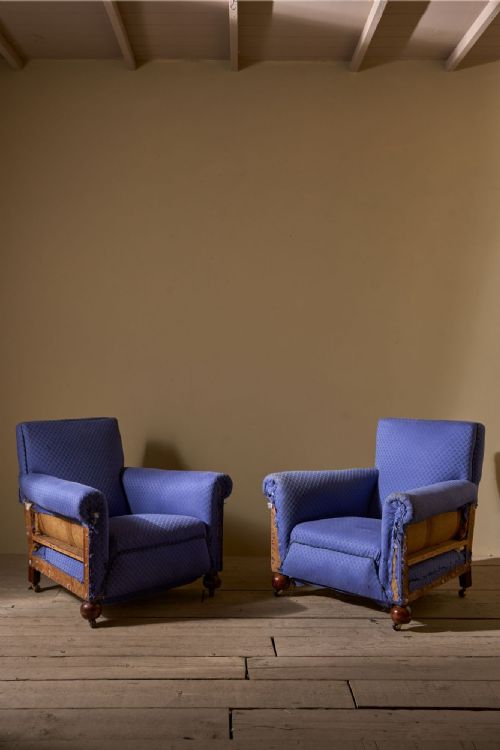
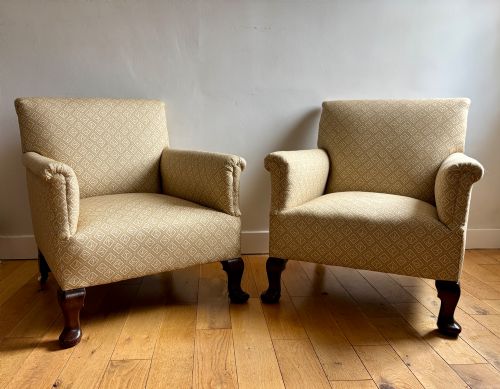
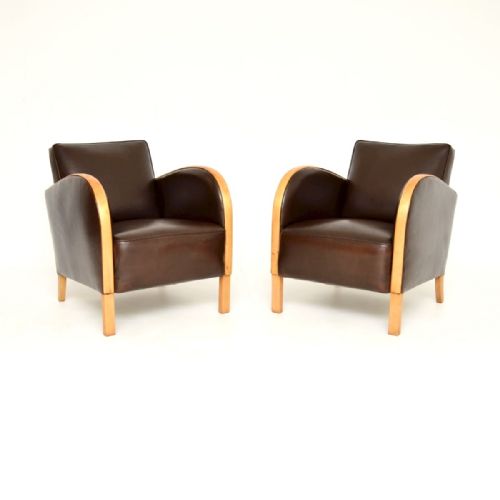
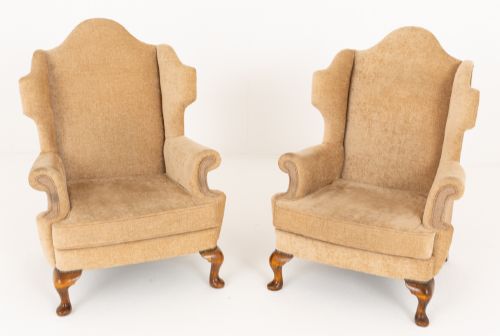
These pair of easy chairs offer generous seating for a room, bringing period character and comfort together in matching seats.
What a pair of easy chairs are
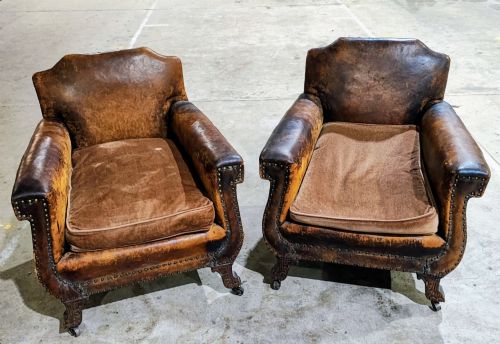
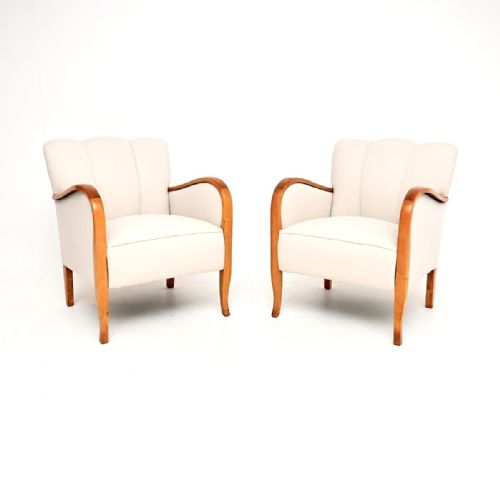
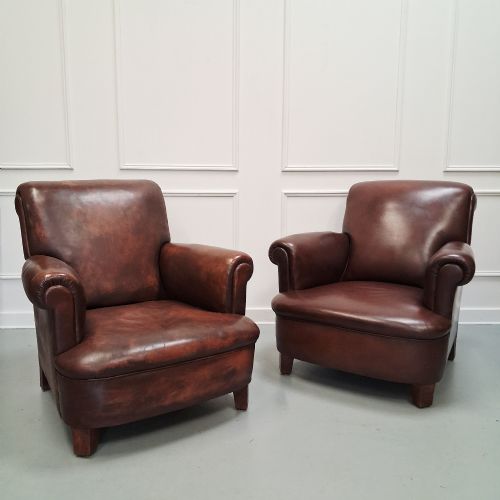
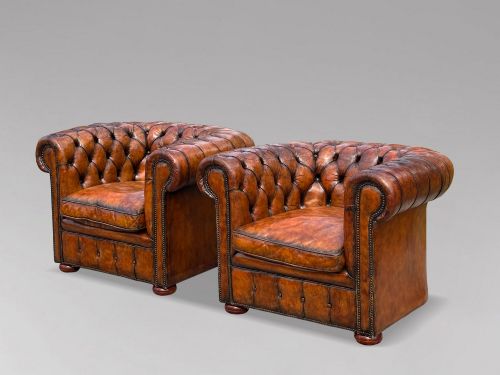
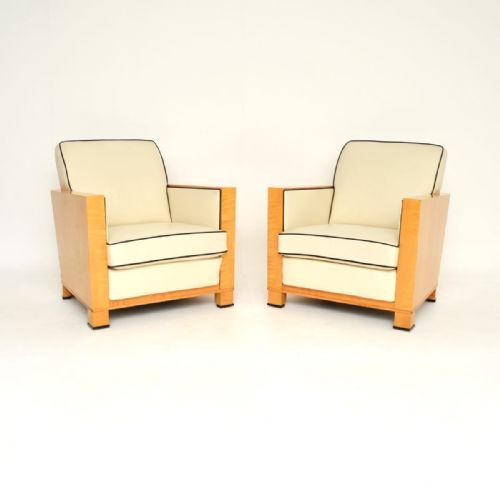
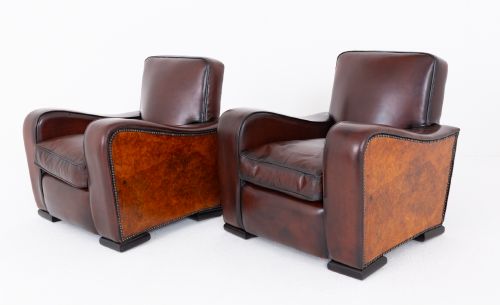
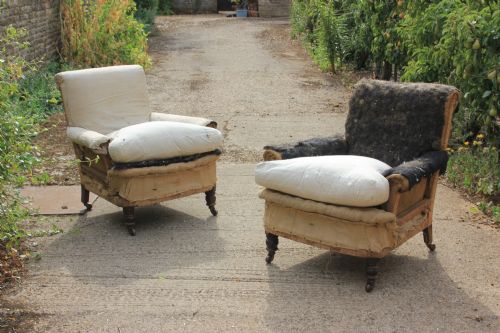
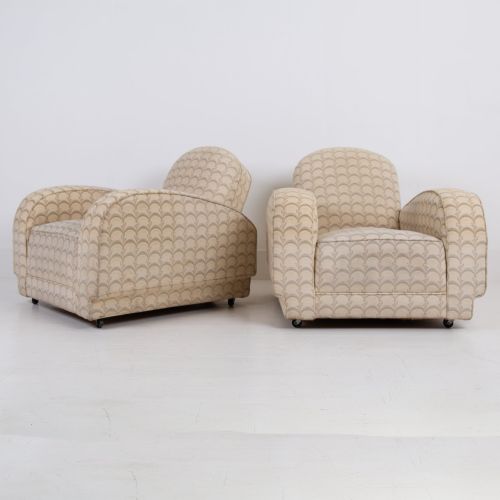
When you search for a pair of easy chairs, you encounter matching upholstered seating designed primarily for comfort and relaxation. The selections on this page span from the nineteenth century into the twentieth century, encompassing Victorian, Edwardian, and Art Deco designs.
The forms vary from low club and lounge shapes to button-backed tub chairs and library armchairs. These seats originate from various stylistic traditions including French, Swedish, and English workshops.
How they were made
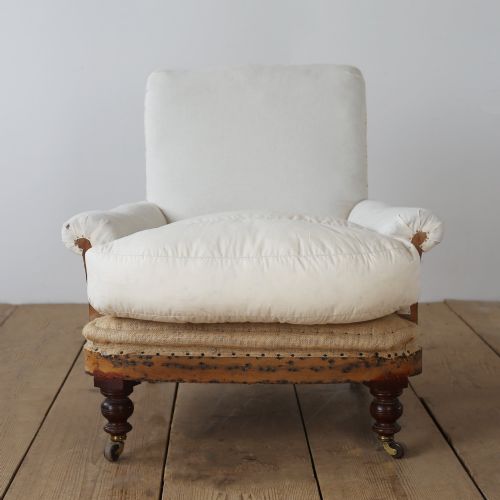
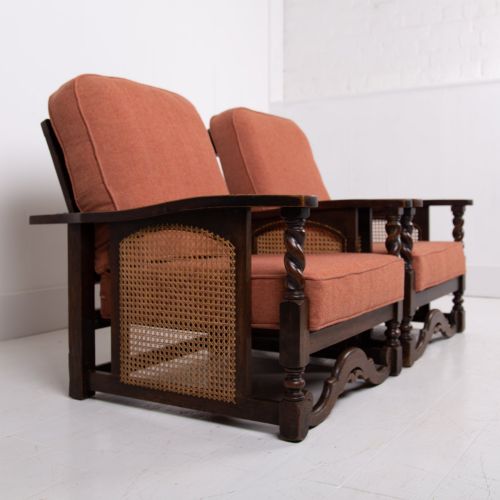
Timbers such as walnut, mahogany, oak, chestnut, and satin birch form the structural frames of these seats. Metal elements like brass castors appear on specific examples to aid movement.
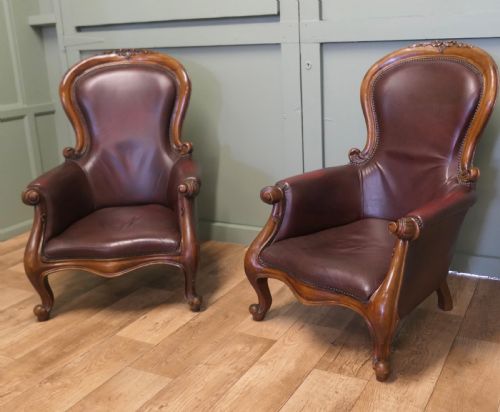
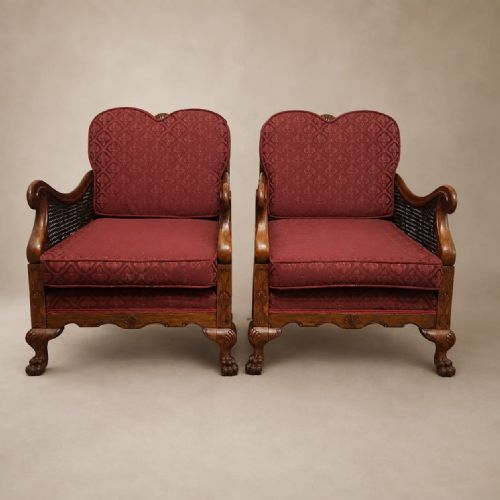
Upholstery relies on traditional textiles, leather, peach velvet, and passementerie trim. Frames frequently feature carved details or barley twist turnings depending on the period style.
Retail Price Guide 2026
Typical UK retail prices for pair of easy chairs, calculated from the Sellingantiques database of over a million retail prices indexed since 2003. This retail price guide relies exclusively on Sellingantiques data; no external sources or auction records are used, so the figures do not describe the wider market.
What varies in quality
The distinction between ordinary and superior pieces rests in the integrity of the timber frame and the precision of any carved or turned woodwork. Finer examples maintain structural stability without excessive timber shrinkage or loose joints.
Upholstery materials and finishing details also dictate quality, where intact leather or rich velvet fabrics alongside neat passementerie indicate a higher standard of original production.
The Pair of Easy Chairs Glossary
- Tub Chair
- An armchair with a rounded back that continues down into the arms. This compact form offers a neat profile while keeping the sitter enclosed for comfort.
- Fauteuil
- An open-arm armchair originating in France with upholstered back and armrests. The exposed wooden frame around the arms defines its traditional aesthetic.
- Passementerie
- Elaborate trimmings such as edgings, braids, and fringes used in upholstery. These decorative textiles finish the seams and borders of period chairs.
- Barley Twist
- A type of furniture turning resembling a twisted rope. This decorative woodworking technique appears frequently on structural supports and legs.
Frequently Asked Questions
Where should I place easy chairs?
These matching chairs work well in living rooms, studies, or reading corners where seating symmetry is desired. Positioning them opposite a sofa or beside a fireplace creates a balanced and welcoming arrangement.
Ensure adequate clearance around the frames so the armrests and upholstery are not restricted. Their generous proportions make them ideal for creating dedicated spaces for relaxation.
How do I identify Victorian models?
Victorian examples frequently utilise timbers like mahogany, walnut, or oak, often featuring button backs or turned wooden supports. Look for traditional proportions and construction methods typical of the nineteenth century.
Stylistic cues such as heavy upholstery, deep seats, and occasionally brass castors help separate nineteenth-century pieces from later twentieth-century designs.
Can I reupholster these chairs?
Many period pieces are suited for new fabric coverings, and some examples are specifically offered for re-upholstery. This allows you to select textiles that match your interior scheme.
Retaining the original frame while replacing the outer fabric updates the appearance whilst preserving the structural integrity of the historic piece.