


Victorian Bedroom Seating
Victorian bedroom seating brings low-slung comfort and rich upholstery to the room, offering an intimate spot to dress or rest.
What Victorian bedroom seating is
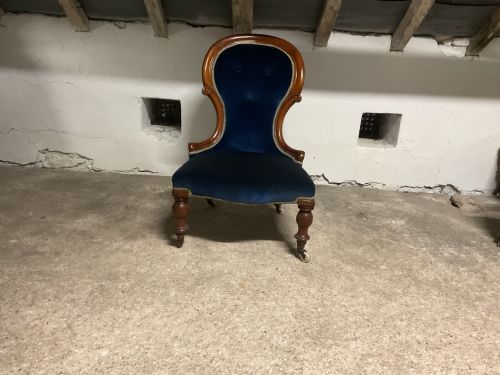
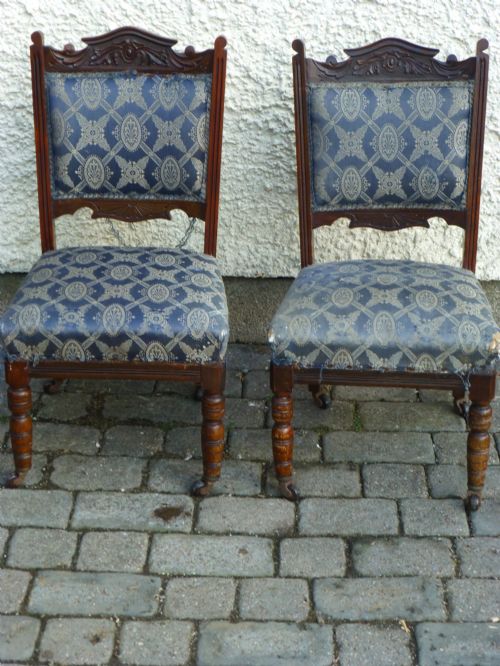
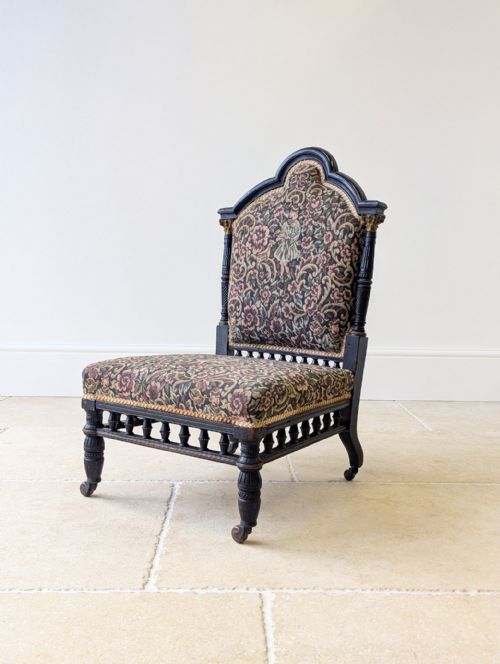
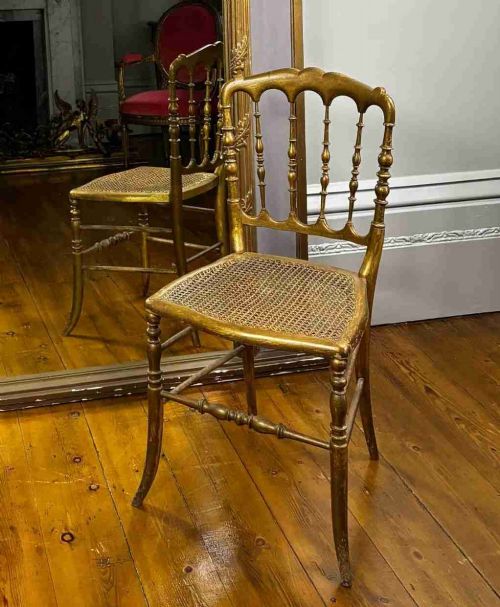
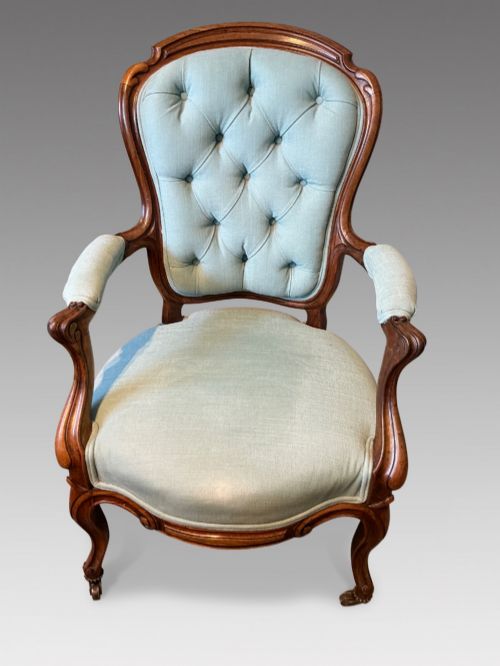
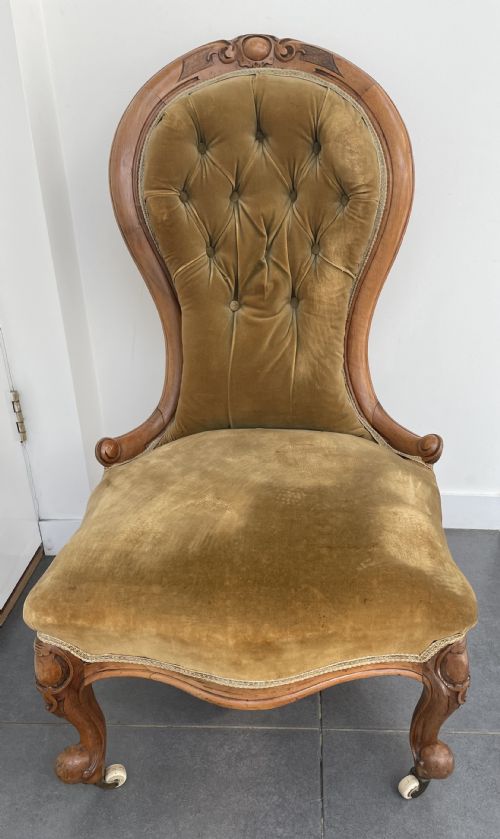
Victorian bedroom seating centres on low nursing chairs and slipper chairs designed for the private chambers of nineteenth-century homes. These low-slung forms allowed women to sit comfortably while tending to attire or infants, establishing a distinct typology within nineteenth-century furniture.
The pieces appearing on this page span the Victorian era, including late Victorian examples alongside specific dates such as 1850, 1870, and 1940. This grouping captures a variety of domestic seating created for personal spaces rather than formal reception rooms.
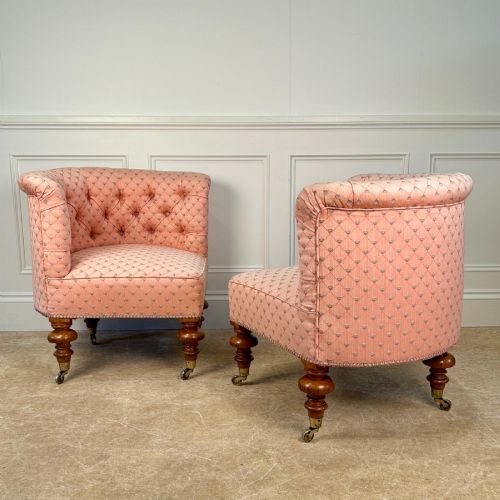
Nursing chairs and slipper chairs dominate the selection, often presenting compact proportions tailored for bedroom placement. These forms reflect the functional requirements of the period while employing the decorative vocabulary of nineteenth-century design.
How Victorian bedroom seating was made
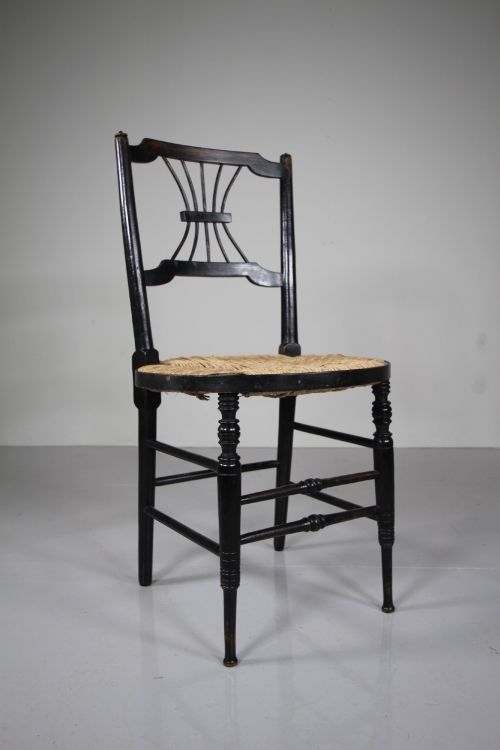
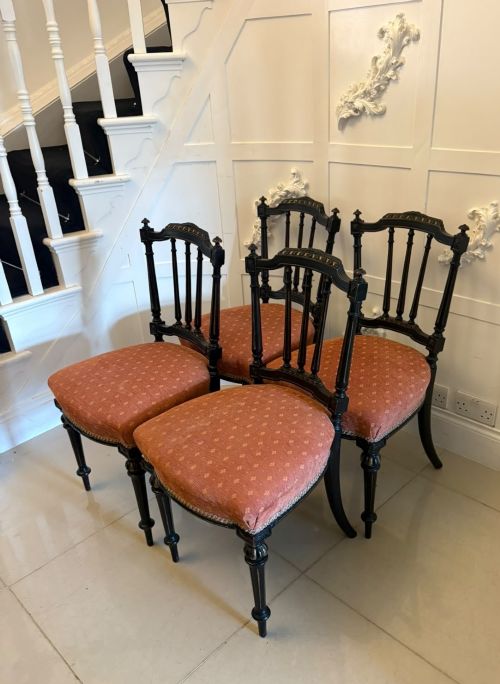
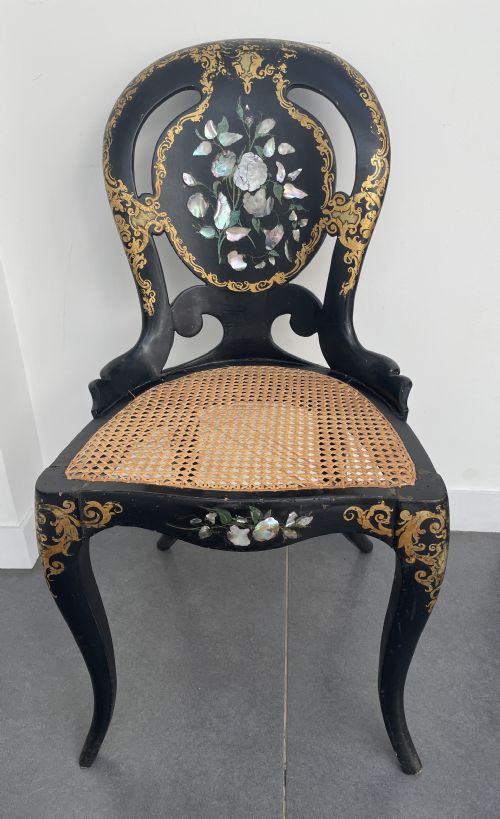
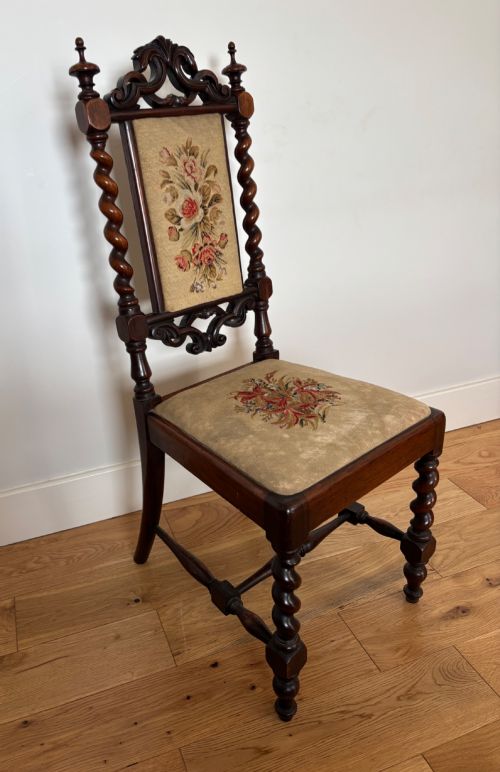
Frames rely on timber construction, utilising mahogany, rosewood, walnut, and ebonised wood to build sturdy foundations for upholstered bodies. Selected woods often display rich grain patterns or dark finishes characteristic of the period.
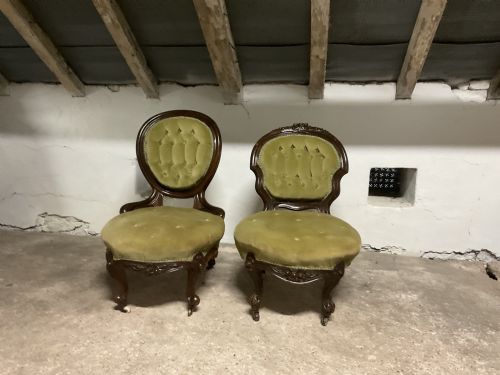
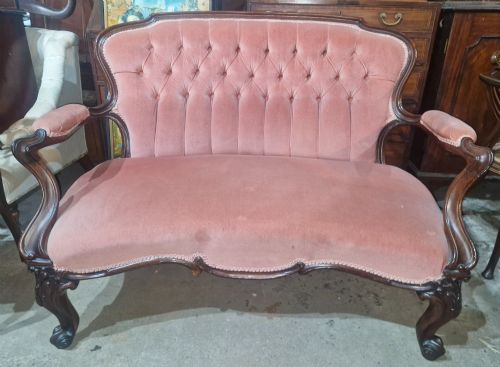
Upholstery defines the character of these chairs, employing fabrics such as velvet and damask stretched over supportive padding. Additional detailing includes ceramic components and brass hardware integrated into the design.
Retail Price Guide 2026
Typical UK retail prices for victorian bedroom seating, calculated from the Sellingantiques database of over a million retail prices indexed since 2003. This retail price guide relies exclusively on Sellingantiques data; no external sources or auction records are used, so the figures do not describe the wider market.
The listings show nineteenth-century seating constructed from mahogany, rosewood, walnut, and ebonised wood.
What varies in quality
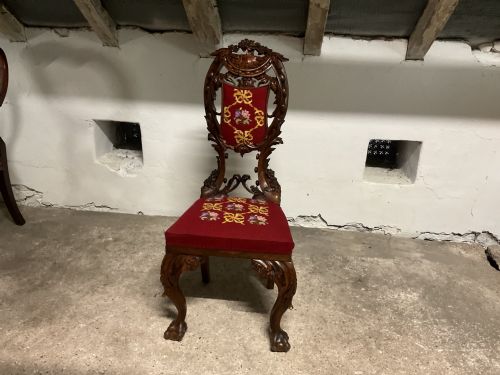
The refinement of the timber framework distinguishes finer examples, particularly where carved details or cabriole legs show careful hand shaping. Timber selection ranges from standard structural woods to richly figured rosewood and walnut.
The integrity and execution of the upholstery materials set individual pieces apart, with heavy damask and deep-piled velvet reflecting higher original investment. Fabric choice and the precision of the padding work together to indicate the standing of the piece.
The Victorian Bedroom Seating Glossary
- Nursing chair
- A low-seated chair designed for nineteenth-century bedrooms, traditionally used for feeding infants or assisting with dress. These chairs feature shortened legs and upright backs to suit domestic tasks.
- Slipper chair
- An upholstered chair with low legs, historically used in bedrooms for putting on shoes and stockings. The compact scale keeps the sitter close to the floor.
- Cabriole leg
- A furniture leg that curves outward and then tapers inward, finishing in a decorative foot. This form draws inspiration from animal limbs and appears frequently on nineteenth-century seating.
- Ebonised wood
- Timber treated with a dark finish to imitate expensive ebony. This technique was popular for achieving a sleek, uniform appearance.
- Damask
- A reversible figured fabric woven on a jacquard loom, featuring patterns formed by contrasting warps and wefts. It provides a textured surface frequently utilised in period upholstery.
Frequently Asked Questions
What is a nursing chair?
A nursing chair is a low-seated nineteenth-century chair designed for domestic chambers. Its short stature allowed women to sit comfortably while tending to infants.
These pieces were kept in bedrooms rather than formal sitting rooms, reflecting the private nature of nineteenth-century home life.
How do I use a slipper chair?
A slipper chair functions well as an accent piece in modern bedrooms or dressing rooms. Its low profile makes it practical for practical tasks near floor level.
Positioning the chair against a bedroom wall or beside a dressing table highlights its compact nineteenth-century proportions.
Are these chairs comfortable?
Nineteenth-century bedroom seating was built with padded upholstery to provide soft support. Fabrics like velvet and damask added a tactile layer to the seat.
The low seats and upright backs encourage an attentive posture suited to dressing and quiet tasks.
How do I identify a Victorian chair?
Look for characteristic nineteenth-century forms such as low nursing chairs and slipper chairs framed in mahogany, walnut, or rosewood. Details like cabriole legs and ceramic castors often point to the period.
The combination of dense timber frames and traditional fabric choices helps confirm the Victorian origin of the piece.