
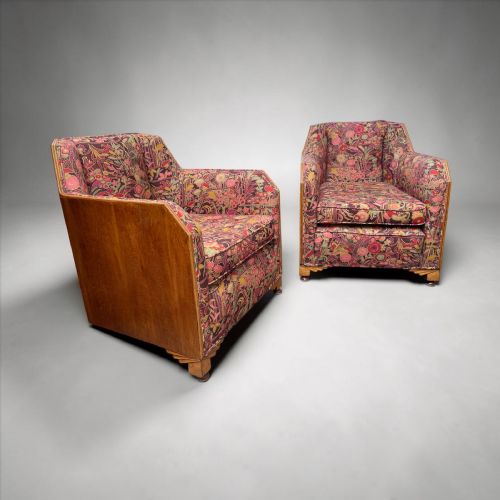
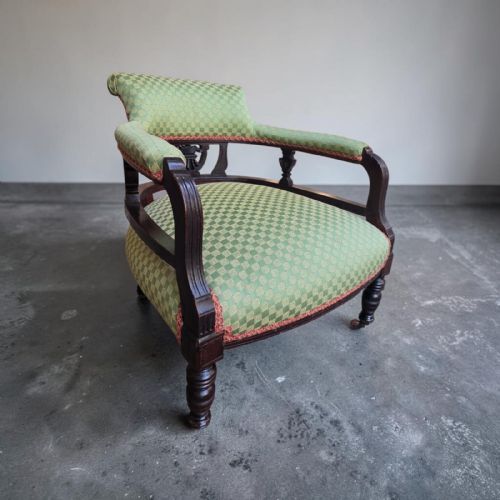
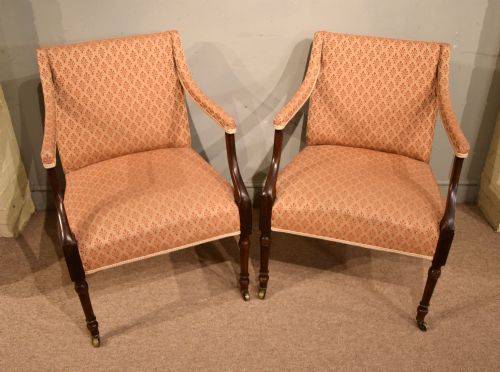
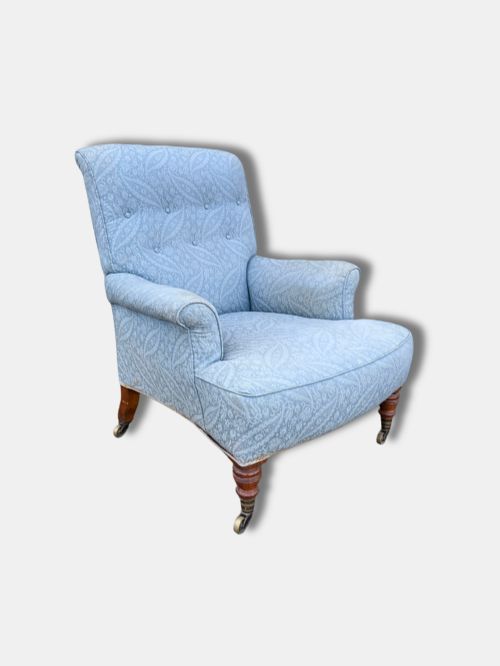
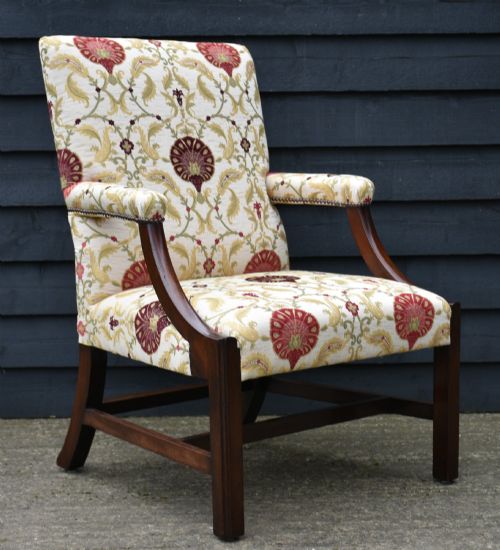
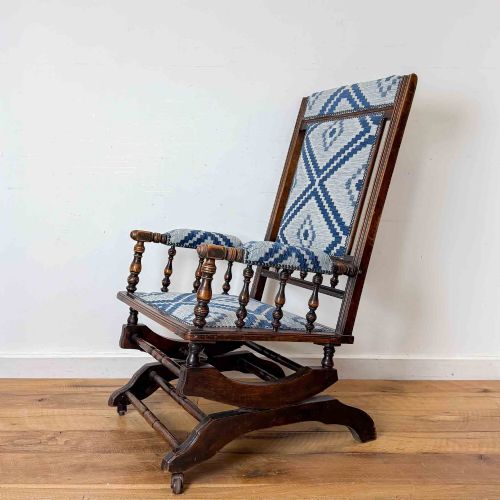
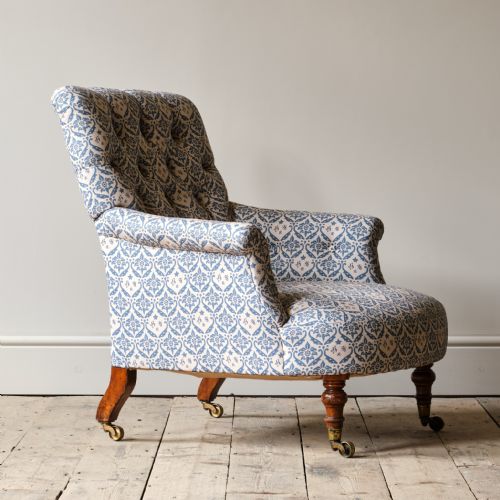
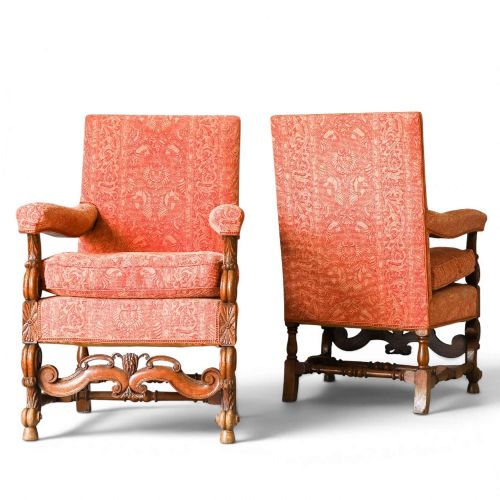

Patterned Upholstered Chair
A patterned upholstered chair brings colour and texture to a room, offering both practical seating and traditional character.

Understanding the patterned upholstered chair
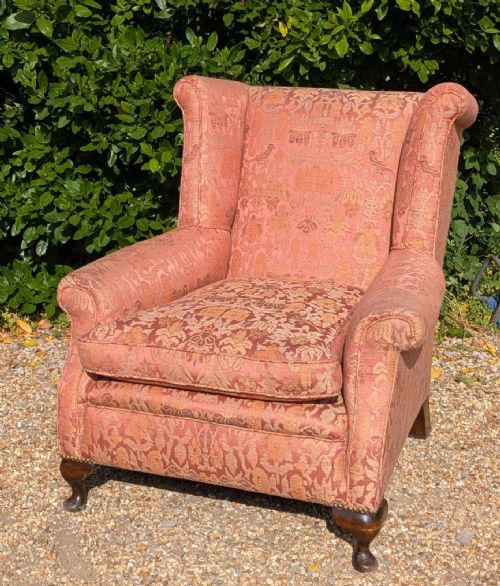
A patterned upholstered chair encompasses various seating forms designed with soft coverings and distinct textile designs. When searching for a patterned upholstered chair, buyers encounter pieces originating from the Victorian and Edwardian periods.
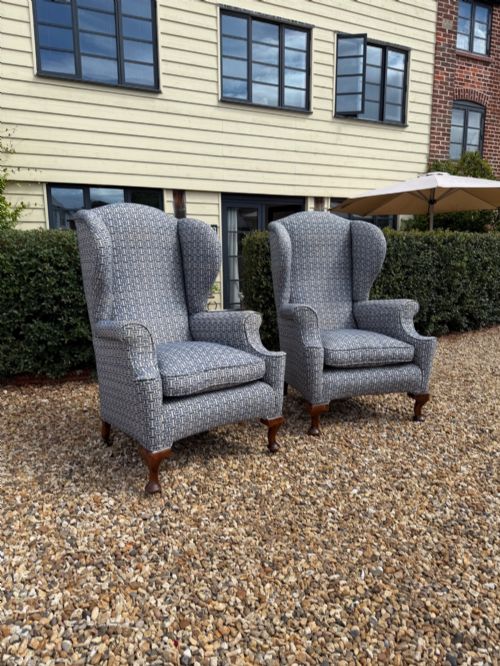
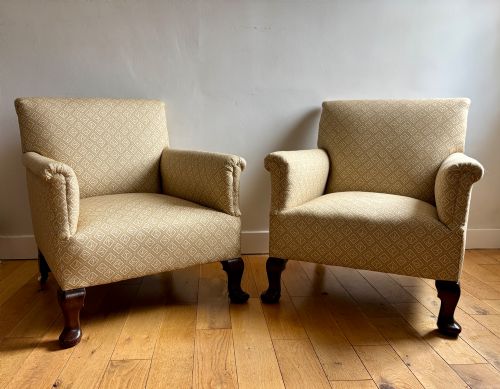
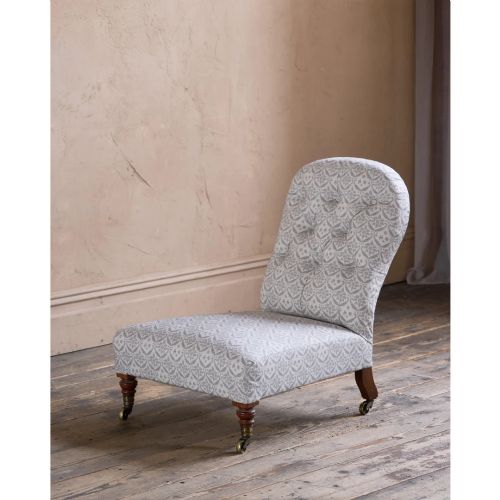
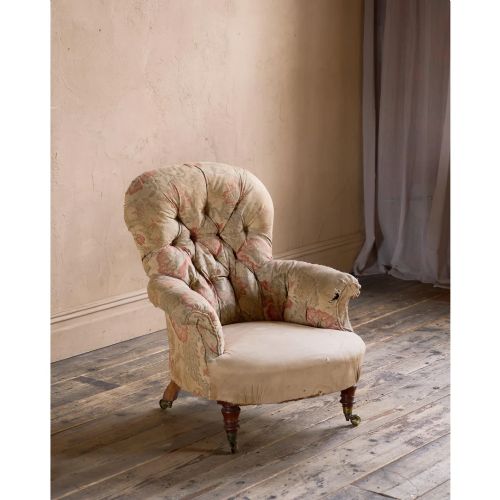
The selection includes specific forms such as armchairs, wingback armchairs, and low nursing chairs. These items reflect late nineteenth-century and turn-of-the-century craftsmanship, showcasing traditional seating designs.
Victorian and Edwardian examples dominate the selection, often featuring wooden frames paired with patterned fabrics. Each piece provides a glimpse into historical domestic seating preferences and manufacturing styles.
Materials and construction
Makers utilised solid timber frames, frequently constructing them from mahogany and general wood. These sturdy structural skeletons support the padded interiors and exterior textile coverings.
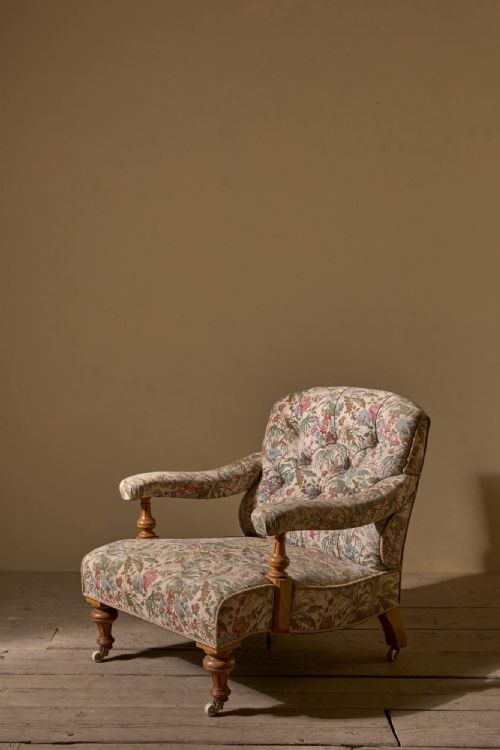
Upholstery involves fabric, velvet, and cotton layers secured over padding. Additional details include brass fittings and ceramic castors attached to the feet for mobility and stability.
Retail Price Guide 2026
Typical UK retail prices for patterned upholstered chair, calculated from the Sellingantiques database of over a million retail prices indexed since 2003. This retail price guide relies exclusively on Sellingantiques data; no external sources or auction records are used, so the figures do not describe the wider market.
Current listings feature items from the Victorian, Late Victorian, and Edwardian periods, utilising mahogany, velvet, and cotton.
Assessing quality and craftsmanship
Superior examples display careful attention to frame carving and timber selection, particularly in mahogany show-wood components. The integration of the textile covering with the underlying structure reveals the skill of the upholsterer.
Subtleties in turning, woodwork detailing, and hardware such as ceramic castors distinguish finer productions from simpler utilitarian seating. The integrity of the internal padding and fabric tension dictates the overall standard.
HOWARD AND SONS
The Patterned Upholstered Chair Glossary
- Mahogany
- A durable hardwood commonly used for the exposed wooden frames of Victorian and Edwardian seating. Its rich grain adds visual warmth.
- Nursing chair
- A low-seated armchair traditionally designed for comfort and ease near a nursery fire. These chairs often feature upholstered backs and patterned fabric.
- Wingback armchair
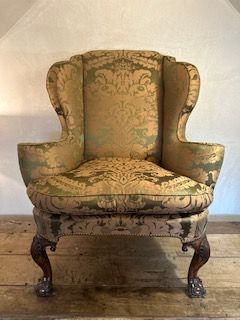
- A large seat featuring characteristic protective wings designed to shield the sitter from draughts. They incorporate heavy upholstery over sturdy wooden frames.
- Ceramic castors
- Small wheels made from ceramic material attached to furniture legs to facilitate movement across floor coverings. They appear on various nineteenth-century seating pieces.
Frequently Asked Questions
What is a nursing chair?
A nursing chair is a low-seated armchair designed historically for comfort during nursing or domestic tasks.
These pieces typically feature upholstered backs and patterned fabric coverings supported by wooden frames.
How do I date a Victorian armchair?
Dating relies on examining the construction timber, such as mahogany, and the specific upholstery styles.
Design characteristics and hardware like ceramic castors provide further clues to the manufacturing period.
Where were these chairs used?
These seating pieces served primarily in domestic reception rooms, parlours, and private chambers.
Different forms suited specific domestic activities, from reading in wingback chairs to fireside sitting.
What woods are common in these chairs?
Mahogany and general hardwoods form the structural basis for the frames and legs.
Exposed wooden elements often display carved details characteristic of the Victorian and Edwardian eras.