


High Back Lounge Chair
A high back lounge chair offers deep support and presence, bringing traditional comfort and distinct period character into a room.

High Back Lounge Chair
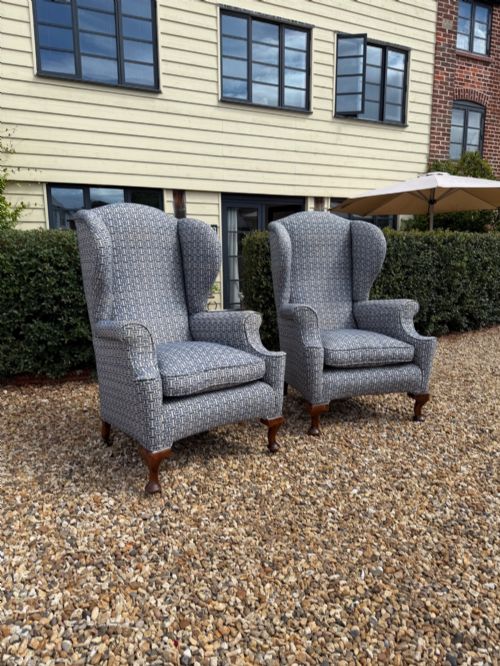
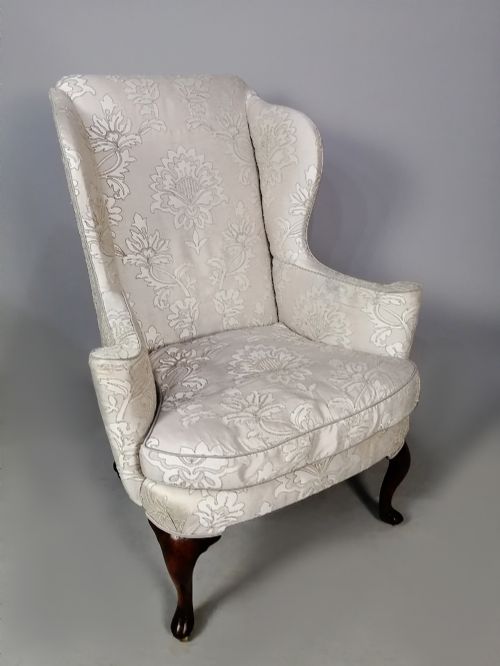
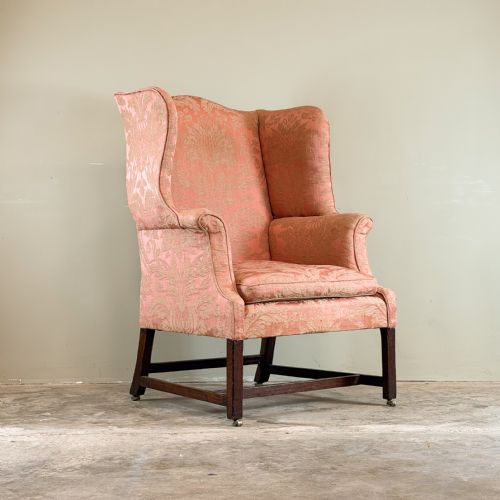
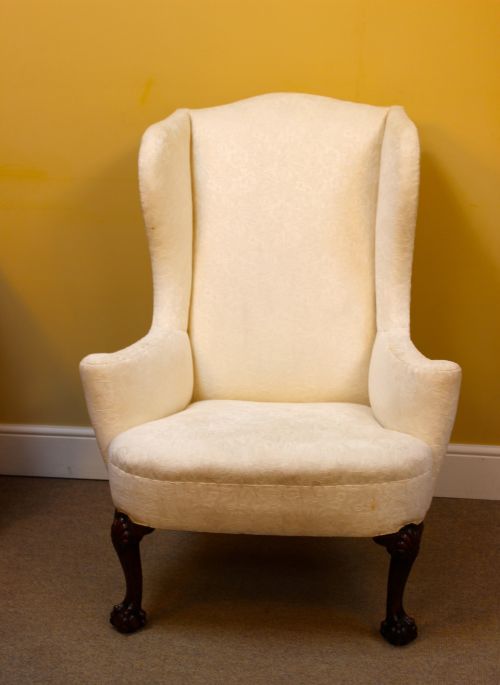
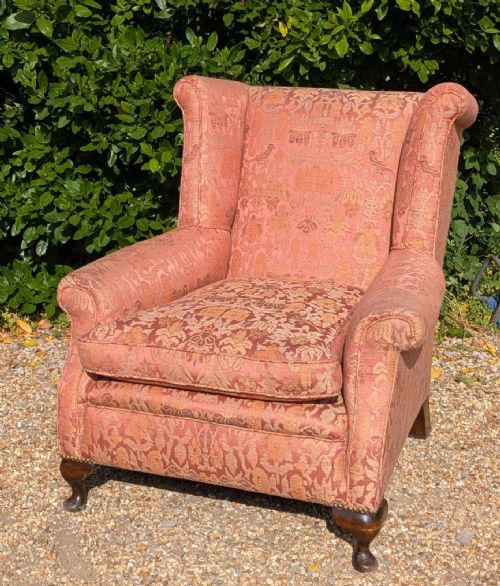
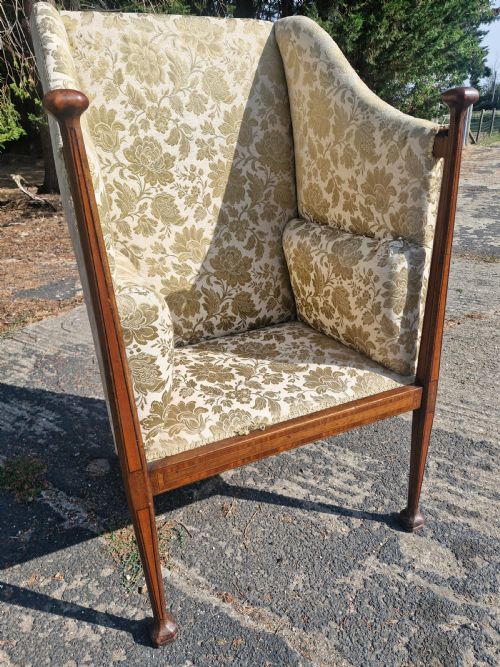
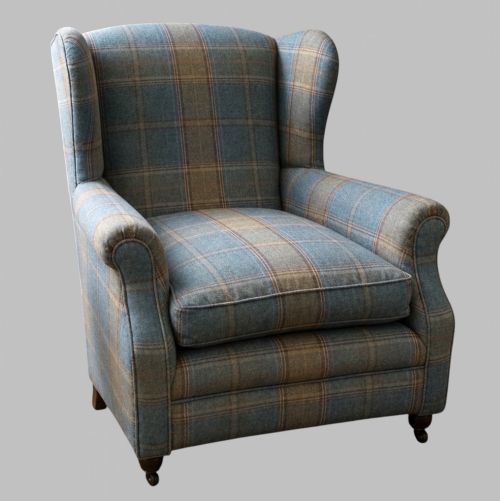
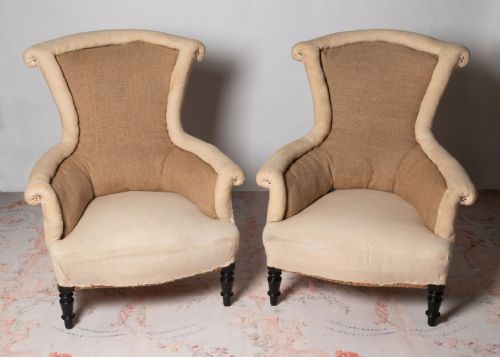
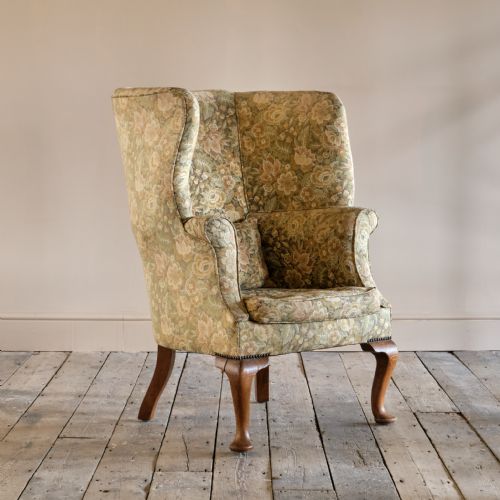
A high back lounge chair provides an elevated backrest designed for repose, frequently taking the form of a wing armchair or upholstered easy chair. These pieces emerge across the nineteenth and early twentieth centuries, drawing on earlier styles like Queen Anne Revival and Georgian designs.
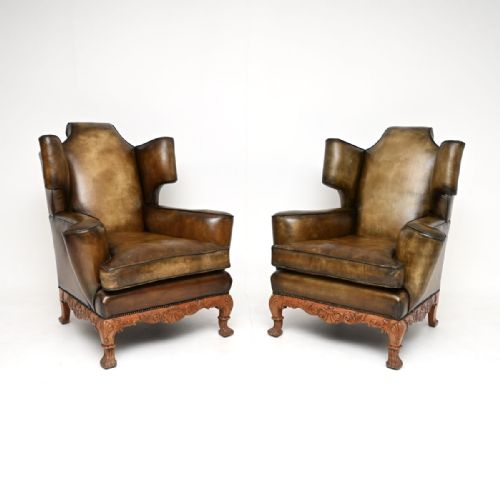
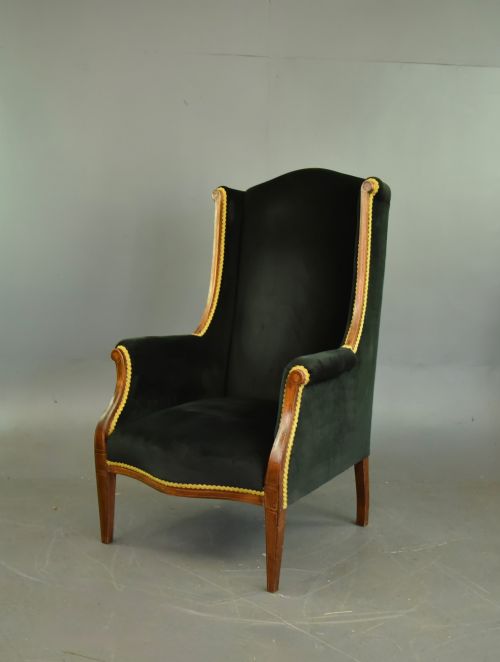
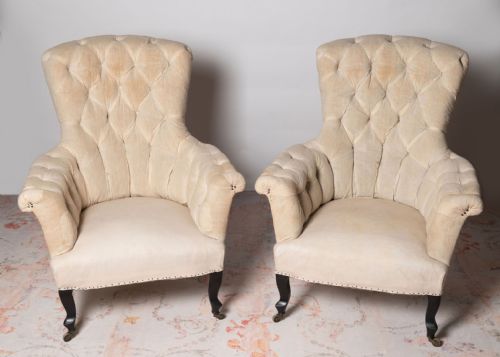
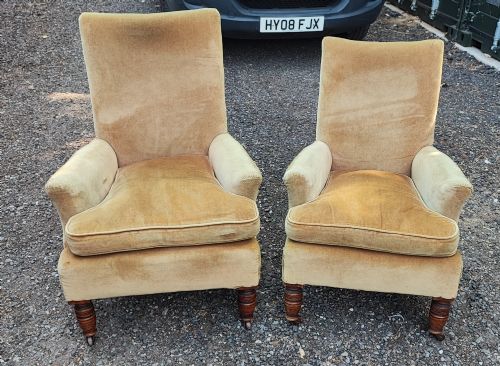
The most common examples on this page are nineteenth-century and Edwardian walnut or mahogany frames, alongside later iterations upholstered in leather, velvet, or plaid fabric. Buyers encounter both single pieces and pairs, ranging from straightforward library chairs to more elaborate scroll arm forms.
How they were made
Frames are constructed from hardwoods such as mahogany, oak, and walnut, providing a sturdy skeleton that often incorporates inlaid details or carved elements. Joinery relies on traditional methods to support the weight and movement inherent in a large seating form.
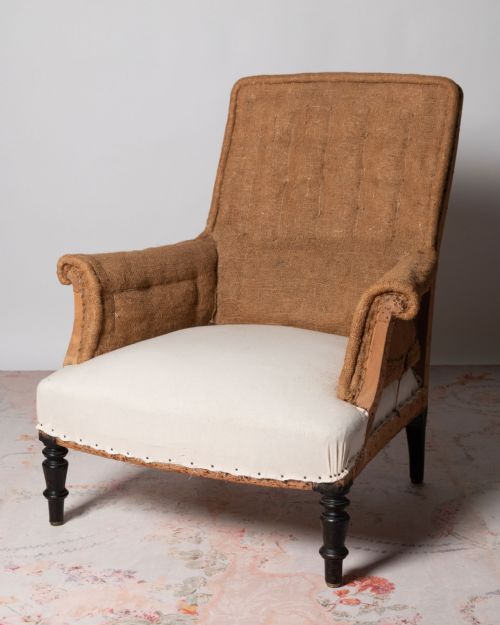
Upholstery techniques involve traditional stuffing and springing, paired with outer coverings of leather, velvet, or woven fabric. Brass accents sometimes appear on castors or nailhead trim, completing the construction of these substantial seats.
High Back Lounge Chair Retail Price Guide 2026
Typical asking prices for high back lounge chair among the pieces listed under this phrase on Sellingantiques today, from the lower quarter to the upper quarter. They describe what is for sale here now, not the wider market.
Listings feature hardwood frames in mahogany, oak, and walnut, paired with upholstery materials including leather, velvet, and woven fabric.
What varies in quality
The integrity of the underlying hardwood frame and the fidelity of revival styling dictate the structural caliber of each piece. Frames retaining their original timber integrity and balanced proportions stand above those with compromised structures.
The standard of upholstery materials and execution marks the distinction between ordinary seating and finer examples. Pieces retaining high-grade leather, rich velvet, or thoughtful period-appropriate fabric display superior craftsmanship.
Whytock and Reid·Howard and Sons
The High Back Lounge Chair Glossary
- Wingback
- A chair style featuring protective side panels attached to the arms and rising to the back. These extensions originally shielded sitters from drafts.
- Barrel back
- A seating form where the backrest curves in a continuous semicircular sweep to form the arms. This creates an enclosed, supportive posture.
- Inlaid
- A decorative technique where contrasting pieces of wood or other materials are inserted into recesses in the primary surface. This adds subtle pattern to mahogany and walnut frames.
- Scroll arm
- An armrest shaped into an outward or inward-curving scroll. This ornamental detail frequently appears on revival pieces.
- Recliner
- A chair equipped with a mechanism or adjustable frame to tilt the backrest. Early examples utilise oak or other wooden frames to achieve this movement.
High Back Lounge Chair: Frequently Asked Questions
Where should I place a high back lounge chair?
Position these substantial pieces in studies, libraries, or spacious sitting rooms where their height and proportions do not overwhelm the floor plan.
They function well beside a fireplace or as a standalone reading seat, offering an intentional focal point in a traditional interior.
How do I identify a Victorian wingback?
Victorian examples typically feature dark timber frames, often walnut or mahogany, combined with deep buttoning or heavy upholstery.
Look for turned wooden legs, sometimes fitted with brass castors, alongside the characteristic high protective wings.
Are these chairs comfortable for daily use?
Many Edwardian and later pieces incorporate sprung seats and supportive padding designed for extended periods of relaxation.
Earlier iterations may feel firmer depending on the stuffing materials used in their construction and subsequent reupholstery.
What is the difference between Georgian and revival styles?
Authentic Georgian chairs date to the eighteenth century, showing period-specific construction methods and wear commensurate with their age.
Revival pieces, appearing later in the nineteenth and twentieth centuries, imitate these earlier aesthetic forms using contemporary workshop practices of their own time.