


Vintage Wingback Seat
A vintage wingback seat brings deep comfort and traditional presence to a room, offering high sides that block draughts and cradle the sitter.
Vintage Wingback Seat
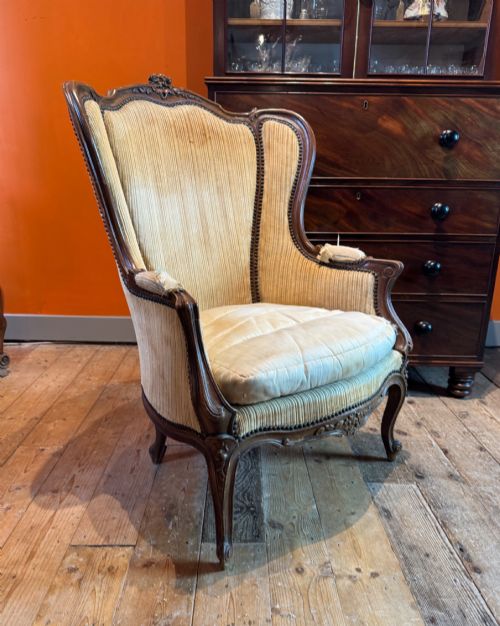
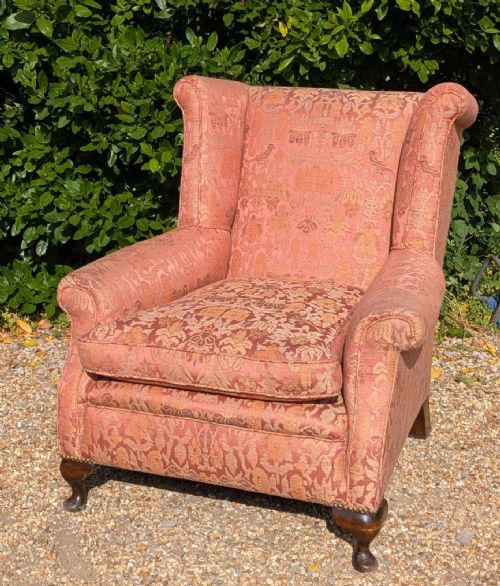
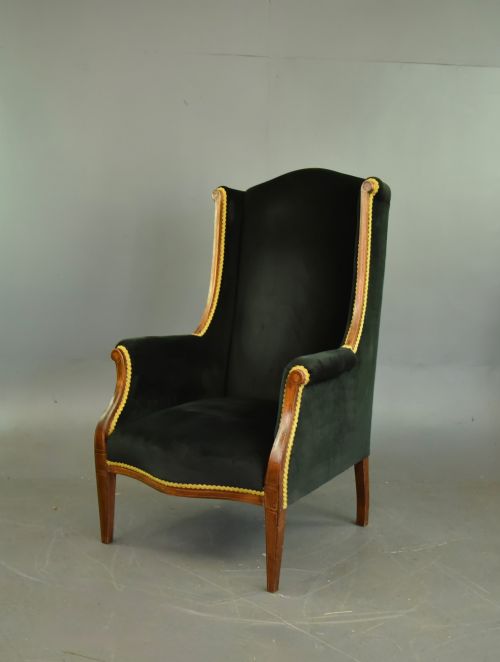
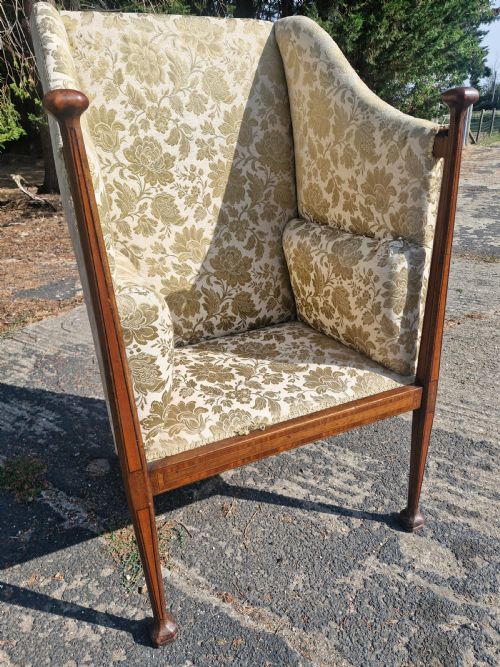
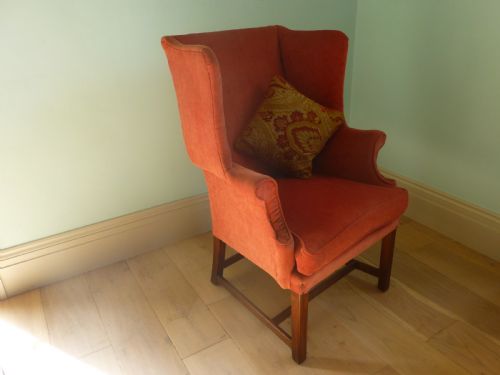
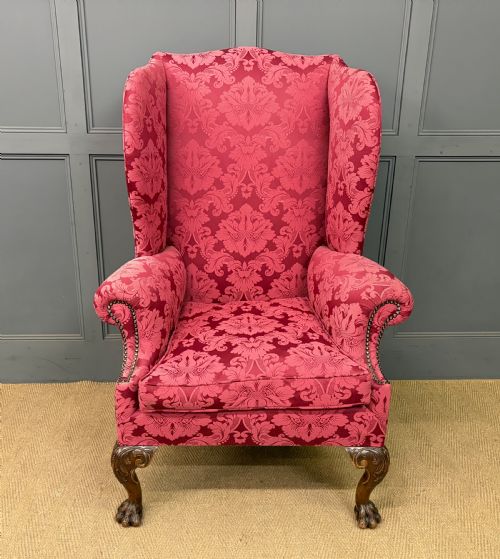
A vintage wingback seat serves as a traditional fireside piece designed to shield the occupant from cold room draughts while holding heat close to the body. Buyers seeking a vintage wingback seat will encounter examples spanning the eighteenth century through to the nineteen-thirties, reflecting stylistic revivals from Queen Anne to Georgian and Edwardian periods.
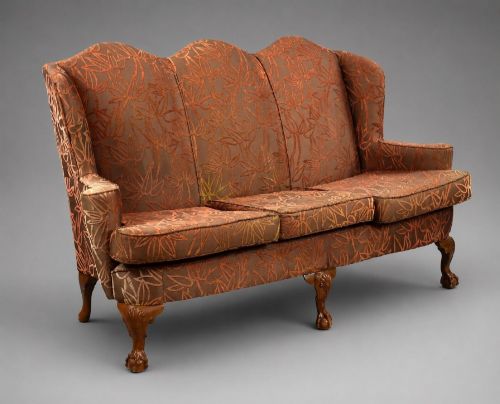
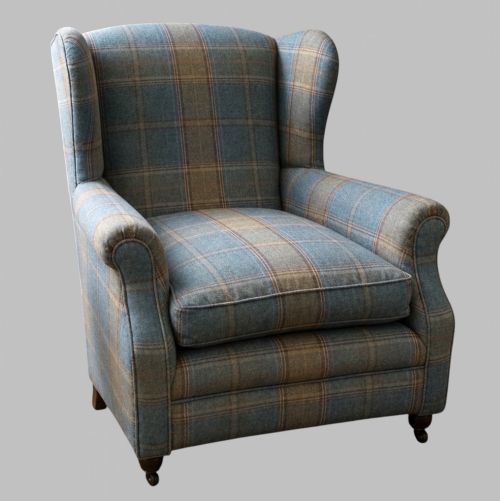
The selections on this page range from compact library chairs and lambing chairs to larger upholstered armchairs and multi-seat sofas. Walnut, mahogany and mixed hardwoods form the structural frames beneath textiles such as velvet, leather, wool plaid, chenille and ticking fabric.
Materials and construction methods
Makers constructed the structural frames of these seats using solid timbers including walnut, mahogany and assorted hardwoods, often featuring exposed cabriole or straight legs. Joinery relied on traditional methods to ensure rigidity under heavy daily use.
Upholstery layers incorporated traditional stuffing materials, feather fillings and supportive springing systems, finished with hand-tacked textiles like leather, velvet, patterned wool and heavy cotton twill. Inlaid woodwork and decorative brass detailing frequently accented the frames of finer pieces.
Listings feature frames shaped from walnut, mahogany, brass, and diverse hardwoods alongside coverings of velvet, leather, and wool plaid.
Assessing quality and craftsmanship
Quality also shows in the depth and resilience of the upholstery work, from feather-filled cushions to tightly tensioned hide or velvet coverings. Finer examples retain their original structural lines and period textile finishes without sagging or heavy timber replacement.
Whytock & Reid·Howard & Sons·Gillows
The Vintage Wingback Seat Glossary
- Wingback
- An armchair featuring projecting side panels designed originally to deflect cold air away from the head and shoulders. These protective flaps define the classic fireside silhouette.
- Cabriole leg
- A furniture leg that curves outward at the knee and tapers inward toward the foot, frequently ending in a pad or claw shape. This form became popular during the Queen Anne and Georgian periods.
- Bergere
- An enclosed upholstered armchair with wooden framing visible around the sides and back, typically originating from French design traditions. The style emphasises elegance alongside comfortable seating.
- Ticking
- A tightly woven, durable cotton or linen fabric traditionally used to contain feather or down fillings within upholstered furniture. Its striped pattern remains a hallmark of traditional utility.
- Hide
- Untanned or dressed animal skin utilised as a heavy-duty upholstery material for chairs and sofas. Over time, quality hide develops a rich, supple patina.
Vintage Wingback Seat: Frequently Asked Questions
What defines a vintage wingback seat?
A vintage wingback seat is characterised by high backrests and extended side panels, known as wings, which were originally engineered to trap heat from a fireplace and block draughts.
These pieces draw on historic styles including Queen Anne, Georgian and Edwardian designs, combining sturdy timber frames with deep upholstery.
How were these chairs originally used?
People placed these seats near hearths and in libraries to provide warmth and secluded comfort during colder months.
The enclosed sides offered privacy for reading or resting while keeping the sitter protected from chilly household air currents.
How do I care for leather upholstery?
Leather upholstery requires regular dusting and occasional treatment with appropriate conditioning balms to maintain flexibility and prevent the hide from drying out.
Keeping the material away from direct sunlight and heat sources protects the natural finish and preserves its age-related character.
How can I tell different periods apart?
Distinguishing periods relies on observing leg shapes, wood choices and upholstery styles, such as the cabriole legs of earlier revivals compared to straight Edwardian framing.
Fittings, timber patination and construction techniques further help narrow down whether a piece originates from the eighteenth, nineteenth or early twentieth century.