
Traditional Wing Chair
A traditional wing chair offers deep-seated comfort and draught protection, making it a staple of the English country house.
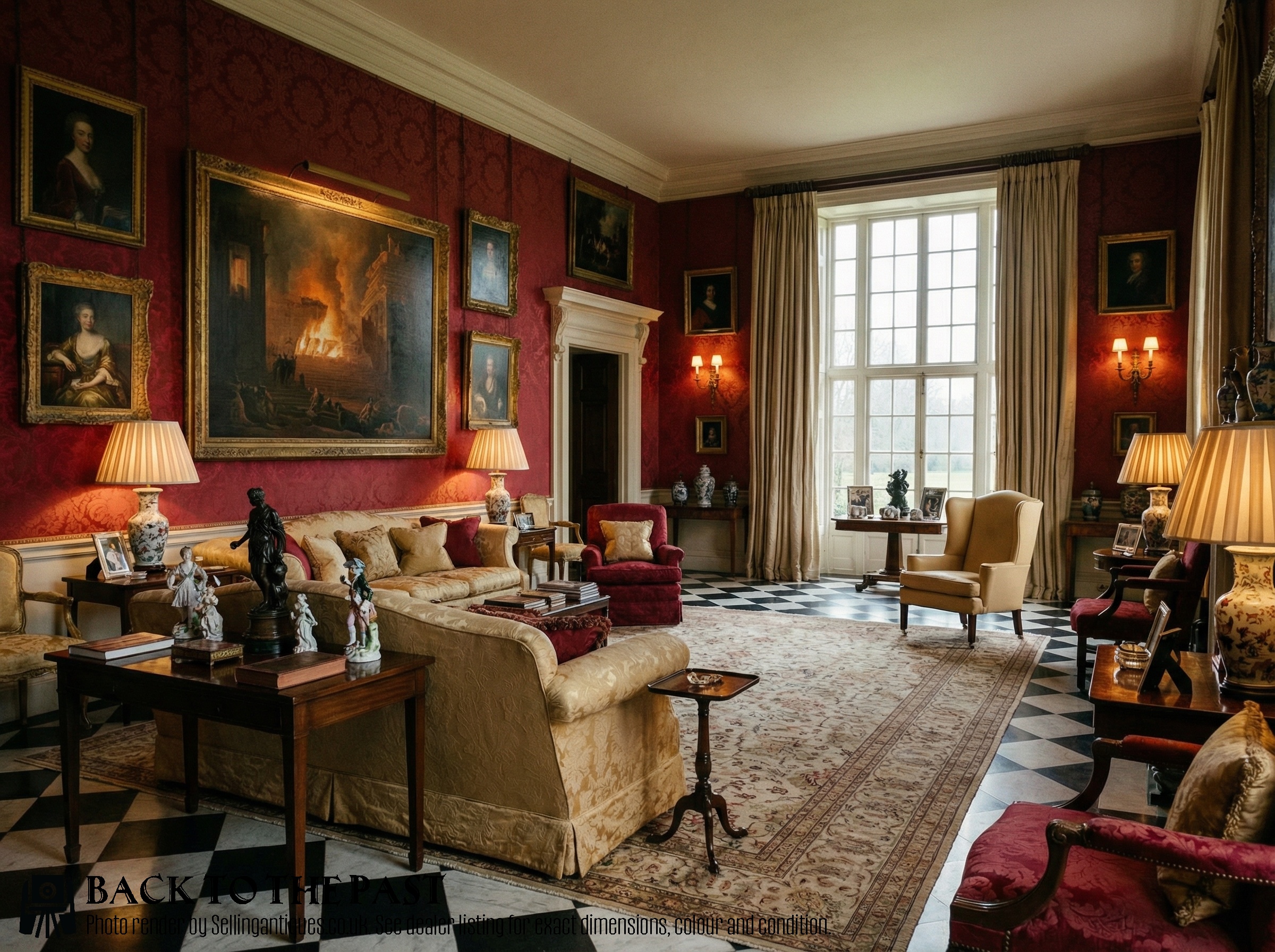
What traditional wing chairs are
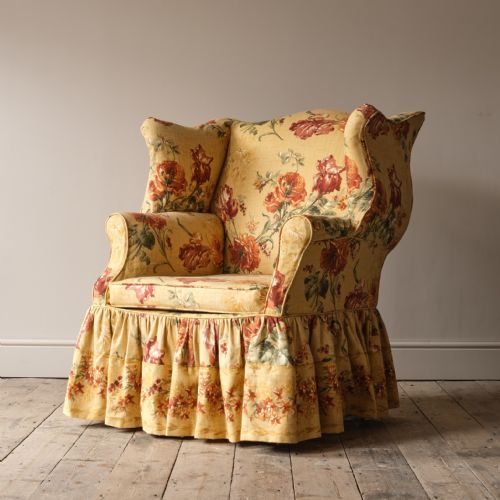
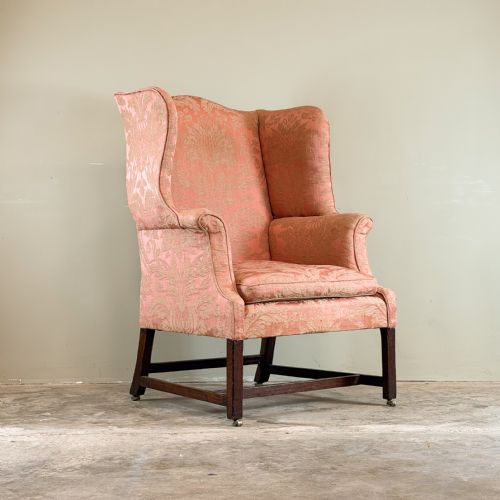
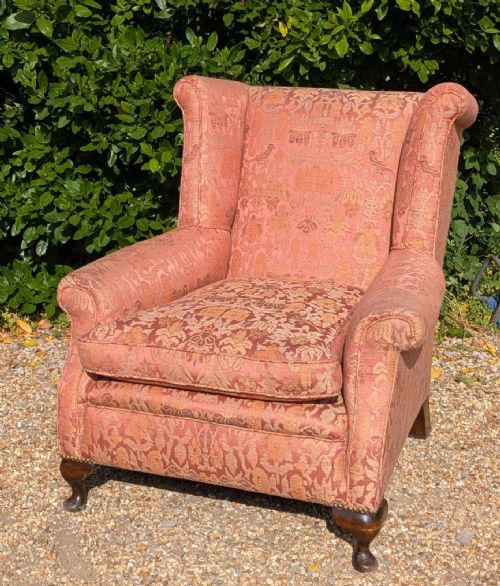
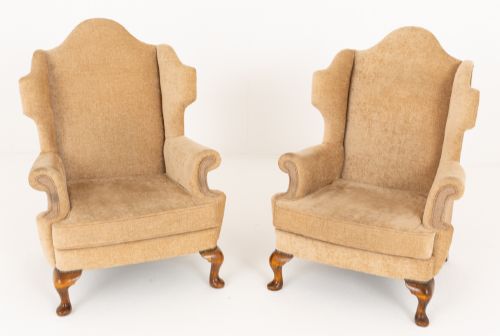
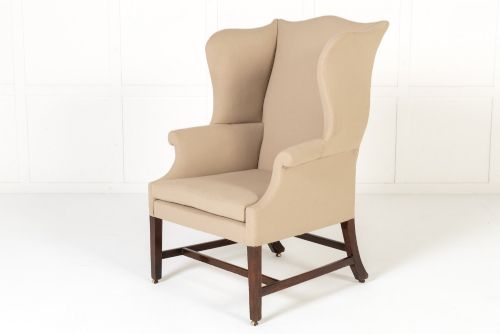
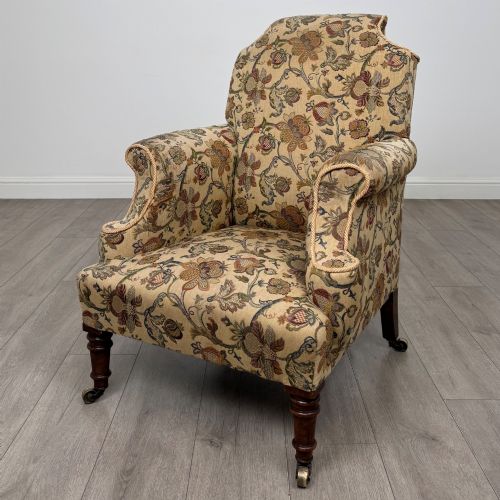
When you search for a traditional wing chair, you encounter a selection of seating dating from the nineteenth and early twentieth centuries, including Victorian and Georgian style examples. These pieces typically feature high backs and characteristic side panels designed to deflect cold air away from the occupant.
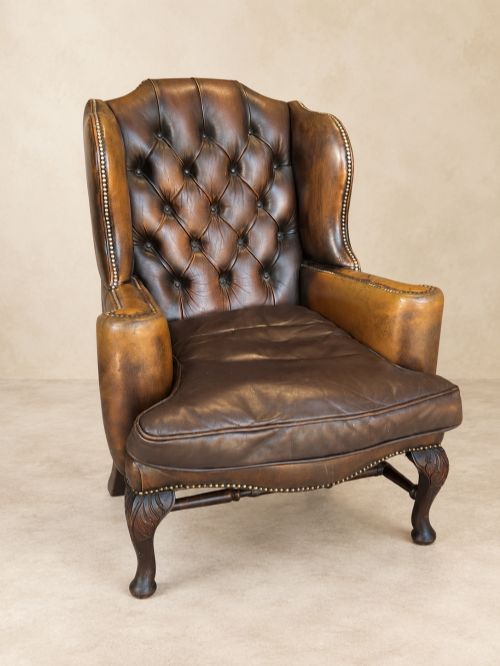
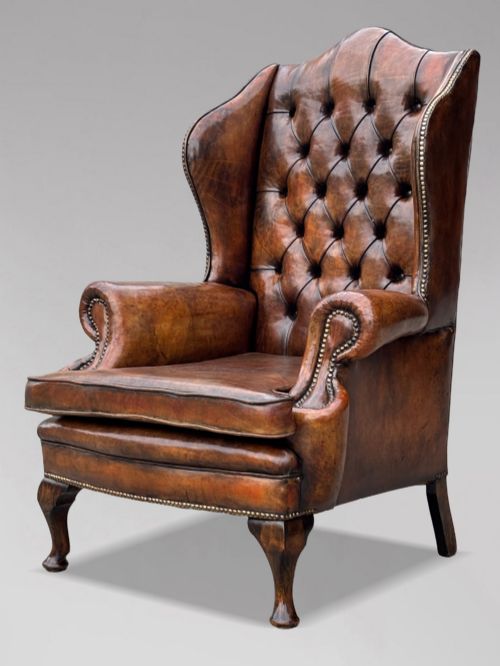
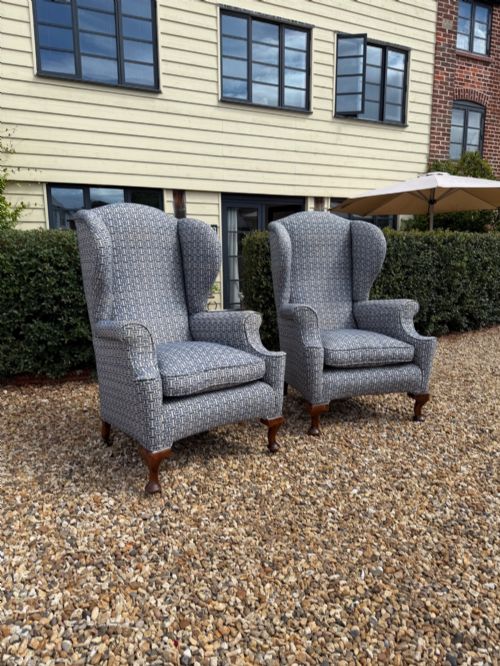
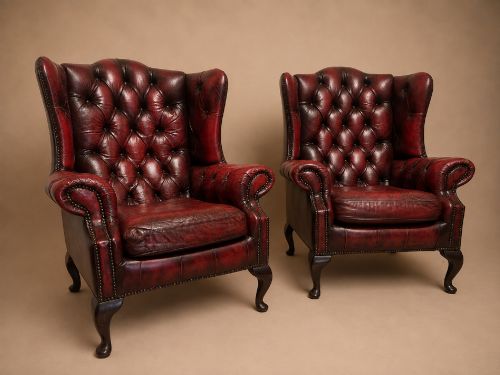
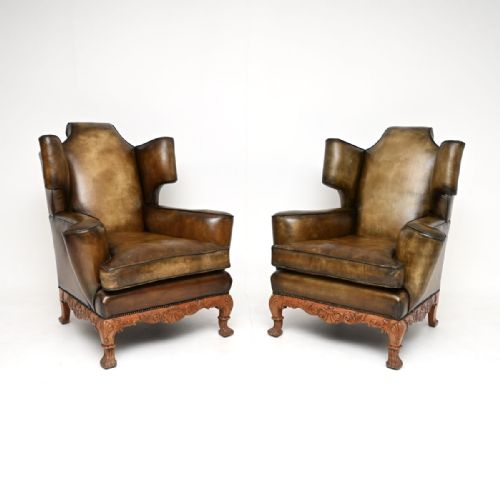
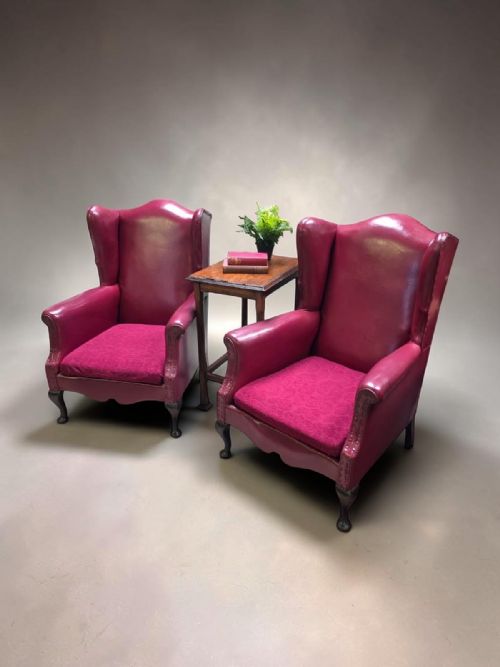
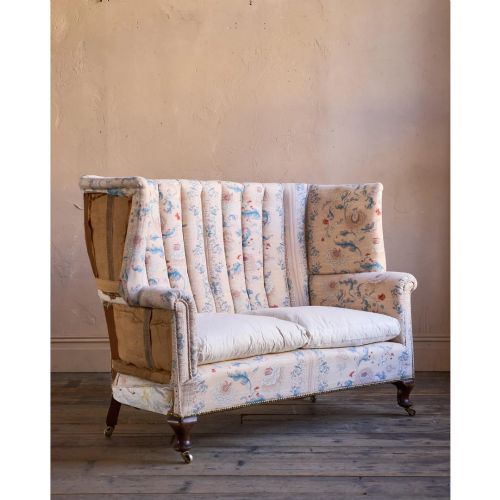
The inventory on this page shows armchairs spanning several decades, from early Victorian creations to pieces dated around nineteen-thirty. Forms vary from simple calico and linen covers to fully finished leather upholstery.
Origins span standard nineteenth-century workshops up to named makers such as Thomas Sopwith of Newcastle. Buyers frequently meet pieces finished in mahogany wood with brass detailing.
How they were made
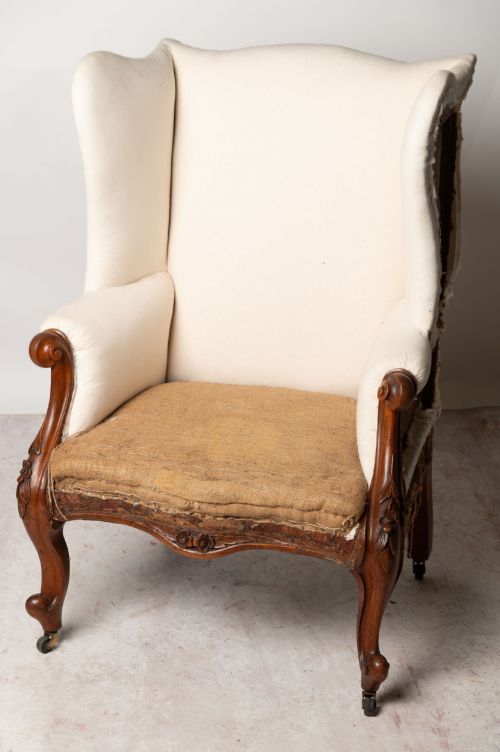
Construction relies heavily on sturdy timber frameworks, predominantly utilising mahogany and general hardwoods. Joinery supports the heavy upright structure required to sustain the high winged back.
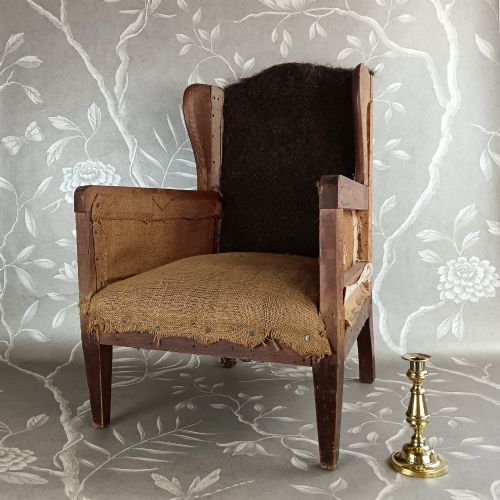
Upholstery methods involve traditional stuffing techniques, often incorporating feather fill for seat cushions. Outer coverings range from plain calico and linen to robust leather and various decorative fabrics.
Retail Price Guide 2026
Typical UK retail prices for traditional wing chair, calculated from the Sellingantiques database of over a million retail prices indexed since 2003. This retail price guide relies exclusively on Sellingantiques data; no external sources or auction records are used, so the figures do not describe the wider market.
The wings on these chairs once doubled as private acoustic chambers for eavesdropping on family gossip.
What varies in quality
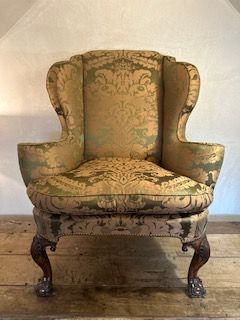
Quality rests upon the integrity of the frame construction and the refinement of the woodwork, such as carved ball and claw feet. Pieces utilising dense mahogany and traditional stuffing demonstrate superior craftsmanship compared to simpler builds.
The execution of the leather or fabric upholstery and the provenance provided by makers like Thomas Sopwith elevate certain examples above standard nineteenth-century production.
Thomas Sopwith of Newcastle
The Traditional Wing Chair Glossary
- Wing back
- A high-backed armchair featuring projecting side panels designed to retain heat from a fireplace. This form originated in the seventeenth century and remained popular through the Victorian era.
- Calico
- A plain-woven cotton fabric frequently used as an initial upholstery layer or under-cover on antique seating before the final decorative textile is applied.
- Ball and claw
- A type of furniture foot depicting a bird's talon grasping a ball, commonly carved into timber legs during the Georgian and later revival periods.
- Feather fill
- Internal cushioning material consisting of natural feathers, providing a softer seat than purely vegetable fibre or hair stuffing.
Frequently Asked Questions
What is a traditional wing chair?
A traditional wing chair is a high-backed armchair featuring side panels designed to protect the sitter from draughts near a fireplace.
Surviving examples on this market page date from the nineteenth century up to nineteen-thirty, reflecting Victorian and Georgian style influences.
How do I date a wing chair?
Dating relies on examining the timber frame, upholstery materials, and overall proportions of the armchair. Victorian pieces often display distinct mahogany framing and traditional stuffing methods.
Archival pieces from the period also highlight specific foot carvings, such as ball and claw designs, which help determine the era of manufacture.
What materials were used?
Makers primarily used mahogany and other solid woods to construct the structural frames of these armchairs. Brass details and carved wooden elements frequently appear on the legs.
For comfort, interiors rely on feather fill, while outer coverings range from leather and linen to standard calico upholstery.
How do I live with one?
Placing a traditional wing chair in a study, drawing room, or near a fireplace provides an authentic period focal point. Leather and fabric versions suit various interior schemes.
Maintenance involves gentle care of the timber frame and periodic professional attention to the traditional upholstery materials.