


Yellow Wingback Chair
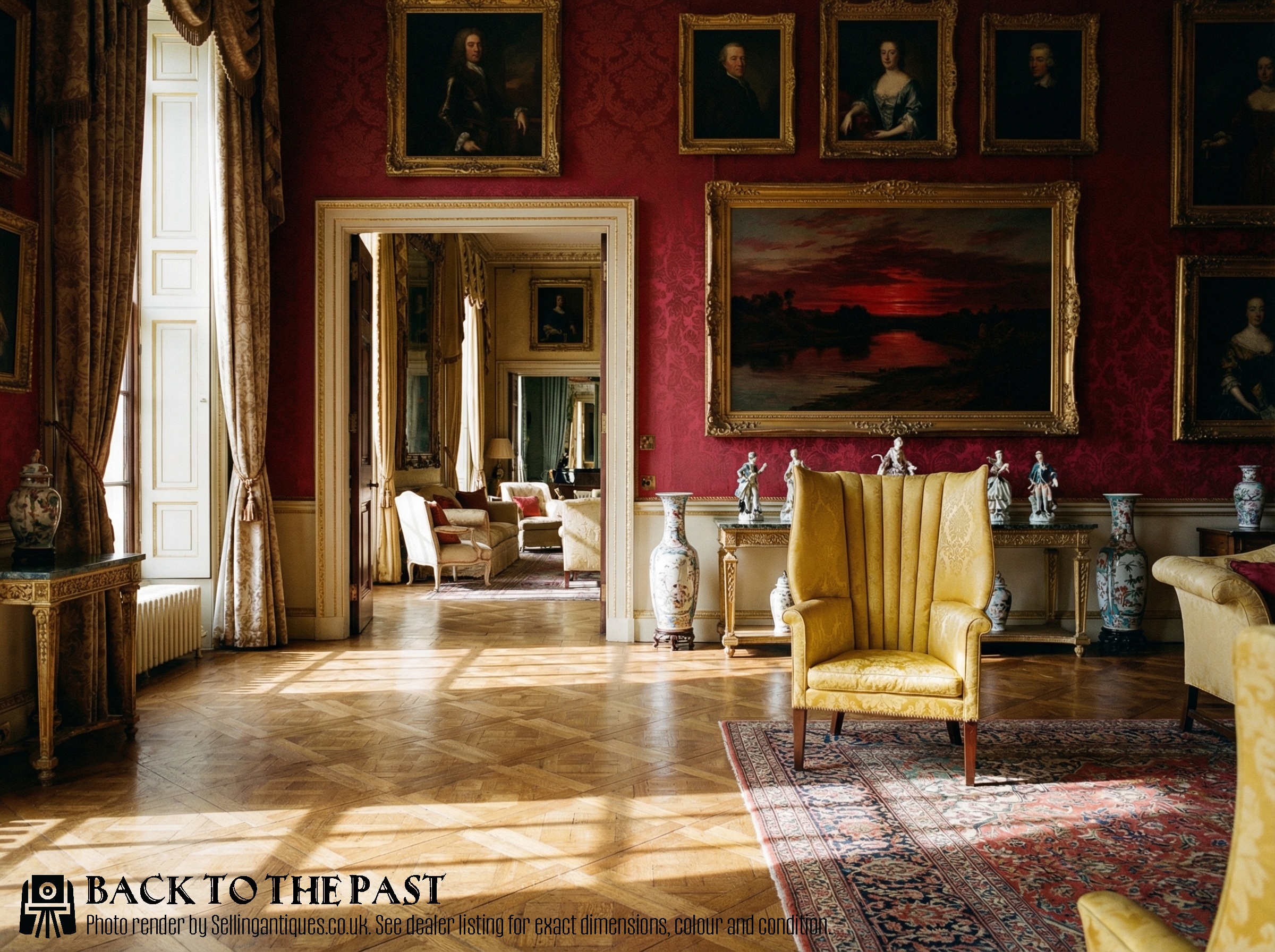
A yellow wingback chair brings warmth and traditional comfort to a room, offering deep seating and protective side panels.
Yellow Wingback Chair
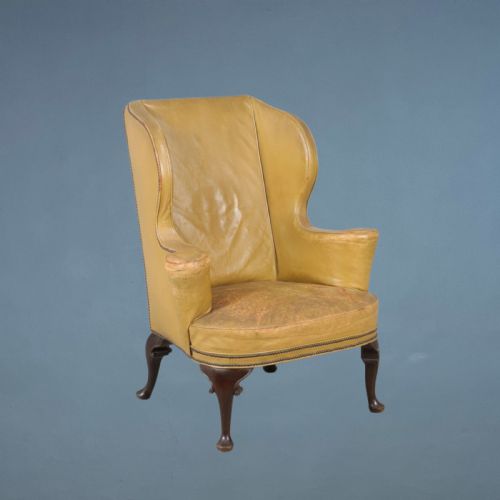
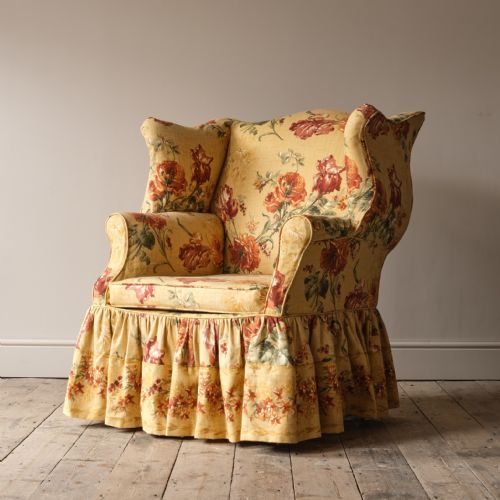
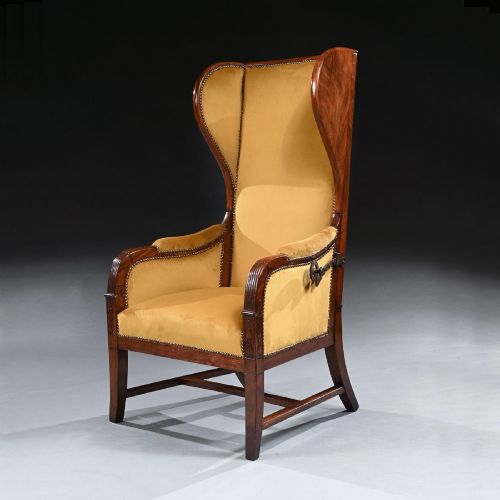
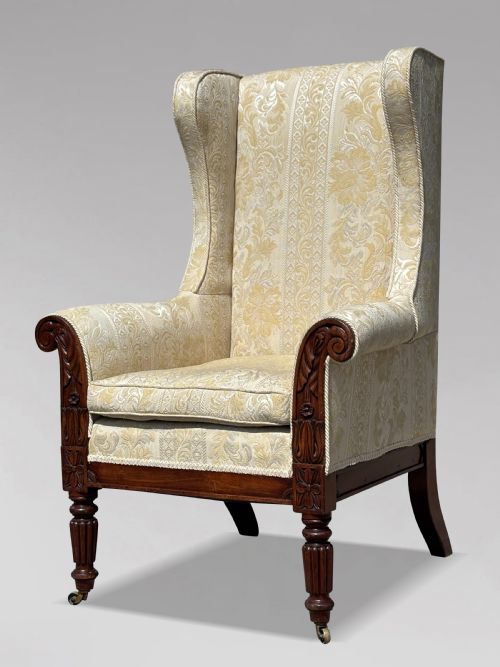
A yellow wingback chair encompasses classic upholstered seating designed to shelter the sitter from draughts, spanning the 18th century, Georgian, Victorian, Edwardian, and early 20th century periods. Most examples encountered here belong to the Georgian, Victorian, and Edwardian eras, executed in styles ranging from George III and William IV to Queen Anne Revival and French Empire.
These armchairs primarily take the form of large library chairs, barrel back armchairs, and reclining wing back armchairs. The timber frames support substantial padded upholstery covered in leather, fabric, velvet, or damask fabric.
How they were made
Makers constructed the structural frames from mahogany, walnut, and general timber, utilising traditional joinery to support the substantial weight of the upholstered body. Brass detailing occasionally appears on specific forms.
The frames received padding and coverings of leather, velvet, damask fabric, and standard fabric, alongside finely carved wooden elements seen in Irish manner and Georgian examples.
Those protective side wings were originally engineered to trap fireplace heat, proving that historic furniture design took chill management seriously.
What varies in quality
Quality rests upon the crispness of the timber carving, particularly on exposed mahogany frames and legs, and the integrity of the underlying joinery. Earlier pieces from the 18th century demonstrate finer proportions and hand-carved detailing compared to later revival iterations.
The choice and execution of the upholstery material, whether supple leather, heavy velvet, or patterned damask fabric, alters the visual weight and tactile presence of the armchair.
The Yellow Wingback Chair Glossary
- Wingback
- An armchair featuring protective side panels attached to the arms and framing the head to deflect draughts. These panels define the classic silhouette.
- Mahogany
- A durable hardwood commonly utilised for the frames and legs of 18th and 19th-century seating. It allowed for sharp carved details.
- Damask
- A reversible figured fabric traditionally utilised for heavy upholstery. It displays woven patterns that catch the light.
- Georgian
- The period spanning the reigns of the four British monarchs named George, noted for distinct furniture designs. Pieces from this era often feature substantial proportions.
- Barrel back
- An armchair style where the back rail curves continuously into the arms in a circular sweep. This form offers an enclosed seating experience.
Yellow Wingback Chair: Frequently Asked Questions
Where did wingback chairs originate?
These chairs developed in domestic interiors to protect sitters from cold draughts around fireplaces.
The high back and side wings trapped heat and added comfort before central heating existed.
How do I date a wingback chair?
Dating relies on examining the timber frame construction, leg style, and secondary woods.
Earlier 18th-century examples show different stretcher arrangements and carving techniques compared to Victorian and Edwardian revivals.
Are these chairs suitable for daily use?
These historic armchairs function well in contemporary living spaces when placed thoughtfully.
Their substantial proportions make them ideal reading seats in studies or libraries.