


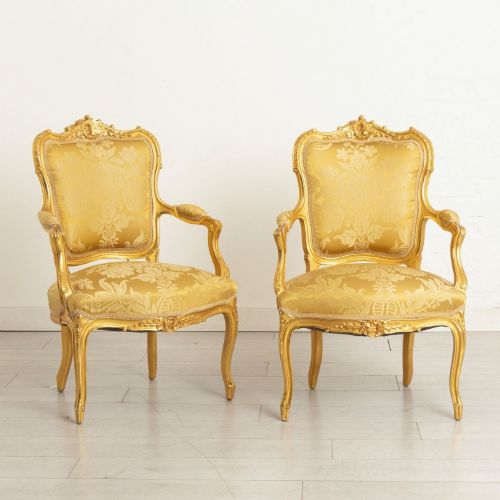


Yellow Accent Chair
A yellow accent chair brings a sharp, lively punch of colour to a room, drawing the eye straight to a distinct period seat.
Yellow Accent Chair
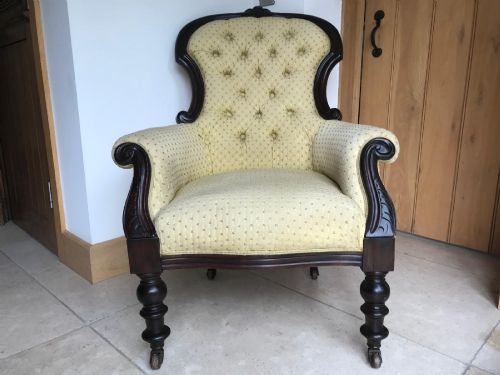
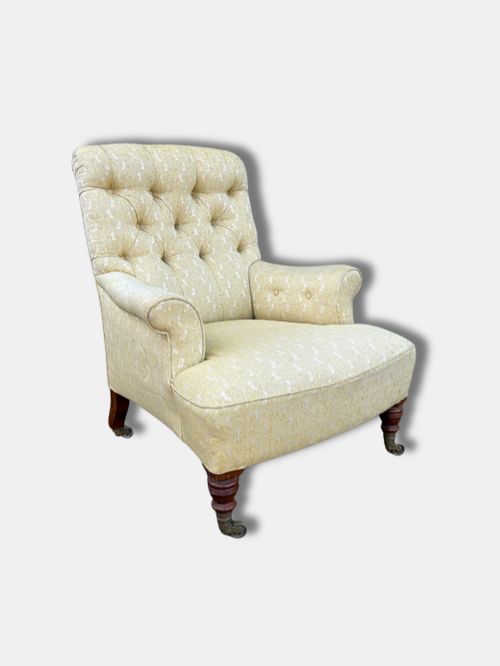
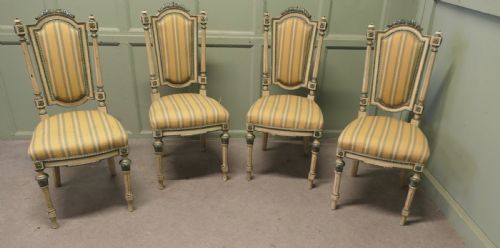
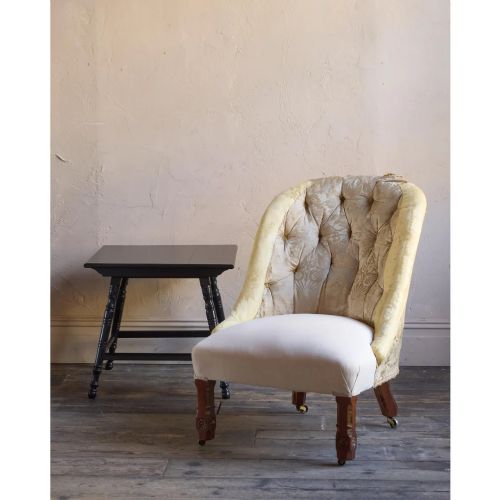
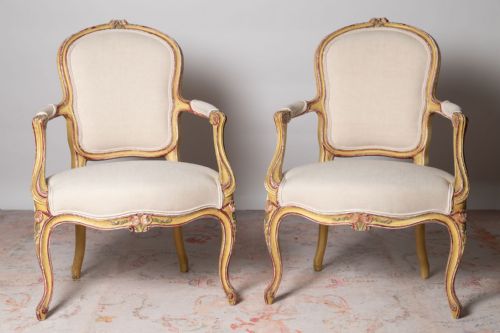
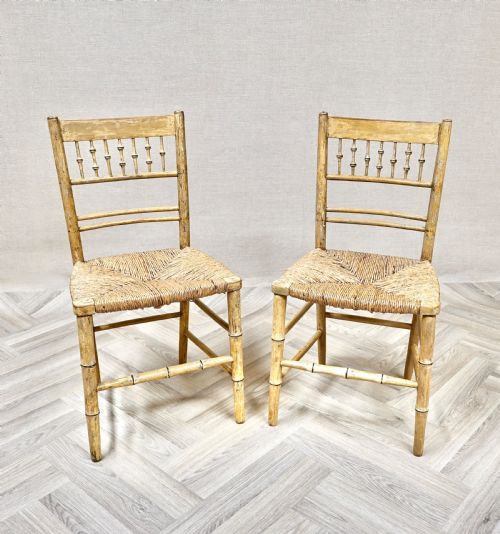
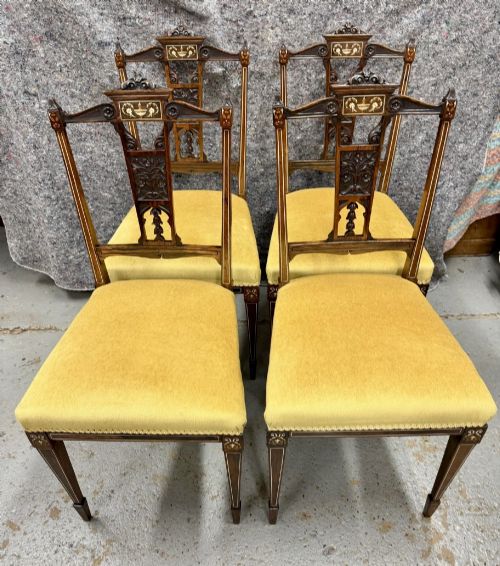
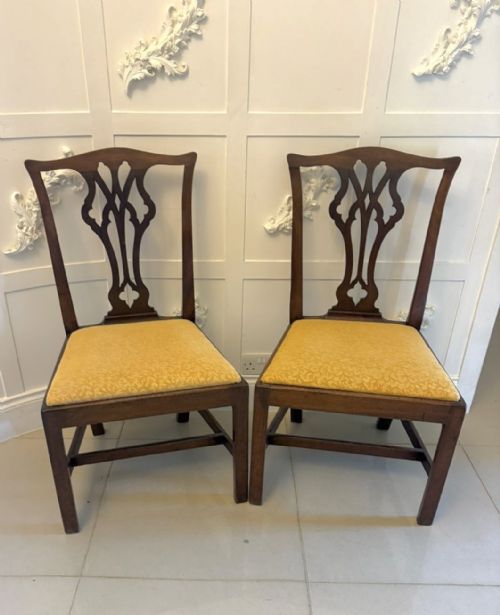
A yellow accent chair takes many forms across this selection, from upholstered Victorian nursing chairs and Edwardian armchairs to French fauteuils and walnut side chairs. Buyers seeking this style encounter diverse seating, including salon chairs, slipper chairs, and low bedroom chairs designed for comfort or decorative impact.
The periods represented span the seventeenth century through to the Edwardian era and early twentieth century, with Victorian and nineteenth-century pieces appearing most frequently. These seats originate from English, French, Italian, and Chinese workshops, offering varied silhouettes such as spoon-backs, barrel backs, and wingbacks.
Frames take shape in mahogany, walnut, rosewood, and painted bamboo, carrying coverings in silk, velvet, damask, linen, and needlepoint tapestry. Such chairs serve to brighten corners, complement neutral upholstery, or anchor a room with a defined historical silhouette.
How they were made
Cabinetmakers shaped the foundational frames of these chairs from dense timbers like mahogany, walnut, and rosewood, often employing turned legs, carved giltwood, or inlaid details. French and English pieces frequently utilised traditional joinery alongside applied brass work or painted surfaces.
Upholstery techniques involved supportive internal webbing and stuffing layered beneath durable outer textiles such as velvet, silk fabric, damask, and needlepoint panels. Many surviving examples retain refreshed textile covers while keeping their historic wooden frames intact.
Listings feature eighteenth-century, Victorian, and Edwardian periods alongside materials including mahogany, walnut, velvet, and damask.
What varies in quality
The distinction between standard examples and superior pieces rests on the crispness of the frame carving, the integrity of the timber, and the balance of proportions. Chairs bearing maker attribution, such as those from Howard and Sons, command greater attention for their documented workshop standards.
Materials dictate much of the character, with fine giltwood, rosewood, or detailed needlepoint panels elevating a piece above simpler utilitarian forms. The harmony between the original frame construction and the quality of the textile upholstery determines the overall presence of the chair.
Howard and Sons
The Yellow Accent Chair Glossary
- Fauteuil
- An open-arm armchair with a wooden frame, originating in France during the seventeenth century. These seats feature upholstered backs and armrests with exposed wood around the borders.
- Nursing chair
- A low-seated Victorian chair designed to allow a person to sit comfortably while tending to an infant. They often feature spoon-backs and castors on the front legs.
- Slipper chair
- A low-slung, leg-upholstered chair traditionally kept in a bedroom for changing shoes. Their compact profile makes them useful as modern accent seating.
- Needlepoint
- A type of canvas work embroidery utilised historically for chair panels and upholstery inserts. It provides a textured, decorative surface using wool or silk threads.
- Carver chair
- An armchair intended for the head of a dining table or as a singular desk seat. These pieces match the style of accompanying dining chair sets while offering armrests.
Yellow Accent Chair: Frequently Asked Questions
Where should I place a yellow accent chair?
These chairs suit corners that require a visual lift, pairing well with neutral walls or dark wooden side tables. Their compact forms, such as slipper chairs and bedroom chairs, fit easily into dressing rooms and smaller reception spaces.
Larger armchairs and wingbacks work effectively beside fireplaces or reading corners where their strong silhouettes anchor the furniture arrangement.
How do I identify a Victorian nursing chair?
Victorian nursing chairs typically feature a low seat height designed for nineteenth-century domestic comfort. They often display spoon-backed upholstered frames supported by turned front legs fitted with castors.
Many examples survive in walnut or mahogany, frequently paired with button-tufted upholstery or replaced velvet and damask covers.
What is the difference between a fauteuil and an armchair?
A fauteuil is a specific French open-arm chair style characterised by exposed wooden framing around the upholstered back and arms. Standard English armchairs of the period often featured fully padded armrests and heavier wooden supports.
Both forms offer structured seating, but fauteuils emphasise carved or painted woodwork as part of the decorative design.
Are these chairs suitable for daily seating?
Period chairs constructed from solid mahogany, walnut, and rosewood remain structurally robust for regular use. Many historic frames have been restored or fitted with new covers to support modern seating habits.
Checking the proportions and frame integrity helps determine whether a specific salon chair or library chair suits heavy daily lounging or lighter decorative placement.