
Lounge Chair
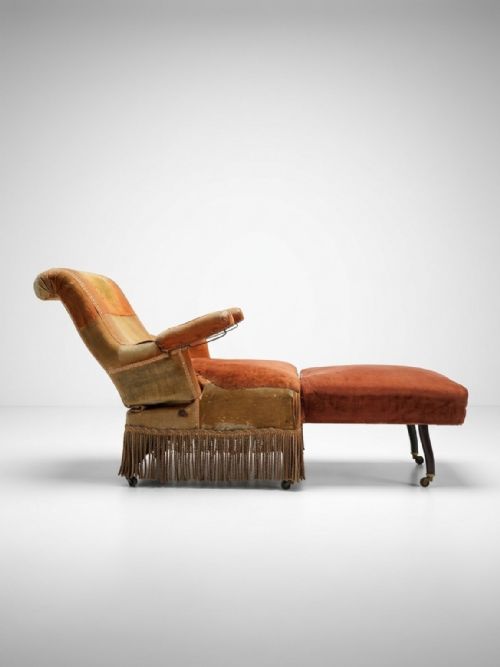
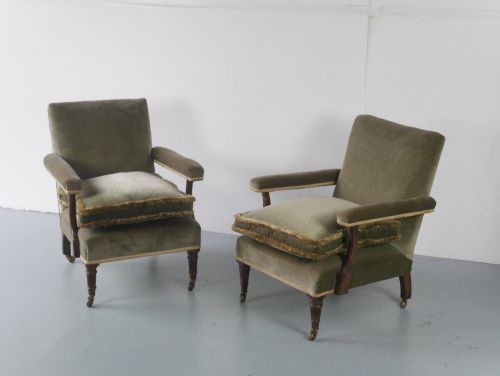
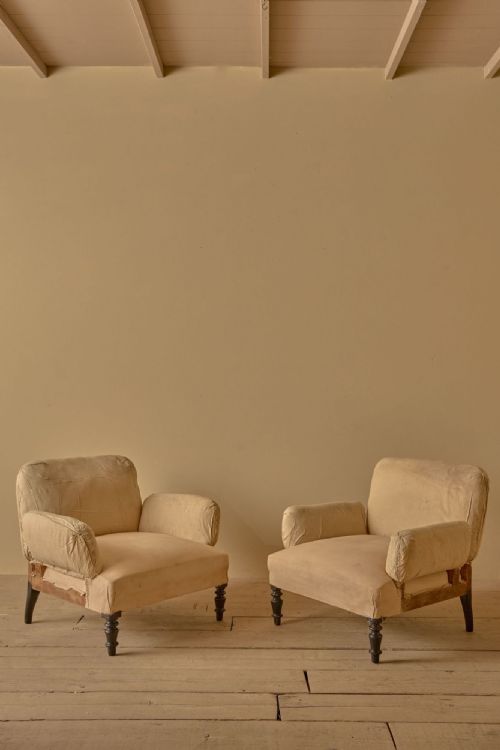
A lounge chair offers deep upholstery and generous proportions for prolonged rest, spanning Victorian button backs to Art Deco club chairs.
Lounge Chair
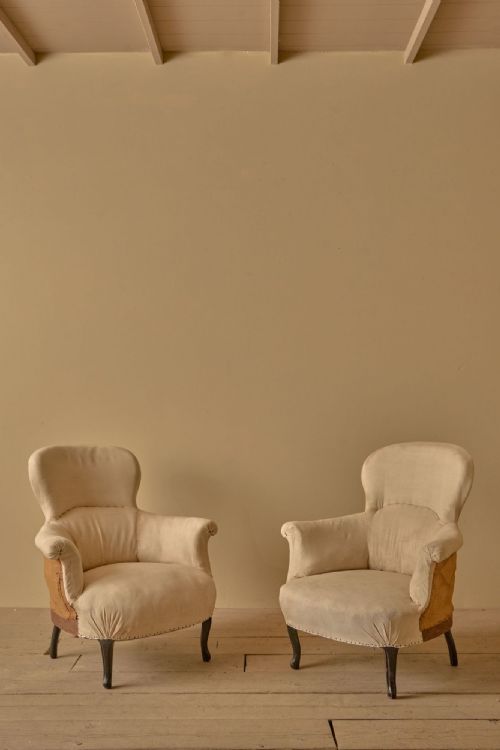
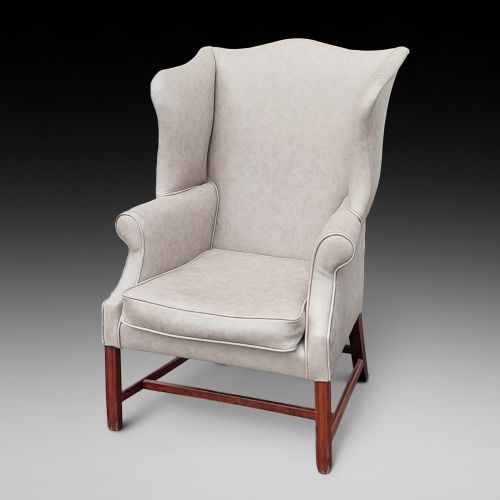
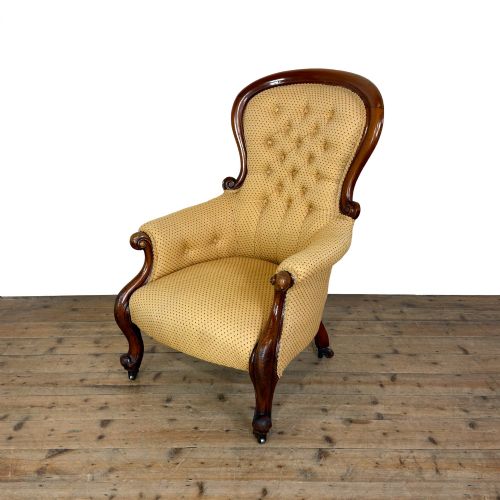
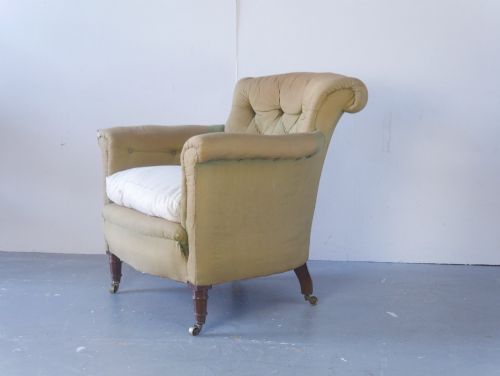
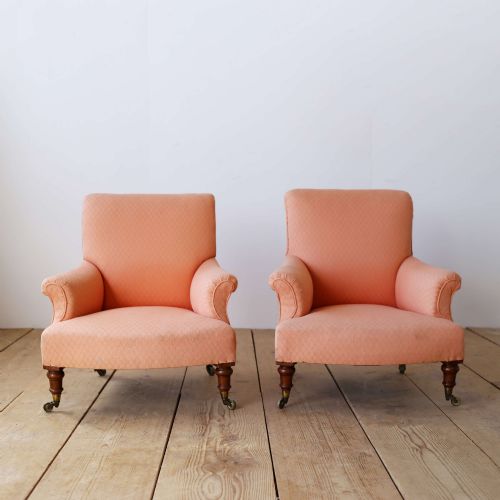
A lounge chair encompasses low seating designed for relaxation, including wing backs, club chairs, and bergères from the nineteenth and early twentieth centuries. These pieces provide substantial support through padded arms, sprung seats, and tilted backs intended for quiet reading or resting.
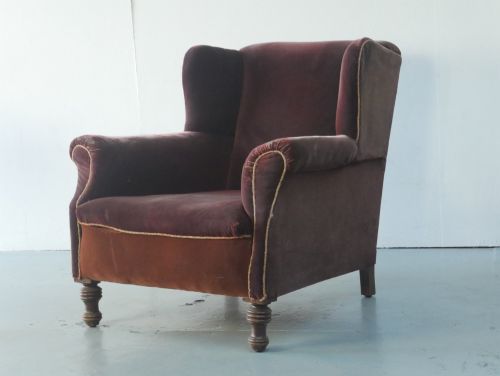
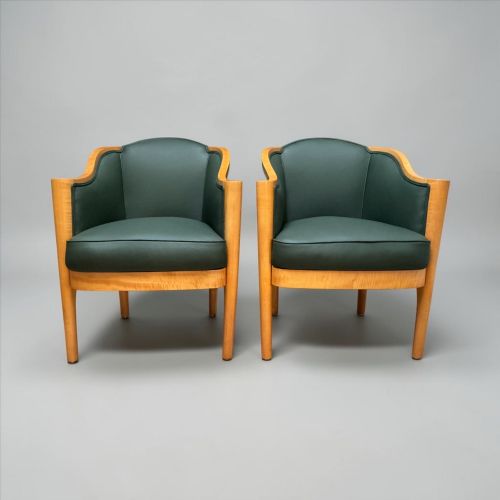
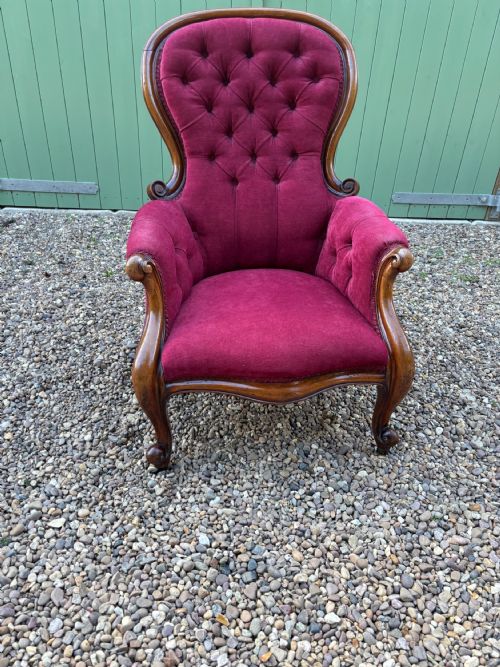
The versions most commonly met here span Victorian upholstered armchairs, Edwardian leather club chairs, and 1930s French leather designs. Makers of the period engineered these seats for domestic comfort, employing hardwood frames beneath heavy coverings.
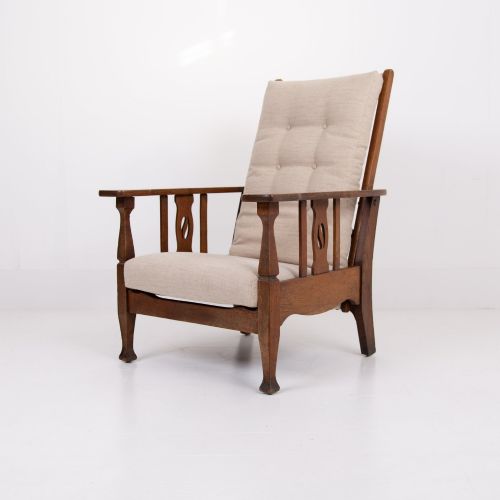
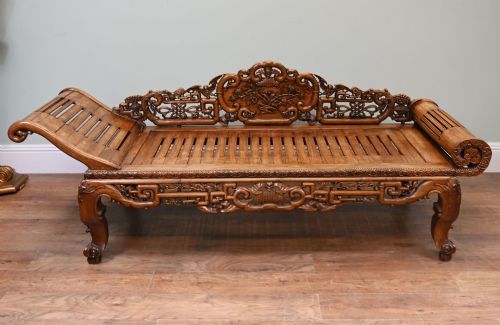
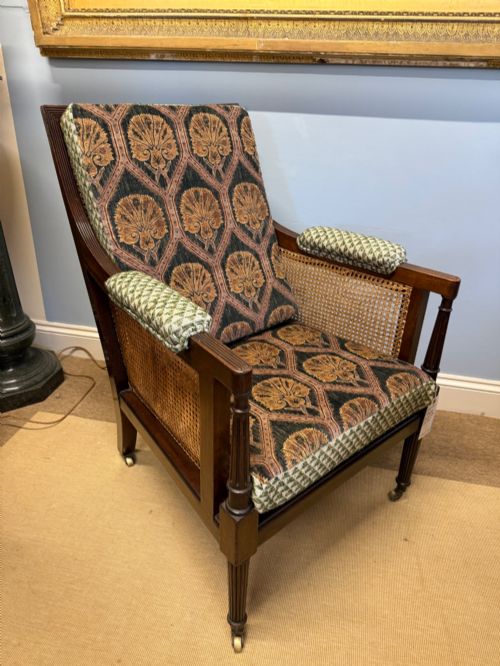
Beyond standard armchairs, related forms like daybeds, chaise longues, and tub library chairs appear across the inventory. Each variation serves the fundamental purpose of prolonged repose while reflecting the stylistic shifts of its decade.
Materials and construction methods
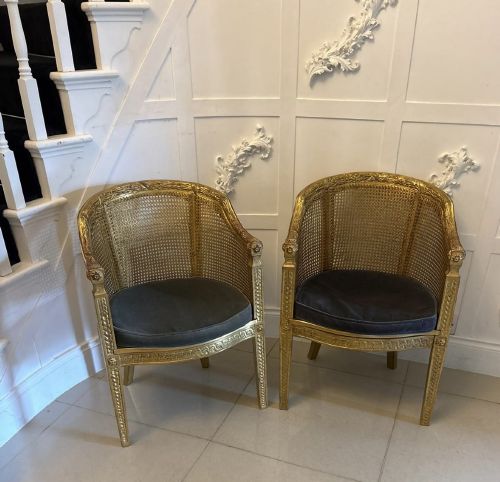
Frames rely upon timbers such as mahogany, oak, walnut, rosewood, and satin birch, chosen for their structural strength under heavy upholstery. Cabinetmakers shaped solid wood and applied cane panels in bergère models to lighten the profile.
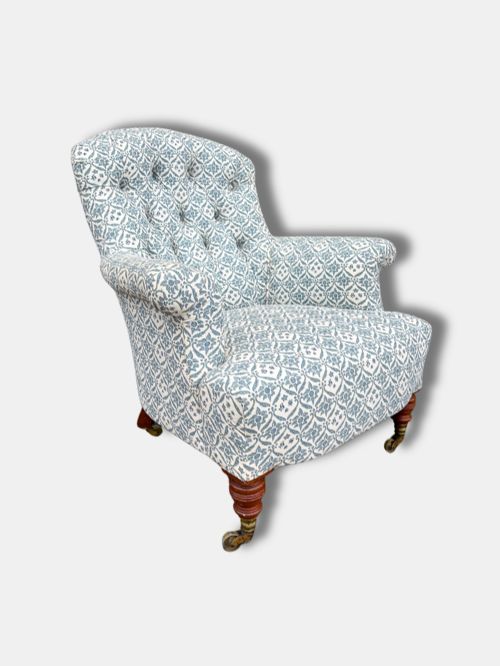
Upholstery techniques involve deep buttoning, sprung seats, and pillow arms filled with traditional stuffing before finishing in velvet, fabric, leather, or brocade. Brass details and carved giltwood accents frequently embellish the outer frames.
Several armchairs retain their original nineteenth-century buttoning, having quietly endured countless afternoons of quiet reading and contemplation.
Judging the standard of a lounge chair
Quality rests upon the integrity of the timber frame and the retention of proper tension in the sprung base and padding. Superior examples maintain firm structural joints and retain their original carved or polished wood surfaces without excessive alteration.
The refinement of the upholstery work, from precise buttoning to the selection of durable leather or heavy fabric, distinguishes higher workshops. Harmony between the scale of the frame and the proportions of the arms defines the success of the design.
Howard and Sons·Maurice Adams·Whytock and Reid
The Lounge Chair Glossary
- Bergere
- An upholstered armchair with enclosed sides, typically filled with cane work or padded upholstery. This French form dates widely through the nineteenth century.
- Club chair
- A deep, comfortable armchair upholstered in leather, originating in French and English clubs during the early twentieth century. These chairs offer broad seats and low backs.
- Wing back
- An armchair with high sides attached to the back, designed to shield the occupant from drafts. The wings extend downward to form the armrests.
- Tub chair
- A curved armchair where the back rail flows continuously into the arms to form a circular enclosure. It provides a compact profile suited to libraries and bedrooms.
- Button back
- An upholstery style where the fabric is pulled tight and secured with deep buttons arranged in a geometric diamond pattern. This technique secures internal stuffing and creates structured ridges.
Lounge Chair: Frequently Asked Questions
How do I identify a Victorian lounge chair?
Victorian examples rely heavily on dark timbers like mahogany and walnut, often featuring buttoned upholstery, turned legs, and deep sprung seats. Their silhouettes tend to be formal and upright compared to later twentieth-century designs.
Look closely at the joinery and the weight of the frame beneath the fabric. The presence of carved details or traditional horsehair stuffing typically confirms nineteenth-century origin.
What defines a French leather club chair?
French club chairs from the 1930s utilise heavy, supple leather stretched over robust frames with low, rounded profiles. They prioritise immediate physical comfort over rigid formality.
The patination of the leather and the substantial width of the armrests separate these pieces from standard armchairs. They sit lower to the floor and invite relaxed posture.
Are these chairs suitable for daily use?
Most antique lounge chairs are built with sturdy hardwood frames and traditional sprung foundations that handle regular sitting well. Many pieces have received updated cushioning while preserving their historic frames.
Checking the internal webbing and support ensures the seat remains stable for everyday living. Proper maintenance of leather or fabric keeps the surface resilient.
How do I care for leather club chairs?
Leather upholstery requires regular dusting and occasional conditioning to prevent the hide from drying out or cracking over time. Keeping the chair away from direct heat sources preserves the natural oils.
A soft dry cloth removes surface debris, while specialist balms maintain the suppleness of vintage leather without altering its colour.