

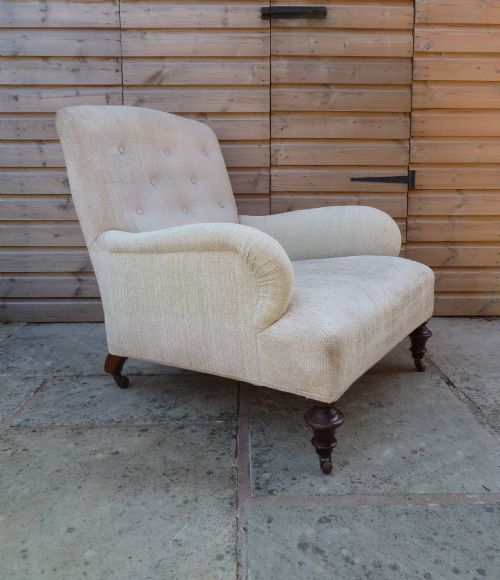
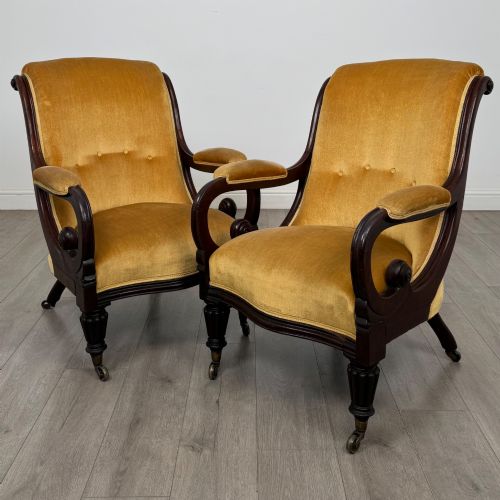
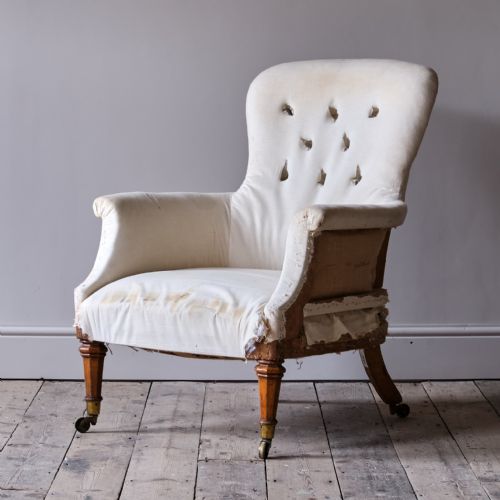
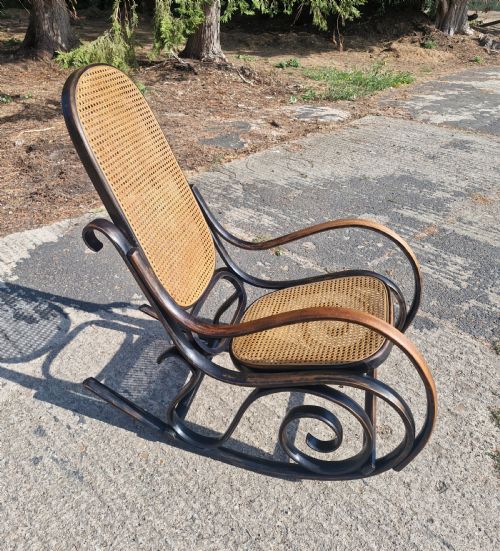
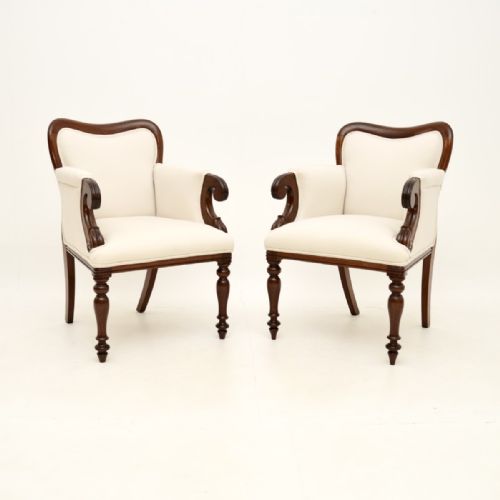
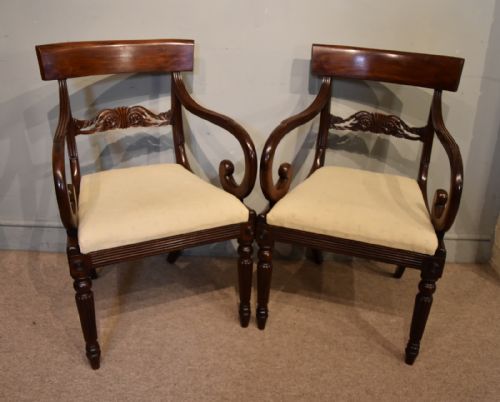
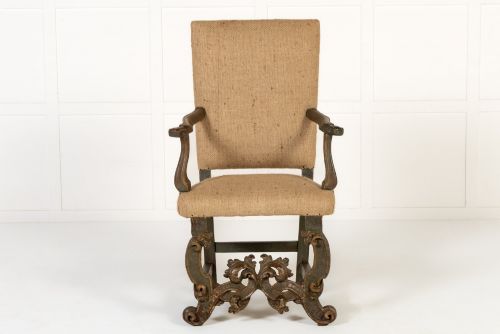
Scroll Arm Chair
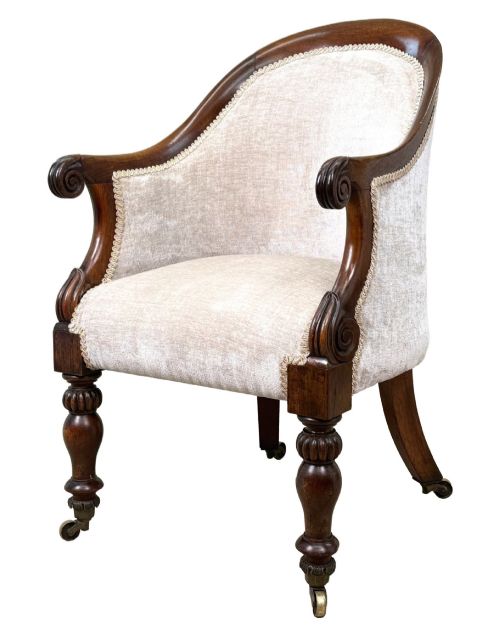
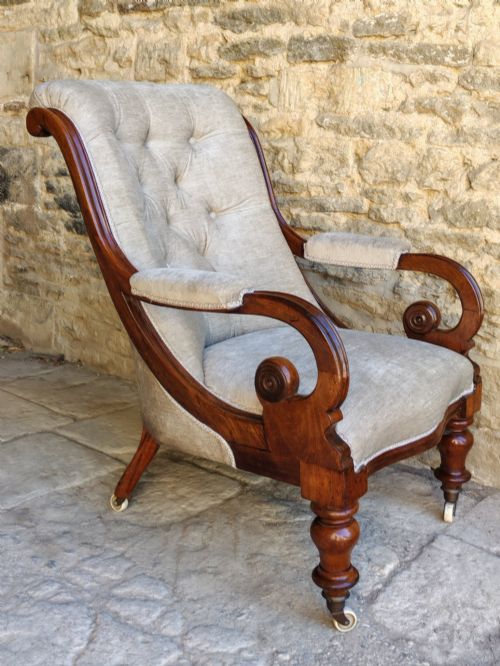
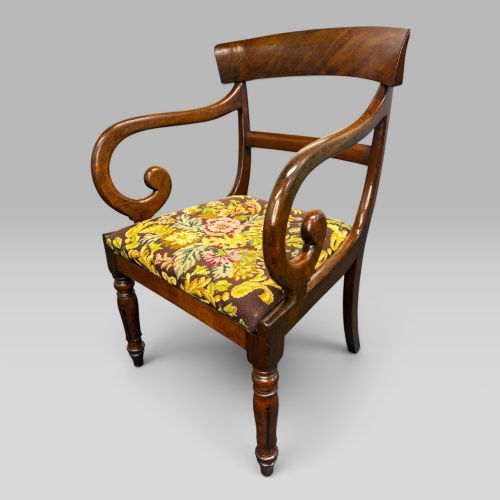
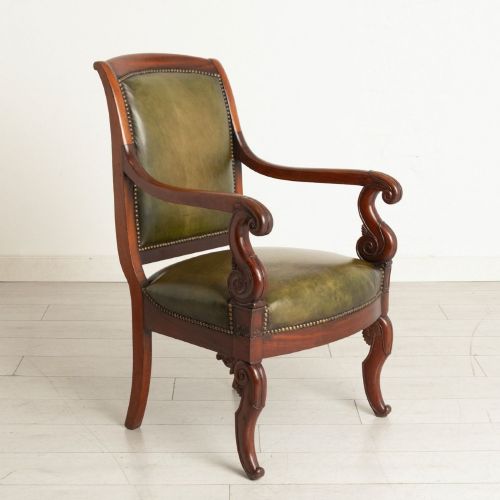
A scroll arm chair is a substantial seating piece defined by its sweeping wooden arms, offering both comfort and strong architectural presence.
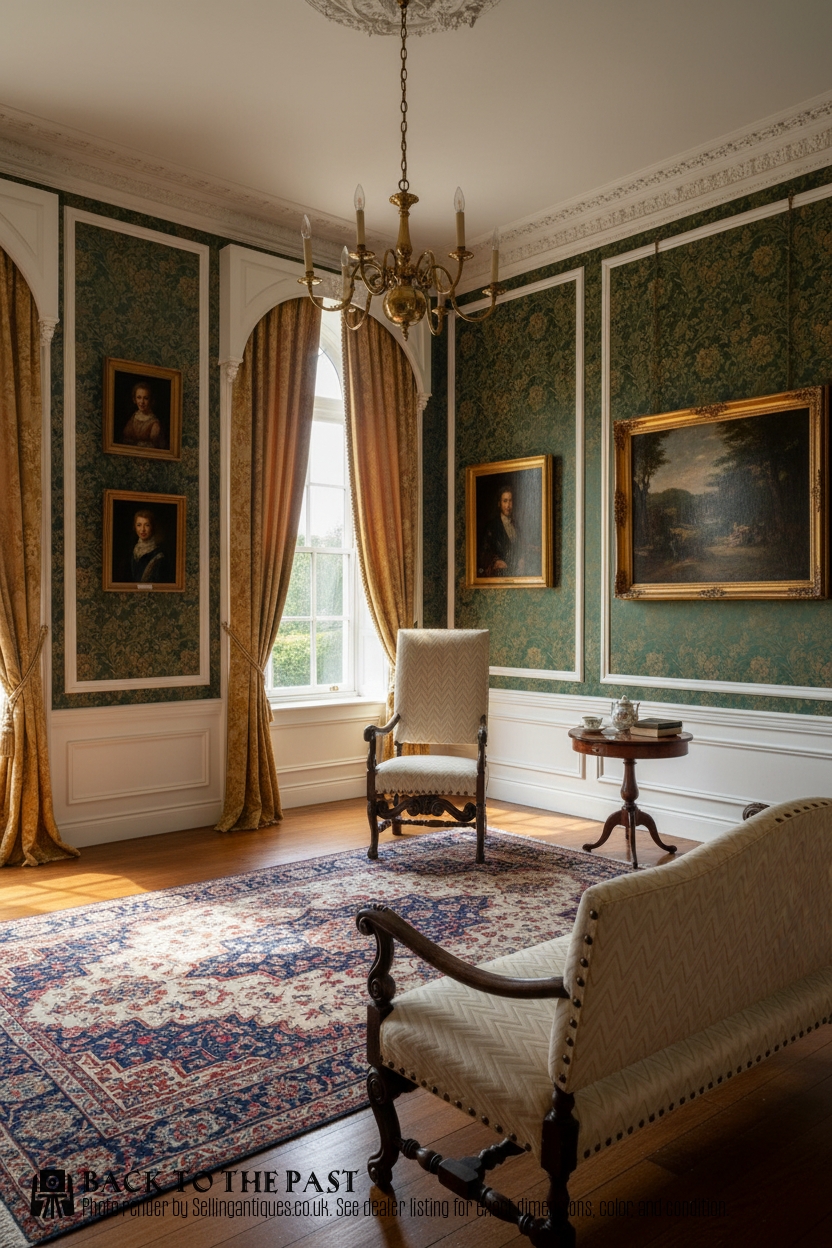
Understanding Scroll Arm Chairs
A scroll arm chair encompasses a range of seating forms designed for libraries, desks, and country house interiors. The evidence shows these pieces appearing primarily in Victorian, Regency, and Napoleon III styles, with origins spanning English workshops and French makers.
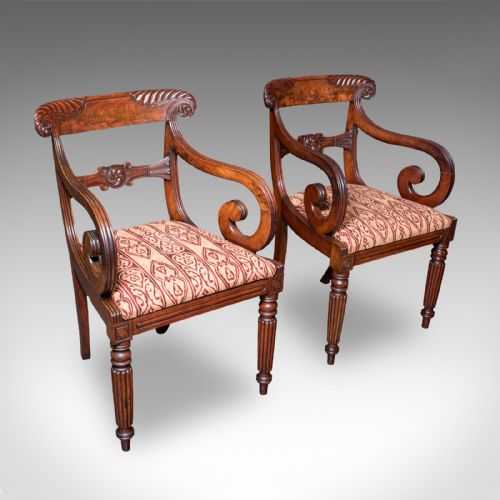
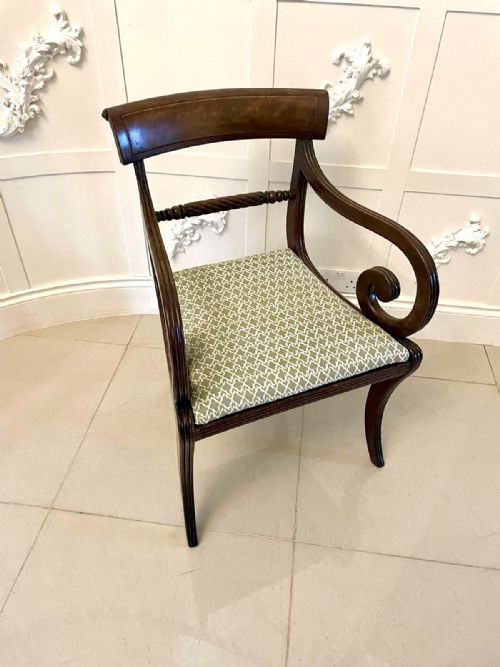
The primary forms on this page include library armchairs, deep-seated country house models, and desk chairs. Makers often integrated scrolling arms into carver chairs for dining sets or reading spaces, providing structured support for the sitter.
Nineteenth-century examples dominate the selection, showing how makers adapted the scroll arm across decades of changing domestic fashions. Buyers encounter both mahogany frames suited to formal rooms and robust oak or hardwood constructions intended for daily use.
Materials and Construction
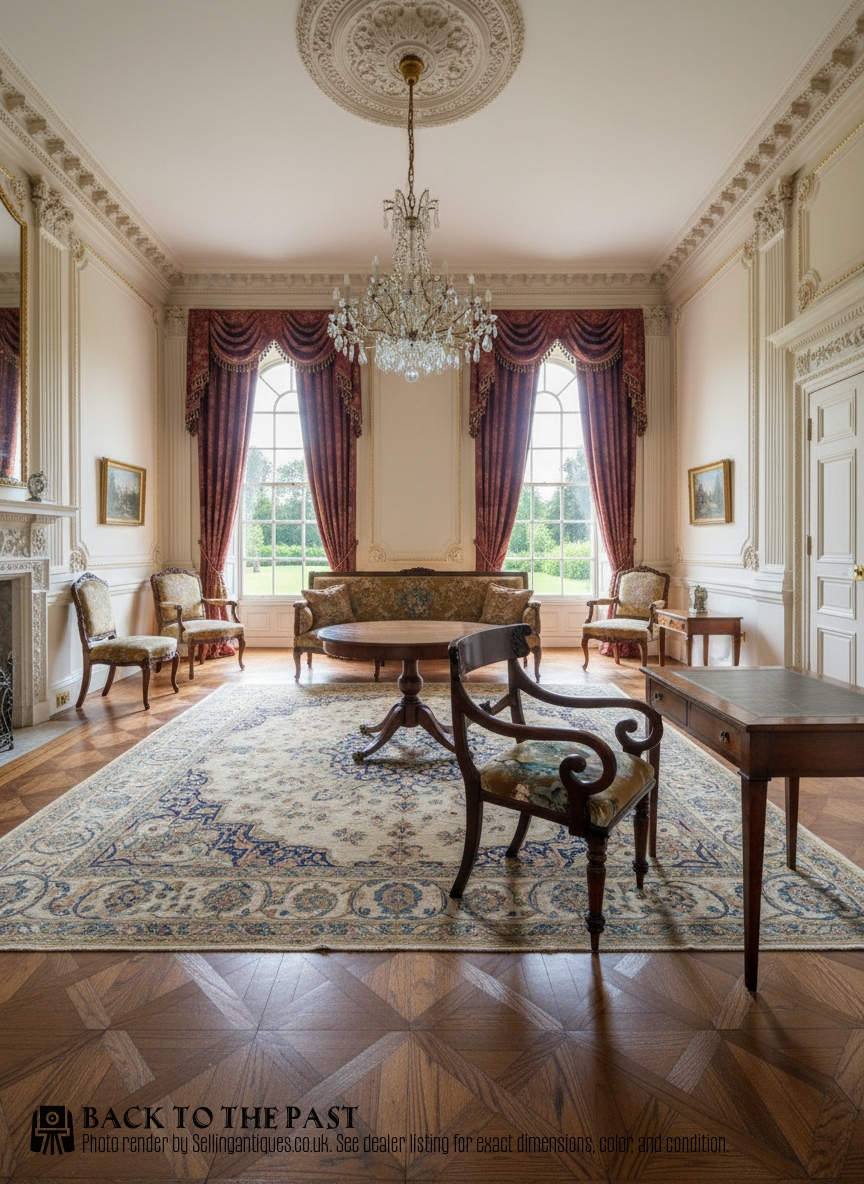
Makers built the structural frames of these chairs using hardwoods such as mahogany and oak, selected for their strength and ability to hold carved details. The scrolling arms are frequently shaped from solid timber or steam-bent to achieve the characteristic curve.
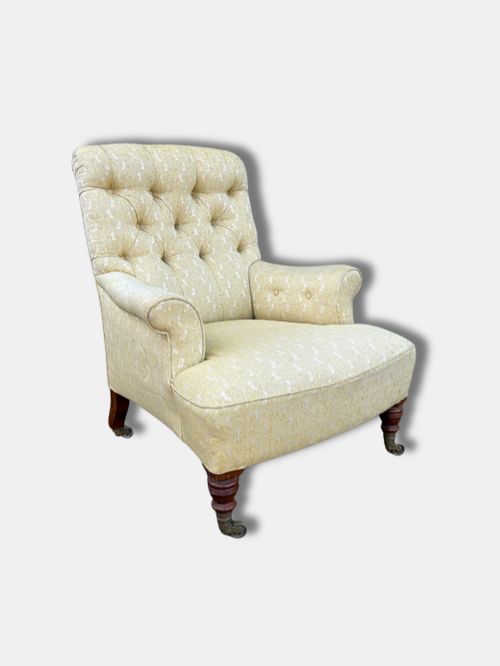
Upholstery methods varied from deep padding covered in leather, calico, and ticking to traditional horsehair stuffing secured over hessian foundations. Many chairs feature functional additions like brass fittings and ceramic castors to aid mobility on heavy carpets.
Retail Price Guide 2026
Typical UK retail prices for scroll arm chair, calculated from the Sellingantiques database of over a million retail prices indexed since 2003. This retail price guide relies exclusively on Sellingantiques data; no external sources or auction records are used, so the figures do not describe the wider market.
Several armchairs arrive with stubborn nineteenth-century castors that clearly anticipated decades of enthusiastic library rearranging.
Distinctions in Quality
The distinction between standard seating and finer library or desk chairs lies in the execution of the timber frame and the precision of the carved scrolls. Superior examples display balanced proportions, crisp joinery, and carefully selected mahogany grain that enhances the sculptural arms.
Internal stuffing and secondary woods also indicate the grade of the piece, with better workshops employing durable foundation materials and substantial frames. Original elements, such as matching castors and unaltered leather or fabric specifications, elevate the integrity of the chair.
The Scroll Arm Chair Glossary
- Carver chair
- An armchair designed to match a set of dining chairs, typically featuring open arms to accommodate sitting closer to a table. These often display the characteristic scroll work on the arm terminals.
- Sabre leg
- A concave-curving rear or front leg that tapers toward the foot, commonly seen on Regency period seating. This form adds visual lightness beneath a heavy scroll-armed upper frame.
- Bergere
- An enclosed upholstered armchair with wooden framing exposed around the sides and back. The style provides a deep, comfortable seat often associated with nineteenth-century library and drawing room pieces.
- Ticking
- A tightly woven cotton or linen fabric historically used to contain feather or down fillings. In modern contexts, antique chairs frequently retain or are restored using blue and white striped variations.
- Calico
- A plain-woven textile utilised as a durable inner lining or foundational cover beneath top-grade upholstery fabrics. It provides a stable base for buttoning and traditional stuffing techniques.
Frequently Asked Questions
How do I date a scroll arm chair?
Dating relies on identifying timber choices, leg profiles, and structural framing methods typical of specific periods. Regency examples often feature sabre legs and rich mahogany, whereas Victorian pieces frequently display heavier carved oak or buttoned upholstery.
Comparison with documented archive pieces helps narrow the decade of production. Examining secondary woods and interior webbing also offers clues to the original workshop era.
Were these chairs used at desks?
Many scroll arm variants served specifically as desk or reading chairs, built with lower arms to slide neatly beneath writing tables. Mahogany desk versions often incorporated leather seats and robust frames for daily study.
Library chairs also shared this functional purpose, offering deep seating and sturdy armrests for extended periods of reading. The evidence records numerous desk chairs featuring similar scrolling arm woodwork.
What fabrics are appropriate for upholstery?
Historical evidence points to leather, calico, hessian, and ticking as standard coverings for these seating forms. Selecting traditional textiles helps maintain the architectural character of nineteenth-century frames.
Plain fabrics or subtle stripes allow the carved wooden scroll arms to remain the primary visual focus. Professional upholsterers generally replicate the original stuffing depth to preserve the correct sitting posture.
How do I care for mahogany frames?
Maintenance involves keeping timber furniture away from direct heat sources and sudden humidity changes to prevent wood splitting. Regular dusting with a soft, dry cloth preserves the natural lustre of the polished surface without building up residue.
Avoid using modern silicone polishes that can penetrate old finishes and damage the wood over time. Applying traditional beeswax sparingly helps nourish antique mahogany frames.