
Howard and Sons Style
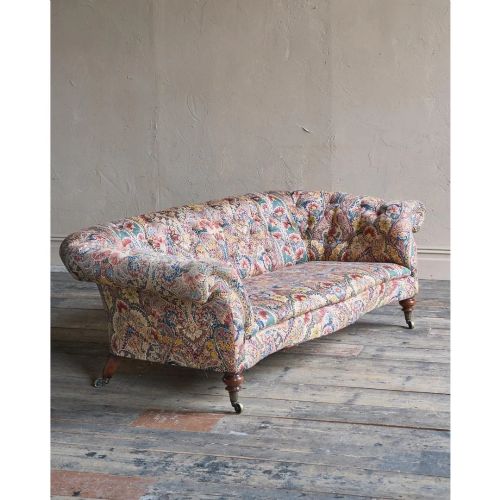
howard and sons style seating brings deep English country house comfort to a room through generous upholstery and low proportions.
Identifying howard and sons style pieces
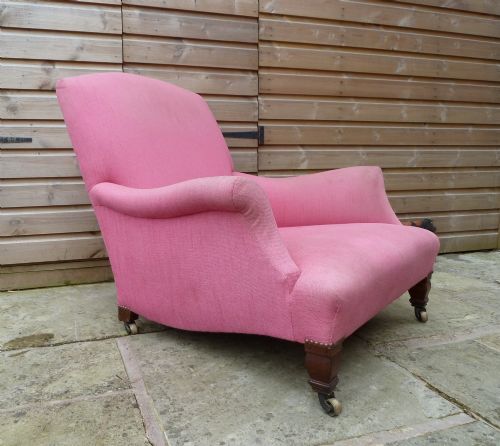
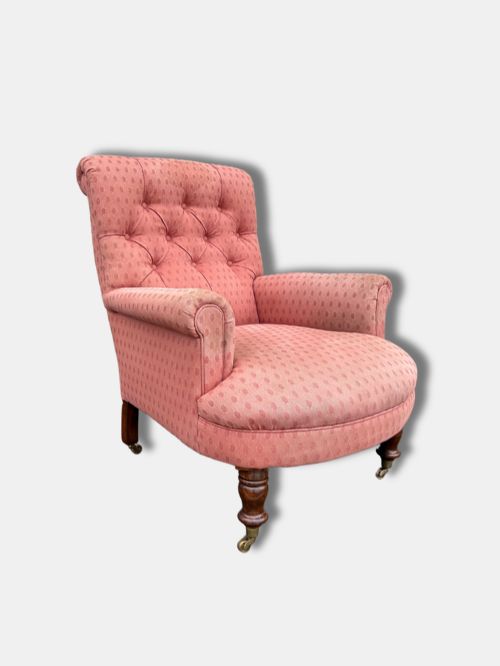
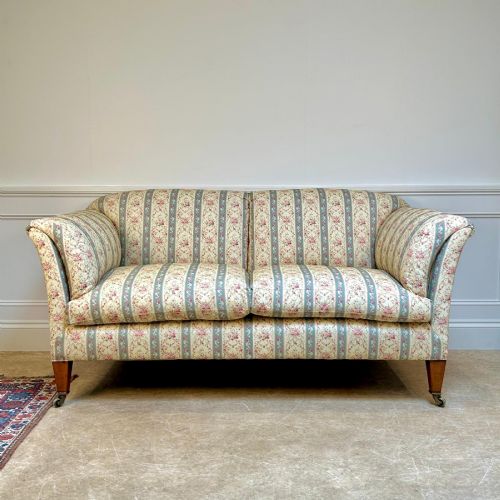
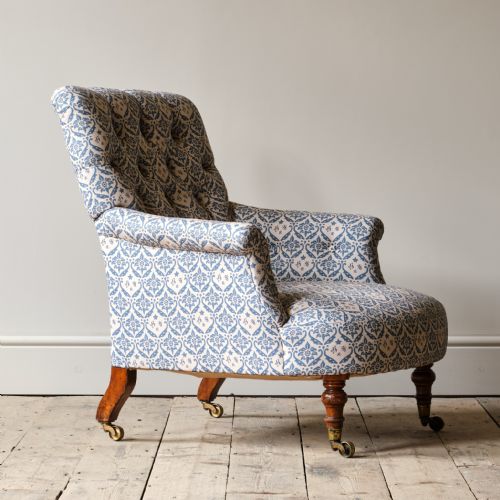
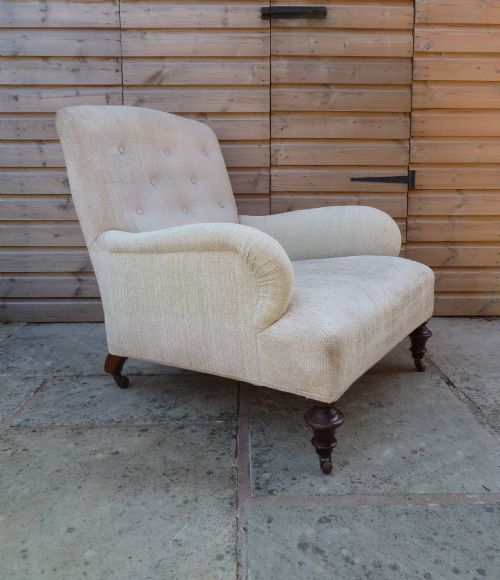
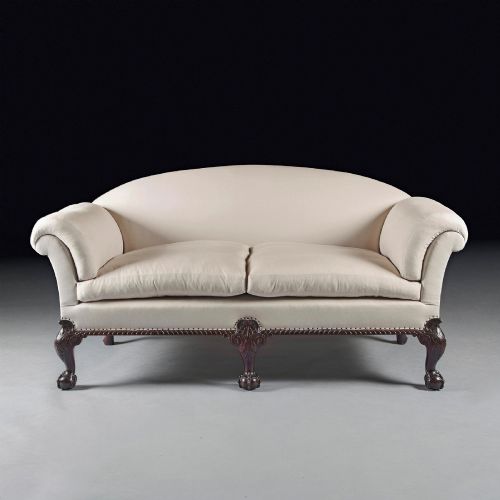
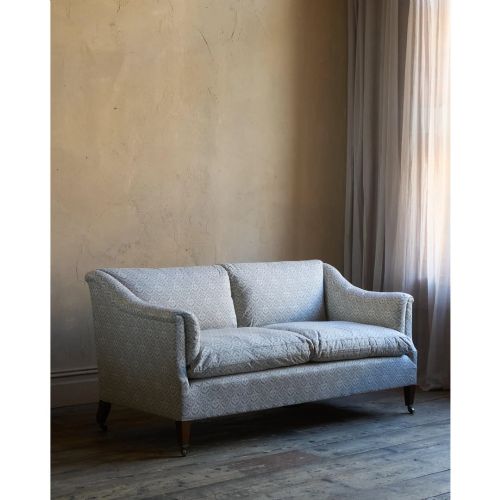
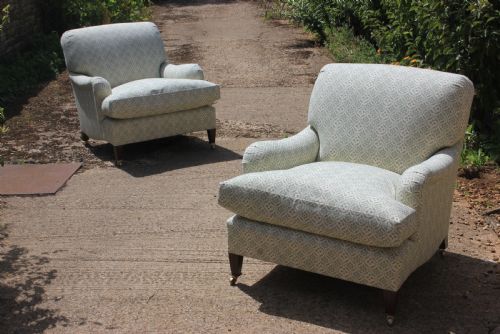
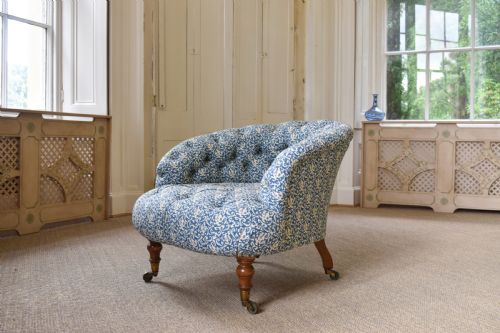
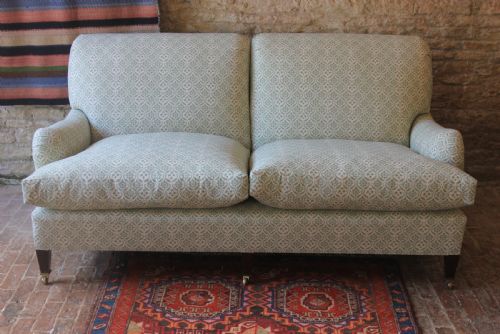
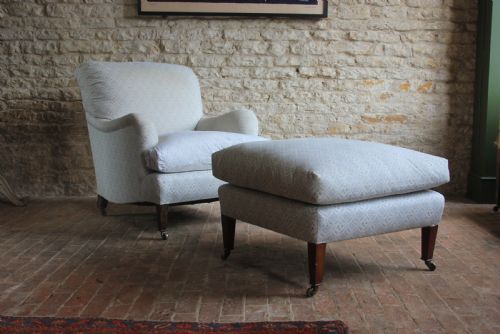
When you search for howard and sons style, you encounter low-slung armchairs, deep-seated club chairs, footstools, daybeds, and sofas designed for long hours of relaxation. These pieces emerge predominantly from the nineteenth century and the Edwardian era, bearing the distinct hallmarks of Victorian and English country aesthetics.
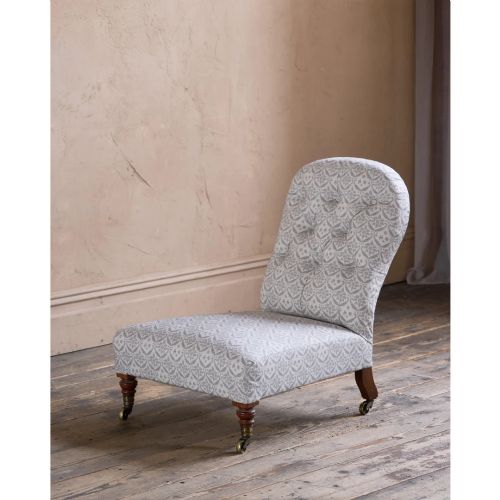
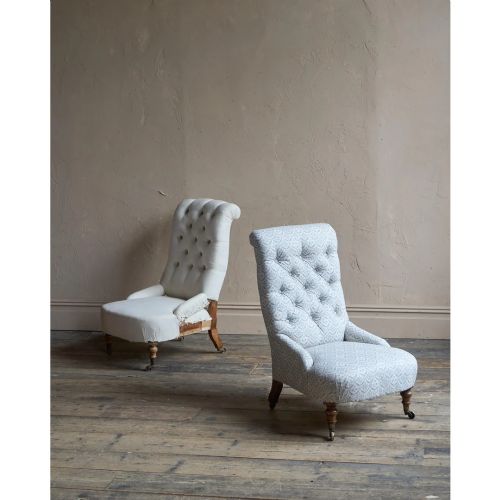
The most common forms on this page are armchairs, often featuring characteristic low seats and cushioned backs intended for pairing with traditional fabrics. Alongside these stand larger daybeds, footstools, and expansive sofas built on substantial timber frames.
Makers and workshops working in this tradition channel the relaxed proportions and structural ease associated with nineteenth-century London cabinet makers. Their output ranges from open-armed library chairs to fully upholstered Bridgewater and Grafton models.
Distinctions in craftsmanship
The division between ordinary pieces and exceptional ones rests upon the integrity of the underlying hardwood frame and the tautness of the initial webbing. A superior chair maintains its composure and low, balanced stance through decades of heavy sitting without sagging at the arms.
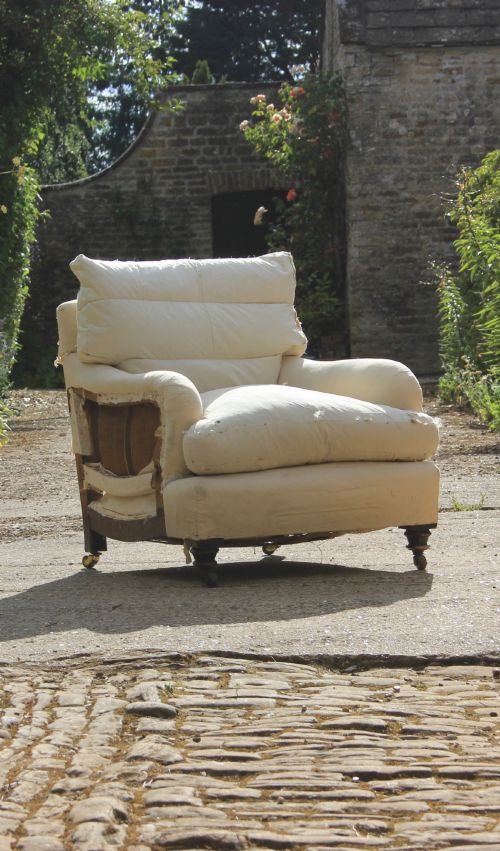
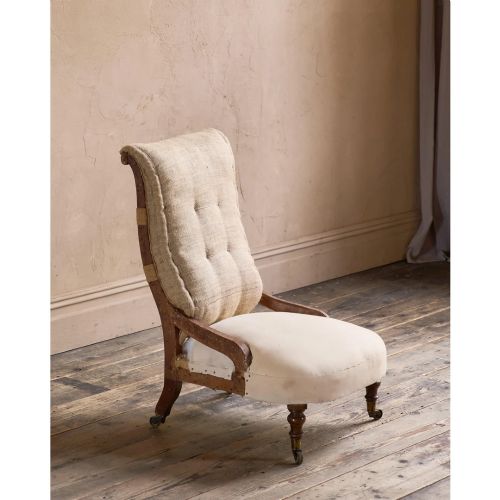
Finishing details distinguish the upper tier of production, particularly in the hand-turned legs, the quality of the brass castors, and the precise stitching of the calico or hessian sub-layers. The handling of curves along the back and arms demonstrates the maker's eye for proportion.
The choice of covering material and the density of internal stuffing dictate the eventual comfort and visual weight of the seating. Finer examples balance robust timber construction with a yielding, deeply cushioned surface that invites prolonged repose.
Retail Price Guide 2026
Typical UK retail prices for howard and sons style, calculated from the Sellingantiques database of over a million retail prices indexed since 2003. This retail price guide relies exclusively on Sellingantiques data; no external sources or auction records are used, so the figures do not describe the wider market.
Listings feature nineteenth-century and Edwardian pieces constructed from walnut, hardwood, brass, calico, hessian, and various upholstered fabrics.
Trollope and Sons London
The Howard and Sons Style Glossary
- Bridgewater armchair
- A deep-seated upholstered seating form featuring low arms and a relaxed profile. This shape forms a cornerstone of country house comfort.
- Calico
- A plain-woven cotton fabric used as the foundational inner upholstery layer. It often serves as a tight, clean base beneath top covers.
- Hessian
- A coarse woven fabric made from jute fibres, employed for structural webbing and internal packing support. It provides essential breathability and tensile strength.
- Grafton armchair
- A specific nineteenth-century seating variant characterised by tailored upholstery and supportive proportions. These pieces echo classic English lounge designs.
- Castor
- A small wheel fitted to the base of furniture legs, typically fashioned from brass in this tradition. It facilitates movement across heavy carpets and wooden boards.
Frequently Asked Questions
What defines a howard and sons style armchair?
These chairs are characterised by low seats, deep proportions, and rolling arms designed for maximum comfort.
They bridge the gap between formal Victorian furniture and relaxed English country house seating.
Are these pieces suitable for modern living rooms?
Their generous scale and low profile make them natural centrepieces for informal sitting rooms and libraries.
They blend easily with contemporary interiors while offering historical character and deep physical comfort.
Why do some chairs arrive in calico?
Many examples are upholstered in plain calico or hessian to allow buyers to apply their own custom fabric coverings.
This tradition leaves the final aesthetic choice open while preserving the foundational nineteenth-century structure.
How do I spot an Edwardian piece?
Edwardian examples often share the low, sprung proportions of Victorian designs but reflect slightly lighter framing.
They maintain the use of timber frames, brass castors, and heavy internal webbing.