

19th Century Tapestry Chair
A 19th century tapestry chair brings texture and historical depth to a room through traditional needlework and period woodwork.
19th Century Tapestry Chair
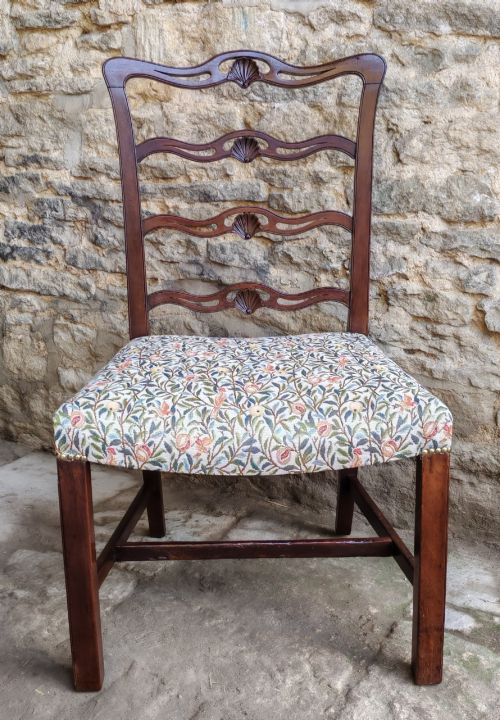
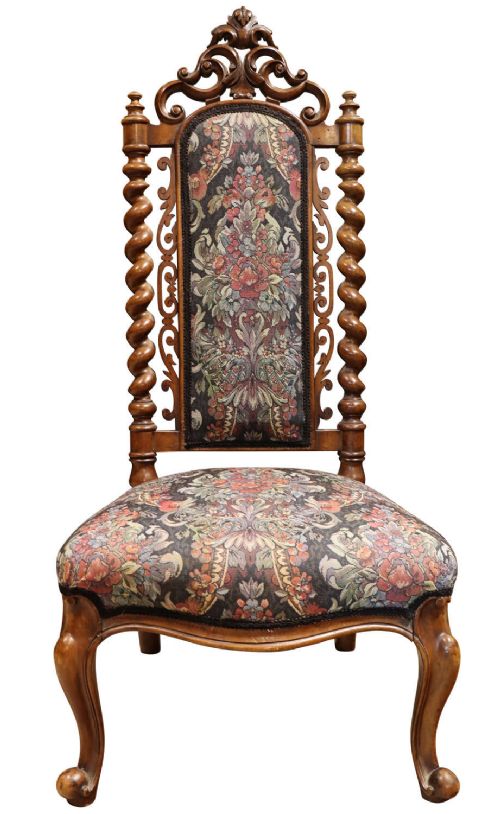
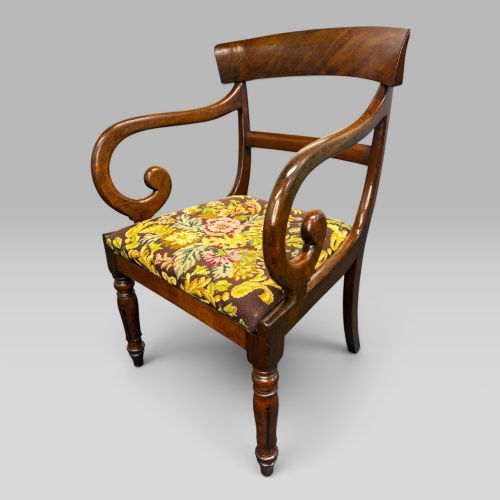
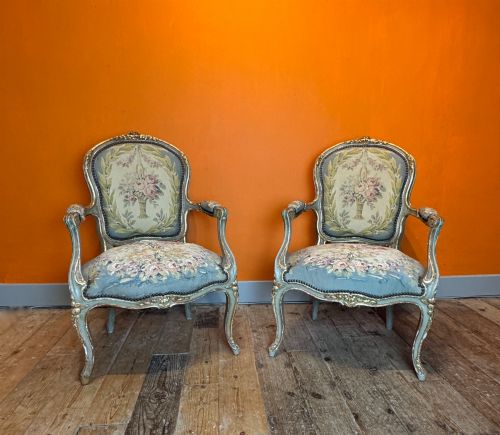
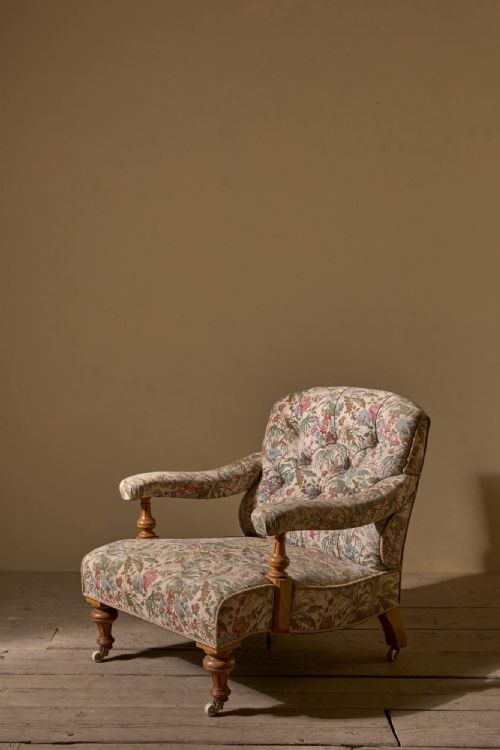
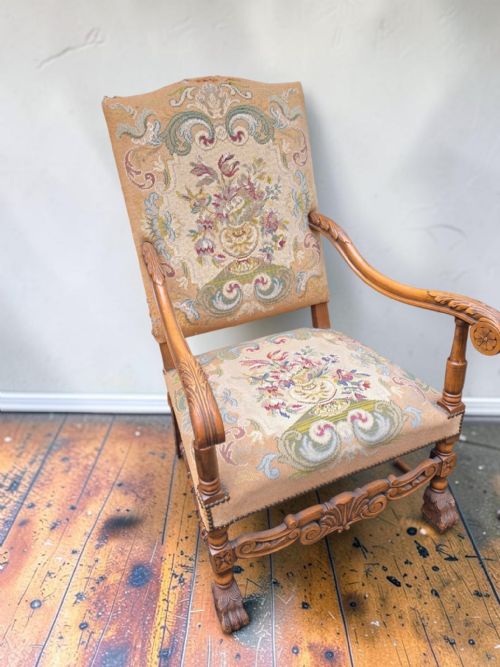
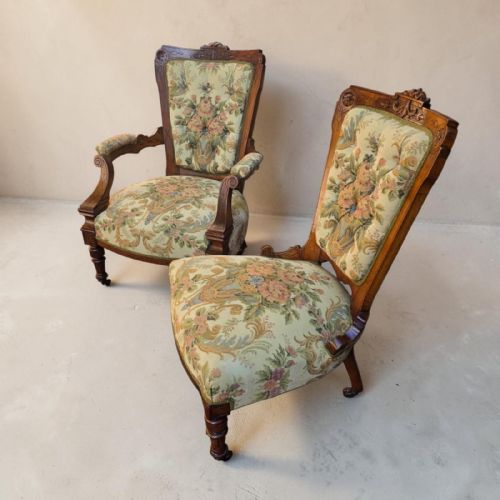
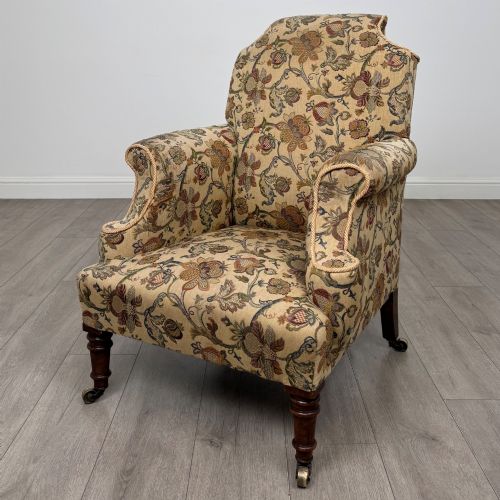
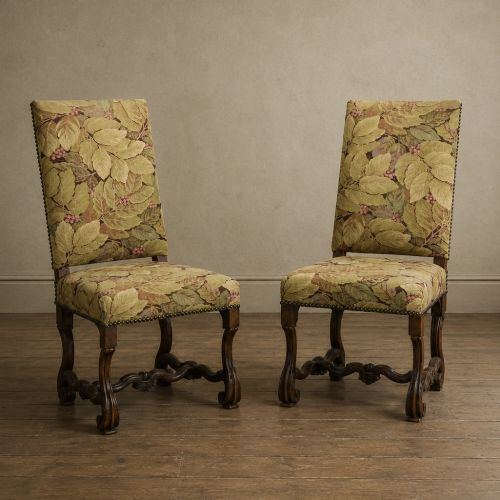
When you search for a 19th century tapestry chair, you encounter seating upholstered in wool needlework, petit point, or gros point, often mounted on timber frames. The most common examples on this page are Victorian walnut or mahogany armchairs and side chairs, alongside French revival salon seats.
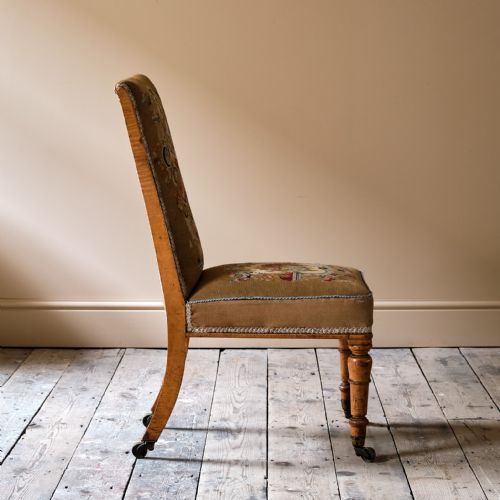
Makers and workshops of the period utilised various forms including open armchairs, fauteuils, slipper chairs, and dining chairs. These items served functional roles in drawing rooms, parlours, and country houses, combining structural timber with decorative textile panels.
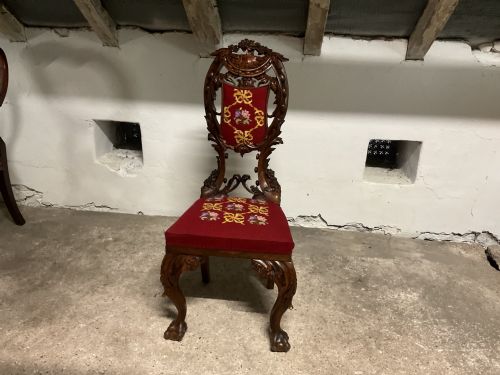
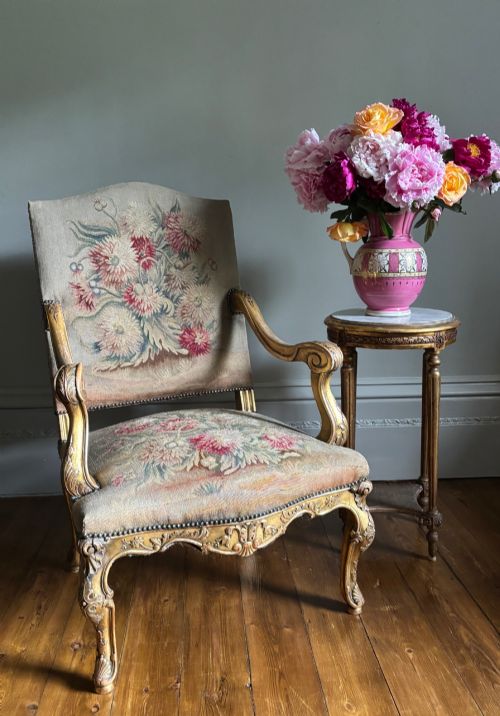
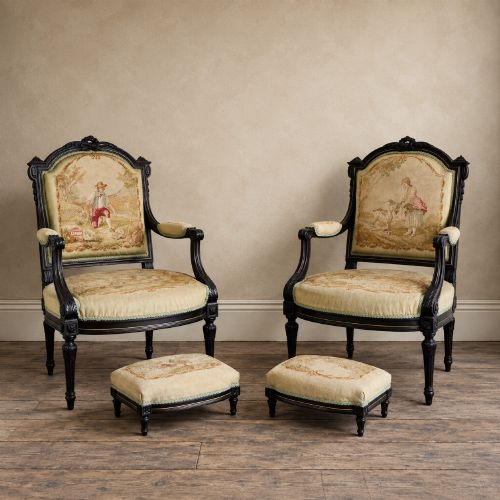
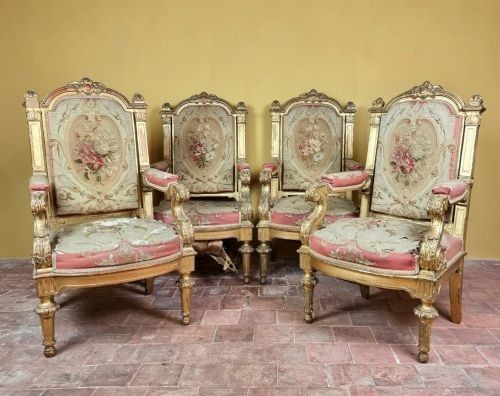
The selection ranges from British mahogany library and desk chairs to elaborate continental giltwood and painted frames. Each piece demonstrates the intersection of 19th-century upholstery practices and historicist revival styles.
How they were made
Cabinetmakers constructed the underlying frames using dense hardwoods such as mahogany, walnut, rosewood, and beech, often incorporating carved details, turnings, or giltwood finishes. These frames provided the rigid skeleton required to support tightly tensioned upholstery webbing and stuffing.
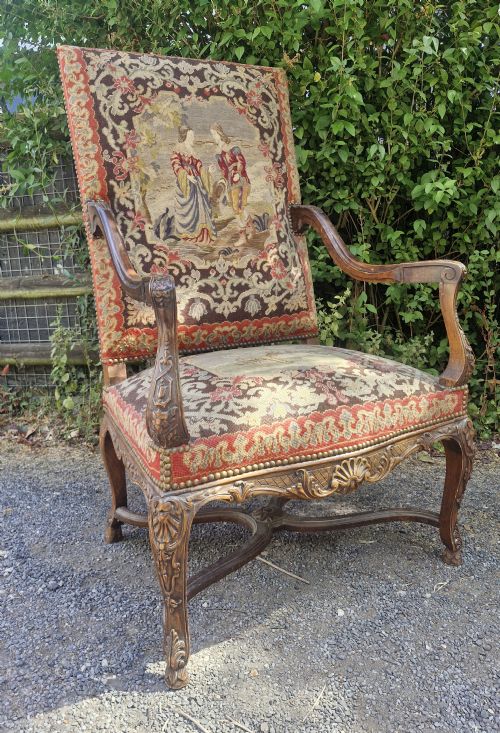
The characteristic textile element involves handworked wool tapestry or needlework panels, secured over traditional stuffing materials like horsehair. Craftsmen attached these decorative covers using brass tacks or piping to finish the edges against the wooden rails.
A child's American rocking chair sits quietly among the heavy salon armchairs, proving that nineteenth-century comfort came in all scales.
What varies in quality
The distinction between standard production and superior examples lies in the execution of the timber carving and the complexity of the needlework. Finely detailed walnut or mahogany frames with deep relief work indicate skilled cabinetmaking.
The artistic merit of the tapestry cover further defines the tier of the piece, with finely stitched pictorial or floral needlework commanding greater attention than simple geometric patterns. The integration of the textile with the specific proportions of the frame determines the overall harmony of the object.
Howard and Sons·R Whytock of Edinburgh·Holland and Sons
The 19th Century Tapestry Chair Glossary
- Fauteuil
- An open-framed French armchair with upholstered armrests, popular during various revival periods of the nineteenth century. The exposed wooden frame is often carved, painted, or gilt.
- Gros point
- A coarse type of needlepoint stitch worked on canvas, commonly utilised for durable upholstery on heavy Victorian armchairs. It provides a robust textured surface suitable for daily seating.
- Petit point
- A fine needlepoint stitch executed on single-thread canvas, allowing for intricate detail and shading in nineteenth-century floral and figural panels.
- Slipper chair
- A low-seated upholstered chair without arms, originally designed for ladies' bedrooms during the Victorian era for dressing and putting on footwear.
19th Century Tapestry Chair: Frequently Asked Questions
What is a tapestry chair?
A tapestry chair is a nineteenth-century seat upholstered with handworked wool needlework, petit point, or gros point fabric. These textiles are stretched over timber frames constructed from woods like mahogany, walnut, and beech.
Such seating reflects the historicist revival styles popular across Britain and France during the Victorian period. They combine structural woodwork with decorative textile panels designed for domestic interiors.
How do I identify a Victorian tapestry chair?
Identification relies on examining the timber species, frame construction techniques, and the style of the carved ornamentation. Victorian examples frequently utilise walnut or mahogany with revival motifs influenced by French Rococo or Gothic designs.
The needlework cover often provides chronological clues through its colour palette and stitching style. Comparing the frame's structural joinery to known nineteenth-century manufacturing methods confirms the era.
Where were these chairs used?
In the nineteenth century, these chairs were positioned in principal rooms such as drawing rooms, parlours, and libraries. Smaller variations like slipper chairs suited bedrooms, while larger armchairs occupied prominent fireside positions.
They functioned both as practical seating and as display pieces demonstrating the household's taste. Country houses and urban residences alike incorporated them into formal and informal reception spaces.
How do I care for antique tapestry upholstery?
Preserving needlework upholstery requires protecting the wool fibres from direct sunlight and excessive moisture. Gentle vacuuming through a mesh screen helps remove dust without disturbing fragile antique threads.
Professional textile conservation is recommended for fragile or historic needlework. Maintaining stable room humidity prevents the underlying wood frame and stuffing materials from drying out or degrading.